Best Beginner Model Kits for Teens Without Glue Mess
A parent-focused guide to beginner model kits for teens that avoid glue mess. Compare snap-fit options, durability, skill progression, storage needs and supervision considerations.
Compare prices and availability
Check current prices and availability for this guide on eBay.
As an eBay Partner, we may be compensated if you make a purchase.
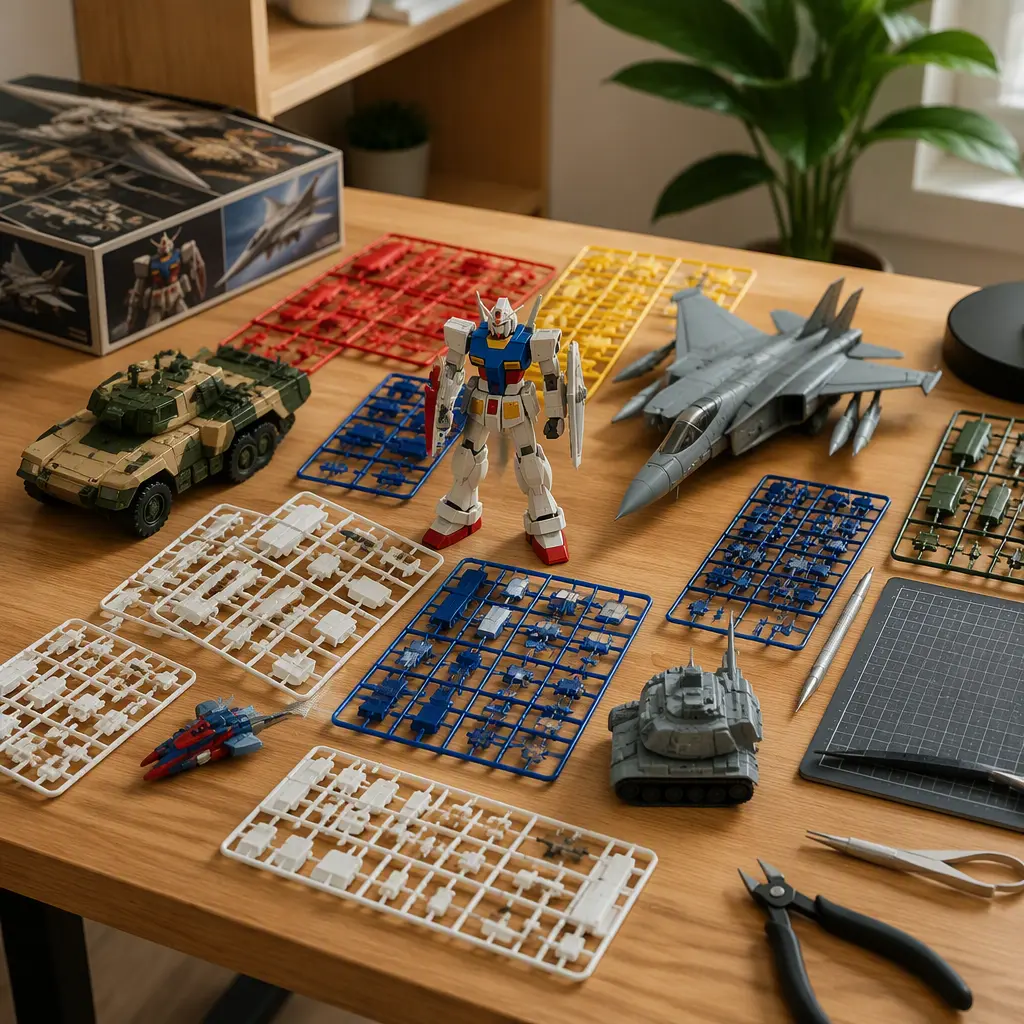
Beginner model kits can be a strong screen-free hobby for teens who enjoy building, organizing and seeing steady progress. For parents who want to avoid glue spills, fumes and complicated painting setups, snap-fit kits are usually the easiest starting point. These kits are designed to press together without adhesive, making cleanup simpler and reducing frustration for first-time builders. The challenge is finding a kit that feels interesting enough for a teenager without becoming overly delicate, expensive or time-consuming. The right choice depends on patience level, available workspace and whether the teen wants a relaxing craft activity or a more detailed hobby that can grow over time.
What to look for
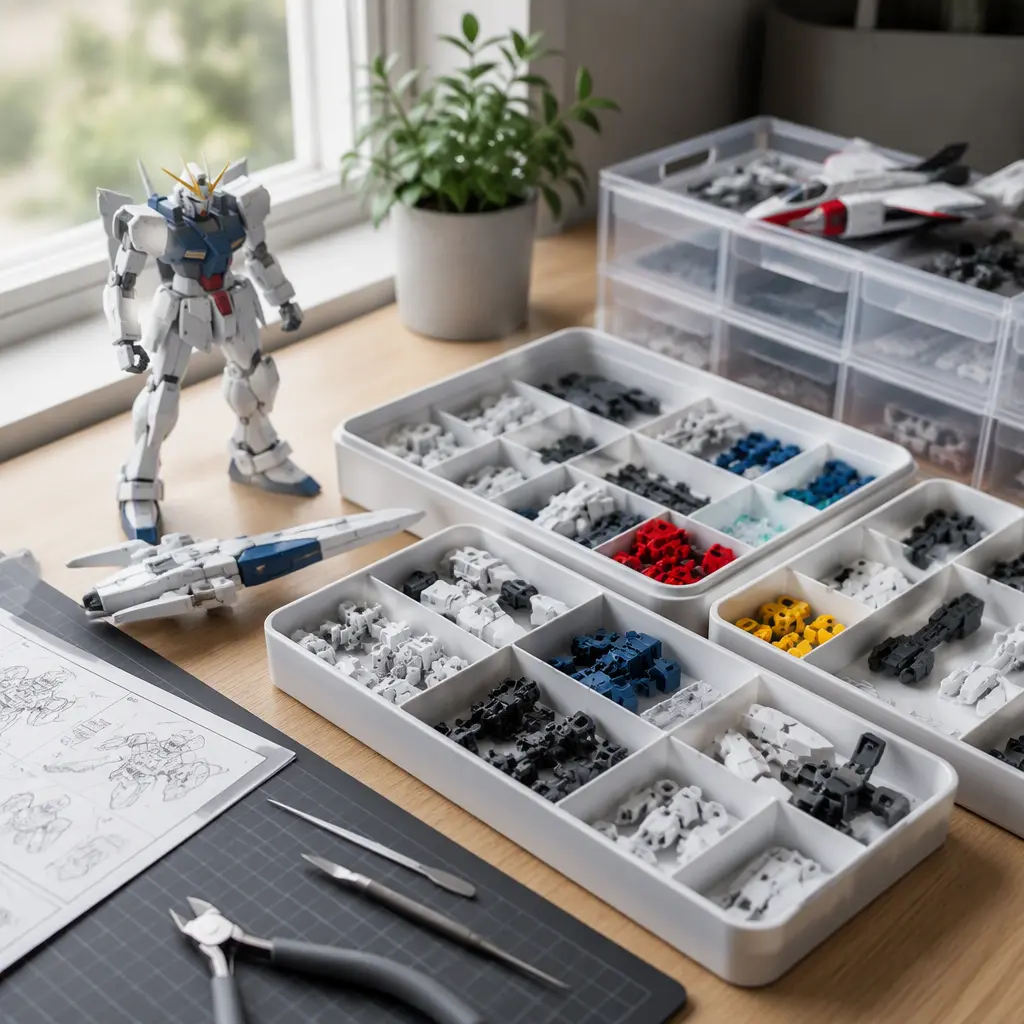
A good beginner kit should balance ease of assembly with enough challenge to stay engaging. Teens often lose interest when instructions are confusing or parts break easily. Snap-fit kits vary widely in complexity, from simple vehicle builds completed in under an hour to multi-evening projects with moving parts and display stands. Storage space also matters because larger kits can spread across tables quickly.
- Choose snap-fit or push-fit construction if avoiding glue and strong odors is a priority.
- Look for clear illustrated instructions with numbered parts and step-by-step assembly.
- Moderate part counts are often best for beginners; extremely large kits can become frustrating.
- Check whether tools such as side cutters are recommended, even for glue-free kits.
- Durable plastic pieces tend to tolerate mistakes better than thin decorative parts.
- Consider display size before buying, especially for shared bedrooms or small desks.
- Some kits include stickers while others expect painting for a finished look.
Age suitability
For ages 13 and up, many teens are ready for beginner-to-intermediate model building as long as expectations match their patience and fine motor skills. Teens who enjoy puzzles, LEGO building, engineering activities or crafting often adapt well to snap-fit kits. Kits with moving joints or mechanical features can especially appeal to teens interested in STEM-focused hobbies. On the other hand, teens who dislike repetitive assembly or become discouraged by detailed instructions may prefer simpler projects with lower part counts. Parents should also consider attention span and workspace habits because unfinished kits are easier to continue when parts can stay organized between sessions.
Options compared
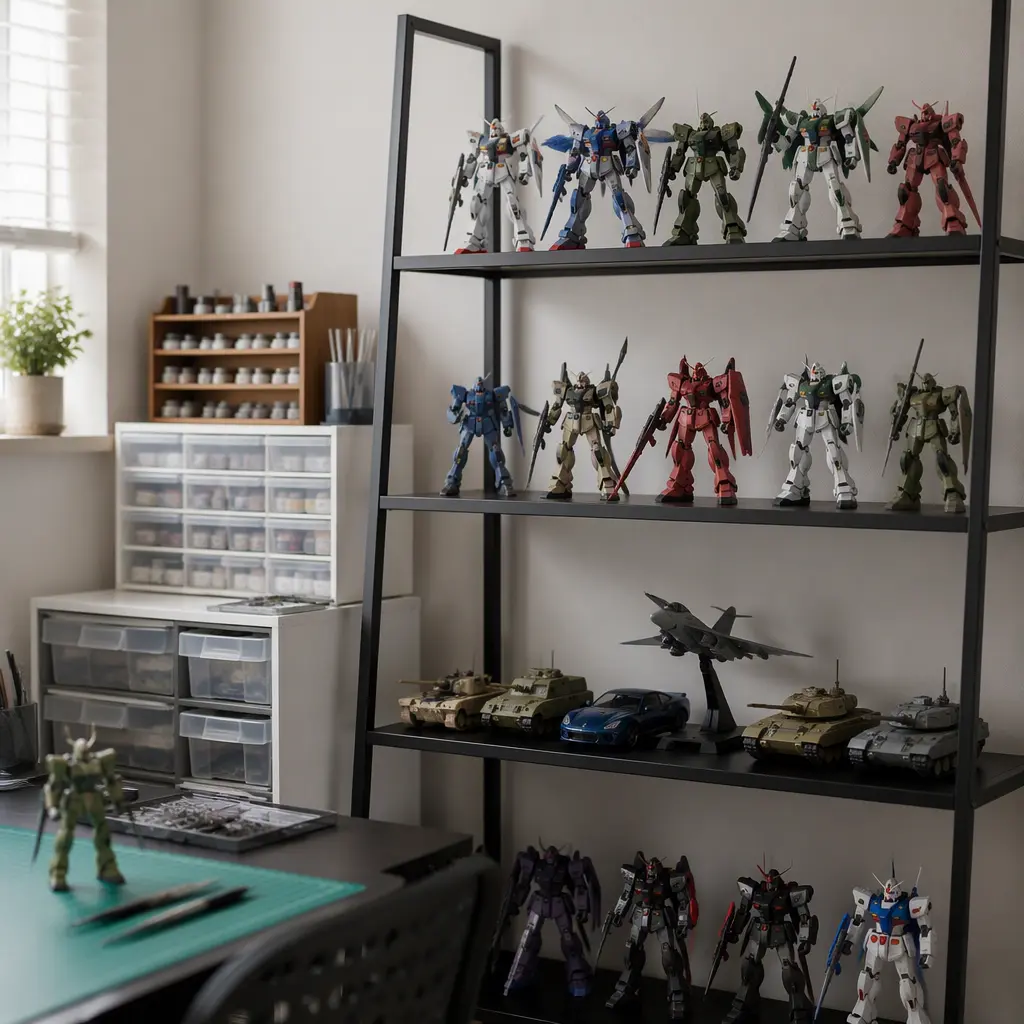
Robot and sci-fi style snap-fit kits are among the most common beginner choices for teens because they combine building with poseable finished models. These kits usually offer a strong sense of progression without requiring paint or glue to look complete. Many include color-separated plastic parts that snap together cleanly. They suit teens who enjoy display pieces, animation-inspired design or engineering-style assembly. The trade-off is that some have many small components and require careful handling during construction.
Vehicle and car snap-fit kits tend to be more straightforward and often have sturdier finished builds. They are a good match for teens who prefer realistic subjects and simpler assembly. Mechanical model kits, including marble runs, gear-driven machines or simple motors, can provide stronger STEM appeal and more active play after construction. However, moving parts may increase setup time and can be less durable if assembled incorrectly.
- Simple vehicle kits: easier assembly, durable finished models, usually lower mess and shorter build times.
- Robot and sci-fi kits: more visual detail and customization, better for teens who enjoy collecting or posing displays.
- Mechanical STEM kits: encourage problem-solving and experimentation, but often need more patience and careful alignment.
- Wooden slot-together kits: quieter and less cluttered than plastic sprues, though some are fragile and less forgiving of mistakes.
- Miniature architecture kits: rewarding for detail-focused teens, but often less durable once completed.
Frequently asked questions
Do snap-fit kits stay together without glue?
Most beginner snap-fit kits are designed to hold together securely through pressure-fit connections. Some parts may loosen after repeated handling, especially on poseable models, but many are stable enough for display and light repositioning without adhesive.
Are model kits still educational if they are mainly for display?
Yes. Even display-focused kits can support spatial reasoning, patience, sequencing and fine motor skills. Mechanical or engineering-themed kits may add stronger STEM elements, but any structured building activity can encourage problem-solving and concentration.
What tools are useful for beginners?
A small pair of hobby side cutters is commonly recommended to remove parts cleanly from plastic frames. A tray or storage container can also help keep small pieces organized. Many beginners can start without specialized equipment beyond that.
How much workspace do model kits require?
Most beginner kits fit comfortably on a desk or dining table during assembly. Larger multi-session projects benefit from a dedicated space where partially completed sections can remain undisturbed. Good lighting is especially helpful for smaller parts and instruction diagrams.
Which teens may not enjoy this hobby?
Teens who strongly prefer fast-paced activities or immediate results may lose interest in detailed assembly projects. Kits can also frustrate builders who dislike sorting small pieces or following sequential instructions. Starting with a simpler kit usually gives a better sense of whether the hobby is a good fit.
For most families, beginner snap-fit model kits offer a practical middle ground between creative hobbies and structured STEM activities. They provide hands-on focus without the cleanup demands of glue-heavy traditional modeling. Choosing a manageable first project with clear instructions and durable parts is often more important than picking the most detailed design. A successful beginner experience can gradually build confidence for more advanced projects later on.