Creator STEM Kits vs Classic Science Kits for Tweens
Comparing influencer-backed STEM kits with classic science sets for ages 9–12, including durability, refill costs, screen use, real learning value and what suits different types of tweens.
Compare prices and availability
Check current prices and availability for this guide on eBay.
As an eBay Partner, we may be compensated if you make a purchase.
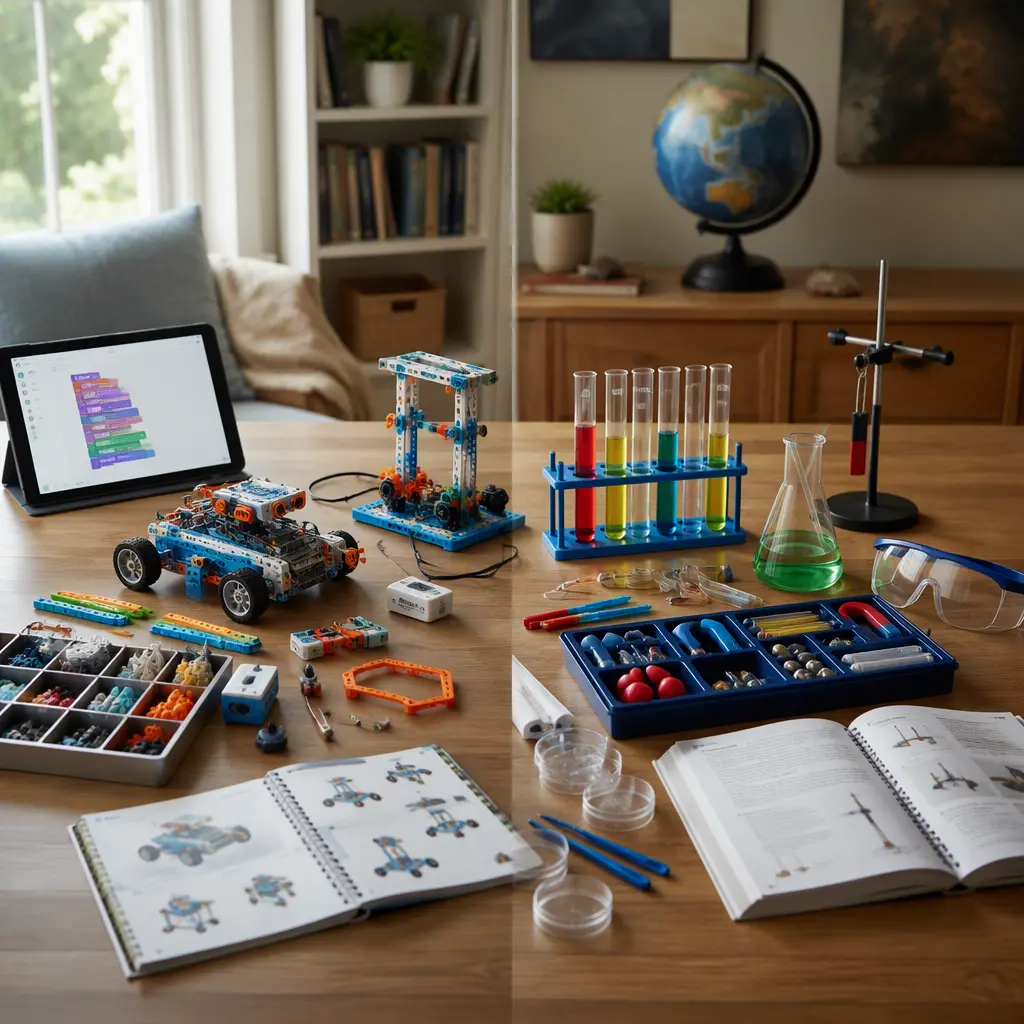
STEM kits for tweens now fall into two broad groups. Creator-style kits are often tied to YouTube personalities, coding apps or online communities, while classic science kits focus on hands-on experiments built around chemistry, electronics, engineering or physics. Both can be educational, but they deliver very different experiences at home. For parents shopping for ages 9–12, the most useful comparison is not which style looks more exciting on the box. It is whether the kit holds attention over time, survives repeated use, stays affordable once refill supplies run out and teaches transferable skills instead of short-term novelty tricks.
What to look for
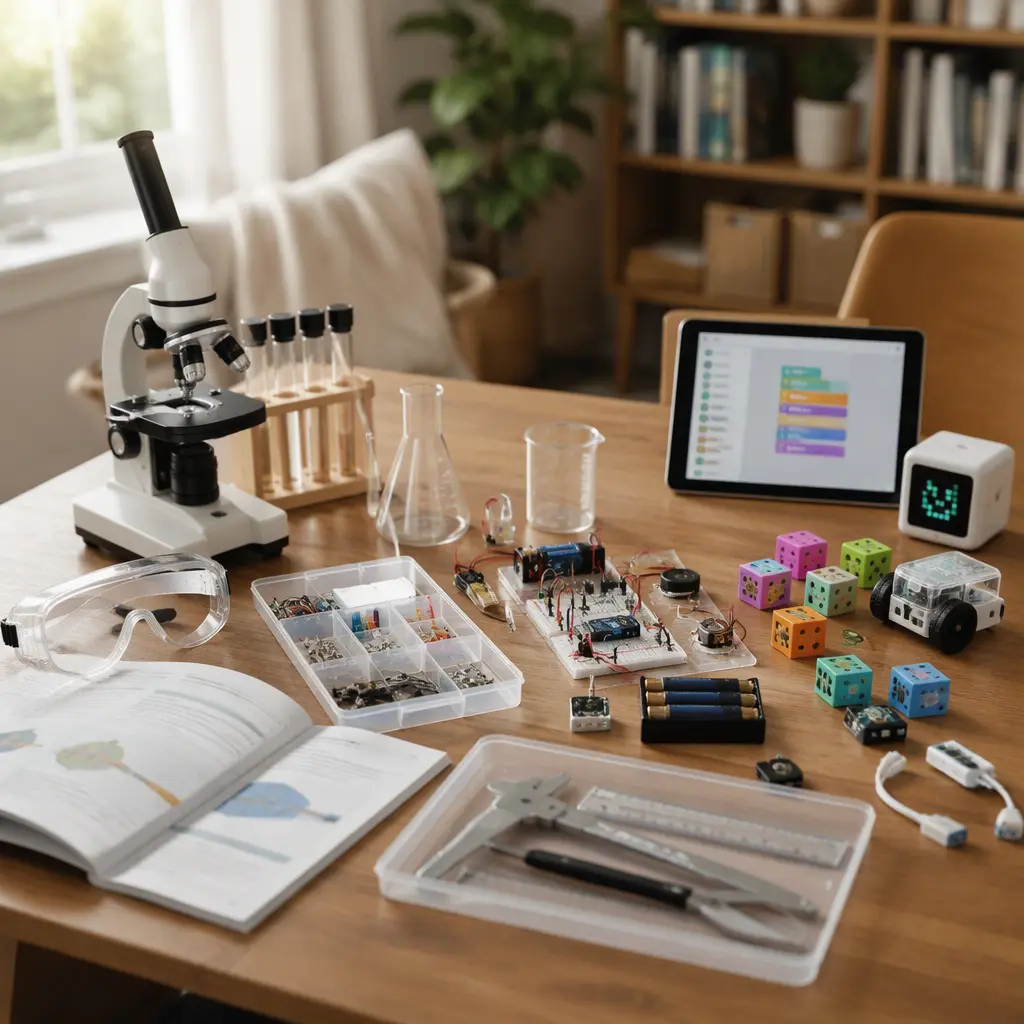
The strongest STEM kits for tweens balance independence, challenge and replay value. A good set should feel advanced enough for a 9–12 year old without requiring constant adult rescue. Instructions matter more than flashy packaging. Clear diagrams, structured experiments and opportunities to change or expand projects usually provide better long-term value than kits built around a single viral outcome. It is also worth checking how dependent the toy is on apps, subscriptions or refill packs. Some creator-focused kits are designed around ongoing online engagement, while many traditional science kits remain fully usable years later with basic household supplies.
- Look for durable components such as thicker plastic parts, proper storage trays and reusable tools rather than disposable one-time materials.
- Check refill costs before buying. Chemistry powders, craft consumables, batteries and proprietary components can add ongoing expense.
- Consider how much screen use is involved. Some app-connected kits genuinely teach coding or electronics, while others mainly use screens for entertainment and instructions.
- Pay attention to storage and mess. Chemistry and slime-focused sets can spread across tables quickly, while engineering kits often store more neatly.
- Choose kits with adjustable difficulty or open-ended builds if your child loses interest after completing one guided project.
- Look for offline usefulness. Kits that still function without cloud accounts or companion apps usually age better.
Age suitability
The 9–12 age range covers a wide spread of confidence and patience levels. Younger tweens often enjoy visible reactions and fast results, which makes traditional experiment kits with magnets, crystals or simple chemistry appealing. Older tweens may prefer engineering, robotics or creator-style kits that allow customization and longer projects. Children who already watch maker or coding content online may feel more motivated by kits connected to online tutorials or communities. On the other hand, some tweens become frustrated when a toy depends heavily on account setup, updates or troubleshooting. Parents should match the kit to how independently their child works and whether they enjoy careful step-by-step projects or more creative experimentation.
Options compared
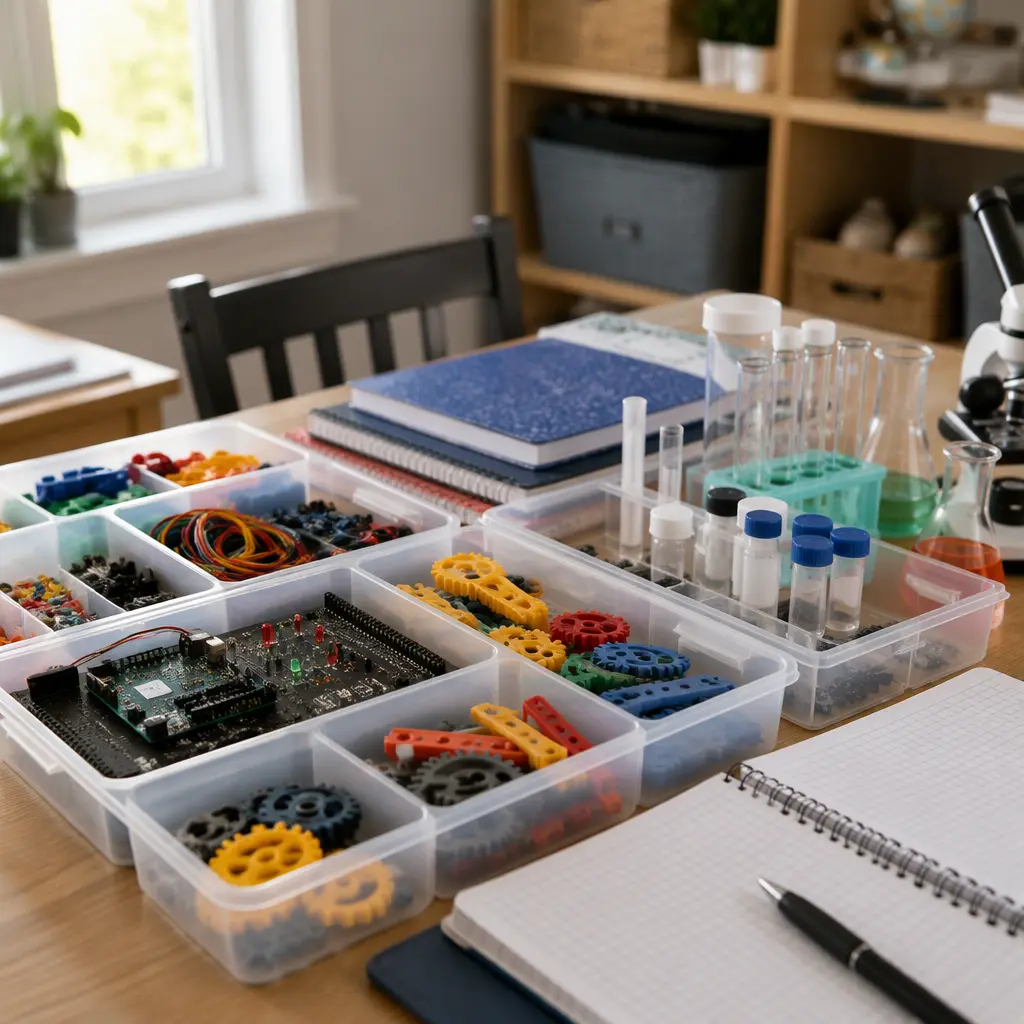
Creator-backed STEM kits tend to focus on excitement, presentation and community participation. These kits may include coding projects, build challenges, digital content or themed experiments inspired by online personalities. The biggest advantage is motivation. Tweens who already follow makers, streamers or science creators may engage more deeply because the kit feels current and socially relevant. Some connected kits also introduce useful skills such as beginner coding, electronics or digital design. However, the long-term value varies widely. Certain kits rely heavily on apps or online video content, and some lose appeal once the guided project is complete. If replacement parts are proprietary, refill costs can become frustrating.
Classic science kits from long-established educational brands often look less flashy but may offer better durability and replay value. Many focus on core concepts such as chemistry reactions, circuits, mechanics or microscopes with reusable equipment and printed manuals. These kits usually work well for children who enjoy experimenting independently without needing constant online interaction. They also tend to remain useful longer because they are less tied to changing apps or trends. The trade-off is that some older-style kits can feel repetitive or heavily scripted, especially for tweens already used to fast-paced digital content. Parents looking for quieter, more screen-free learning often prefer these traditional sets, while highly social or tech-focused tweens may find them less exciting.
- Creator-style STEM kits suit tweens motivated by online culture, coding, customization and guided digital projects.
- Classic science kits suit tweens who enjoy hands-on experiments, repeat testing and screen-free learning.
- Engineering and electronics kits usually create less mess than chemistry or slime-based kits.
- App-connected kits may require device compatibility checks, account setup and ongoing updates.
- Traditional kits often store more easily and stay usable even after trends change.
Frequently asked questions
Do creator-backed STEM kits actually teach real skills?
Some do. Kits involving coding, robotics, electronics or structured engineering can teach useful problem-solving and technical basics. The quality depends on whether the activities encourage experimentation and understanding or simply guide children through preset steps for quick visual results.
Are classic science kits outdated compared with app-connected sets?
Not necessarily. Many traditional science concepts remain highly engaging for tweens when presented clearly. A well-designed circuit, chemistry or engineering kit can still provide strong educational value without requiring screens or updates. The experience simply feels different from creator-led digital projects.
Which type usually lasts longer?
Classic kits with reusable tools and standard components often hold up better over several years. Creator-style kits sometimes depend on apps, cloud features or online communities that may change over time. Durability also depends on storage quality and how many disposable materials are included.
Are refill packs worth budgeting for?
It depends on the type of kit. Chemistry, crystal-growing and slime projects usually consume materials quickly. Engineering and electronics kits often provide more replay value because the same parts can be rebuilt into different projects. Checking refill availability before purchase can prevent disappointment later.
What if a tween loses interest quickly?
Open-ended kits generally keep attention longer than single-outcome projects. Look for sets that allow multiple builds, experiments or modifications instead of one finished result. Tweens who enjoy creating their own ideas often stay engaged longer with flexible engineering or maker-style kits.
For most families, the strongest choice is the kit style that matches how the child actually likes to learn. Creator-backed STEM kits can boost motivation and make technical topics feel modern and social, while classic science kits often provide steadier long-term value and less dependence on screens or subscriptions. Checking durability, refill costs, storage needs and offline usefulness before buying usually matters more than choosing the trendiest box on the shelf.