Creator-Backed STEM Kits: Worth It or Just Hype?
A practical guide to viral STEM maker kits for ages 9–12, covering build quality, educational value, refill costs, screen use, and whether creator branding adds anything useful.
Compare prices and availability
Check current prices and availability for this guide on eBay.
As an eBay Partner, we may be compensated if you make a purchase.
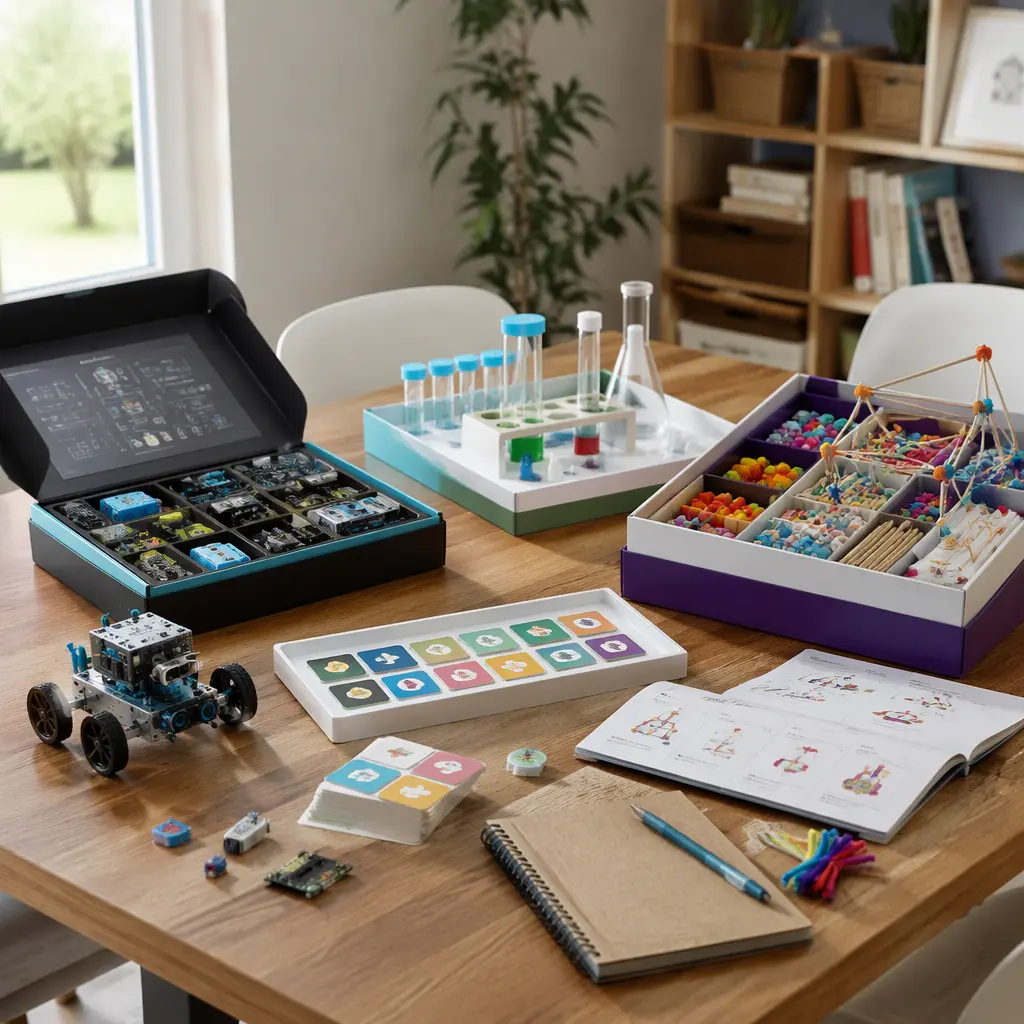
Creator-backed STEM kits are everywhere on social media, often promoted by science communicators, engineers, gamers or educational influencers. Some genuinely encourage problem-solving and long-term curiosity. Others rely more on branding and unboxing appeal than meaningful learning. For parents shopping for children aged 9–12, the main question is usually not whether a kit looks exciting, but whether it will still be used after the first weekend. Durability, refill costs, supervision needs and how much independent play the kit supports tend to matter more than viral popularity.
What to look for
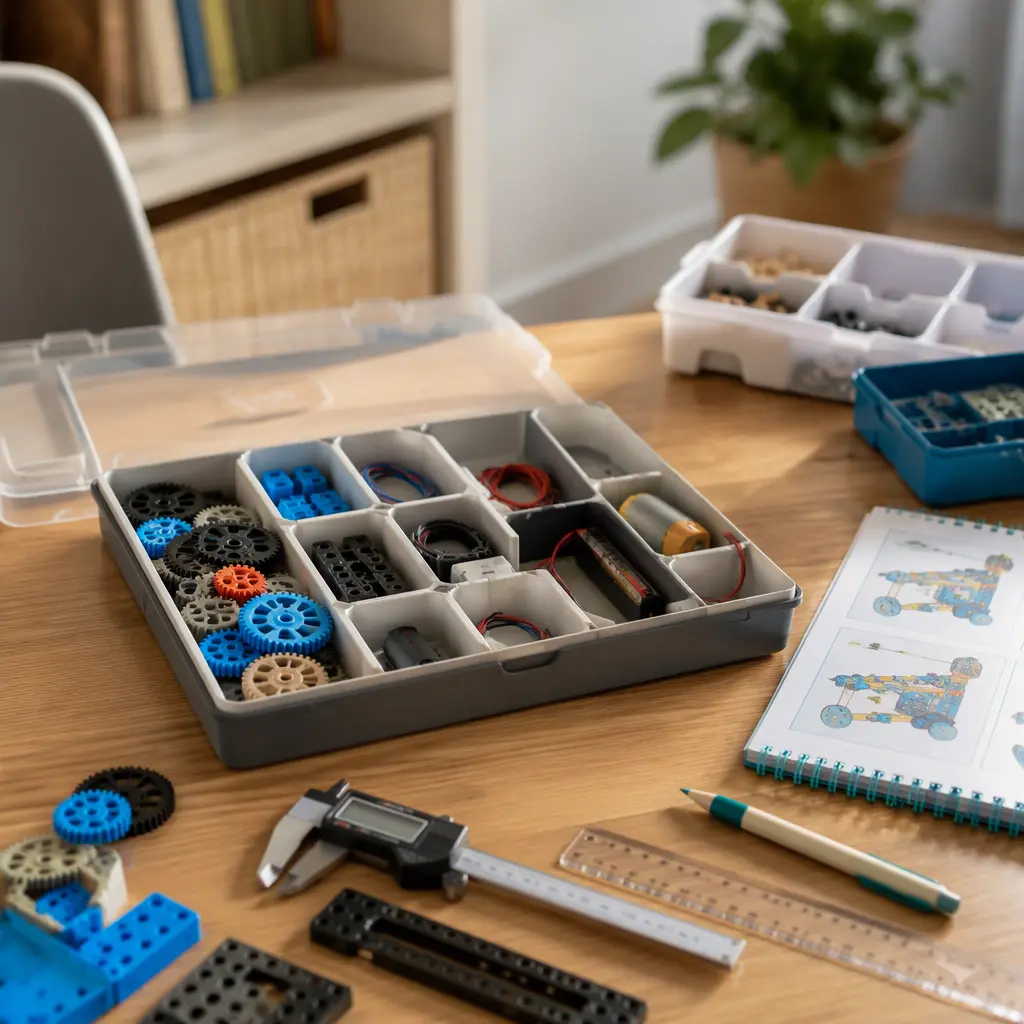
The strongest STEM kits balance fun with repeat use. A flashy experiment can hold attention for a day, but children in the 9–12 range often benefit more from kits that encourage modifications, rebuilding or open-ended challenges. Creator-backed products sometimes include better video tutorials or active online communities, which can help children stay motivated. That support can also create dependence on apps, subscriptions or online content, so it is worth checking how useful the kit remains without internet access.
- Look for reusable components rather than one-time experiments that need constant refill packs.
- Check whether replacement materials are easy to source outside the brand ecosystem.
- See if the instructions encourage experimentation instead of only copying fixed builds.
- Consider storage size and cleanup, especially for chemistry, slime or electronics kits.
- Battery requirements and device compatibility can add hidden ongoing costs.
- Video-led instruction can help reluctant readers, but some kits become difficult to use if videos disappear later.
- Plastic connectors, motors and hinges are common weak points in cheaper engineering kits.
Age suitability
The 9–12 age range is broad enough that confidence and attention span matter as much as the stated age label. Younger children in this group often do best with guided engineering kits, snap-together electronics or structured coding games. Older children may prefer robotics, programmable devices or maker projects that leave room for customization. Kits aimed at teenagers can frustrate younger users if too much adult help is required. On the other hand, overly simplified kits may feel repetitive for children who already enjoy science clubs, LEGO Technic, Minecraft engineering or beginner coding.
Options compared
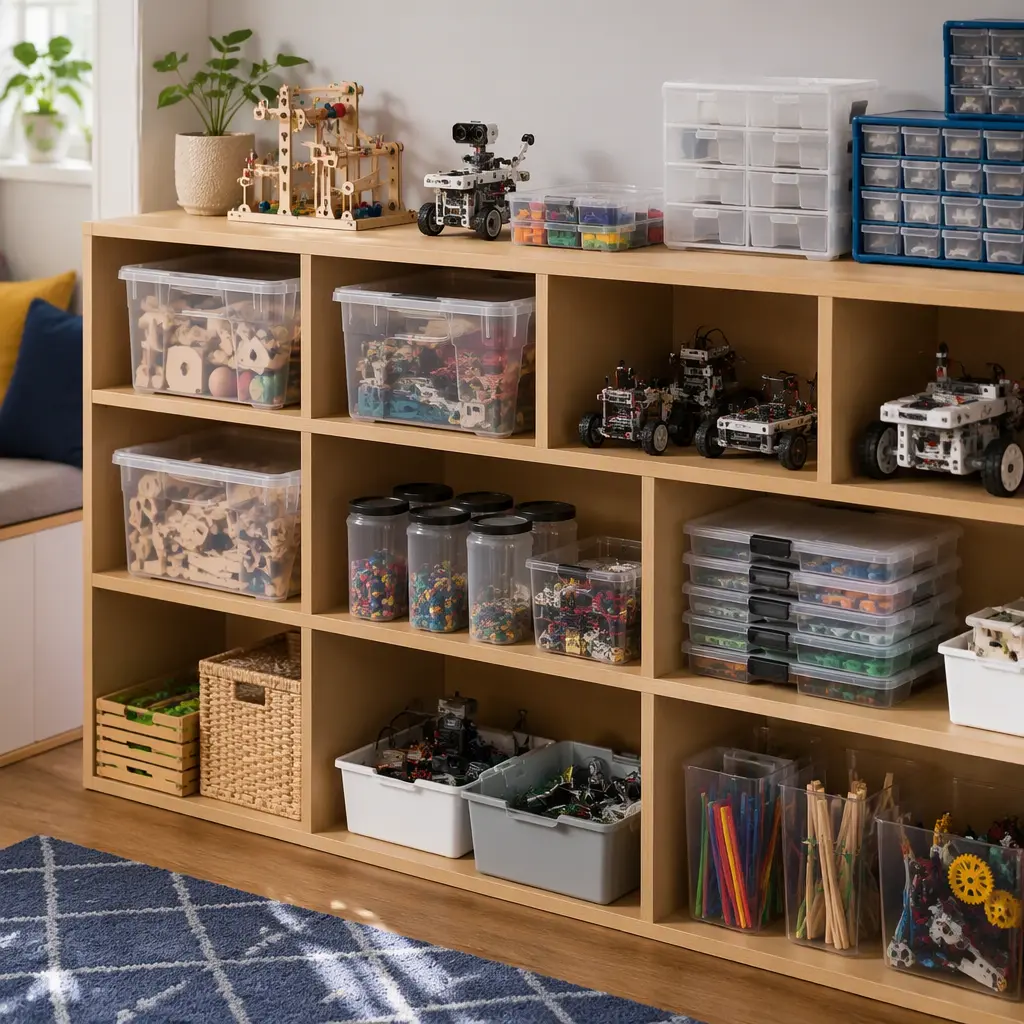
Engineering and robotics kits usually offer the best long-term replay value for this age group. Children can rebuild projects repeatedly, combine parts in new ways and gradually learn mechanical or coding concepts. These kits tend to cost more upfront and may involve apps or tablets, but they often avoid the refill problem seen with chemistry or craft kits. Parents should still check whether coding features rely on cloud services or ongoing subscriptions. Some creator-backed robotics kits mainly repackage existing systems with branded tutorials rather than adding new hardware.
Science experiment kits are often the most visually exciting on social media because they produce dramatic reactions or quick results. They can work well for children who enjoy guided activities and shorter projects, but many become expensive over time once consumables run out. Refill packs sometimes cost nearly as much as smaller starter kits. Mess level also varies widely. Crystal-growing, slime-making and chemistry sets may need protected surfaces, sink access and careful storage. For families wanting lower-maintenance options, physics puzzles, marble runs and electronics snap-circuit systems usually create less cleanup and more repeat use.
- Robotics and coding kits: best for children who enjoy problem-solving and extended projects; often higher cost and screen use.
- Engineering build kits: good balance of creativity and replay value; storage space can become an issue.
- Chemistry and reaction kits: exciting short-term engagement; ongoing refill costs and supervision needs are common.
- Electronics kits with snap circuits: easier independent use and lower mess; may feel repetitive for advanced learners.
- Creator-branded maker kits: community tutorials can help motivation, but educational depth varies widely between brands.
Frequently asked questions
Do creator-backed STEM kits teach more than regular science toys?
Sometimes, but not automatically. The strongest creator-backed kits usually provide clearer explanations, better project progression and active learning communities. Others mainly add personality-driven marketing to fairly standard activities. Looking at the complexity of the projects and whether children can extend them independently is often more useful than focusing on the creator name.
Are app-connected STEM kits worth it?
App support can make coding and robotics easier for beginners, especially through visual instructions and drag-and-drop programming. The trade-off is long-term dependence on software support and device compatibility. Parents may want to check whether the toy still functions in a meaningful way if the app is discontinued or unavailable.
What hidden costs should parents expect?
Common extra costs include refill materials, batteries, subscription content, replacement parts and compatible tablets or laptops. Some kits also encourage expansion purchases to unlock more complex projects. Looking beyond the starter box can give a clearer picture of total cost over time.
Which STEM kits work best for independent play?
Children around 9–12 often manage snap-circuit electronics, engineering systems and beginner robotics kits independently once setup is complete. Chemistry and advanced coding kits typically require more supervision or troubleshooting. Clear printed instructions generally support independent use better than video-only tutorials.
How can parents tell if a STEM kit will last?
Reusable parts, open-ended projects and durable connectors are good signs. Kits built around a single surprise experiment or social media trend often lose appeal quickly. It also helps to check whether replacement components are sold separately and whether the toy encourages children to invent their own builds.
A well-chosen STEM kit can support creativity, persistence and practical problem-solving long after the packaging is opened. The strongest options for ages 9–12 usually combine durable materials, flexible projects and enough challenge to grow with the child. Creator involvement can add useful teaching support and community interest, but the long-term value still comes from how much children can explore, rebuild and experiment on their own.