Connected STEM Kits With UK-Friendly Return Policies
A parent-focused guide to connected STEM kits for ages 9–12, covering app dependence, subscriptions, replacement parts, offline play and UK retailer return policies before you buy.
Compare prices and availability
Check current prices and availability for this guide on eBay.
As an eBay Partner, we may be compensated if you make a purchase.
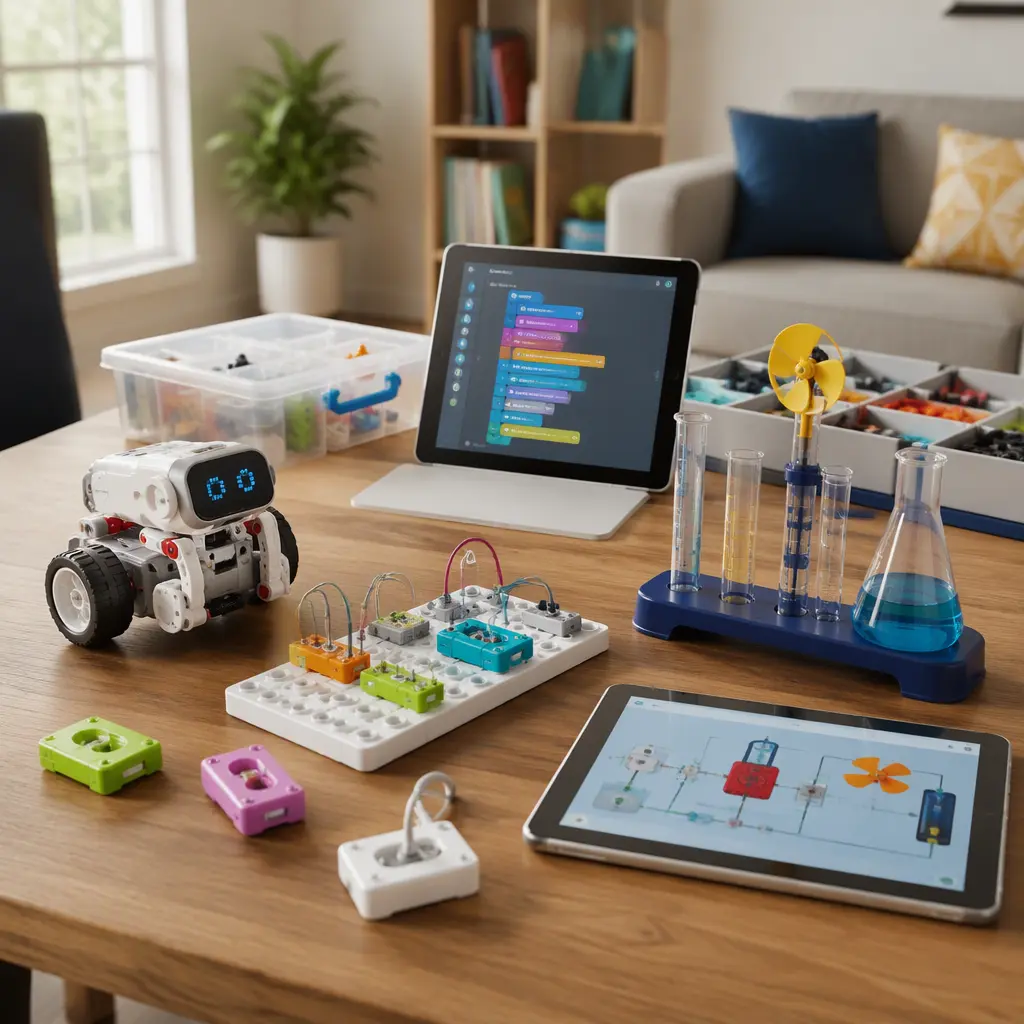
Connected STEM kits combine hands-on building with apps, coding platforms or online features, aiming to make science and engineering more interactive for older children. For ages 9–12, these kits can hold attention longer than purely offline toys because they add guided challenges, programmable behaviour or digital feedback. The trade-off is that parents also need to think about app support, account requirements, subscriptions and how useful the kit remains if the connected features stop working. Return policies matter more with connected toys than with traditional building sets because compatibility problems, damaged sensors or disappointing software experiences are common reasons families decide a kit is not the right fit.
What to look for
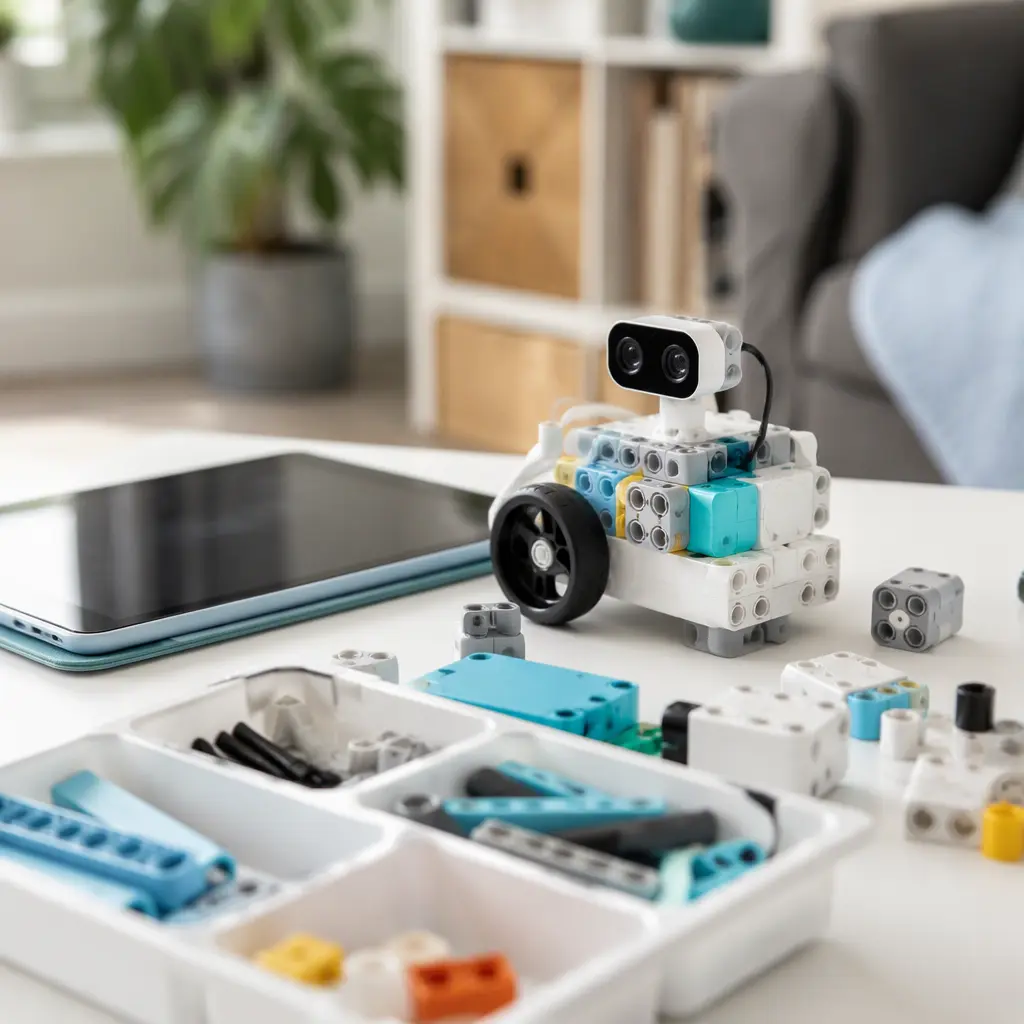
The biggest difference between connected STEM kits is how much of the experience depends on an app or cloud service. Some kits use tablets or phones only for setup and coding, while others require a constant internet connection or paid access to lessons. Parents should also check whether replacement parts are easy to obtain because sensors, motors and cables are more vulnerable to wear than ordinary construction toys. UK-based retailers and established educational brands often provide clearer support policies and easier returns than marketplace sellers shipping from overseas.
- Check whether the kit works offline after setup or needs constant app access.
- Look for clear compatibility information for iPad, Android tablets, Chromebooks or Windows devices.
- Review whether coding lessons or advanced projects are locked behind subscriptions or credits.
- Check if replacement motors, sensors, batteries or structural parts are sold separately.
- Look at retailer return windows and whether opened electronics can still be returned if faulty.
- Consider storage space because many robotics kits include small parts, wires and charging accessories.
- Think about noise levels if the kit includes motors, speakers or robotic movement.
- Choose systems with expandable projects if your child is likely to continue coding or engineering hobbies.
Age suitability
Most connected STEM kits aimed at ages 9–12 expect children to follow multi-step instructions independently and use basic reading skills inside apps or coding platforms. Younger children within this range often do better with visual block coding and snap-together electronics, while older children may prefer robotics, programmable microcontrollers or engineering-focused kits with open-ended challenges. Some kits marketed to this age group still require substantial adult troubleshooting during setup, particularly if Bluetooth pairing, Wi‑Fi connections or software updates are involved. Families looking for lower-maintenance options may prefer kits that include a physical instruction book and meaningful offline play instead of app-led experiences only.
Options compared
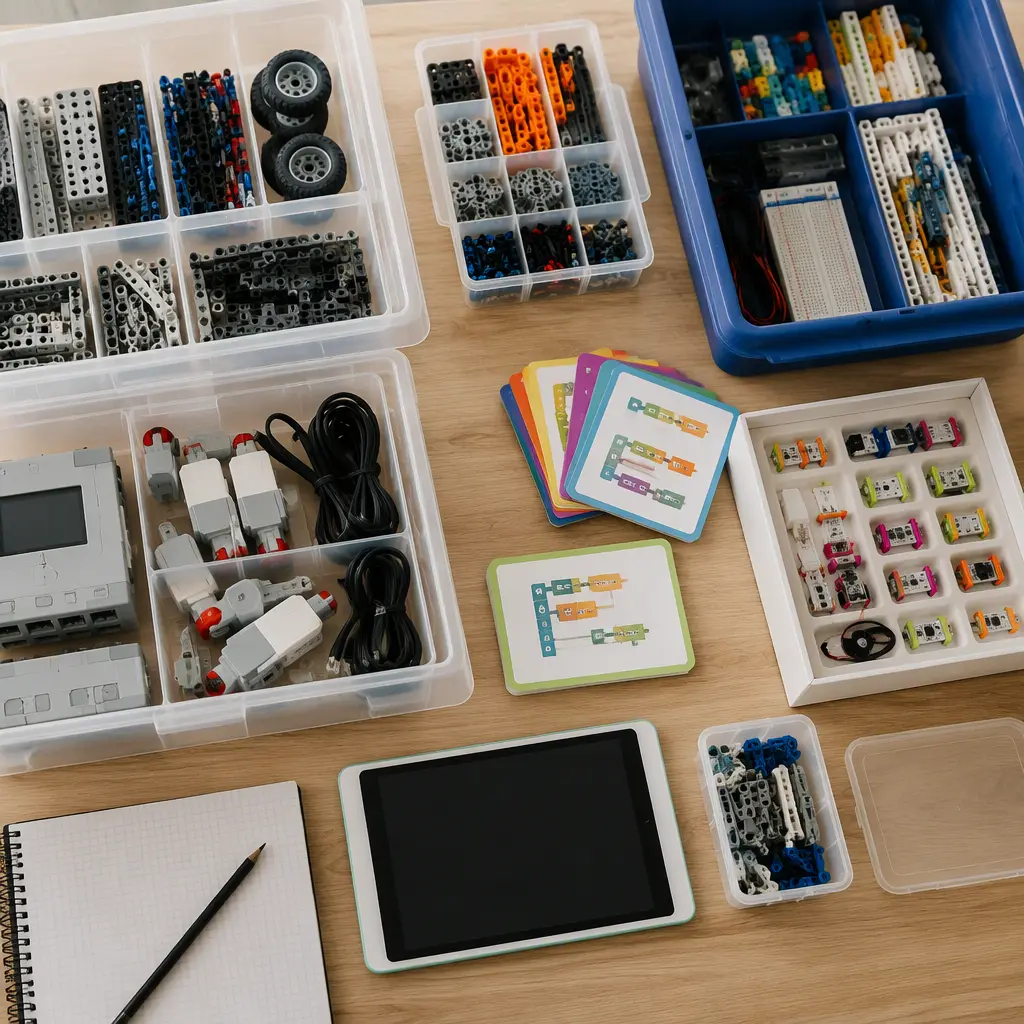
Coding robots such as Sphero, LEGO Education and similar programmable systems are popular because they blend physical movement with coding challenges. These tend to work best for children who enjoy experimentation and problem-solving rather than step-by-step science demonstrations. App dependence varies significantly. Some robots continue to function with downloaded coding tools even when offline, while others rely heavily on cloud-linked lessons or account-based progress tracking. Battery charging, Bluetooth reliability and replacement wheels or sensors are common long-term considerations.
Electronic circuit kits from brands such as littleBits or app-connected circuit systems usually suit children interested in invention and engineering rather than competitive gaming-style coding. Many provide stronger offline value because the physical building remains usable even if the app becomes outdated. However, app-connected science kits focused on augmented reality or guided experiments can become far less useful if software support ends. Subscription-linked coding platforms may offer excellent structured learning but can frustrate families expecting a one-time purchase. Before buying, it is worth checking whether the kit still provides enough standalone activities without ongoing payments.
- Robotics kits: best for coding-focused children who enjoy active experimentation and repeat challenges.
- Electronic circuit kits: good for hands-on engineering with lower dependence on screens after setup.
- Science lab kits with apps: suited to guided learners but often more dependent on continued software support.
- Microcontroller systems: stronger long-term learning potential for older tweens but steeper setup requirements.
- Subscription-based platforms: useful for structured lessons but less appealing for families wanting open-ended play without recurring costs.
Frequently asked questions
Are connected STEM kits useful without subscriptions?
Some are, and some are not. Robotics and electronics kits often retain core building and coding functions without paid content, while certain learning platforms place advanced lessons, project libraries or multiplayer features behind subscriptions. Parents should check whether the included activities feel complete on their own.
What should UK parents know about return policies?
Large UK retailers typically provide clearer return processes than overseas marketplace sellers, especially for faulty electronics. Return windows vary, and opened software-linked products may have different conditions. Checking whether the retailer handles defective electronics directly or redirects customers to the manufacturer can save time later.
Do these kits require constant internet access?
Not always. Many coding robots and electronics kits only need internet access for app downloads, updates or account setup. Others stream lessons or save progress online, making them less useful during travel or in homes with limited connectivity.
How important is replacement-part support?
It matters more with connected STEM kits than with standard construction toys because motors, sensors and cables can fail or get misplaced. Brands that sell replacement parts separately can extend the usable life of a kit and reduce frustration if a single component breaks.
Are connected STEM kits educational enough to justify the higher cost?
That depends on how often the child revisits the kit after the guided activities are finished. Open-ended systems that encourage experimentation, coding changes or custom builds generally provide longer-lasting value than kits built around a short sequence of scripted tasks.
For most families, the strongest connected STEM kits are the ones that still offer meaningful hands-on play when the app is closed. Clear device compatibility, reliable replacement-part support and retailer-friendly returns are often more important than having the newest AI-powered features. Comparing those practical details before buying can help avoid expensive disappointments and make the kit easier to use over time.