Luka AI Cube vs Reading Apps for Early Readers
A parent-focused comparison of the Luka AI Cube and tablet reading apps for ages 3–5, covering privacy, pronunciation help, screen time, subscriptions and offline usefulness.
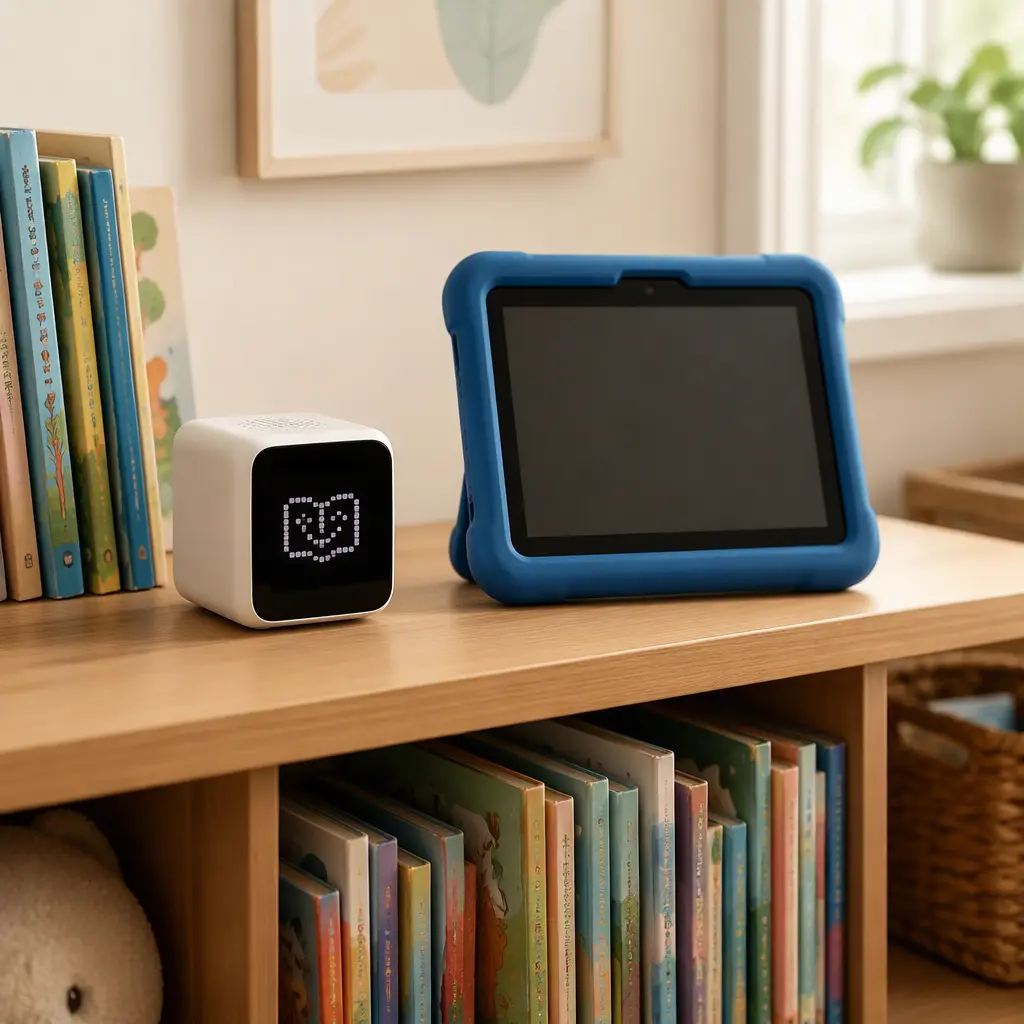
Compare prices and availability
Check current prices and availability for this guide on eBay.
As an eBay Partner, we may be compensated if you make a purchase.
Parents choosing between the Luka AI Cube and tablet-based reading apps are often balancing two different goals: helping a young child build confidence with books while also managing screen time, privacy and household practicality. The Luka AI Cube is a dedicated reading gadget designed to interact with physical books using cameras and AI-powered recognition, while reading apps on tablets or phones usually combine digital books, read-aloud narration and interactive activities on a touchscreen. For children aged 3–5, the better choice depends less on which option feels more advanced and more on how your family reads at home, how much supervision you want to provide and whether connected features genuinely improve the experience.
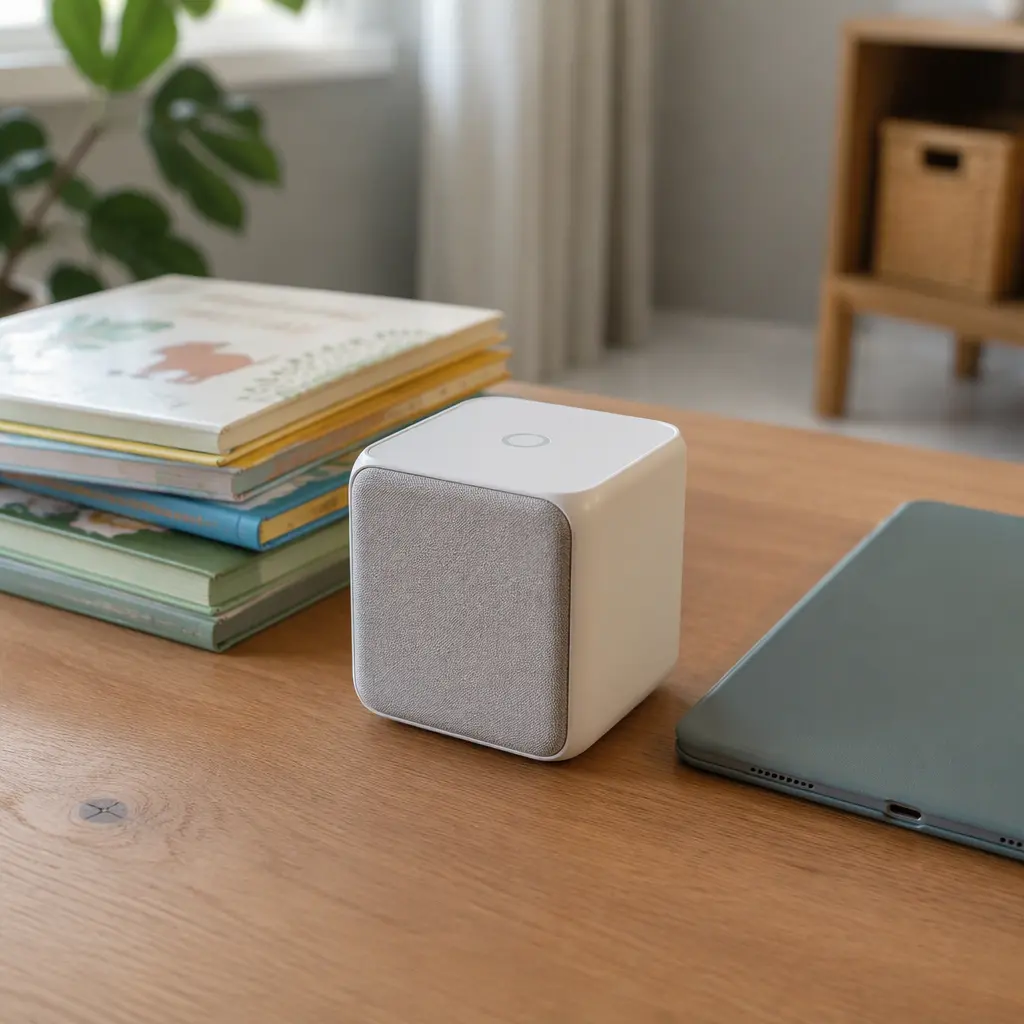
What to look for
Early reading tools for preschoolers work best when they reduce frustration rather than adding complexity. Dedicated devices like the Luka AI Cube aim to keep children focused on printed books with audio support, while reading apps usually add animations, games and touchscreen interaction. Some children stay engaged longer with apps, but others become distracted by menus, notifications or unrelated content on the same device.
- Check whether the device or app works offline or depends heavily on cloud services and internet access.
- Look for clear parental controls, especially if microphones, cameras or app accounts are involved.
- Consider pronunciation support: some tools simply read aloud while others pause for interaction or word recognition.
- Think about supervision needs. Tablets may require closer monitoring because children can leave the reading app.
- Review compatibility with books. The Luka AI Cube works with selected printed books rather than every title.
- Factor in ongoing costs such as subscriptions, content libraries or credit systems for AI features.
- Consider storage and durability. A dedicated reading gadget may survive drops better than a household tablet.
- Pay attention to noise levels. Repeated sound effects and narration can become tiring in shared spaces.
Age suitability
For ages 3–5, both categories are usually aimed at pre-readers and early language learners rather than independent readers. Younger preschoolers often respond well to physical books paired with audio interaction because turning pages and pointing to illustrations supports attention and comprehension. Dedicated gadgets like the Luka AI Cube may suit families trying to delay broader tablet use while still offering pronunciation help and read-aloud support. Tablet reading apps can work well for children already comfortable navigating touchscreens or for families wanting a wider range of digital books in one place. However, many apps are designed for a broad age range, so parents may need to disable extra games or overstimulating features for younger children.

Options compared
The biggest difference between the Luka AI Cube and standard reading apps is the role of the physical book. The Luka AI Cube is built around printed books and uses cameras and AI recognition to identify pages and trigger narration or interaction. That creates a more book-focused experience that can feel closer to traditional reading time. For parents trying to reduce general screen exposure, this is often the main attraction. Children still interact with technology, but they spend more time looking at paper pages instead of an animated display.
Tablet reading apps take the opposite approach. They usually place the entire experience on-screen, combining narration, highlighted words, sound effects and interactive elements. This can support pronunciation and word recognition effectively, especially for children who enjoy fast feedback and colorful visuals. The trade-off is that tablets also create more opportunities for distraction. Even when a reading app itself is well designed, children may move toward videos, games or notifications unless the device is tightly managed.
- Luka AI Cube and similar dedicated readers: best for families prioritizing physical books, lower screen exposure and simpler child access. Less useful if you want unrestricted book choice or extensive digital libraries.
- Tablet reading apps: useful for broad content access, portability and interactive learning features. Less suitable for households trying to limit touchscreen time.
- AI-powered reading support: may help with pronunciation and engagement, but parents should expect varying accuracy depending on accents, book compatibility and internet dependence.
- Offline usefulness: dedicated devices sometimes retain core reading functions without constant connectivity, while many apps require downloads, accounts or ongoing internet access for full features.
- Privacy considerations: tablets often collect app analytics and account data, while AI reading gadgets may additionally rely on cameras or cloud recognition systems.
- Budget considerations: a dedicated device can involve a higher upfront purchase, while apps may spread costs through subscriptions or in-app purchases over time.
Frequently asked questions
Does the Luka AI Cube replace reading with a parent?
No reading gadget fully replaces shared reading time. Devices and apps can support pronunciation, repetition and independent exploration, but young children still benefit most from conversation, questions and emotional interaction during reading. Many families use these tools as supplements rather than substitutes.
Are reading apps better for learning phonics?
Some reading apps include structured phonics activities, word games and progress tracking that dedicated reading gadgets may not provide. However, preschoolers can become distracted by excessive animations or rewards. A simpler tool sometimes keeps the focus on listening and page-following instead of tapping through activities.
Do AI reading gadgets work without Wi‑Fi?
That depends on the manufacturer’s setup. Some AI reading devices can perform basic playback and book recognition offline after initial setup, while others depend more heavily on cloud services for updates or recognition features. Parents should check whether core functions continue during internet outages.
What privacy issues should parents consider?
Devices with cameras or microphones may process images, voices or usage data to deliver AI features. Parents should review what information is stored, whether accounts are required and how long the company plans to support the device and companion apps. Long-term support matters because connected toys can lose functionality if services shut down.
Which option travels more easily?
Tablets are usually more compact because they store many books digitally, making them convenient for flights or waiting rooms. A dedicated reading gadget may require carrying compatible physical books, though some parents prefer this because it avoids handing over a full entertainment device during travel.
For most families with children aged 3–5, the choice comes down to whether you want technology to support printed books or replace them with a fully digital reading environment. The Luka AI Cube and similar devices may appeal to parents seeking a narrower, book-centered experience with fewer general screen distractions. Tablet reading apps offer wider content libraries and interactive learning tools but usually require more active management around privacy, subscriptions and screen habits. Neither option automatically creates a stronger reader on its own, but the right fit can make reading practice easier to maintain consistently at home.