Intro Robotics Toys That Teach Mechanics, Not Coding
A parent-focused guide to robotics toys for ages 9–12 that teach gears, motors, and motion—without screens or software. Learn what to look for, age fit, safety tips, and common questions.
Compare prices and availability
Check current prices and availability for this guide on eBay.
As an eBay Partner, we may be compensated if you make a purchase.
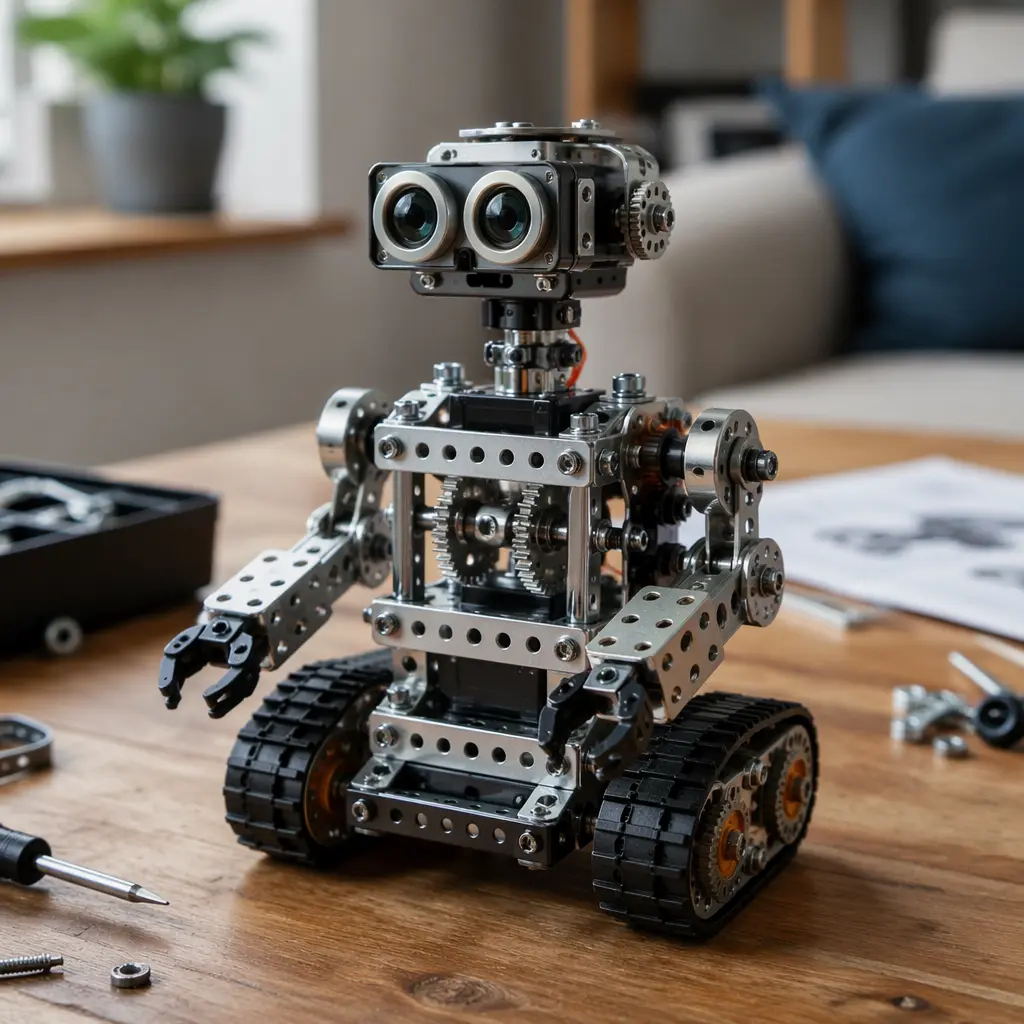
Not every robotics toy needs a tablet or a block of code. For kids ages 9–12, build-and-move robotics kits that focus on mechanics can be a clear, hands-on way to learn how machines work. These toys emphasize gears, motors, levers, and power transfer—helping kids see cause and effect as they build, adjust, and test real moving parts.
What to look for
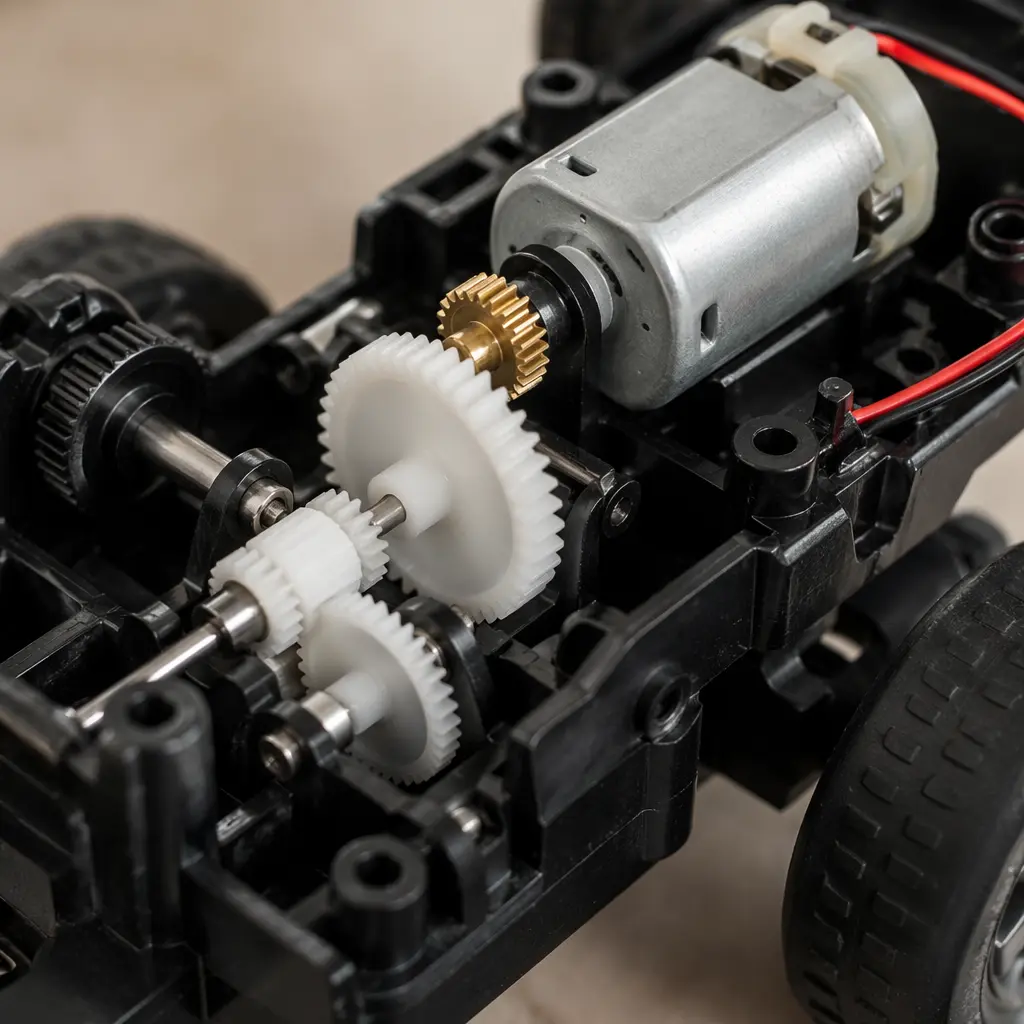
Mechanics-first robotics toys vary widely, but strong options share a few core traits. The goal is to help kids understand motion and structure without relying on screens or apps.
- Visible mechanisms: Exposed gears, belts, cams, or linkages let kids see how movement is transferred.
- Simple power sources: Battery packs, hand cranks, or wind-up systems keep the focus on physical motion.
- Build complexity with guidance: Clear instructions that explain why steps matter, not just how to follow them.
- Sturdy materials: Metal or reinforced plastic parts that can handle repeated rebuilding.
- Adjustability: Parts that can be rearranged to change speed, direction, or strength of movement.
Age suitability
For ages 9–12, mechanical robotics toys should strike a balance between challenge and independence. At this stage, many kids can follow multi-step instructions, use small tools, and troubleshoot basic problems. Kits that are too simple may feel limiting, while very complex builds can cause frustration without adult help. Look for sets that allow successful first builds and then encourage experimentation once the basics are mastered.
Standout categories or types
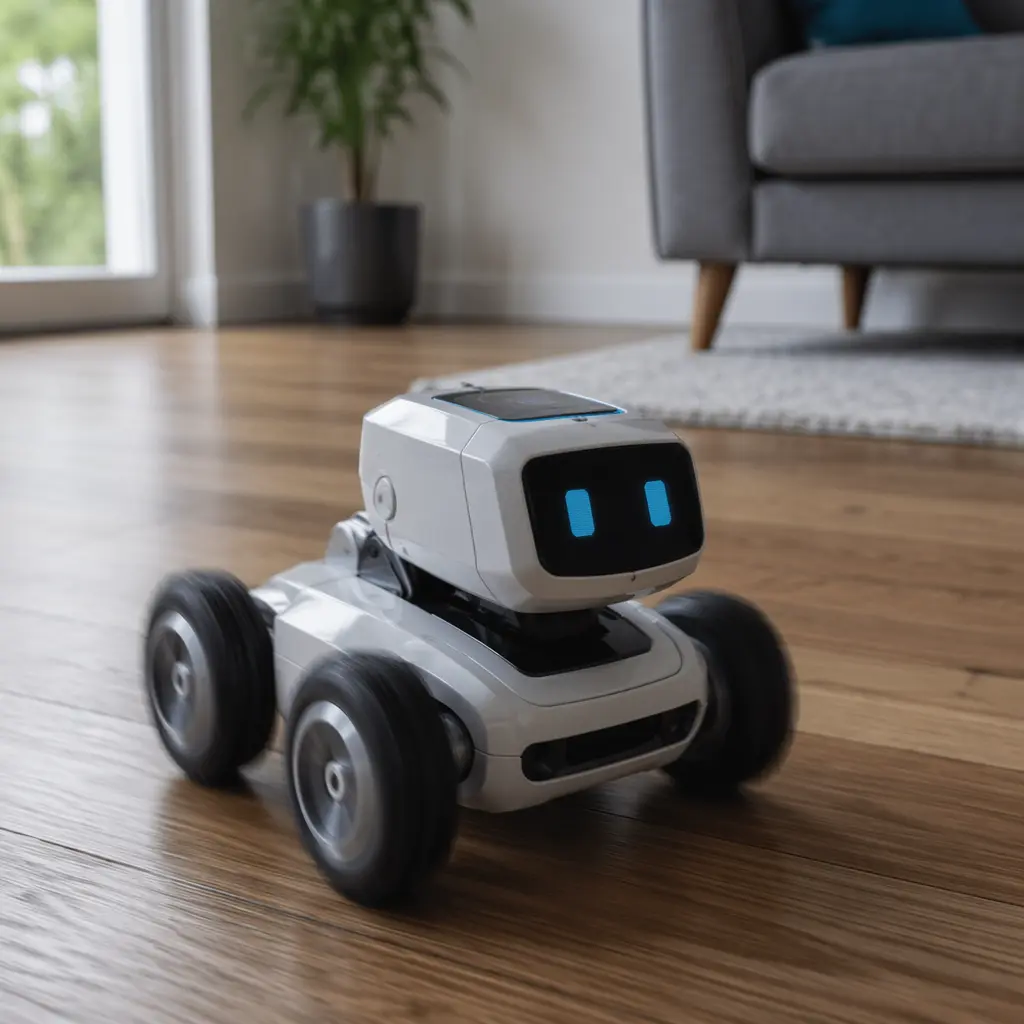
Screen-free robotics toys tend to fall into a few broad categories, each highlighting different mechanical ideas. Choosing the right type depends on how your child likes to learn and play.
- Wheeled robots: Focus on axles, gear ratios, and steering. Kids can experiment with speed and traction.
- Walking or crawling robots: Use cams and linkages to show how rotational motion becomes leg movement.
- Crane or arm builds: Emphasize levers, pivots, and load balancing rather than mobility.
- Modular construction systems: Allow multiple robot styles from the same parts, encouraging redesign and problem-solving.
Frequently asked questions
Do these toys really count as robotics without coding?
Yes. Robotics includes mechanical structure, motion, and power—not just programming. Understanding how parts move and interact is a foundation that supports later learning in electronics or coding.
Will my child get bored without a screen or app?
Many kids enjoy the hands-on challenge of building and testing physical systems. Toys that allow rebuilding or modification tend to hold attention longer than one-time builds.
How much adult help is usually needed?
Most children in this age range can complete basic builds independently after an initial walkthrough. Adult help is most useful for troubleshooting or explaining why a design works—or doesn’t.
Are these toys good preparation for later STEM learning?
They can be. Mechanical reasoning, spatial awareness, and problem-solving are all skills that support later studies in engineering, physics, and technology.
For families looking to introduce robotics without jumping straight into software, mechanics-based toys offer a clear, tangible starting point. By focusing on movement and structure, these kits help kids build confidence with real-world engineering ideas—one gear and axle at a time.