Offline STEM Toys for Kids Who Love Secret Codes
A parent-friendly guide to screen-free STEM toys built around secret codes, puzzles and spy play for ages 9–12, including cipher kits, logic games and practical buying tips.
Compare prices and availability
Check current prices and availability for this guide on eBay.
As an eBay Partner, we may be compensated if you make a purchase.
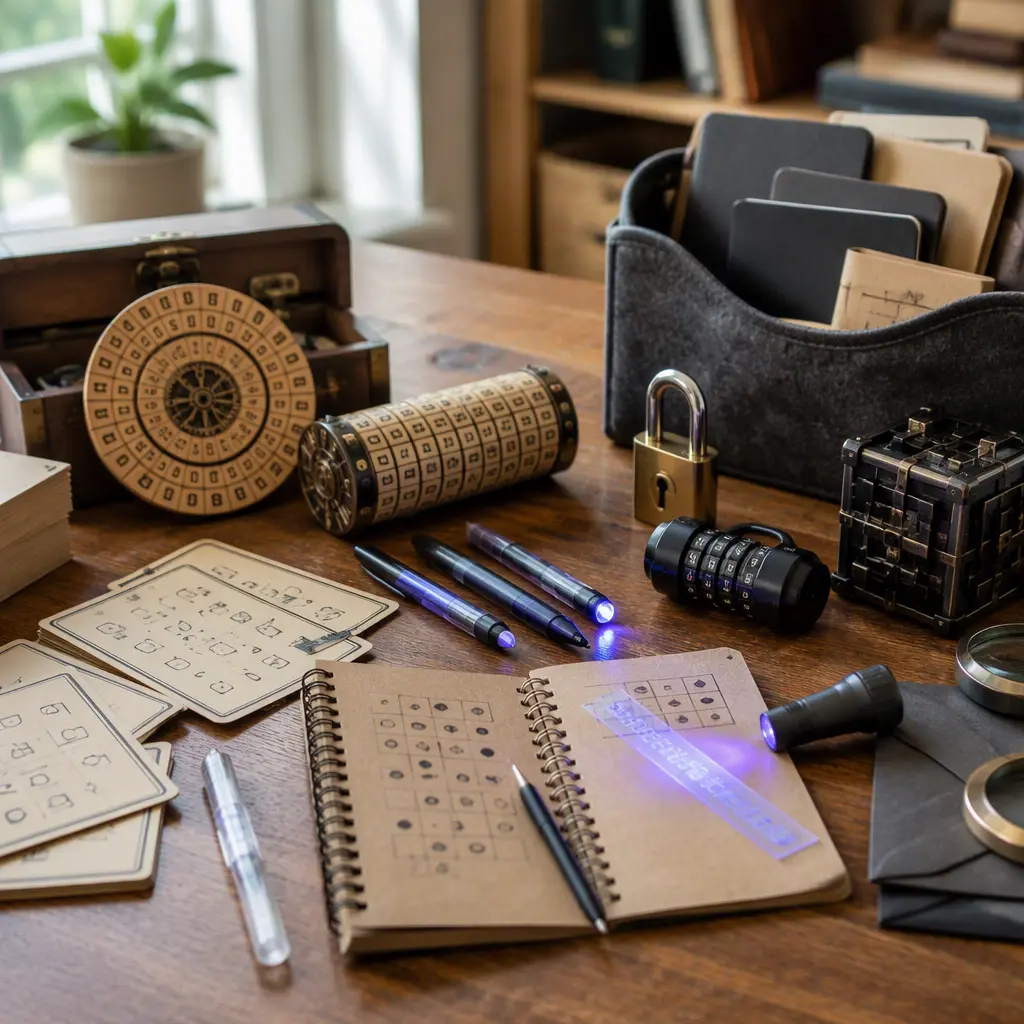
Secret-code toys can be a strong fit for children aged 9–12 who enjoy puzzles, detective stories and hands-on problem solving. Unlike many STEM products that depend on tablets or companion apps, offline code-breaking toys encourage concentration, logic and creative thinking without adding more screen time. The category is broad, though. Some sets focus on real cipher methods and puzzle solving, while others lean heavily into costume-style spy roleplay. Parents choosing between them often need to balance educational value, replayability, supervision needs and how much setup space the toy requires.
What to look for
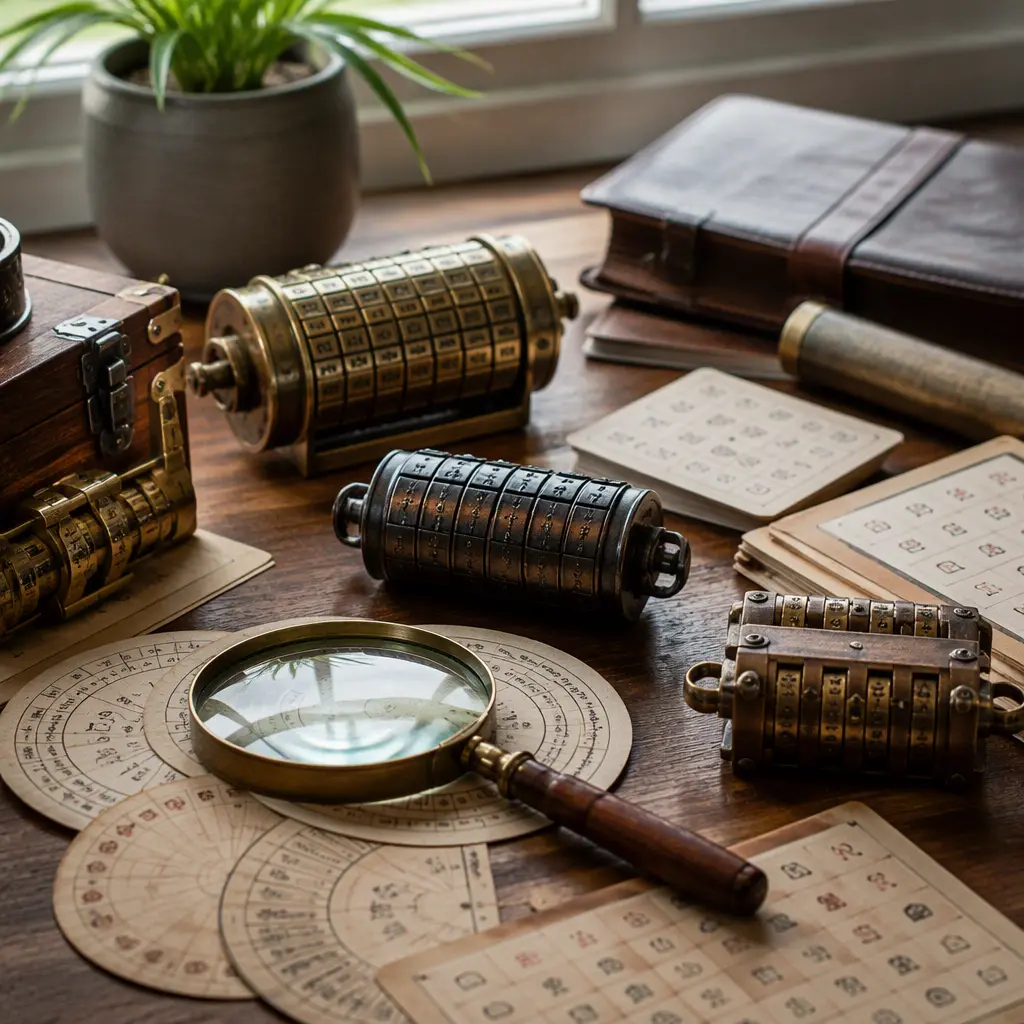
The most satisfying offline STEM code toys usually combine a clear challenge with repeat play. Children in the 9–12 age range often lose interest quickly if a toy solves itself after one session or relies on gimmicks rather than genuine logic. It helps to look for sets that allow children to create their own codes, redesign puzzles or play collaboratively with siblings and friends. Durable physical pieces also matter because many spy-themed kits include small plastic accessories that can break or disappear during regular use.
- Look for toys that teach actual logic systems such as substitution ciphers, pattern matching, sequencing or deduction rather than only decorative spy accessories.
- Choose adjustable difficulty where possible so the toy stays engaging as skills improve.
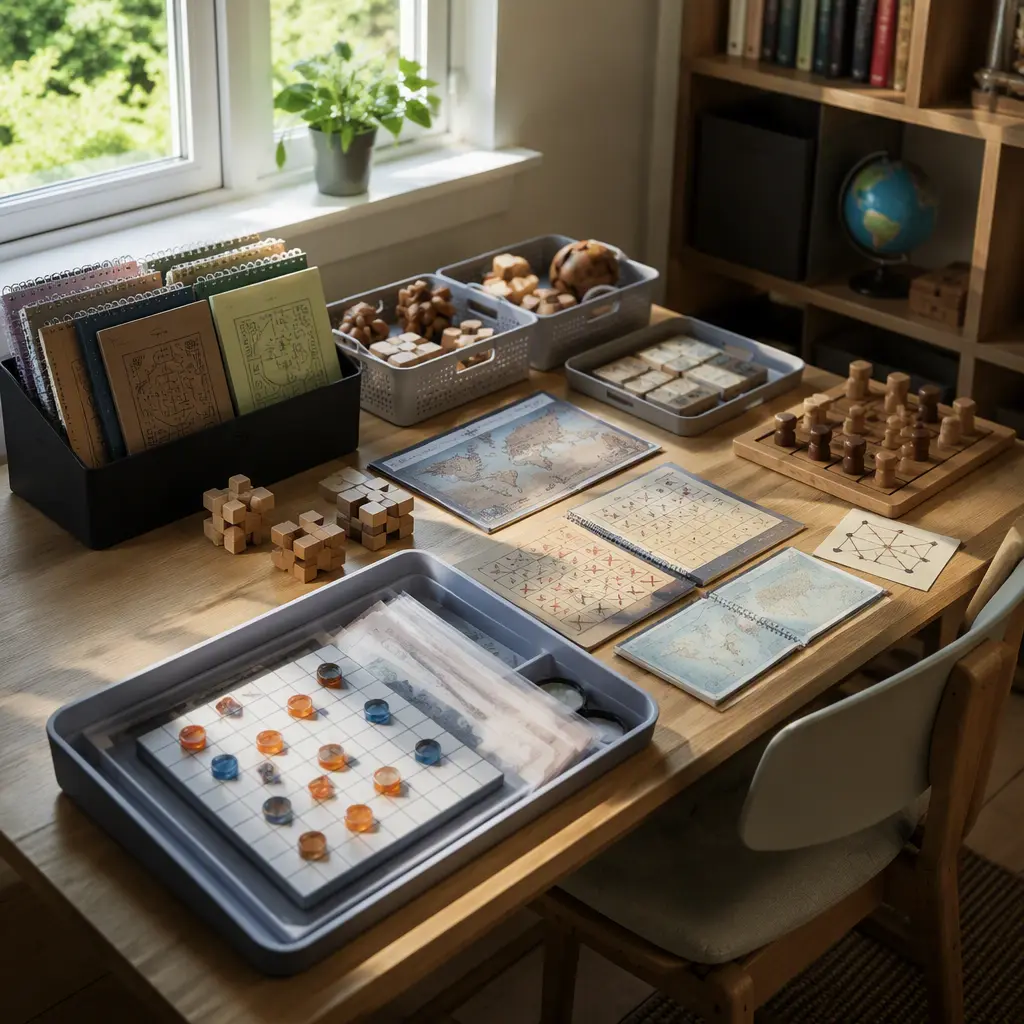
- Consider storage needs. Puzzle locks, coded cards and mini gadgets can become cluttered without a case or tray.
- Check whether refill materials are needed. Some invisible ink or paper-based kits lose value once supplies run out.
- Think about noise levels. Logic games and puzzle boxes are usually quiet, while mission-style spy kits may encourage energetic indoor play.
- Group-friendly games work well for siblings or sleepovers, while solo logic sets suit children who prefer independent challenges.
- Avoid products aimed at much younger children, since simpler secret-message toys can feel repetitive for older elementary and middle-school ages.
Age suitability
Most offline code and spy STEM toys work best from about age 9 upward because children at this stage can follow multi-step instructions, understand abstract patterns and stay engaged through trial and error. Younger children may enjoy the spy theme but struggle with more advanced cipher systems or logic grids. By ages 11–12, many children prefer toys with open-ended challenges rather than heavily scripted missions. Puzzle boxes, escape-room style games and advanced brainteasers tend to suit this older end of the range better than novelty gadgets. Parents should also consider frustration tolerance. Some children enjoy long problem-solving sessions, while others become discouraged if puzzles feel too difficult without hints.
Options compared
Cipher kits are usually the most educational option for children interested in how codes actually work. These sets may include decoder wheels, encrypted message cards and activities based on classic substitution or symbol systems. They tend to encourage reading, writing and logical sequencing, making them a good fit for children who enjoy structured challenges. They are often quieter and easier to store than larger spy-roleplay kits.
Spy-themed mission sets focus more on imaginative play. These often include invisible ink, disguises, hidden compartments or clue-hunting activities around the house. They can be highly engaging for social play and sleepovers, but the educational depth varies widely. Some are essentially costume kits with light puzzle elements, while others incorporate genuine deduction tasks. Parents in apartments or shared spaces may prefer quieter puzzle-based products over active mission games that involve running around or hiding clues.
- Logic puzzle games and escape-room boxes suit children who enjoy sustained concentration and independent problem solving. They usually offer better long-term replay value than one-time mystery sets.
- Mechanical puzzle gadgets such as cryptex-style locks or combination puzzles appeal to tactile learners and children who enjoy building or engineering concepts.
- Code-writing journals and reusable puzzle books work well for travel, car rides and quieter downtime because they create minimal mess and need little setup.
- Invisible ink and forensic-style kits are fun for imaginative children but may require replacement supplies and more supervision.
- Cooperative mystery games are useful for families wanting a shared activity instead of solo play, especially during weekends or rainy days.
- Children who become frustrated easily may prefer guided clue systems with hints rather than advanced standalone brainteasers.
Frequently asked questions
Are secret-code toys genuinely educational?
Many are, particularly those focused on logic systems, deduction and pattern recognition. Cipher activities can support problem-solving skills, sequencing and persistence. The strongest STEM-oriented products encourage children to create and solve their own coded messages rather than simply revealing prewritten answers.
Do these toys work well without screens?
Yes. Many code-breaking toys are fully offline and use physical tools such as wheels, cards, locks, notebooks and puzzle pieces. For families trying to reduce recreational screen time, this category can offer engaging alternatives that still feel modern and interactive.
Which type is best for independent play?
Logic puzzle books, puzzle boxes and standalone brainteasers are usually best for solo use because children can work through them at their own pace. Mission-style spy sets often become more enjoyable with siblings or friends involved.
Are escape-room style games suitable for this age group?
Many are appropriate for ages 9–12 if the puzzle difficulty is moderate and the themes stay family-friendly. Younger children in the range may still need occasional hints or help reading instructions, especially during longer multi-stage challenges.
What are the main downsides parents should expect?
Some kits have limited replay value once the main mystery is solved. Others include many small pieces that are difficult to organize. Spy gadgets with novelty features can also feel less educational than expected, so it helps to check whether the toy emphasizes logic and problem solving rather than only themed accessories.
Offline secret-code STEM toys can be a strong choice for children who enjoy puzzles, detective fiction and hands-on challenges. The best fit usually depends less on the spy theme itself and more on how a child prefers to play. Quiet logic games suit focused independent thinkers, while mission-based kits support imaginative social play. By choosing products with flexible difficulty, durable components and genuine puzzle-solving elements, parents can find screen-free options that stay engaging well beyond the first afternoon.