Best Offline STEM Toys for Kids Who Love Taking Things Apart
A parent-focused guide to offline STEM toys for ages 9–12 who enjoy building, dismantling and tinkering. Compare reusable parts, durability, storage needs and supervision trade-offs.
Compare prices and availability
Check current prices and availability for this guide on eBay.
As an eBay Partner, we may be compensated if you make a purchase.
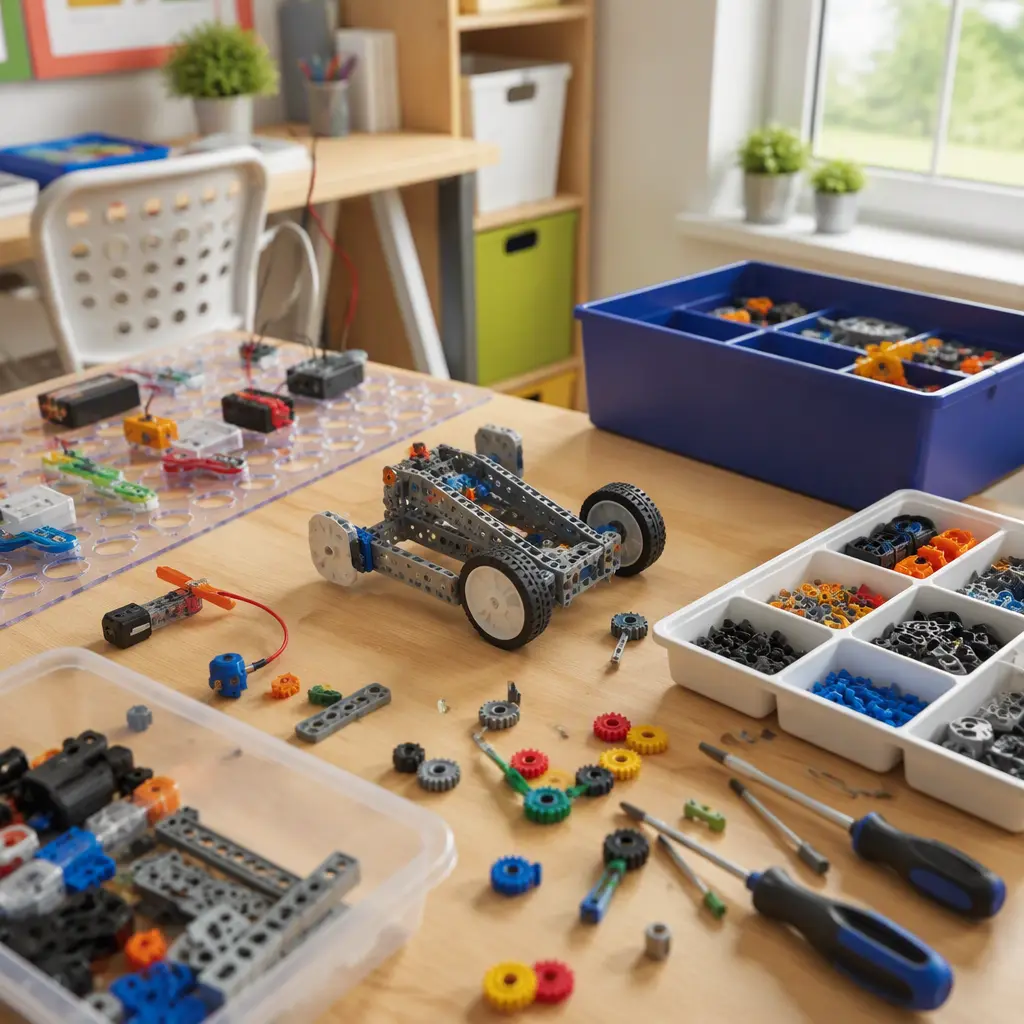
Some children are more interested in how a toy works than in the finished result. For ages 9–12, offline STEM toys that can be repeatedly taken apart and rebuilt can support problem-solving, patience and mechanical confidence without relying on apps or screens. The challenge for parents is choosing a set that survives repeated use, keeps loose parts manageable and matches a child’s maturity level. A toy that feels too simple may be abandoned quickly, while one with fragile connectors or overly complex instructions can become frustrating instead of engaging. The best options for this age group usually balance open-ended experimentation with enough structure to help children learn practical building skills.
What to look for
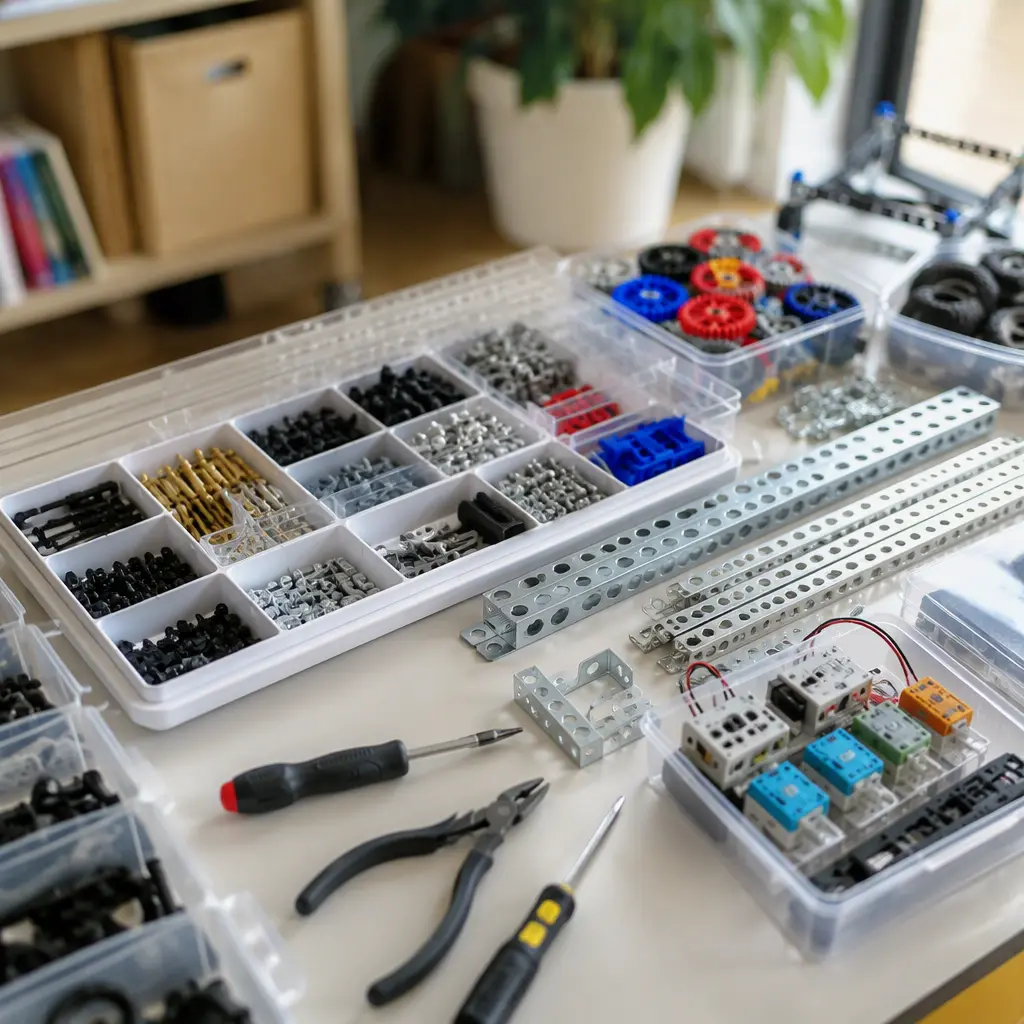
Children who enjoy dismantling toys often put more stress on components than casual builders. Durable materials, replaceable connectors and organized storage matter more than flashy features. Offline STEM toys also vary widely in how much supervision they need. Some are suitable for independent play after setup, while others involve small components, stronger magnets or beginner tool use that benefit from regular adult oversight.
- Reusable systems with standard screws, snap connectors or modular pieces are usually easier to rebuild repeatedly than single-purpose kits.
- Metal and thicker plastic parts tend to last longer for frequent assembly and disassembly than thin decorative components.
- Storage trays, divided boxes or labeled bags help reduce frustration when projects contain many small pieces.
- Manual hand-tool kits designed for children can support practical skills, but parents should check grip comfort and supervision requirements.
- Circuit kits with visible wiring and physical switches encourage hands-on experimentation without requiring apps or tablets.
- Open-ended construction systems generally suit children who improvise, while guided engineering kits may suit those who prefer step-by-step projects.
- Consider noise levels. Motorized builds, marble runs and mechanical launch systems can become loud in shared living spaces.
Age suitability
The 9–12 age range covers a wide span of attention, coordination and independence. Younger children in this group may still prefer guided builds with illustrated instructions and fewer tiny fasteners. Older tweens often enjoy experimenting beyond the instructions, combining systems or modifying designs. If a child already takes apart household items or enjoys repairing bikes, controllers or gadgets with supervision, more advanced mechanical sets may hold attention longer. Children who become discouraged easily may do better with modular snap-together systems before moving into detailed engineering kits with many small parts. Parents should also think about available workspace. Larger builds can remain unfinished for days, so compact kits with portable storage may fit better in smaller homes.
Options compared
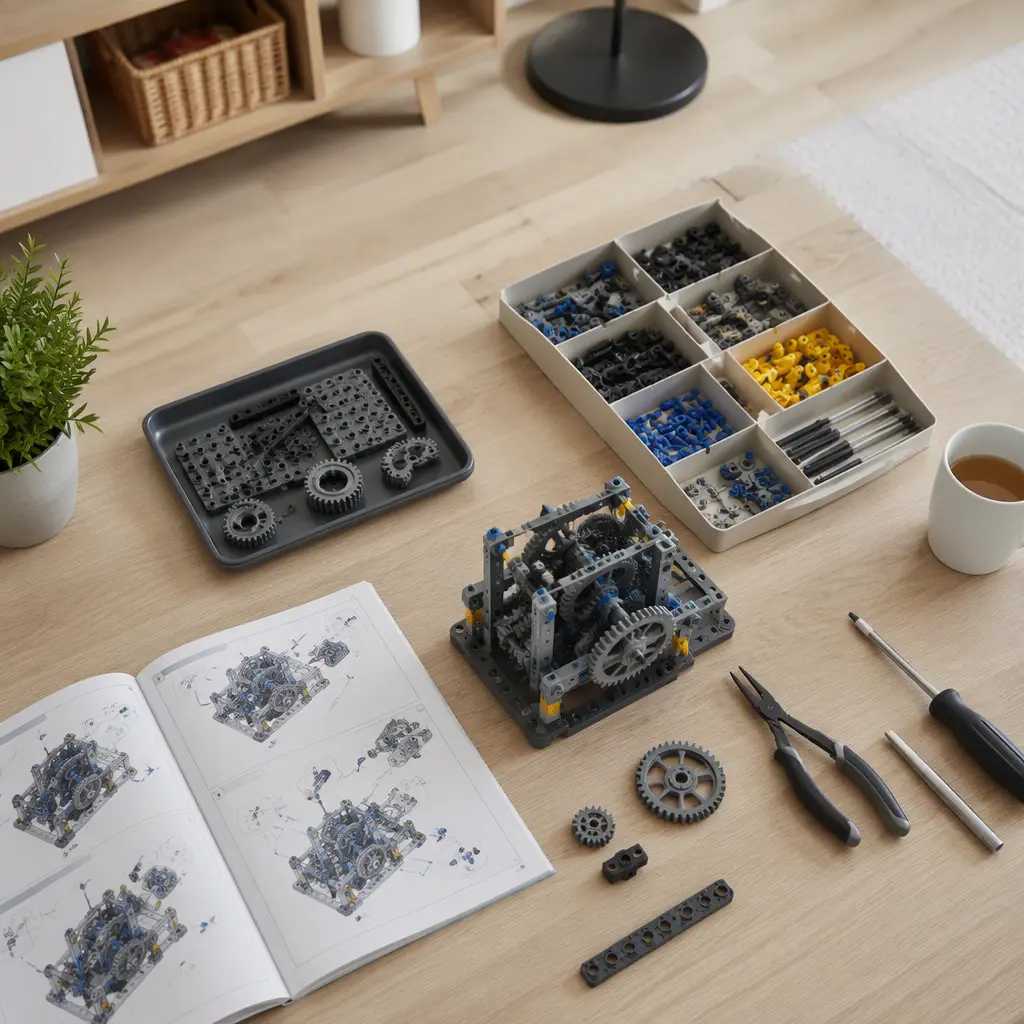
Mechanical construction systems are often the closest match for children who love taking things apart repeatedly. These sets typically use screws, rods, plates and gears that can be rebuilt into different machines or vehicles. They encourage persistence and spatial reasoning, but they also create the highest risk of lost pieces. They work best for children who enjoy careful assembly and have a consistent storage space. Metal-based systems usually feel sturdier, while lighter plastic systems may be easier for younger builders to manage independently.
Snap-circuit and offline electronics kits appeal to children who are curious about how devices function but may not enjoy lengthy mechanical builds. Because the components connect quickly, these sets provide faster experimentation and less cleanup frustration. However, they may offer less open-ended structural creativity than full engineering systems. Marble runs, chain-reaction kits and physics sets suit children who enjoy testing and modifying outcomes repeatedly. These can become noisy and may require more floor or table space. Beginner tool benches and disassembly kits can also work well for confident tweens, especially those interested in practical repair skills, though parents should expect closer supervision and occasional replacement of consumable parts like screws or connectors.
- Mechanical engineering kits: best for patient builders who enjoy repeated assembly and problem-solving; require storage discipline.
- Snap-circuit electronics kits: good for quick experimentation and visible cause-and-effect learning; generally less messy.
- Marble runs and physics systems: suit energetic tinkerers who like testing motion and redesigning layouts; can be noisy.
- Tool-based maker kits: useful for children interested in repair skills and real-world mechanics; need more supervision.
- Open-ended maker supplies such as gears, connectors and reusable hardware packs: flexible for creative children who dislike fixed instructions.
Frequently asked questions
Are STEM toys with real tools appropriate for ages 9–12?
Some are, especially kits designed specifically for older children with simplified hand tools and clear safety guidance. Suitability depends more on maturity, impulse control and supervision than age alone. Children should understand basic tool handling before working independently.
What type of STEM toy creates the least mess?
Snap-together electronics kits and modular building systems with dedicated storage trays are usually easier to contain than loose craft-based maker kits. Sets with many tiny screws or mixed hardware tend to spread across floors and desks more easily.
Do offline STEM toys still help with coding or engineering skills?
Yes. Many offline kits support engineering thinking through sequencing, troubleshooting, pattern recognition and experimentation. Mechanical reasoning and circuit basics can provide a strong foundation before children move into screen-based coding activities.
How important is reusability?
For children who enjoy dismantling projects, reusability is often one of the most important factors. Kits designed for repeated rebuilding typically provide better long-term value than one-time science experiments that cannot be reset after completion.
What if a child ignores the instructions?
That is common with hands-on tinkerers. Open-ended systems usually work better for children who prefer experimenting independently. Guided kits can still help teach foundational techniques, but overly rigid projects may limit engagement for highly curious builders.
The right offline STEM toy for a child who loves taking things apart should encourage experimentation without creating constant frustration for the household. Durable reusable components, realistic supervision expectations and manageable storage matter more than flashy packaging. Parents who match the toy style to a child’s patience level, workspace and interest in rebuilding are more likely to end up with a set that stays in use long after the first project is finished.