STEM Toys for Teens That Don’t Need a Phone App
A parent-friendly guide to offline STEM kits for teens—hands-on projects that feel high-tech without apps, accounts, or screens. Learn what to look for, age fit, and popular categories.
Compare prices and availability
Check current prices and availability for this guide on eBay.
As an eBay Partner, we may be compensated if you make a purchase.
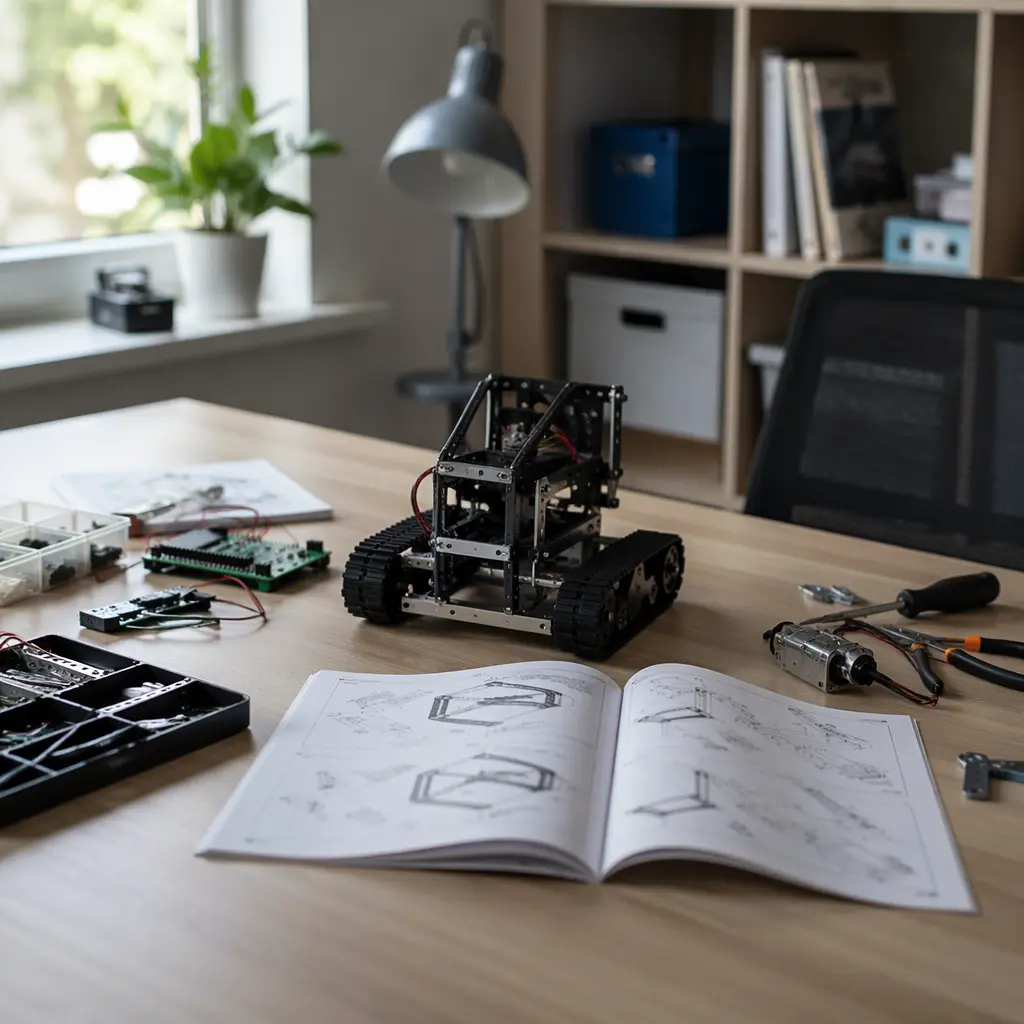
Many STEM toys aimed at teens now rely on companion apps, accounts, or constant screen time. For families who prefer hands-on learning without phones or tablets, there are still plenty of options. Offline STEM kits can feel just as modern—using real tools, materials, and problem-solving—while encouraging focus, persistence, and curiosity. This guide looks at what to consider when choosing app-free STEM toys for teens ages 13 and up.
What to look for
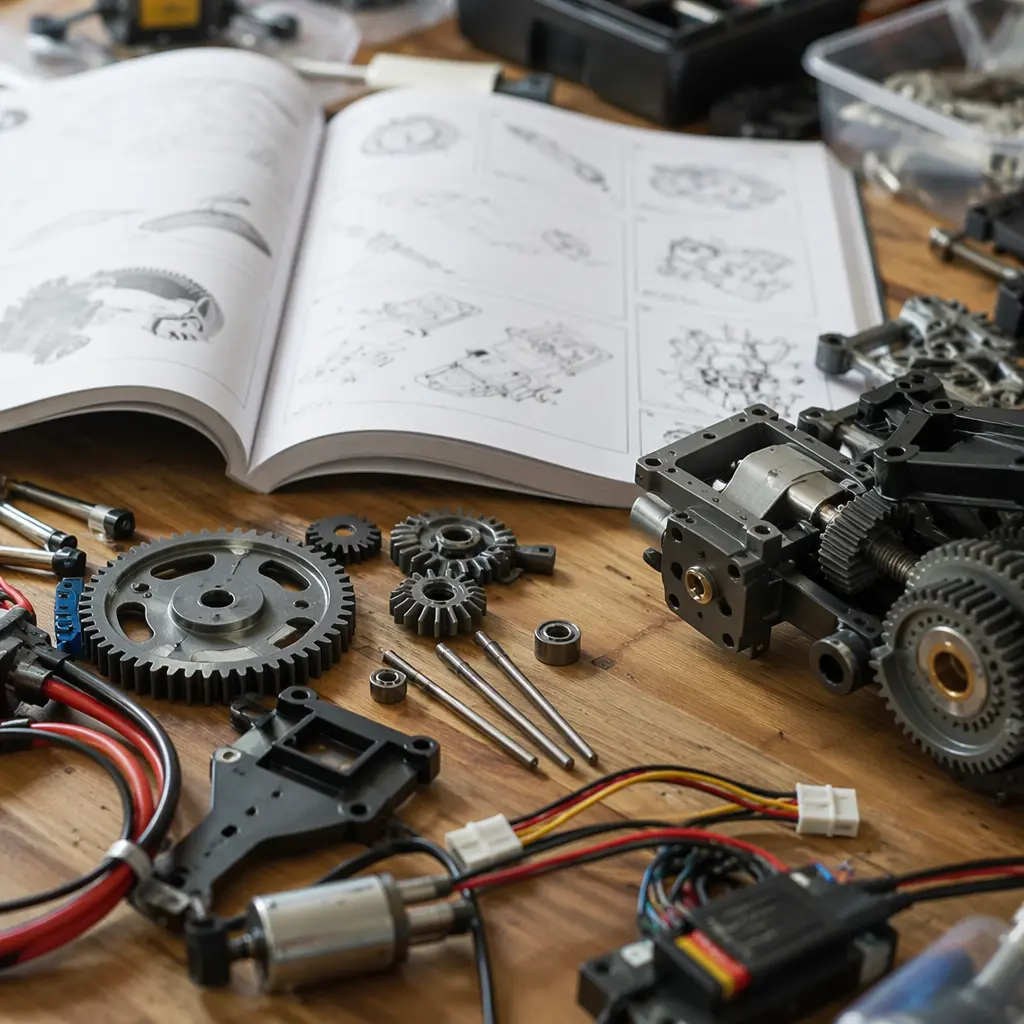
Offline STEM toys for teens work best when they balance challenge with clarity. Without an app to guide each step, the physical materials and instructions need to do more of the teaching. Look for kits that explain not just what to do, but why it works, helping teens connect theory to practice.
- Clear, well-organized printed instructions with diagrams
- Realistic materials (metal, wood, glass, or standard electronic components)
- Open-ended builds that allow modifications or experiments
- A difficulty level that matches teen attention spans and skills
- Concepts tied to real-world science, engineering, or math
Age suitability
For ages 13 and up, STEM toys should feel grown-up and purposeful. Teens often lose interest in projects that feel overly simplified or toy-like. Kits designed for this age band typically involve multi-step builds, measurements, calculations, or troubleshooting. While some may be labeled for a broad age range, check whether the content truly challenges a teenager rather than just keeping them busy for an afternoon.
Standout categories or types
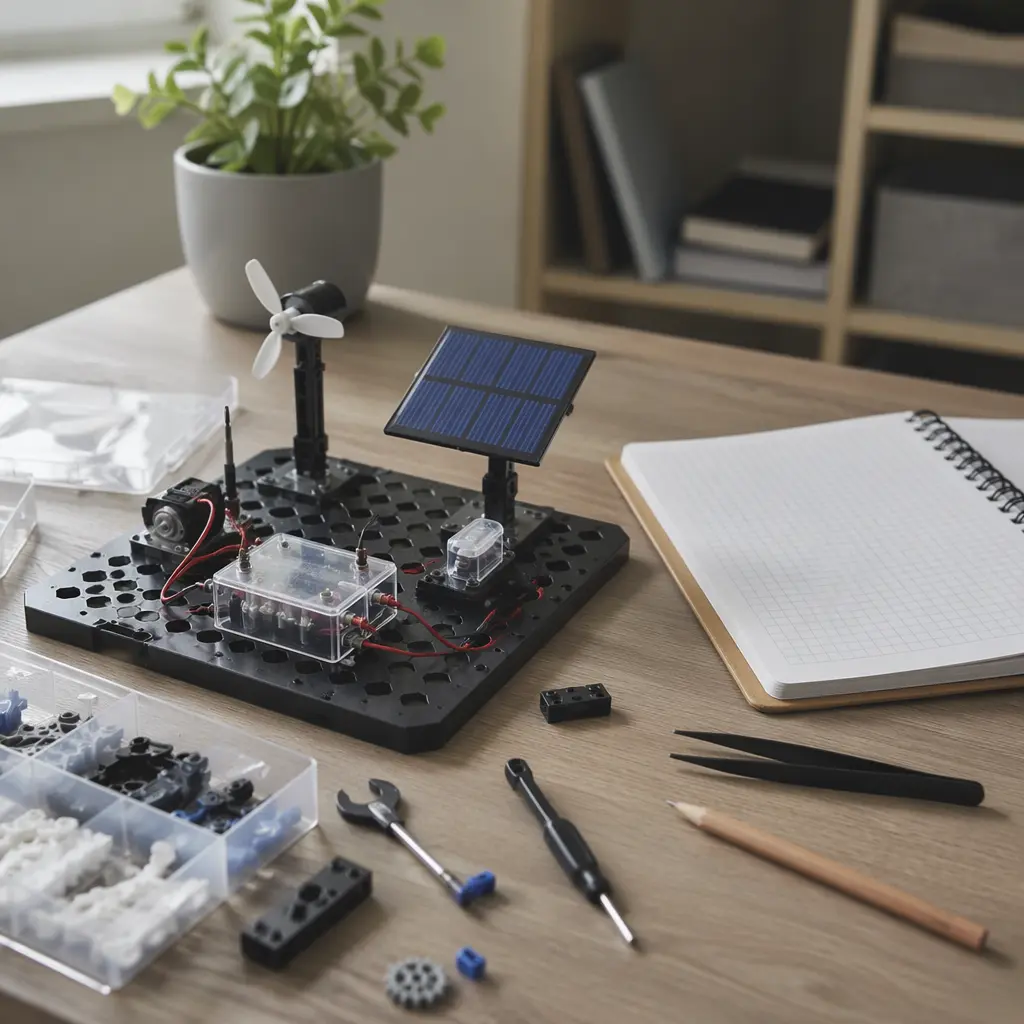
Offline STEM toys for teens often fall into a few strong categories. Each offers a different learning style, from precise construction to exploratory experimentation. Choosing the right type depends on whether your teen enjoys building, testing, analyzing, or creating.
- Engineering build kits that focus on mechanical systems, structures, or motion
- Electronics and circuitry kits using real components and breadboards
- Chemistry or physics experiment sets with lab-style procedures
- Mathematics and logic kits centered on puzzles, proofs, or problem-solving
- Creative STEM kits that combine science with design or art
Frequently asked questions
Are offline STEM toys still relevant in a digital world?
Yes. Offline STEM toys teach foundational skills like spatial reasoning, manual problem-solving, and experimental thinking. These skills support digital learning later, even without direct screen use.
Do these kits require prior STEM knowledge?
Most are designed to be self-contained. While some background knowledge helps, many kits introduce concepts step by step. Look for ones that explain terminology and include reference sections.
How long do offline STEM projects usually take?
Project length varies. Some builds can be completed in a few hours, while others are designed to be revisited over days or weeks. Longer projects often offer more depth and learning value.
Will teens stay engaged without an app?
Engagement depends on interest and challenge level. Kits that allow customization, experimentation, or problem-solving tend to hold attention better than rigid, one-outcome builds.
Offline STEM toys give teens a break from constant connectivity while still delivering meaningful, high-level learning. By focusing on quality materials, clear instruction, and age-appropriate challenges, parents can find options that feel modern, rewarding, and genuinely educational—no phone required.