Snap-Together Robots vs Solder-Free Circuits for Teens
A parent-focused guide comparing snap-together robot kits and solder-free circuit sets for teens, including skill-building, supervision, replay value, storage, noise and budget trade-offs.
Compare prices and availability
Check current prices and availability for this guide on eBay.
As an eBay Partner, we may be compensated if you make a purchase.
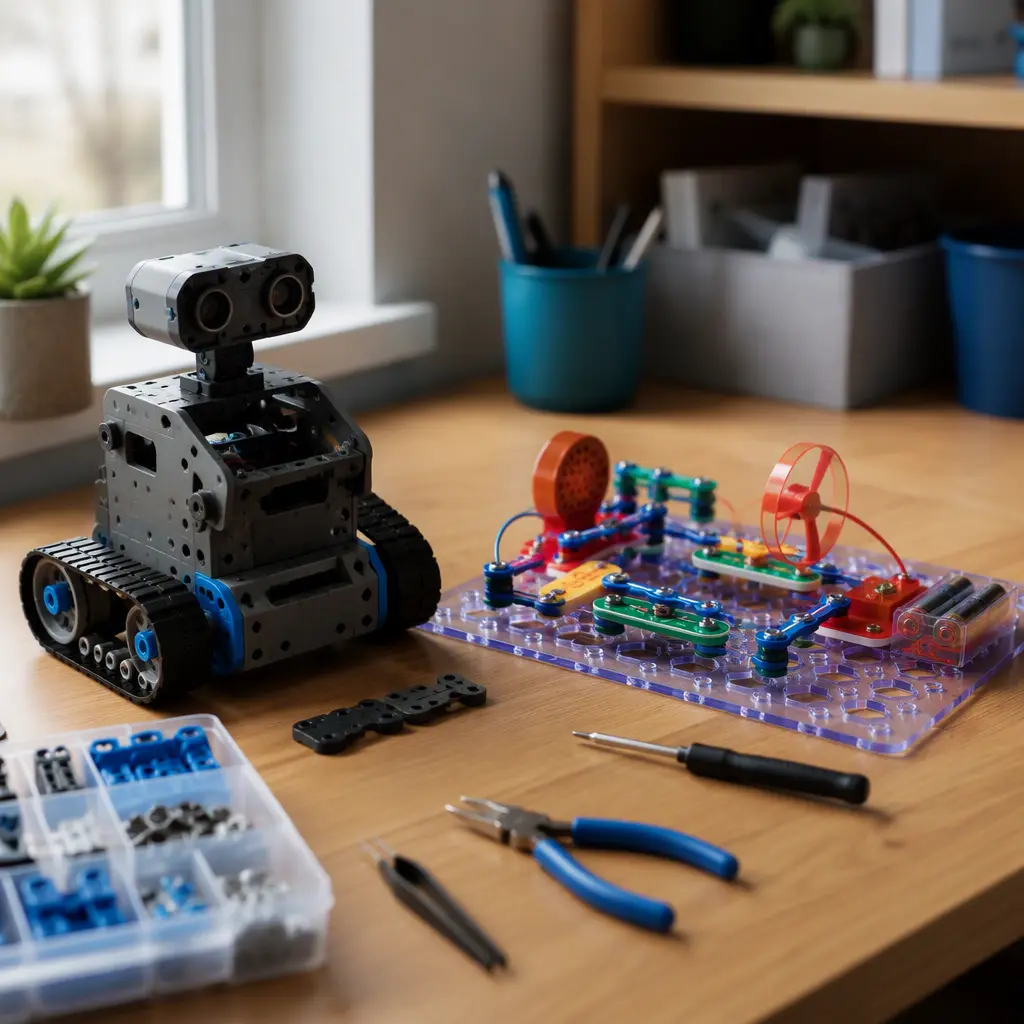
Snap-together robot kits and solder-free circuit sets both aim to make STEM learning practical and hands-on, but they build different skills and suit different types of teens. Robot kits usually focus on mechanical assembly, problem-solving and basic programming or movement logic. Circuit kits tend to emphasize electricity, experimentation and cause-and-effect learning through switches, sensors and electronic components. For parents choosing between them, the decision often comes down to supervision needs, available space, tolerance for noise or loose parts, and whether a teen prefers structured builds or open-ended experimentation. Both options can support offline learning at home, especially when kits include printed guides instead of app-dependent instructions.
What to look for
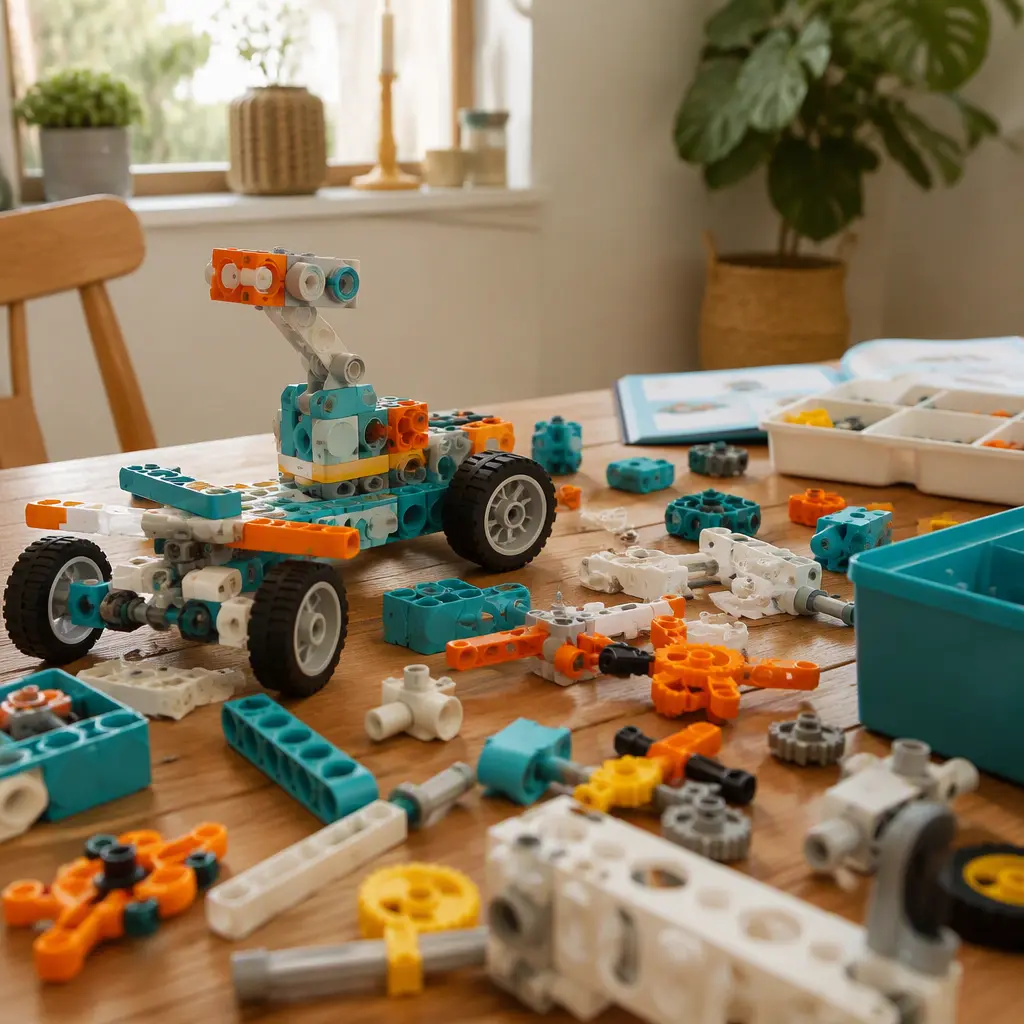
The most useful STEM kits for teens balance challenge with independence. A kit that feels too simple may lose replay value quickly, while one that requires advanced electronics knowledge can become frustrating without adult help. Parents should also look beyond marketing terms like “educational” and focus on how the toy encourages problem-solving over time. Clear printed instructions, durable reusable parts and room for experimentation usually matter more than flashy packaging or large piece counts.
- Choose kits with reusable components rather than single-build projects for better long-term value.
- Check whether instructions are fully usable offline instead of requiring constant app access or account setup.
- Consider storage needs: robot kits often include bulky structural parts, while circuit kits may involve many small electronic pieces.
- Think about supervision. Battery-powered motors and moving parts may need occasional oversight, especially with younger teens.
- Look for realistic age guidance. Some advanced circuit kits assume prior knowledge of electrical concepts.
- Noise levels vary. Motorized robots can become loud on hard floors, while circuit kits are usually quieter.
- Durability matters if siblings may share the kit. Snap-fit plastic connectors and exposed wires can wear differently over time.
Age suitability
For most teens aged 13 and older, either category can work well, but interest level and learning style are more important than age alone. Teens who enjoy building models, solving physical assembly challenges or experimenting with movement may engage more deeply with robot kits. Those interested in engineering concepts, electronics or understanding how devices work internally often prefer circuit-based learning. Some teens who dislike coding-heavy activities may find basic circuit kits more approachable, while others enjoy the progression from robot assembly into beginner programming. Parents should also consider patience and attention span. Circuit experimentation can involve repeated trial and error, while robot kits sometimes require longer build sessions before any visible result appears.
Options compared
Snap-together robot kits are usually the stronger choice for teens who like visible progress and tactile building. Many kits allow users to create moving vehicles, walking machines or sensor-driven models using modular pieces. This can make them appealing for teens who enjoy construction toys but want something more advanced. Robot kits also tend to encourage persistence because assembly mistakes are often easier to spot physically. However, they can require more floor space, produce more noise and involve larger cleanup sessions after use. Some kits also rely heavily on companion apps or simplified coding interfaces, which may reduce the fully offline experience parents are looking for.
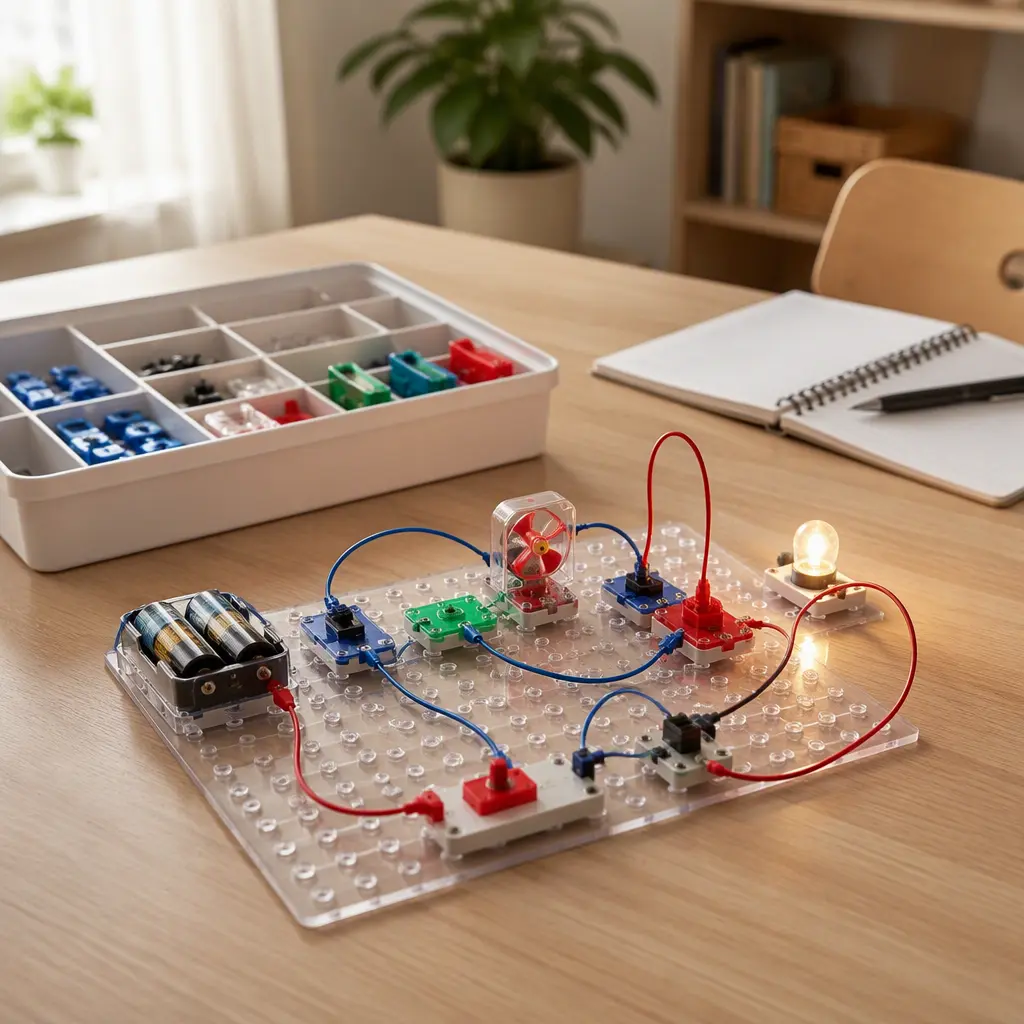
Solder-free circuit kits usually provide broader experimentation in a smaller space. Teens can test switches, alarms, lights, motors and simple logic systems without permanent assembly. Because components can be rearranged repeatedly, replay value often comes from inventing new combinations instead of rebuilding the same model. These kits are generally quieter and easier to store, making them practical for apartments or shared family spaces. On the other hand, the learning curve can feel abstract for teens who prefer visual or mechanical projects. A circuit that works correctly may not feel as exciting as a moving robot, even if the underlying STEM concepts are stronger. Circuit kits also require careful organization since small connectors and wires are easier to misplace.
- Robot kits suit teens who enjoy mechanical assembly, visible movement and longer project sessions.
- Circuit kits suit teens interested in experimentation, electronics and repeated small-scale projects.
- Robot kits may involve more noise, larger storage bins and occasional software setup.
- Circuit kits are usually quieter and compact but may require more patience during troubleshooting.
- Teens who prefer highly creative open-ended play often get more flexibility from circuit systems.
- Families wanting a shared activity may find robot builds easier to collaborate on together around a table.
Frequently asked questions
Do these kits require coding experience?
Not always. Many entry-level robot kits use drag-and-drop programming or no coding at all, while basic circuit kits often focus entirely on physical connections. More advanced sets in either category may introduce programming concepts gradually.
Which option has better replay value?
Replay value depends on the teen’s interests. Circuit kits often support endless combinations and experiments, while robot kits may deliver deeper engagement through longer builds and customization. Teens who enjoy inventing their own projects may return to circuit kits more often.
Are these suitable for shared sibling use?
Possibly, but age gaps matter. Older teens may enjoy collaborative building with younger siblings, though small components and differing skill levels can create frustration. Kits with organized storage trays and clearly separated parts are usually easier to share.
How much adult supervision is typically needed?
Most teens can use beginner and intermediate kits independently after setup, especially with clear printed instructions. Adult help is more likely during troubleshooting, battery installation or projects involving moving parts and motors.
Are offline STEM kits still useful if a teen already enjoys gaming?
Yes. Hands-on STEM activities can complement digital hobbies by introducing practical engineering concepts, spatial reasoning and problem-solving away from screens. Many families use them as a quieter evening or weekend activity that still feels engaging and technical.
For teens interested in STEM learning at home, both snap-together robots and solder-free circuits can provide meaningful offline play when matched to the right interests and environment. Robot kits tend to reward teens who enjoy building and movement, while circuit kits often suit curious experimenters who like testing ideas repeatedly. Considering storage, supervision, noise and replay value alongside the teen’s learning style usually leads to a better long-term fit than choosing the most advanced-looking kit.