Teen Maker Toys That Feel Like Real Tools
A buyer’s guide to modern maker kits for teens 13+, focusing on gadget-style tools that build real skills, respect autonomy, and feel closer to professional gear than traditional toys.
Compare prices and availability
Check current prices and availability for this guide on eBay.
As an eBay Partner, we may be compensated if you make a purchase.
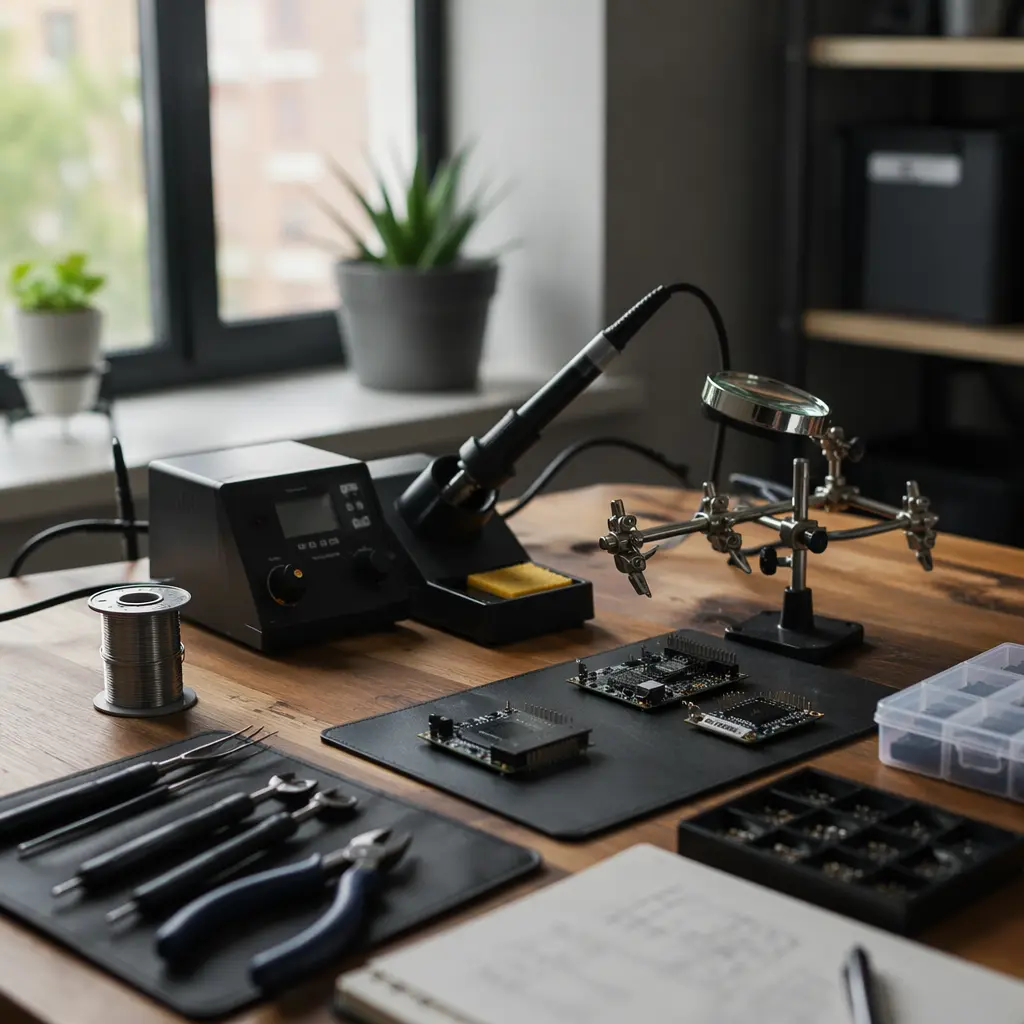
Many teens outgrow traditional toys but still want hands-on ways to build, tinker, and create. Maker toys designed for ages 13 and up bridge that gap by offering real tools, realistic materials, and open-ended challenges. Instead of step-by-step novelty projects, these kits emphasize problem-solving, independence, and skills that carry over into school, hobbies, and future careers.
What to look for
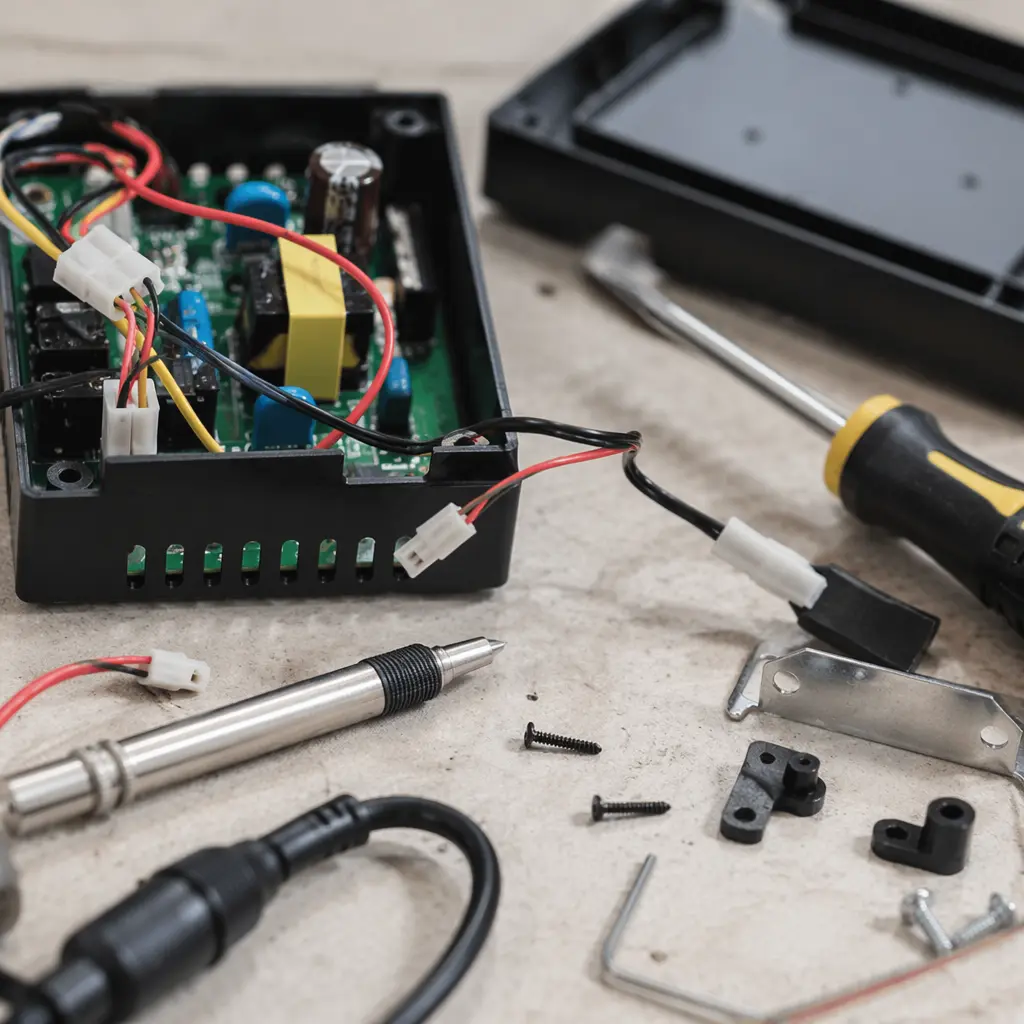
Maker kits for teens should feel like authentic equipment rather than simplified playthings. When evaluating options, focus on how closely the experience matches real-world tools and workflows, while still being appropriate for a home environment.
- Realistic materials such as metal parts, durable plastics, or actual electronic components rather than foam or snap-together substitutes
- Open-ended builds that allow customization, iteration, and mistakes instead of a single fixed outcome
- Clear but non-intrusive instructions that teach concepts without removing decision-making
- Compatibility with common standards, such as widely used coding languages or modular hardware
- Tools that can be reused across multiple projects, not just one build
Age suitability
These maker toys are best suited for teens 13 years and older who can follow detailed instructions, manage small parts, and work with care. The age recommendation reflects not just complexity, but also the level of independence expected. Many kits assume basic math, reading comprehension, and a willingness to troubleshoot when something doesn’t work the first time.
Standout categories or types
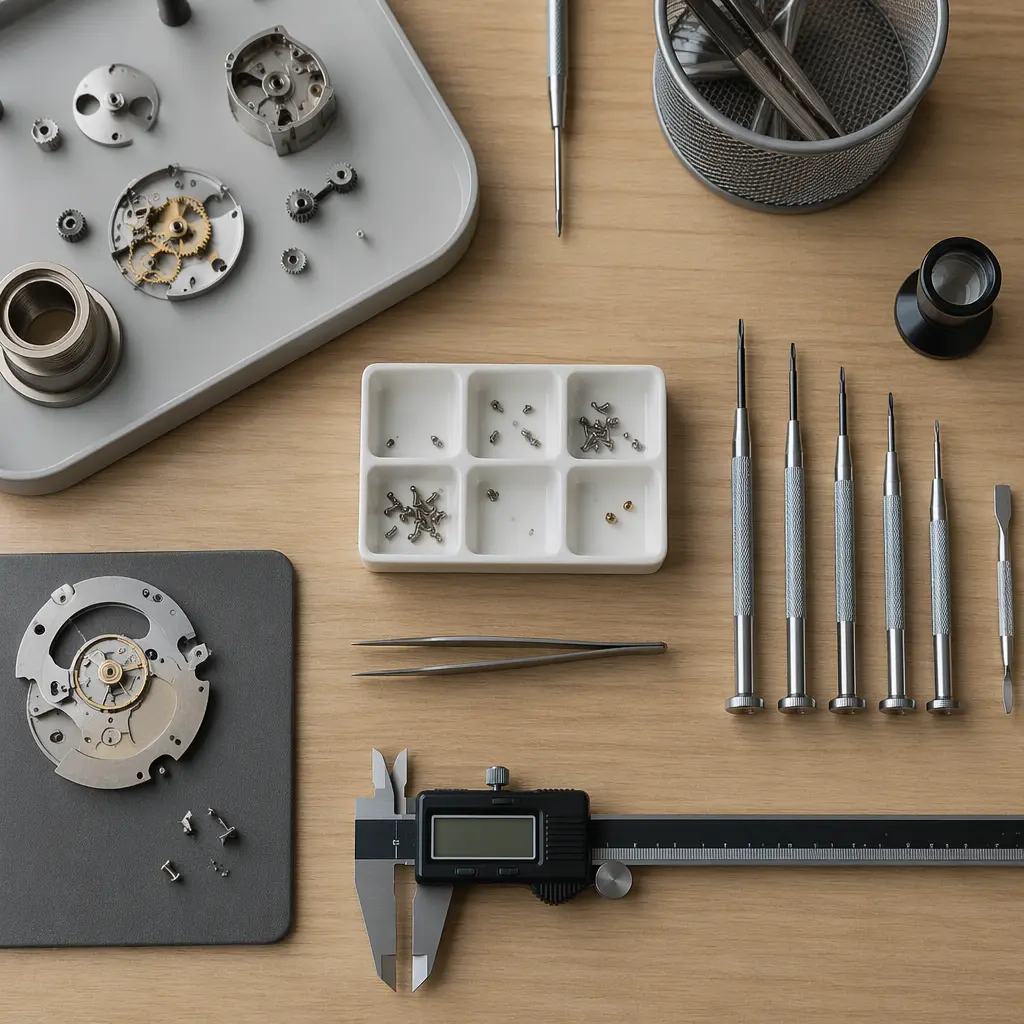
Teen-focused maker toys tend to fall into a few broad categories, each emphasizing a different set of skills. Some concentrate on electronics and coding, while others lean toward mechanical engineering or digital fabrication. The best choice often depends on what kind of problems your teen enjoys solving.
- Electronics and circuitry kits that introduce real components, breadboards, and sensors
- Programming and robotics kits that combine hardware with text-based or hybrid coding
- Mechanical build kits focused on gears, linkages, and structural design
- Digital creation kits that explore 3D design, modeling, or computer-controlled tools
Frequently asked questions
Are these toys appropriate for beginners?
Yes, many are designed with beginners in mind, but they assume a willingness to learn. Look for kits that start with foundational concepts and gradually increase complexity, allowing teens to build confidence without feeling talked down to.
Do teens need prior coding or engineering experience?
Prior experience helps but isn’t required. Many maker toys introduce skills from the ground up, explaining not just what to do, but why it works. Teens who enjoy puzzles or technical challenges often adapt quickly.
How much adult involvement is expected?
Most kits are designed for independent use after an initial setup. Adults may need to assist with safety guidance or troubleshooting early on, but the goal is for teens to take ownership of the process.
What skills do these maker toys help develop?
They support practical skills like problem-solving, logical thinking, and technical literacy. Many also encourage patience, planning, and resilience when projects don’t work as expected.
For teens who want tools that feel grown-up and meaningful, modern maker toys can be a strong fit. By focusing on authenticity, flexibility, and real-world relevance, these kits offer a hands-on learning experience that respects teen curiosity and capability.