Casio Moflin and the Rise of AI Plush Companions
Casio’s Moflin brings AI behavior to a soft companion plush, blending sensors and evolving responses with questions about privacy, attachment and long-term support.
Compare prices and availability
Check current prices and availability for this guide on eBay.
As an eBay Partner, we may be compensated if you make a purchase.
Casio’s Moflin arrives at a moment when interactive toys are moving beyond simple sound effects and scripted responses into something closer to ongoing digital companionship. The small plush creature combines soft-toy design with sensors and AI-driven behavior intended to change over time based on how it is handled and interacted with. That pitch has helped Moflin stand out in a crowded toy-tech market, especially as retailers and tech brands look for products that feel less like gadgets and more like emotional companions.
Where it came from
Moflin traces its roots to the growing category of emotionally responsive companion devices that blend robotics, app connectivity and plush-toy comfort. Casio, better known internationally for watches, calculators and consumer electronics, entered the space as interest in AI companions expanded beyond smart speakers and chatbot apps. The product’s positioning focuses less on educational play and more on emotional interaction, with behavior designed to shift depending on attention, touch and routine engagement.
The concept also reflects a wider trend in Japan and other technology-forward markets where companion robots and pet substitutes have gained traction among adults as well as children. Unlike a traditional talking plush with pre-recorded phrases, Moflin is presented as a character that develops recognizable tendencies over time. That distinction matters because it changes how buyers think about the toy: not simply as a novelty, but as an ongoing relationship with software updates, battery charging and connected features potentially shaping the experience long after purchase.
Why it works
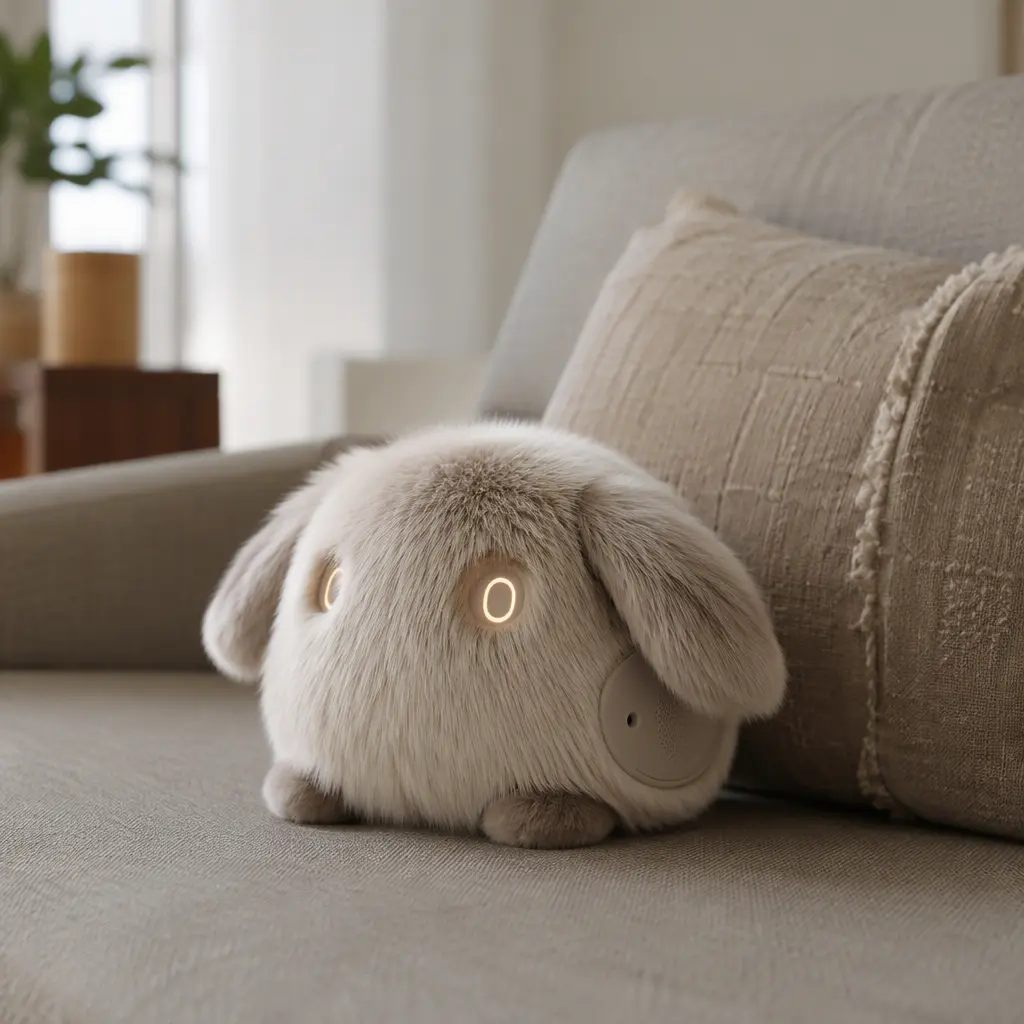
Part of Moflin’s appeal comes from its deliberately simple physical design. Instead of trying to resemble a realistic animal or heavily branded character, it leans into soft textures, rounded forms and expressive movement. That makes the interaction feel approachable while avoiding the “uncanny” effect that can affect more lifelike companion robots. Gentle movement, sounds and reactive behavior are intended to encourage nurturing play rather than competitive or goal-based play.
The technology side is where the toy becomes more complicated. Moflin reportedly uses AI systems to adapt responses and emotional patterns based on interactions over time, which places it closer to connected consumer electronics than a traditional plush. Depending on the version and regional rollout, features may rely partly on companion apps, cloud processing or updates delivered after purchase. That raises practical questions parents and adult buyers increasingly ask about connected toys: what data is collected, how long support will continue, and what happens if online services change in the future.
- Soft plush exterior designed to encourage tactile interaction
- Sensors that react to touch, handling and nearby activity
- AI-driven behavior patterns intended to evolve over time
- Rechargeable electronic hardware rather than disposable battery-only operation
- Companion-app or connected features depending on region and release
- Designed for emotional engagement more than competitive gameplay
Who it's for
Moflin sits in an unusual category because its audience stretches beyond children. Younger users may treat it as a comforting plush with interactive responses, while teens and adults may approach it more like a low-maintenance digital pet or desk companion. Buyers considering it for children should pay attention to the manufacturer’s age guidance, app requirements and account setup expectations if connected features are involved. Adult collectors and technology enthusiasts are also likely to be part of the audience, particularly those interested in social robots, AI companions or calming desktop gadgets. As with many connected toys, some of the appeal depends on patience and routine interaction rather than instant action-heavy entertainment.
Variants and what to look for today
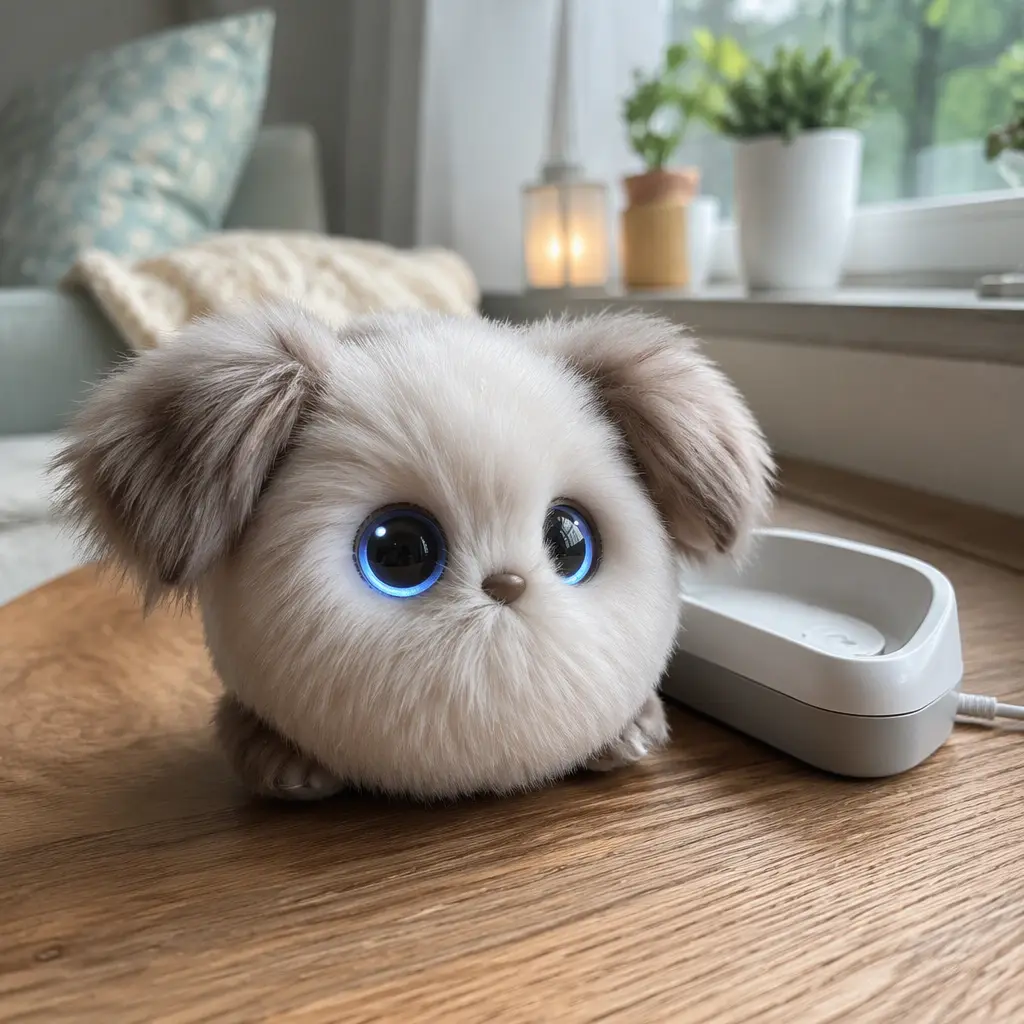
Because Moflin is entering mainstream retail relatively recently, availability and feature sets may differ by region. Buyers are likely to encounter differences in supported languages, app compatibility and cloud-connected functions depending on where the product is sold. Some retailers may also bundle accessories such as charging docks or carrying cases, although the core experience remains centered on the plush itself and its evolving responses.
It is also worth distinguishing between AI-enhanced plush products and simpler interactive toys marketed with AI terminology. Some plush companions rely mostly on scripted audio playback and touch sensors, while others use machine-learning systems or cloud-connected updates to modify behavior over time. Reading the manufacturer’s privacy documentation and setup requirements can be just as important as comparing physical design.
- Check whether companion apps are required for core features
- Confirm regional support and language compatibility before buying
- Look for clear information about software updates and account requirements
- Expect rechargeable hardware that may need periodic charging docks or cables
- Be cautious of generic copycat products with unclear support policies
Frequently asked questions
Is Moflin a robot or a plush toy?
It is best described as a hybrid product. Moflin combines a soft plush exterior with sensors, internal electronics and AI-driven behavior systems intended to simulate emotional responses and personality changes over time.
Does Moflin work without the internet?
Some interactive functions may work locally through onboard sensors and programming, but connected features, updates or app-linked functions could depend on internet access depending on the version and region. Buyers should check current manufacturer guidance for details.
Why are people comparing AI plush toys to digital pets?
Like classic digital pets, AI plush companions are designed around repeated interaction and attachment. The difference is that newer products often include more adaptive behavior, voice or sensor input and ongoing software support rather than fixed response patterns.
Are there concerns about emotional attachment?
Some researchers and parents have raised questions about how AI companions affect emotional development, especially when products are designed to simulate affection or dependence. Those concerns are part of a broader discussion around social robots and AI assistants rather than being unique to Moflin alone.
Moflin represents a larger shift in the toy industry toward products that blur the line between plush companion, consumer electronics and AI service. Whether it becomes a lasting category or a short-lived novelty may depend less on the softness of the toy itself and more on long-term software support, privacy transparency and whether users continue finding comfort in digital companionship after the early curiosity fades.