Elf on the Shelf and the Rise of Interactive Holiday Play
Part plush toy, part December ritual, Elf on the Shelf turned holiday countdowns into nightly storytelling and family participation after its 2005 debut.
Compare prices and availability
Check current prices and availability for this guide on eBay.
As an eBay Partner, we may be compensated if you make a purchase.
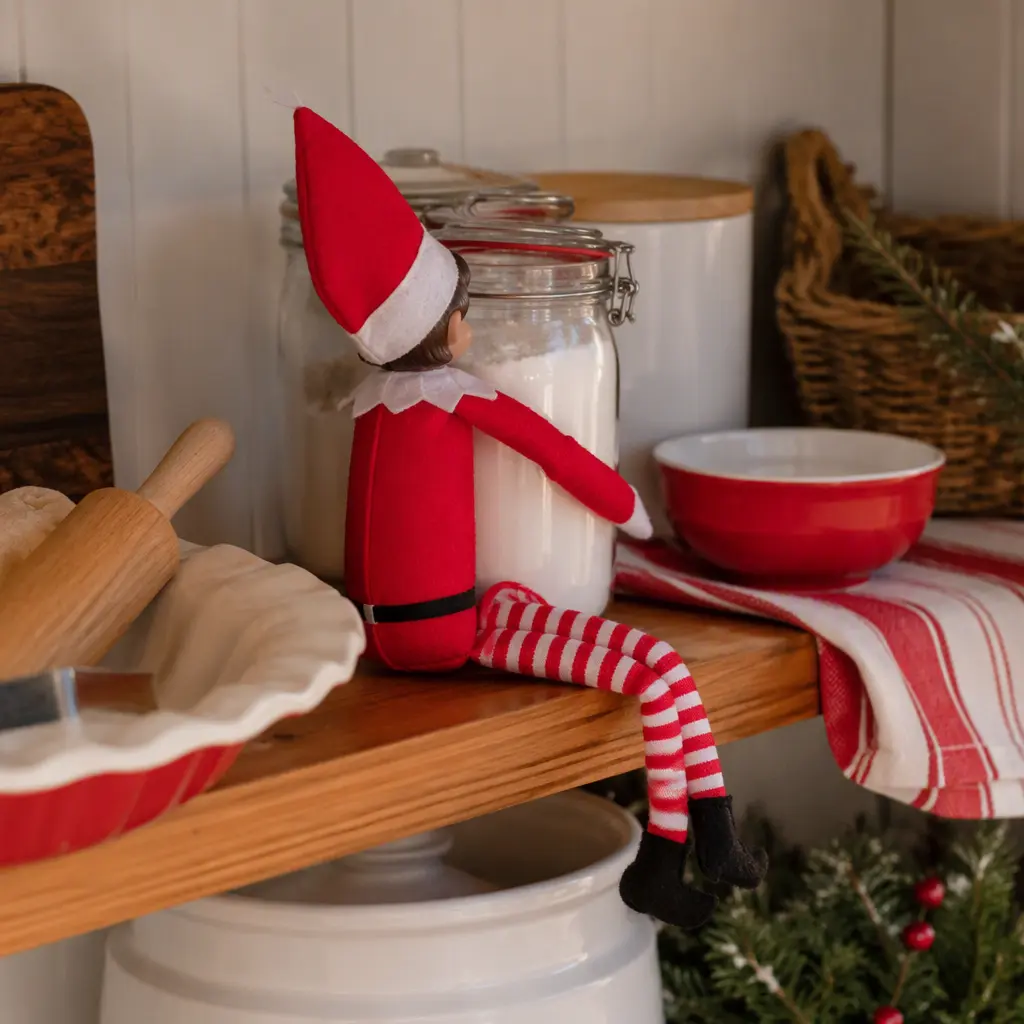
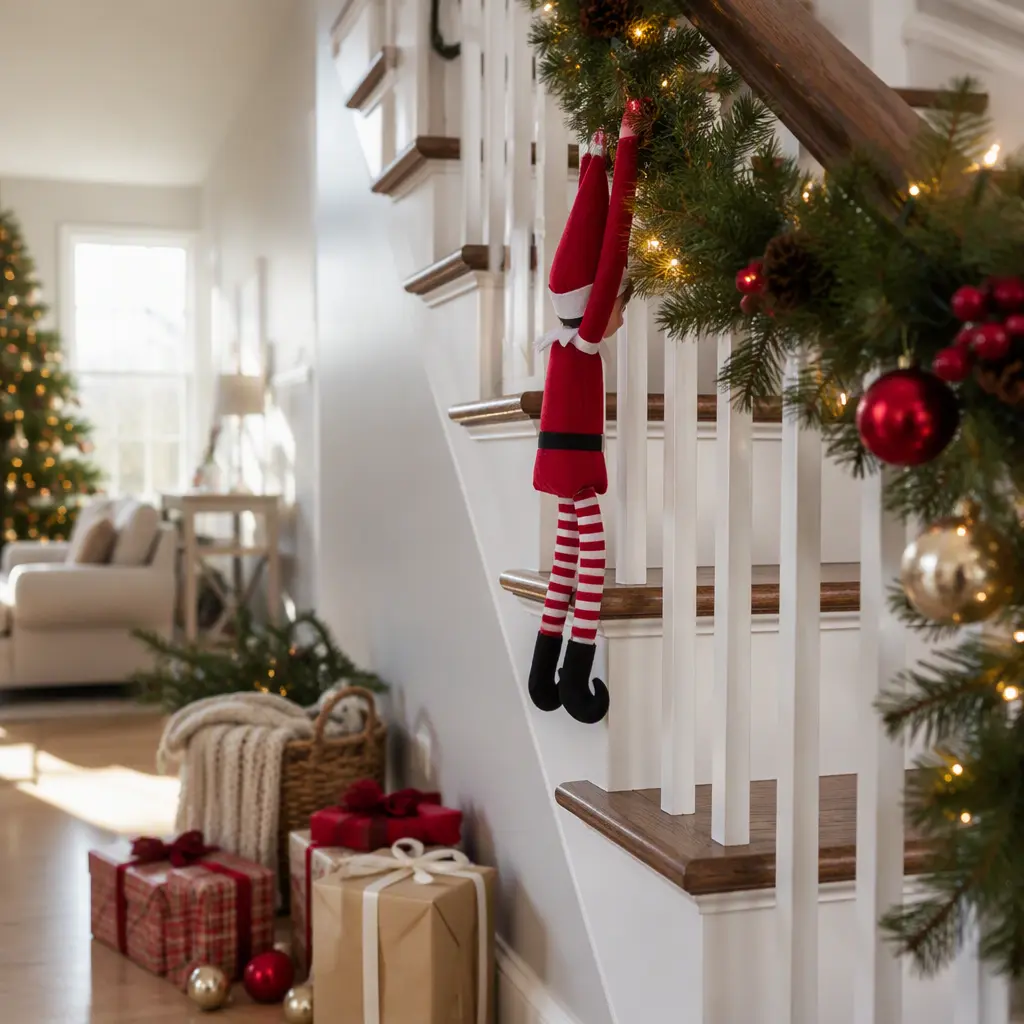
Few modern toys have crossed into family ritual as quickly as Elf on the Shelf. Introduced in 2005, the small scout-style elf became less of a traditional toy and more of a nightly event. Children wake up each morning in December to discover the elf in a new location, often staged in playful scenes around the house. For some families, it is a simple holiday decoration. For others, it becomes a month-long storytelling project that mixes imagination, routine, and a little bit of mischief.
Where it came from
Elf on the Shelf began as a self-published family project by Carol Aebersold and her daughter Chanda Bell. Released in 2005, the concept combined a children's picture book with a small elf doll. The story explained that Santa sends scout elves to observe holiday behavior during the day before returning to the North Pole each night. By morning, the elf appears somewhere new in the home.
The timing mattered. The early 2000s saw growing interest in experience-based family traditions, especially during the holidays. Elf on the Shelf arrived as both a product and a ready-made ritual. Families were not just buying a toy; they were adopting a recurring activity with built-in rules and expectations. Social media accelerated the trend as parents began sharing elaborate elf scenes online, turning a small holiday gimmick into a seasonal culture of creativity.
Why it works
The core design is surprisingly simple. The elf itself is lightweight, poseable enough for basic staging, and visually recognizable from across a room. But the real mechanism is behavioral and imaginative rather than mechanical. The toy creates anticipation. Every night offers a chance for parents or caregivers to invent a new situation, while every morning gives children a small mystery to solve.
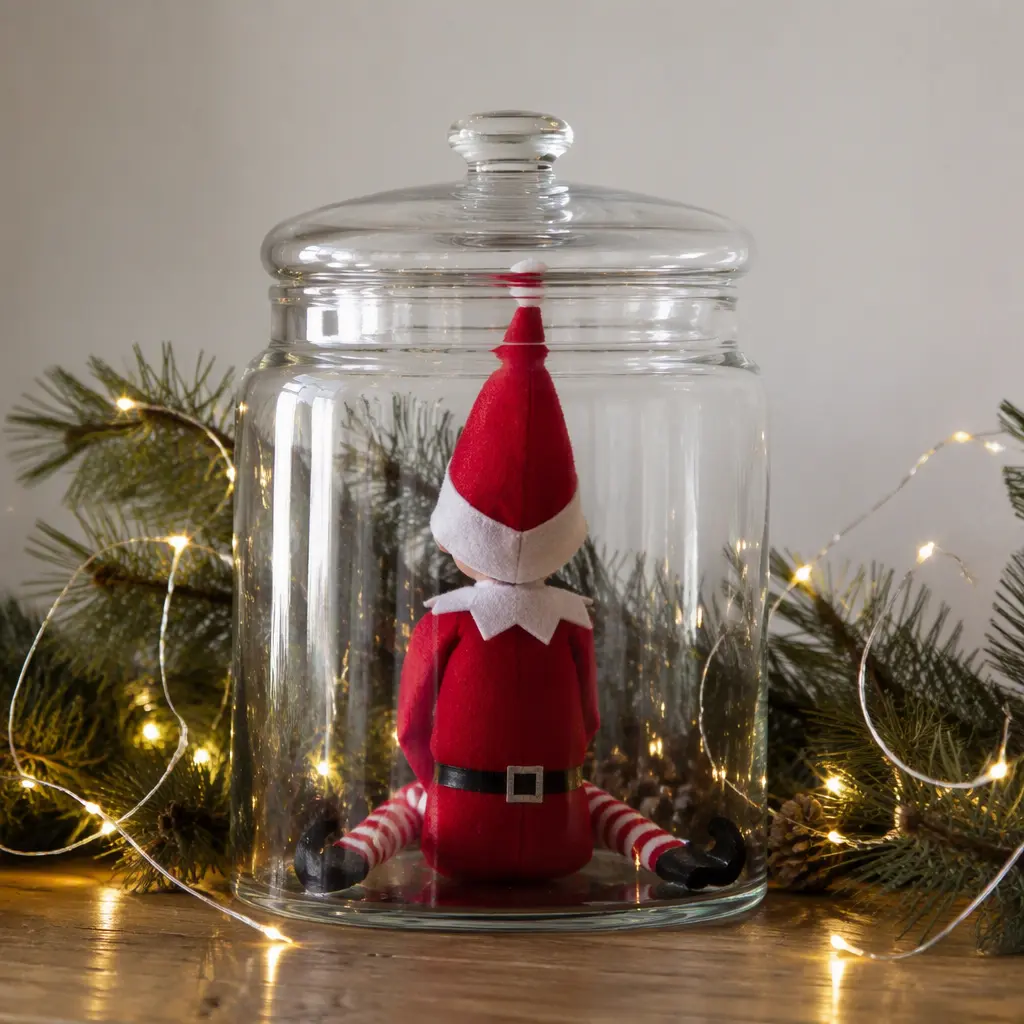
Unlike many toys that rely on a single type of play, Elf on the Shelf works because it combines storytelling, hide-and-seek, routine, and seasonal excitement. The elf can be silly, encouraging, messy, adventurous, or quietly decorative depending on the family's style. Some households create elaborate miniature scenes with props and crafts, while others simply move the elf from shelf to shelf. The flexibility is part of its appeal.
- Creates a daily holiday ritual through repeated play
- Encourages imaginative storytelling and family participation
- Works as both decoration and interactive toy
- Easy to personalize with different scenarios and traditions
- Fits a wide range of family approaches, from simple to elaborate
Who it's for
Elf on the Shelf is aimed primarily at young children, especially those in preschool and elementary school years who enjoy imaginative holiday traditions. The concept depends heavily on anticipation and belief-based storytelling, making it most effective for children who are still engaged with seasonal fantasy. At the same time, much of the activity is actually driven by adults. Parents, grandparents, and older siblings often become the directors behind nightly setups, which explains why the tradition can feel either charming or demanding depending on the family's schedule. Many adults enjoy it because it creates shared memories and offers a structured way to make December mornings feel special.
Variants and what to look for today
As the tradition grew, the original elf expanded into a larger product family that now includes different outfits, skin tones, pets, accessories, storybooks, and themed add-ons. Many families still prefer the basic classic version because the central activity does not require elaborate accessories. The toy's appeal comes more from creativity than from collecting.
If you are shopping for one today, the biggest differences usually involve material quality and presentation rather than play mechanics. Some versions have softer plush bodies, sturdier poseable limbs, or more detailed clothing. Generic look-alikes are common during the holiday season, and while many are harmless alternatives, quality can vary noticeably in stitching and durability.
- Look for durable stitching if the elf will be moved daily
- Choose a size that is easy to place around the house
- Consider simpler versions if younger children will handle it often
- Be cautious with very small accessories around toddlers and pets
- Families focused on storytelling may not need large accessory sets
Frequently asked questions
Is Elf on the Shelf meant to be played with directly?
Traditionally, the elf is treated more like a visiting character than a standard toy. Many families follow the story rule that children should not touch it, though others adapt the tradition to fit younger kids or a more relaxed style of play.
Why did the tradition become so popular?
The concept arrived at a time when parents were increasingly interested in interactive holiday experiences. Social media also played a major role by turning creative elf scenes into a widely shared seasonal activity.
Do families need elaborate setups every night?
Not at all. Some of the most sustainable approaches are also the simplest. Many families move the elf to a new shelf or room each night without creating large scenes or props.
Can older children still enjoy it?
Older children often shift from believing in the story to participating in the creativity behind it. In some households, older siblings help design scenes or continue the tradition for younger family members.
Elf on the Shelf occupies an unusual place in modern toy history because its lasting success depends less on the object itself and more on the habits built around it. The elf became a framework for recurring family storytelling at a time when many toys were competing for attention through electronics and screens. Whether families embrace it casually or turn it into a full December production, its influence on modern holiday play is difficult to ignore.