Skip Hop Zoo Backpacks and the Rise of the Everyday Toy
Skip Hop Zoo Backpacks turned preschool bags into comforting animal companions, blending practical design with plush-like personalities that children carried everywhere.
Compare prices and availability
Check current prices and availability for this guide on eBay.
As an eBay Partner, we may be compensated if you make a purchase.
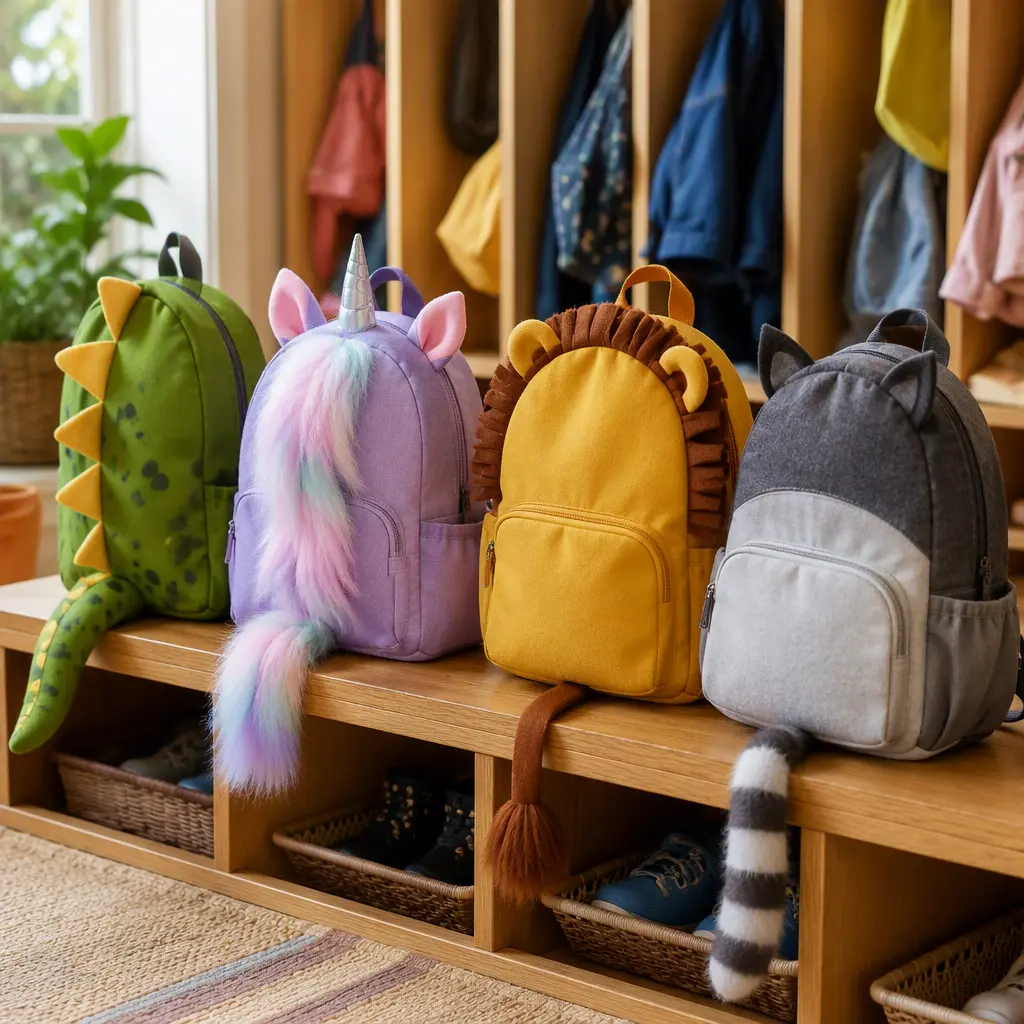
Some toys stay in the playroom. Others quietly follow children into daily life and become part of a routine. Skip Hop Zoo Backpacks landed in that second category. Introduced during the early 2010s, the small animal-faced backpacks became a familiar sight at daycare drop-offs, airport terminals, and preschool hallways. They were practical enough for snacks and spare clothes, but designed with the emotional appeal of a stuffed animal or character toy. For many children, the backpack was less like luggage and more like a companion they carried everywhere.
Where it came from
Skip Hop began as a modern parenting brand focused on baby and toddler products that looked more design-conscious than traditional nursery gear. By the time the Zoo line appeared around 2010, the company had already found an audience among parents looking for products that balanced utility with playful design. The backpacks arrived during a period when preschool accessories were becoming more stylized and personality-driven, moving beyond plain lunch bags and solid-color school packs.
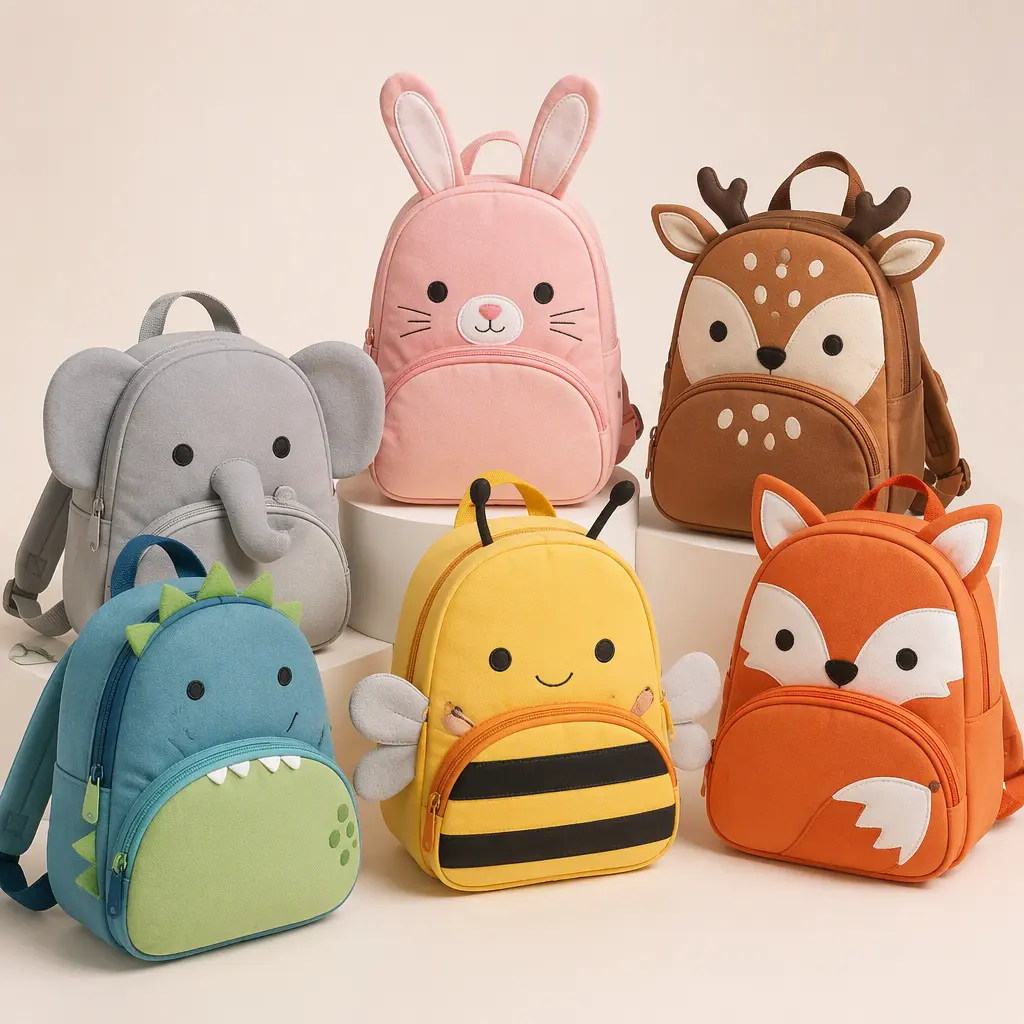
The original idea was straightforward: create a toddler-sized backpack that children could recognize and emotionally connect with immediately. Instead of licensed cartoon characters, the bags relied on simplified animal faces, soft textures, and rounded silhouettes. Owls, foxes, bees, monkeys, and unicorn-like creatures gave children a sense of ownership and identity without tying the product to a television show or movie cycle. That helped the designs feel both trendy and timeless.
Why it works
Part of the appeal comes from scale. Full-sized backpacks can overwhelm preschool-aged children, but the Zoo bags were intentionally compact and lightweight. The proportions made them manageable for toddlers while still large enough to carry essentials. That practical success mattered to parents, but the emotional design mattered just as much to kids. The backpacks used toy-like visual cues: oversized eyes, tiny paws, bright colors, and soft shapes that resembled plush animals more than school equipment.
The bags also encouraged a form of gentle pretend play. Children often named their backpacks, talked to them, or treated them like travel buddies. That blurred the line between accessory and toy in a way few preschool products had before. Instead of being asked to carry a bag, children were eager to bring along their animal friend. The emotional attachment helped transform ordinary routines into something more playful.
- Toddler-friendly sizing that feels manageable instead of oversized
- Animal-inspired faces and textures that encourage emotional attachment
- Simple compartments designed for snacks, comfort items, and daycare basics
- Bright but approachable colors that stand out without relying on licensed characters
- Durable wipe-clean materials suited to daily preschool use
Who it's for
The backpacks are primarily aimed at toddlers and preschoolers, especially children between roughly ages two and five. At that age, children are developing independence but still rely heavily on comfort objects and routines. A backpack that feels friendly instead of purely functional can ease transitions into daycare, preschool, or travel. Adults also embraced the designs because they photographed well, coordinated with modern nursery aesthetics, and avoided the noisy branding common in children's products during the same era. In many families, the bags became a first piece of personal gear that children could confidently manage themselves.
Variants and what to look for today
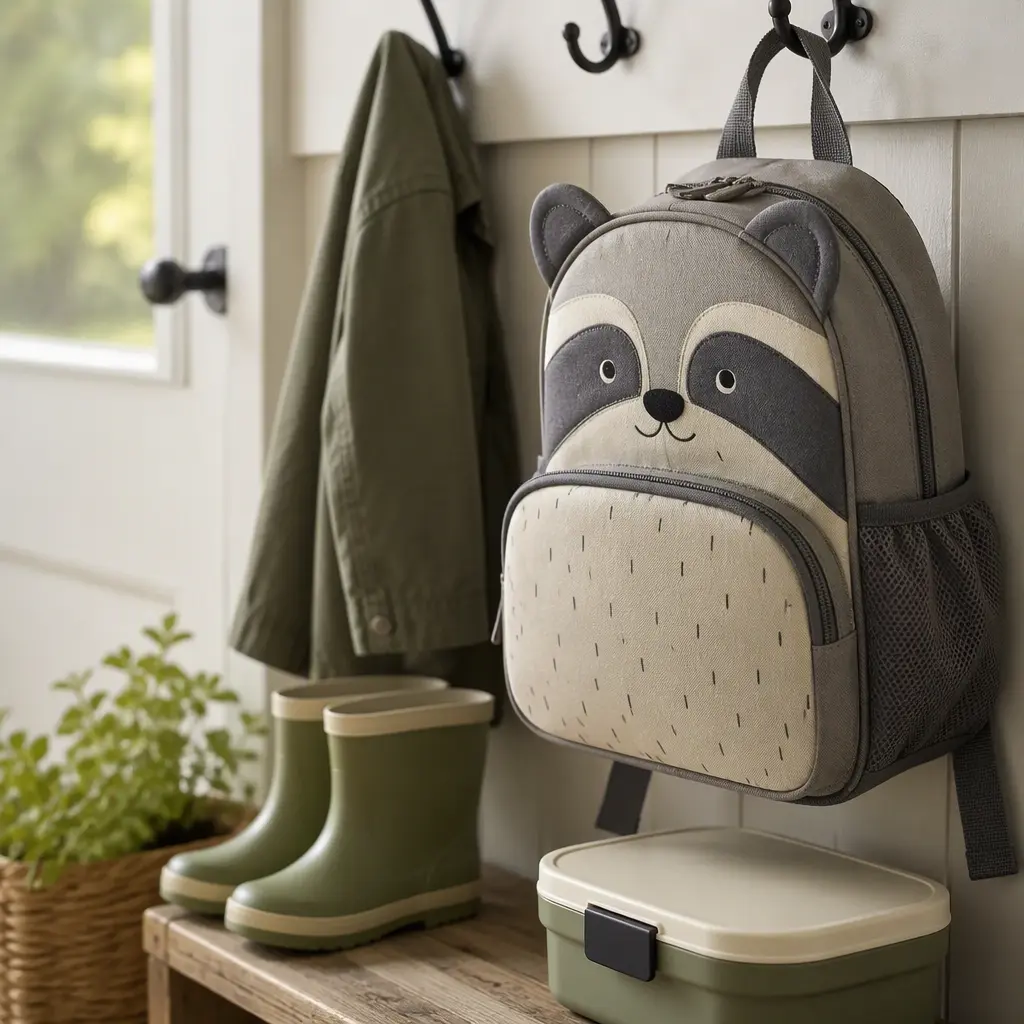
Over time, the Zoo line expanded beyond backpacks into lunch bags, rolling luggage, water bottles, and classroom accessories built around the same animal themes. The core backpack designs remained fairly consistent, which helped them stay recognizable across generations of preschool families. Seasonal color updates and new animal styles appeared regularly, but the basic formula changed very little because the original concept already worked well.
If you are shopping for one today, the biggest differences tend to involve size, strap padding, and material finishes rather than dramatic redesigns. Some versions lean softer and more plush-like, while others focus on easier cleaning and more structured shapes. Generic imitators are common in this category, especially online, so it helps to look closely at stitching quality, zipper durability, and strap attachment points rather than focusing only on appearance.
- Mini backpacks sized for daycare and preschool essentials
- Matching lunch and travel accessories built around the same animal themes
- Softer fabric versions that resemble plush toys more closely
- Structured styles with reinforced bottoms for heavier daily use
- Neutral animal designs that age more gracefully as children grow
Frequently asked questions
Are these backpacks considered toys?
Not officially, but they borrow heavily from toy design. The animal faces, soft textures, and expressive shapes encourage imaginative attachment in the same way plush toys do. That crossover appeal is part of why the line became so recognizable.
Why did animal-themed backpacks become so popular?
Animal motifs feel universal and flexible. Unlike licensed entertainment characters, they are not tied to changing trends or screen media. Parents often saw them as more timeless, while children responded to the friendly personalities built into the designs.
Do children outgrow them quickly?
Most children use toddler-sized backpacks for a few preschool years before moving to larger school bags. Even after that, many families keep them for travel, sleepovers, or storing favorite toys because the emotional connection tends to linger.
What made this line stand out from earlier kids backpacks?
Earlier preschool bags often focused on utility or heavily branded media tie-ins. The Zoo line stood out by combining minimalist modern styling with toy-like personality. It felt designed for both children and adults at the same time, which helped it spread through daycare culture and parenting media.
Skip Hop Zoo Backpacks arrived at a moment when children's products were becoming more emotionally designed, and they helped define what modern preschool gear could look like. They were never just containers for snacks and crayons. For many children, they became familiar companions linked to first school experiences, family trips, and early independence. That blend of utility and affection is what turned a small backpack into a lasting icon of modern childhood.