The Teddy Bear: How a cartoon became a comfort icon
Born from a 1902 political cartoon, the teddy bear grew into the world’s most enduring comfort toy—crossing generations as a symbol of reassurance, play, and emotional attachment.
Compare prices and availability
Check current prices and availability for this guide on eBay.
As an eBay Partner, we may be compensated if you make a purchase.
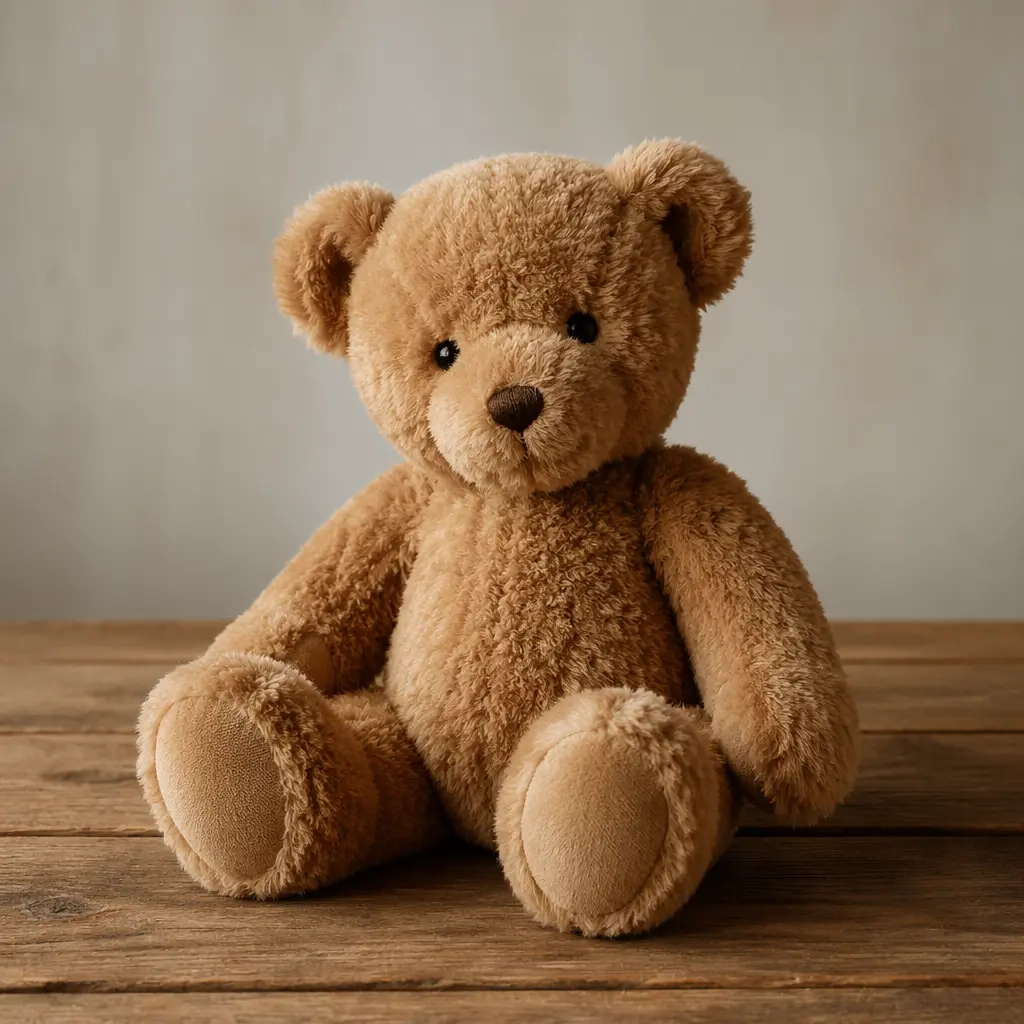
Few toys are as instantly recognisable—or as emotionally loaded—as the teddy bear. It’s often a child’s first companion, a standby at bedtime, and sometimes a keepsake kept well into adulthood. What makes the teddy bear remarkable isn’t just its softness, but how a century-old political moment turned into a universal symbol of comfort.
Where it came from
The teddy bear’s story begins in 1902 with U.S. President Theodore "Teddy" Roosevelt. During a Mississippi hunting trip, Roosevelt refused to shoot a captured bear, an act of restraint that was later depicted in a widely circulated political cartoon. The image struck a chord with the public, portraying compassion rather than conquest.
Inspired by the cartoon, toy makers on both sides of the Atlantic created stuffed bears in Roosevelt’s honour. In the United States, a small shop window display of handmade plush bears helped popularise the idea, while in Germany, a soft toy company was already experimenting with jointed stuffed animals. The name "teddy bear" stuck, and within a few years, the toy became a staple of childhood.
Why it works
At its core, the teddy bear succeeds because it’s simple and emotionally readable. Its rounded shape, soft textures, and friendly proportions are intentionally non-threatening. Unlike toys with rules or objectives, a teddy bear adapts to the child—becoming whatever the moment requires: a confidant, a character in imaginative play, or a source of reassurance.
Design-wise, teddy bears balance realism and abstraction. They hint at a real animal but remain safely stylised, which helps children project feelings onto them without fear.
- Soft, huggable materials designed for close contact
- Rounded shapes with no sharp edges
- Neutral expressions that invite imagination
- Durability to withstand years of handling
Who it’s for
Teddy bears are often given at birth or in early infancy, but their appeal is unusually broad. Toddlers use them for comfort and pretend play, older children turn them into characters or keepsakes, and adults frequently keep or gift them as symbols of care, nostalgia, or reassurance. Few toys manage to span so many life stages without changing their basic form.
Variants and what to look for today
Modern teddy bears come in a wide range of styles, from traditional jointed bears to ultra-soft plush versions designed specifically for infants. Some emphasise nostalgia with classic proportions and mohair-style fabrics, while others prioritise washability and safety for everyday use.
When choosing a teddy bear today, it’s worth paying attention to construction quality. Secure stitching, well-attached eyes (or embroidered features for younger children), and clearly labelled materials matter more than novelty designs. Generic, poorly made plush toys can look similar at first glance but may not hold up to regular cuddling.
Frequently asked questions
Why are teddy bears so comforting?
Their softness, warmth, and predictable presence help children self-soothe. Psychologists often describe comfort objects like teddy bears as transitional items that support emotional development.
Are teddy bears still relevant today?
Yes. Despite digital toys and screen-based play, teddy bears remain popular because they fulfil an emotional role technology can’t easily replace.
What age is appropriate for a teddy bear?
With the right safety features, teddy bears can be suitable from infancy through adulthood. The key is matching materials and construction to the child’s age.
Why are some teddy bears collectible?
Older bears or those made with traditional techniques can hold sentimental or historical value, especially when they reflect specific eras of toy design.
More than a century after its accidental birth, the teddy bear remains a quiet constant in a changing toy landscape. Its power lies not in features or functions, but in its ability to be there—soft, familiar, and endlessly adaptable—whenever comfort is needed.