Best Building Toys Without Instructions (Ages 6–8)
A parent-focused guide to open-ended building toys for ages 6–8 that skip step-by-step manuals and encourage creativity, problem-solving, and long-lasting play.
Compare prices and availability
Check current prices and availability for this guide on eBay.
As an eBay Partner, we may be compensated if you make a purchase.
Building toys without instructions can be a refreshing option for kids ages 6–8 who enjoy creating their own ideas rather than following step-by-step plans. These open-ended sets invite experimentation, problem-solving, and imaginative play. Instead of aiming for one “right” result, children can build, rebuild, and adapt as they go. For parents, these toys often offer longer play value and support skills that go beyond construction, including storytelling, spatial reasoning, and persistence.
What to look for
Not all instruction-free building toys work equally well for this age group. Children ages 6–8 benefit from materials that are flexible enough for creativity but structured enough to feel manageable. When comparing options, focus on how the set supports independent play, skill development, and durability.
- Open-ended components: Pieces should connect in many ways rather than forming one specific model.
- Age-appropriate challenge: Sets should offer some resistance or problem-solving without being frustrating.
- Quality and durability: Strong materials hold up to repeated building and rebuilding.
- Room to grow: Look for sets that can be expanded or combined with other pieces over time.
- Storage and organization: Simple storage helps kids manage pieces and clean up independently.
Age suitability
For ages 6–8, building toys often shift from large, simple pieces to more detailed components that allow for complex structures. Kids in this range usually have the fine motor control to connect smaller parts and the patience to work through trial and error. Open-ended sets are especially helpful at this stage because they can meet children at different skill levels. A 6-year-old may focus on basic shapes or towers, while an 8-year-old might attempt vehicles, bridges, or imaginative scenes using the same materials.
Standout categories or types
Instruction-free building toys come in several broad categories, each offering a slightly different play experience. Choosing the right type depends on your child’s interests and how they like to build.
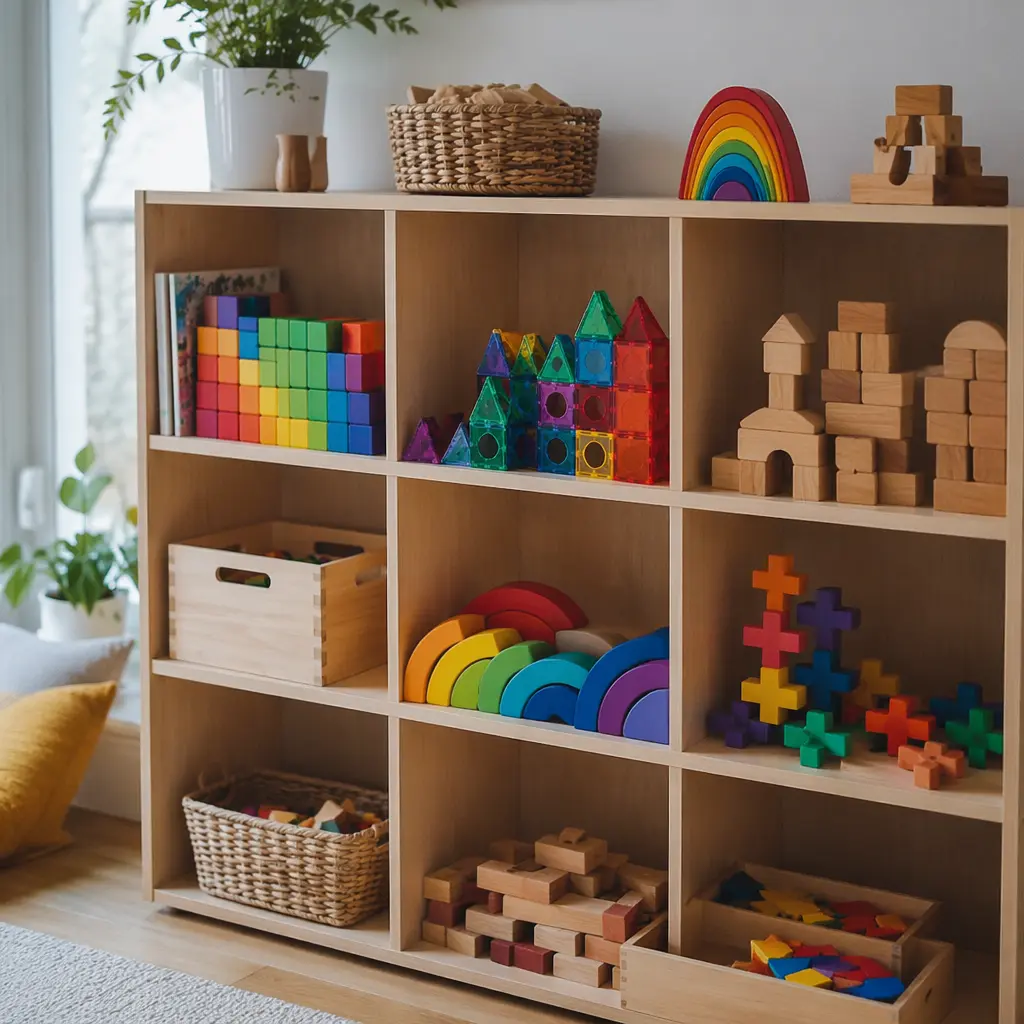
- Magnetic building systems: These allow quick connections and easy adjustments, making them great for experimenting with balance and geometry.
- Classic block sets: Wooden or solid blocks support freeform building and are ideal for imaginative structures and pretend play.
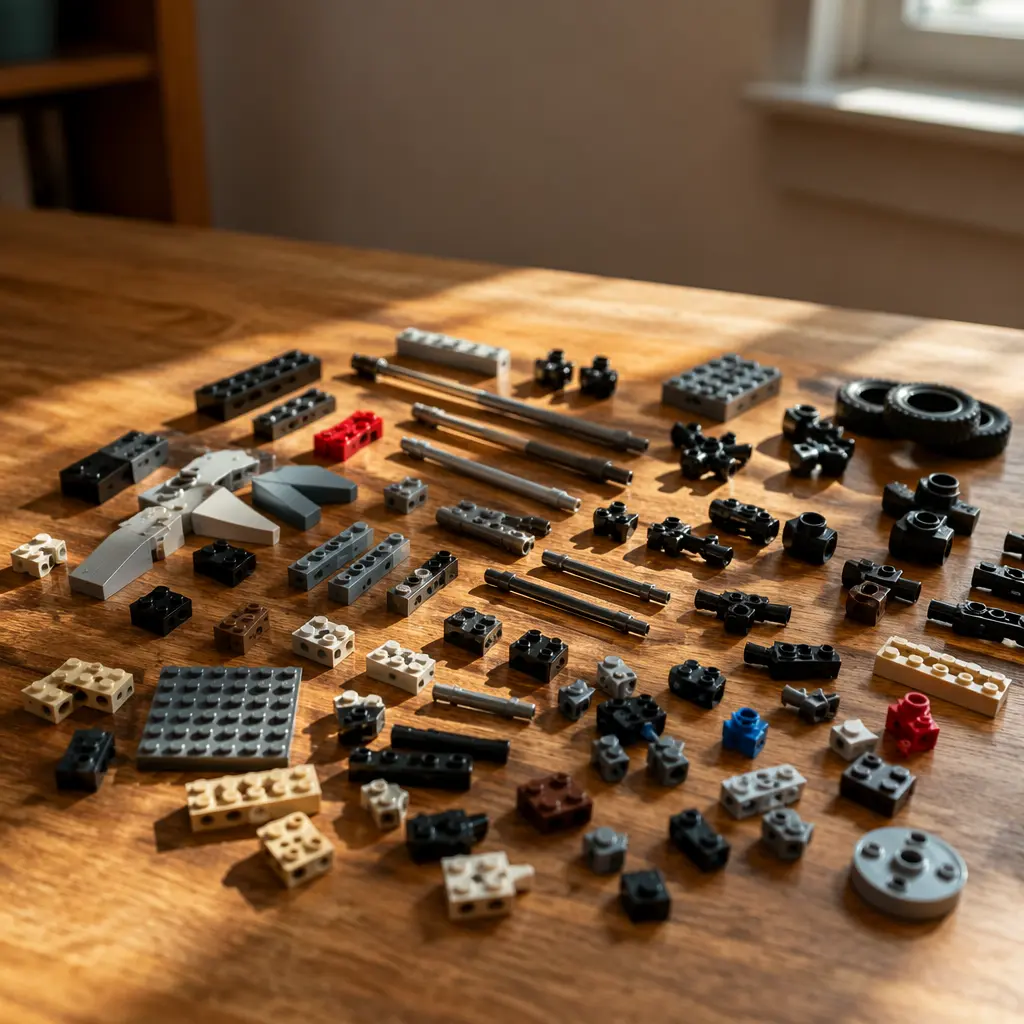
- Connector-based systems: Rods, joints, or snap-together parts encourage engineering-style thinking and more complex designs.
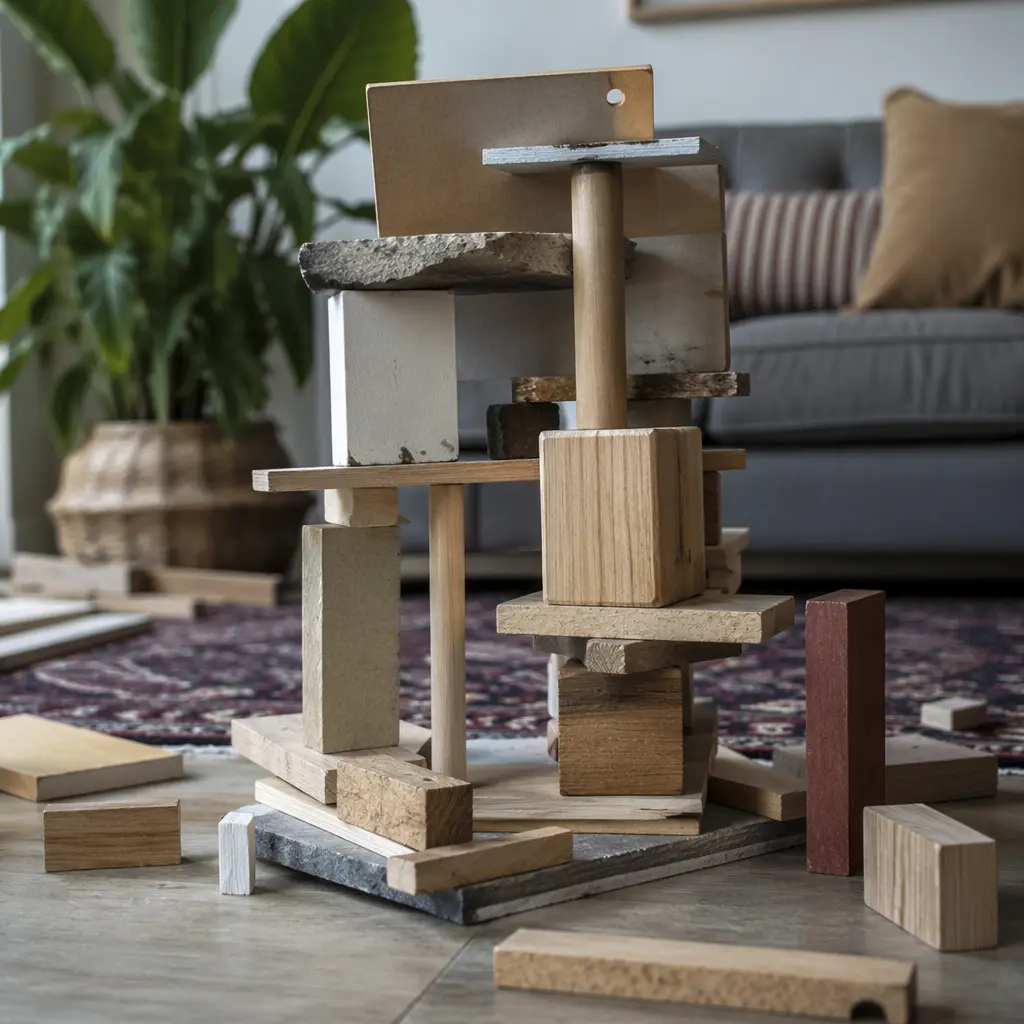
- Mixed-material kits: Sets that combine different shapes and textures can spark creativity and keep play from feeling repetitive.
Many families find that having more than one type of open-ended building toy keeps play fresh. Different systems can inspire new ideas and challenge kids to think in new ways without relying on instructions.
Frequently asked questions
Do kids get frustrated without instructions?
Some children may feel unsure at first, especially if they are used to guided builds. However, many quickly adjust and enjoy the freedom. Starting with a small challenge or suggesting a theme can help ease the transition.
Are these toys educational?
Yes. Open-ended building toys often support skills like problem-solving, spatial awareness, creativity, and early engineering concepts. They also encourage persistence and flexible thinking.
How many pieces are enough?
A moderate number of pieces is usually best for ages 6–8. Too few can feel limiting, while too many may be overwhelming. Sets that allow gradual expansion are often a good fit.
Can open-ended sets work for solo play?
They can. Many children enjoy building independently, especially when the pieces are easy to connect and rearrange. These toys can also work well for cooperative play with siblings or friends.
Building toys without instructions can be a smart choice for families looking to encourage creativity and independent thinking. By focusing on open-ended design and age-appropriate complexity, you can find options that grow with your child and keep them engaged well beyond the first build.