Classic Puzzle Toys Teens Still Enjoy Unplugged
A buyer’s guide to timeless, no-battery puzzle toys that keep teens engaged. Learn what to look for, age fit, safety notes, and the classic puzzle types that still challenge 13+ minds.
Compare prices and availability
Check current prices and availability for this guide on eBay.
As an eBay Partner, we may be compensated if you make a purchase.
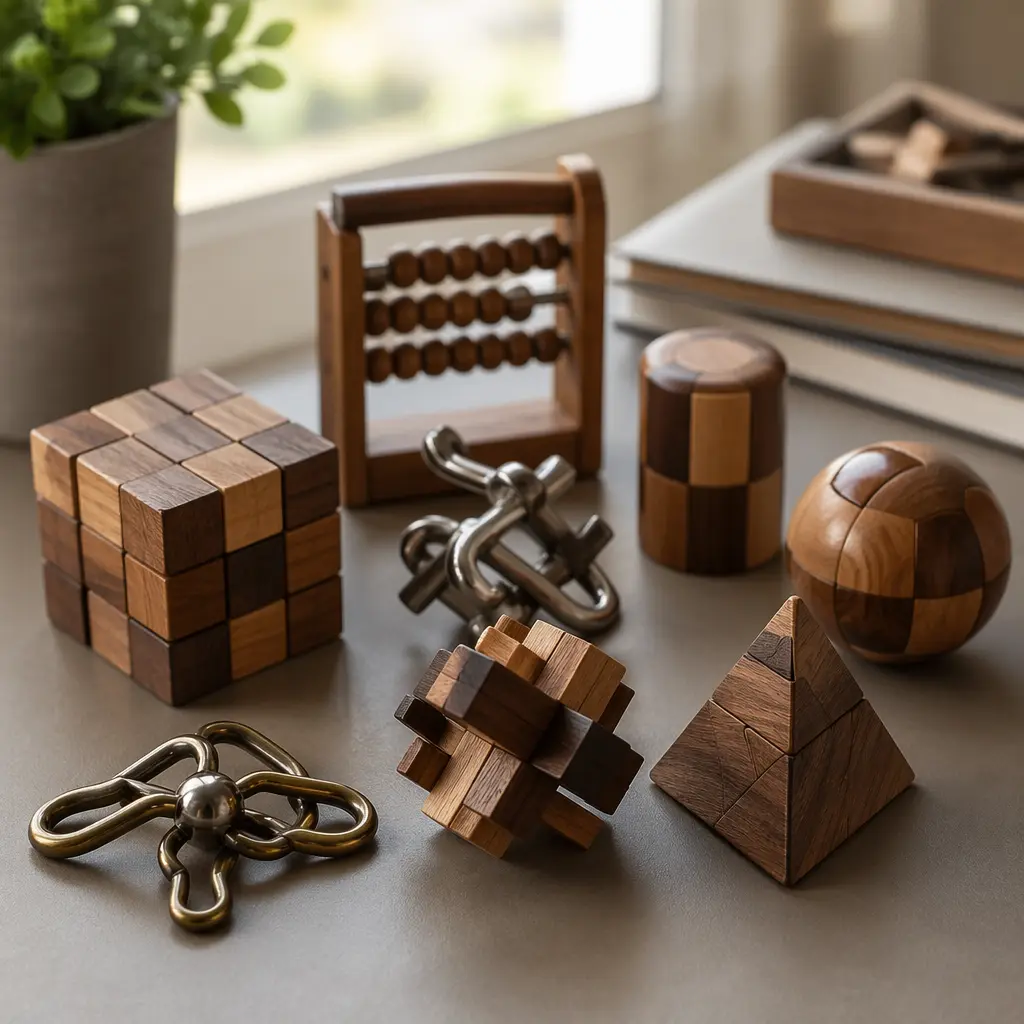
For teens, a good puzzle toy does more than pass the time. The best classics are challenging without being frustrating, feel satisfying in the hands, and invite repeated attempts. Because they don’t rely on screens or batteries, these puzzles can fit easily into study breaks, travel, or quiet downtime while still offering real mental stretch.
What to look for
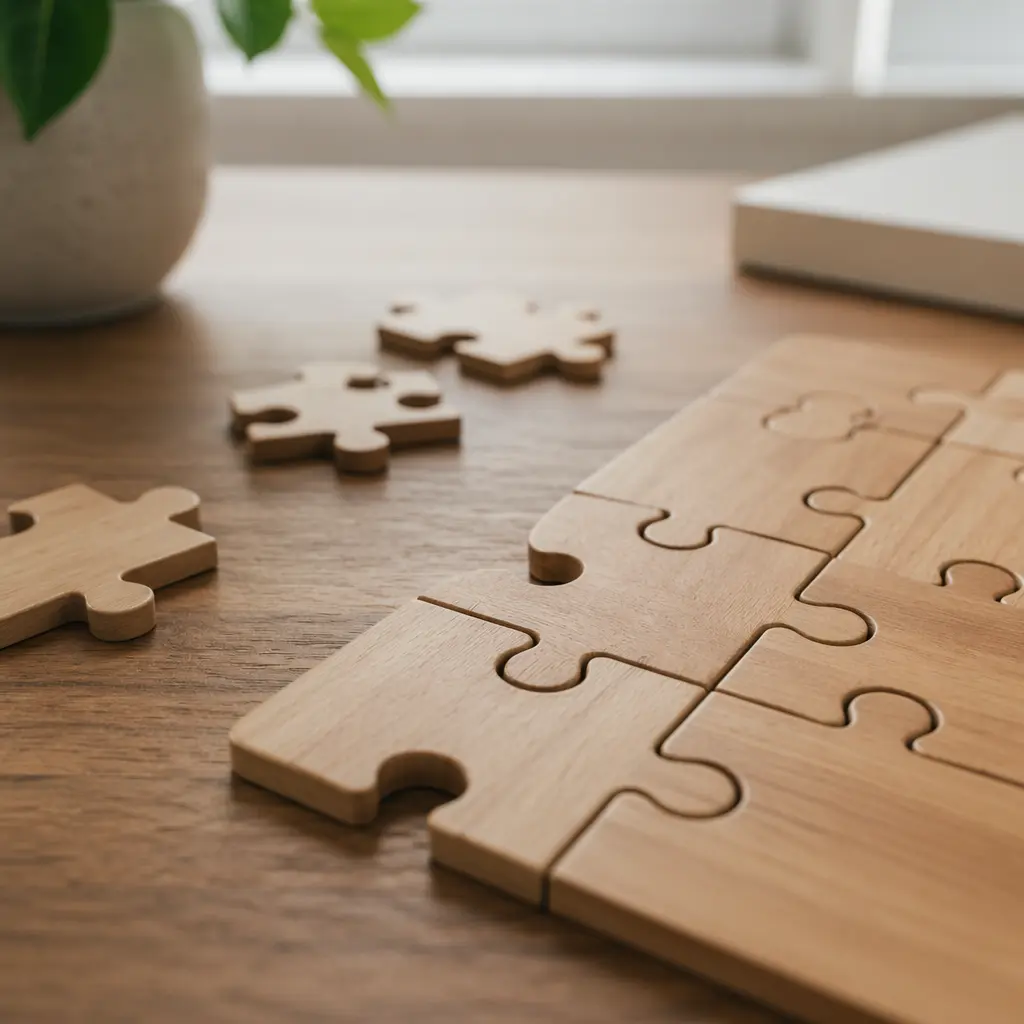
Puzzle toys for teens should respect their growing skills and attention span. Materials, challenge level, and replay value all matter more at this age than bright colors or novelty features.
- Appropriate difficulty: Look for puzzles labeled for teens or advanced solvers, with multi-step solutions or increasing levels.
- Durable materials: Solid wood, metal, or thick card stock hold up to repeated handling.
- Clear goal: Teens tend to engage longer when the objective is well-defined, such as freeing a piece or completing a pattern.
- Replay value: The best puzzles can be reset and solved again, or approached with different strategies.
- Compact size: Portable puzzles work well for backpacks, desks, and travel.
Age suitability
While these puzzles are appropriate for ages 13 and up, ability levels vary widely. Some teens enjoy quick challenges they can solve in minutes, while others prefer long-form problems that take hours or even days. Many classic puzzles scale well, remaining interesting as skills improve. When shopping, check whether a puzzle offers hints, graduated difficulty, or optional constraints that increase the challenge over time.
Standout categories or types
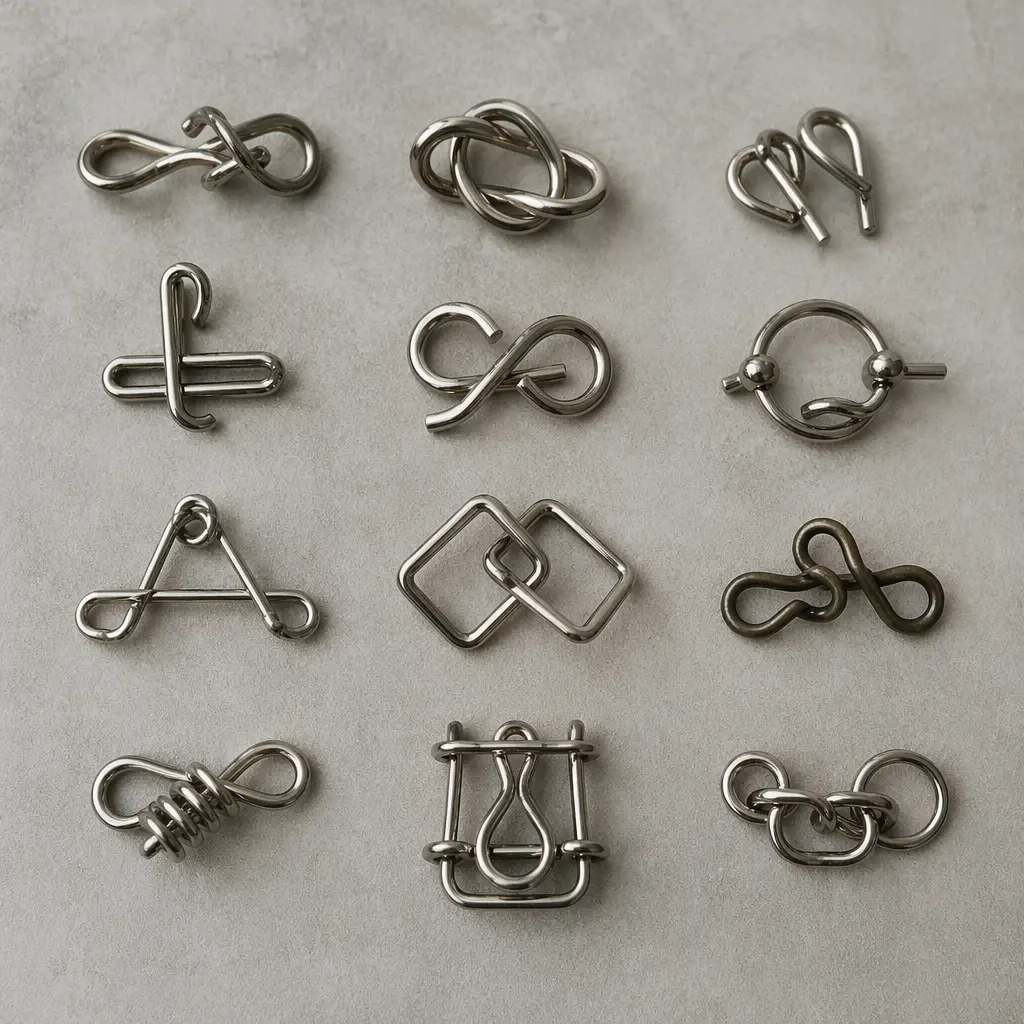
Several categories of classic puzzles continue to resonate with teens because they combine logic, spatial reasoning, and hands-on problem solving. These types have been around for decades, yet still feel fresh because the challenge comes from thinking, not technology.
- Mechanical disentanglement puzzles: Usually made of metal or wood, these ask the solver to separate or free pieces without force.
- Assembly and packing puzzles: The goal is to fit all pieces into a frame or shape, testing spatial awareness and patience.
- Twisty and rotational puzzles: These involve turning sections to restore order or achieve a specific pattern.
- Logic and deduction puzzles: Often paper-based or tile-based, these focus on reasoning through clues to reach a single solution.
- Sequential puzzles: Solvers must discover the correct order of moves, making trial-and-error part of the learning.
Frequently asked questions
Are classic puzzle toys too easy for teens?
Not necessarily. Many classic designs come in advanced versions or have solutions that are deceptively complex. The simplicity of the pieces often hides a high level of difficulty.
Do these puzzles help with learning?
Yes. Puzzle toys can support skills such as problem solving, persistence, spatial reasoning, and logical thinking. They are especially useful as low-pressure mental exercise.
How long will a teen stay interested?
Interest depends on the match between difficulty and skill. Well-chosen puzzles often see repeated use, with teens returning to improve speed or try new strategies.
Are unplugged puzzles still appealing in a digital age?
Many teens appreciate having a hands-on option that feels different from screens. Physical puzzles can be calming and offer a clear sense of progress.
Classic puzzle toys endure because they meet teens where they are: curious, capable, and ready for real challenges. By choosing durable materials and age-appropriate difficulty, parents can offer an unplugged option that stays relevant well beyond childhood.