Wooly Willy: The magnetic face toy that never really disappeared
Wooly Willy turned loose iron filings into eyebrows, hair, and mustaches in 1955, and the simple magnetic drawing trick still has a strangely satisfying pull decades later.
Compare prices and availability
Check current prices and availability for this guide on eBay.
As an eBay Partner, we may be compensated if you make a purchase.
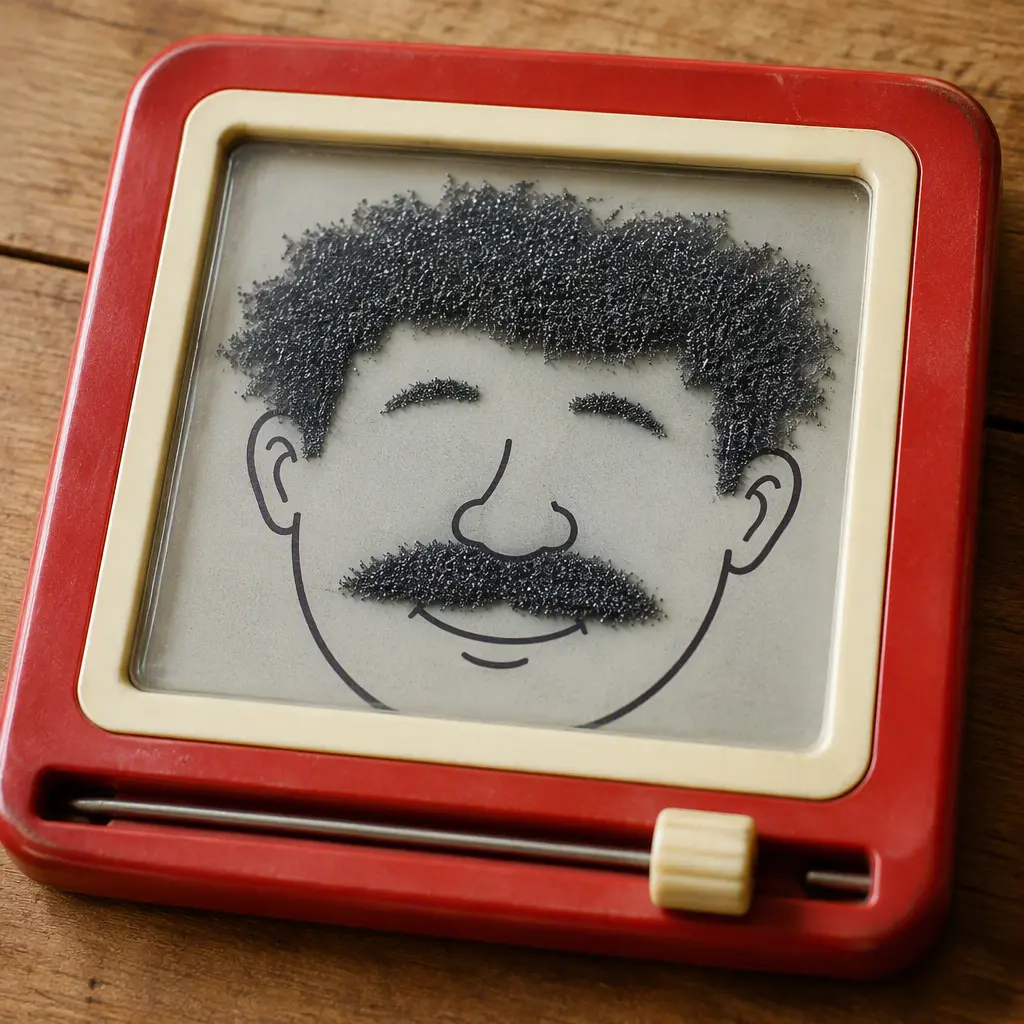
Few toys do so much with so little as Wooly Willy. First sold in the mid-1950s, the pocket-sized magnetic drawing toy asks children to move tiny metal filings around a cartoon face using a magnetic wand. That is the entire idea, yet generations of kids have spent long stretches carefully building eyebrows, sideburns, mustaches, and wild hairstyles one shaky sweep at a time. In an era filled with screens, batteries, and constant updates, Wooly Willy still stands out because the interaction feels immediate and oddly physical. You can see the magnetic pull working under the surface, and every mistake becomes part of the fun.
Where it came from
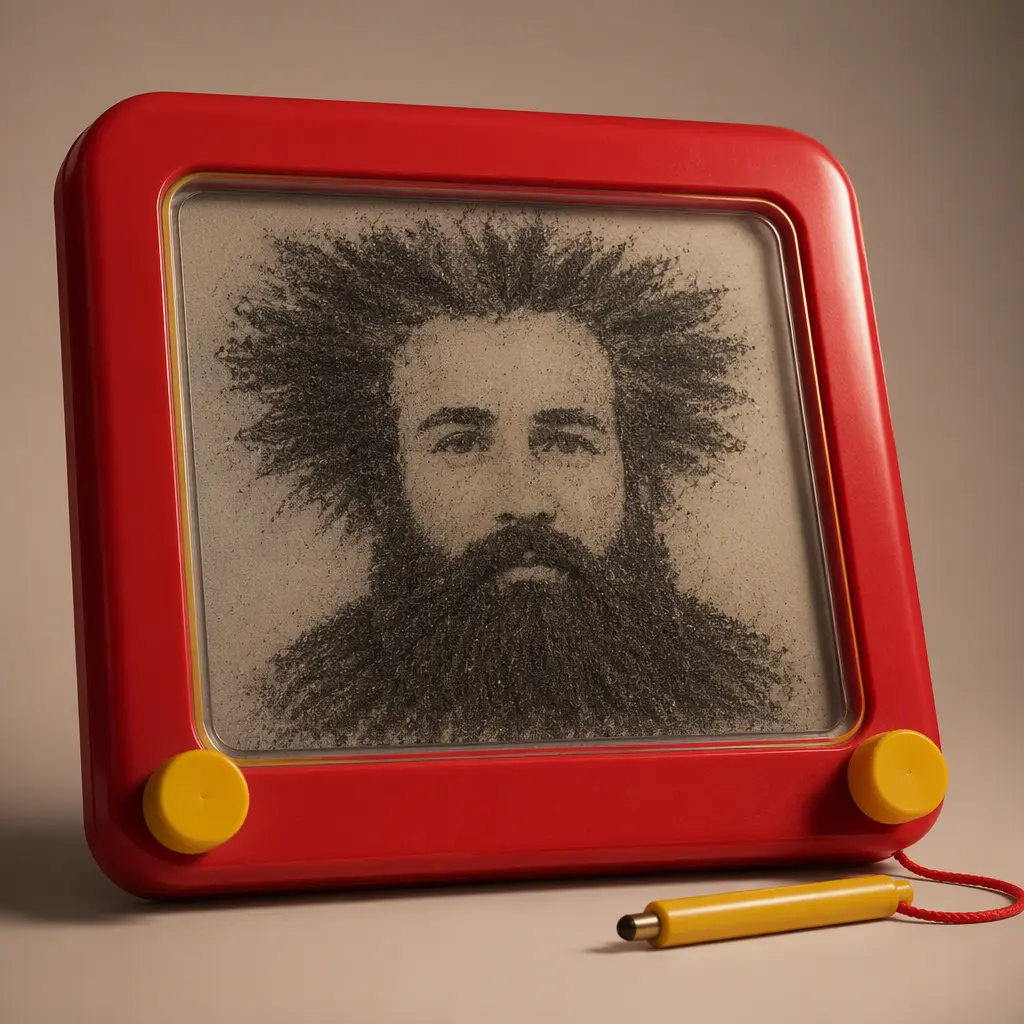
Wooly Willy was introduced in 1955 by the Smethport Specialty Company, a small manufacturer based in Pennsylvania. The toy arrived during a period when inexpensive novelty toys and compact travel games were becoming household staples. Its inventor, Leonard Mackowski, built the idea around a straightforward magnetic principle: small iron particles trapped inside a sealed plastic window could be moved with a magnet hidden inside a wand. Instead of freeform drawing, the filings were guided onto a printed cartoon face, instantly creating hair, beards, and comic expressions.
Part of the toy's staying power came from its portability and durability. Wooly Willy fit easily into cars, waiting rooms, classrooms, and rainy-day toy boxes. Unlike crayons or paints, it created no mess outside the toy itself. Parents appreciated that simplicity, while children enjoyed the low-pressure creativity. There was no correct outcome, no scoring system, and no instructions beyond moving the filings around. The toy also reflected the visual humor of mid-century American cartoons, where exaggerated mustaches and hairstyles made characters instantly recognizable.
Why it works
The appeal of Wooly Willy comes from combining art play with visible cause and effect. A child moves the magnetic wand beneath the board and immediately sees the dark filings jump into place. The movement feels almost alive because the filings never settle perfectly. Hair ends up lumpy, uneven, or unexpectedly expressive, which gives every attempt personality. The toy rewards experimentation rather than precision. A quick swipe can create a full beard, while tiny motions can shape eyebrows or curls.
There is also a tactile quality to the experience even though users never directly touch the filings. The resistance of the magnetic pull and the shifting weight of the particles make the toy feel more physical than many modern drawing apps or digital sketch pads. Adults often rediscover Wooly Willy and realize that its calming effect comes from repetitive motion and simple sensory feedback. It occupies a space somewhere between doodling, puzzle-solving, and fidget play.
- Magnetic movement that creates instant visual feedback
- Reusable design with no paper, ink, or batteries
- Simple rules that encourage open-ended creativity
- Compact format suited to travel and waiting-room play
- Funny facial designs that invite experimentation and humor
Who it's for
Wooly Willy has traditionally been aimed at younger children, especially those developing hand control and basic creative confidence. The magnetic wand is easy to understand, and the toy works without reading instructions. At the same time, it has long attracted adults who enjoy vintage toys, desk distractions, or nostalgic collectibles. Because the play pattern is low-stress and repetitive, many people find it relaxing in the same way they might enjoy doodling on scrap paper. The toy's charm also crosses generations easily. Grandparents often recognize it immediately, while younger children still understand the joke of giving a cartoon face giant eyebrows or an absurd beard.
Variants and what to look for today
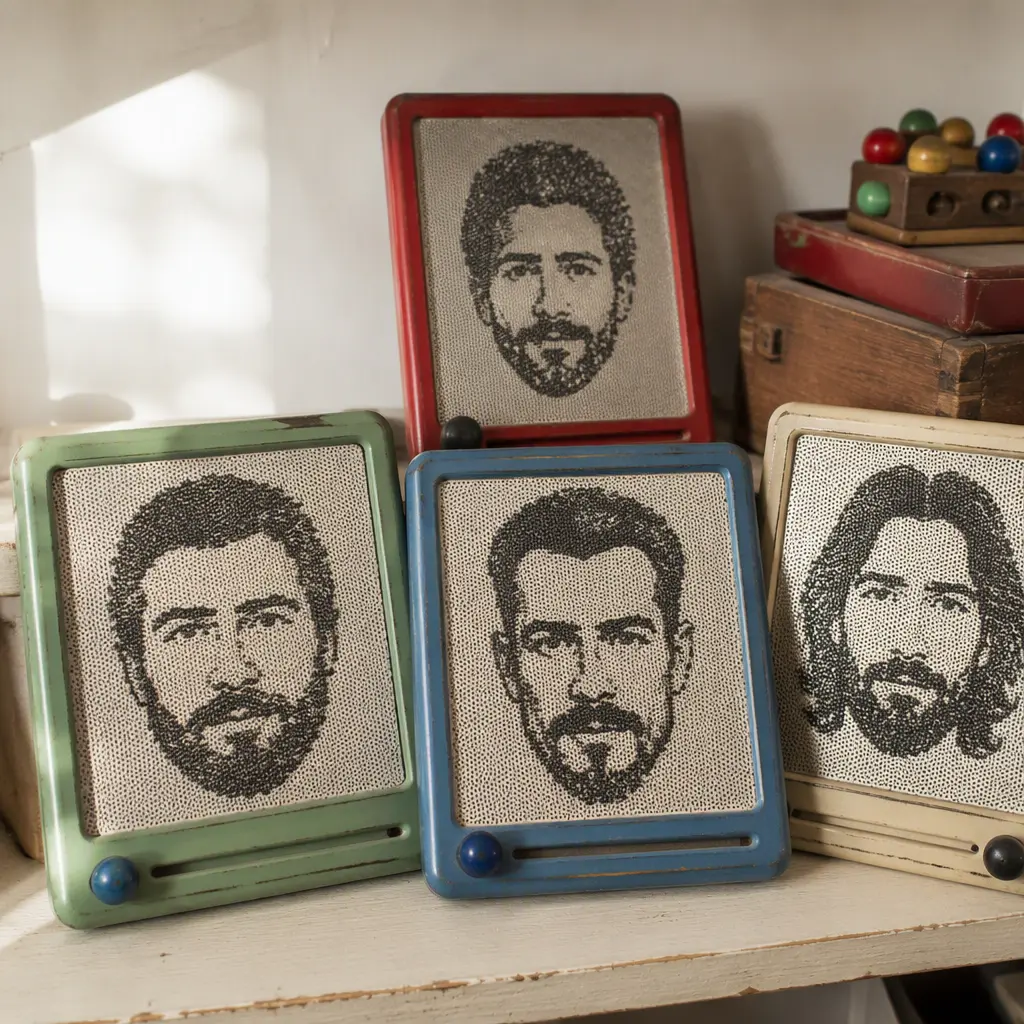
Over the decades, Wooly Willy inspired many similar magnetic drawing toys featuring different characters, hairstyles, and themes. Some versions focused on monsters, pets, or fantasy faces instead of the original cartoon man. Modern editions often use brighter plastics and slightly updated artwork, but the core mechanic remains almost unchanged from the 1950s design. That consistency is part of the appeal. The toy still works best when it stays simple.
Collectors often seek older editions because of their retro artwork and packaging, while families usually prefer newer reproductions that are easier to find and less delicate. When shopping today, it helps to pay attention to build quality. Cheap imitations can have weak magnets, cloudy plastic windows, or filings that clump badly. A good version should move smoothly and allow the filings to spread evenly across the surface.
- Look for sealed construction with no loose filings escaping
- Choose versions with a responsive magnetic wand
- Vintage editions may show wear or scratched plastic windows
- Travel-sized magnetic drawing toys remain common and inexpensive
- Generic knockoffs sometimes use weaker magnetic material that feels less satisfying
Frequently asked questions
How does Wooly Willy actually work?
Inside the toy are tiny iron filings sealed behind a clear plastic window. A magnetic wand underneath the surface attracts the filings and moves them around the printed face illustration.
Is Wooly Willy still made today?
Yes. Versions of the toy and similar magnetic face-drawing games are still available through specialty toy shops, novelty retailers, and online marketplaces. Designs vary, but the basic magnetic concept remains the same.
Is it considered safe for children?
The filings are sealed inside the toy, which is part of why the original concept became popular with parents. As with many older-style toys, younger children should still be supervised to make sure the plastic casing remains intact.
Why do adults still like it?
Part nostalgia, part tactile satisfaction. The slow magnetic movement and endlessly repeatable designs can feel calming, and the toy delivers a kind of hands-on interaction that many digital experiences do not replicate.
Wooly Willy survives because it delivers a tiny moment of control and creativity with almost no learning curve. It is playful without being loud, inventive without being complicated, and humorous without needing characters or storylines. More than seventy years after its debut, the toy still proves that a clever physical idea can outlast trends, technologies, and entire generations of entertainment.