Briarpatch I Spy Eagle Eye and the Rise of Seek-and-Find Games
Briarpatch I Spy Eagle Eye turned the visual puzzles of the popular picture books into a fast family board game, blending sharp observation, quick reactions, and accessible play for mixed ages.
Compare prices and availability
Check current prices and availability for this guide on eBay.
As an eBay Partner, we may be compensated if you make a purchase.
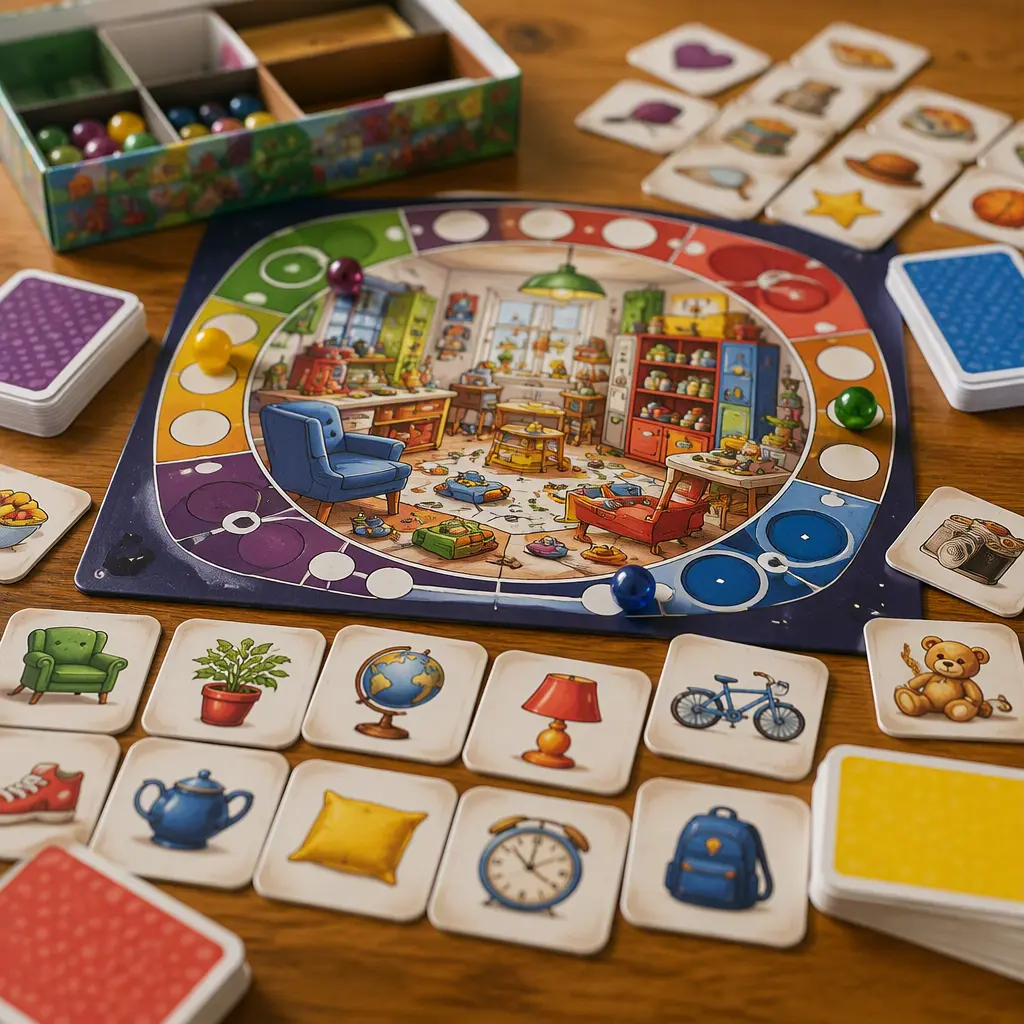
Briarpatch I Spy Eagle Eye arrived at a moment when family games were shifting away from long rulebooks and toward quick, visual play that children and adults could enjoy together. Based on the hugely successful I Spy picture-book series, the game transformed the books’ detailed object hunts into a tabletop competition built around speed, observation, and pattern recognition. Instead of reading clues alone on a couch or classroom rug, players raced one another to spot tiny objects hidden in busy images. The result was a game that felt educational without presenting itself as homework, and energetic without relying on complicated strategy.
Where it came from
The I Spy franchise began as a series of photographic puzzle books created by author Jean Marzollo and photographer Walter Wick. First published in the early 1990s, the books became classroom staples thanks to their combination of rhyming riddles and densely packed photographs filled with carefully staged objects. Children were encouraged to slow down, scan details, and connect words with visual clues. The books stood apart from many picture-book trends because they rewarded patience and concentration rather than fast reading skills alone.
By the early 2000s, educational entertainment brands were increasingly moving into board games, and Briarpatch became one of the companies most associated with adapting literacy-friendly children’s media into tabletop form. Released in 2003, I Spy Eagle Eye kept the central appeal of the books intact: finding hidden objects before someone else does. Rather than reproducing long reading riddles, the game streamlined the experience into rapid rounds that worked well for younger players, siblings, and mixed-age family groups. It fit neatly into the growing market for games that could bridge educational value and casual game-night fun.
Why it works
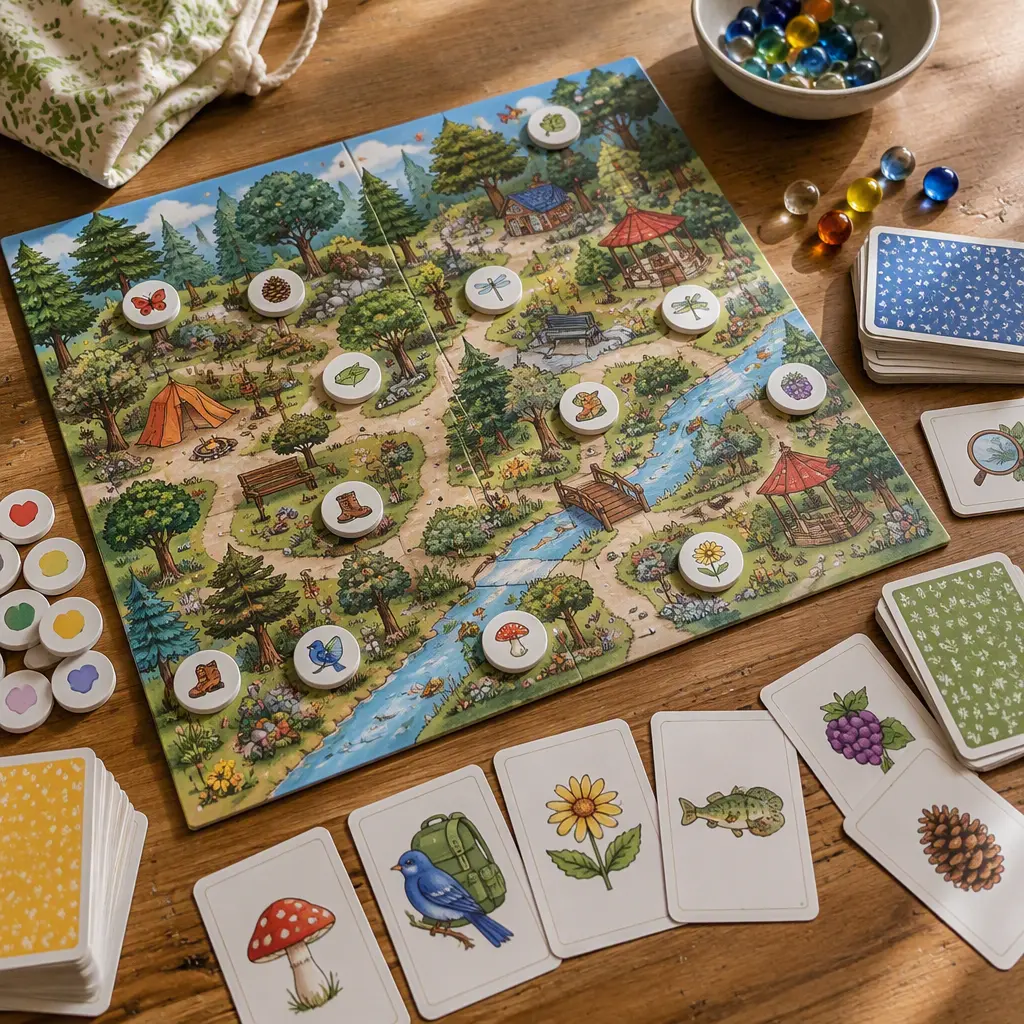
The core mechanic behind I Spy Eagle Eye is remarkably simple. Players study detailed image cards and race to identify matching objects before their opponents. That simplicity is exactly why the game endured in homes, classrooms, and libraries. Children can participate even if they are still developing reading fluency, while adults remain engaged because visual scanning under time pressure is naturally competitive. The game creates excitement without requiring trivia knowledge or advanced planning.
Another reason the design works is the way it encourages repeated play. Seek-and-find games often succeed because the challenge changes depending on who is playing and how quickly players process visual information. Younger children may focus on obvious shapes and colors, while older players begin spotting patterns and shortcuts. The game also creates a shared table experience instead of isolating players behind individual turns for long stretches.
- Fast rounds that keep younger players engaged
- Visual gameplay that works across reading levels
- Highly detailed artwork and object photography
- Simple rules that are easy to teach in minutes
- Competitive but low-pressure family interaction
Who it's for
I Spy Eagle Eye was designed primarily for elementary-school-aged children, but it has broader appeal than many licensed family games from the same period. Younger players enjoy the excitement of quick discoveries, while older siblings and adults often become surprisingly invested in spotting objects first. Because the gameplay depends more on perception than reading or math skills, it works especially well in mixed-age groups. Teachers and parents also appreciated that the game quietly reinforced attention to detail, vocabulary, and visual discrimination without feeling overtly educational.
Variants and what to look for today
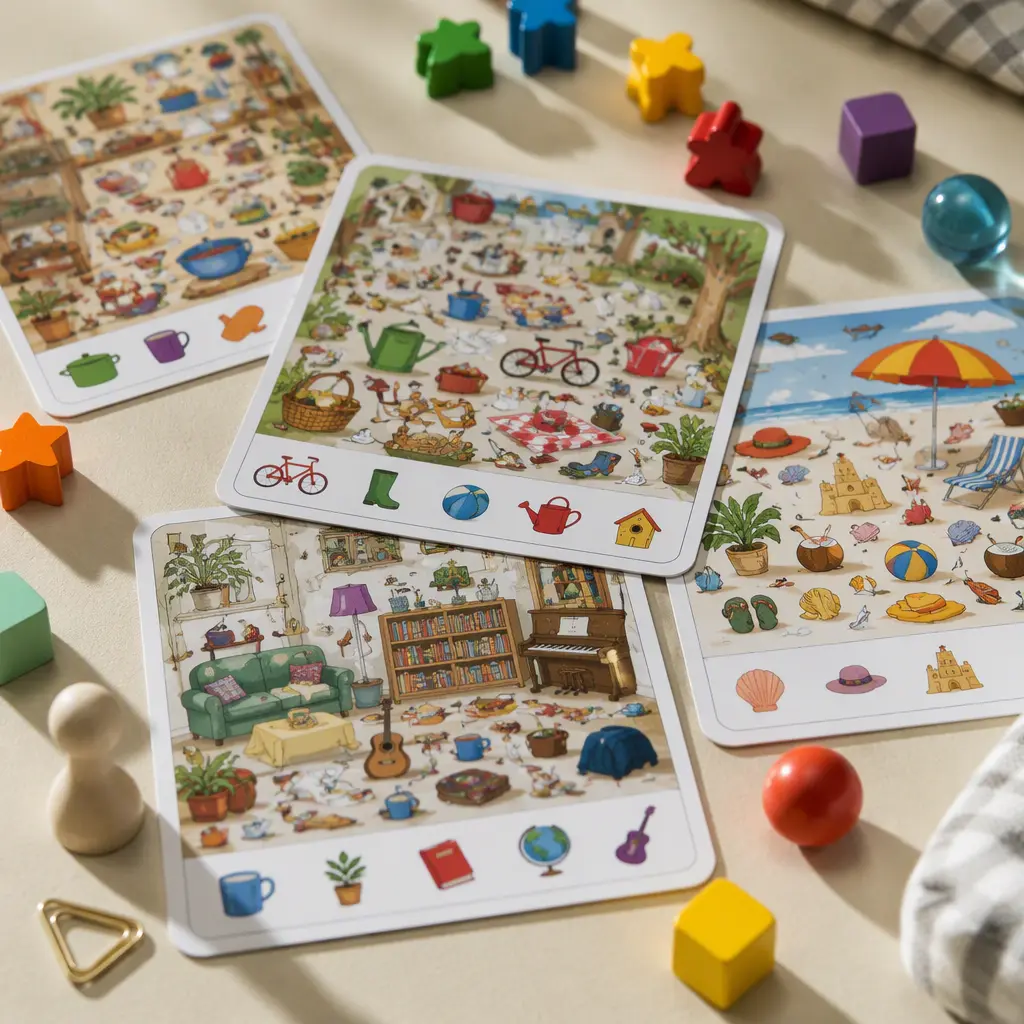
Like many successful family games tied to a larger media brand, I Spy Eagle Eye appeared alongside other I Spy tabletop releases and puzzle-focused adaptations over the years. Some versions emphasized faster reaction play, while others leaned more heavily into matching or memory mechanics. The common thread remained the same: visually rich scenes filled with hidden objects.
Families looking for older editions today will usually encounter used copies through online marketplaces, thrift stores, or educational resale shops. Since the gameplay depends on physical components like marbles, cards, and tokens, completeness matters more than box condition. Missing pieces can affect play more than cosmetic wear. It is also worth paying attention to image quality in older copies, since heavily worn cards can make hidden objects harder to distinguish.
- Check for complete card sets and playing pieces
- Look for clean image surfaces without heavy scratches
- Younger children may prefer editions with simpler visuals
- Avoid heavily faded copies where details are difficult to spot
- Classroom-used versions may show more wear but can still play well
Frequently asked questions
Is I Spy Eagle Eye based directly on the books?
Yes. The game draws heavily from the visual style and object-search concept of the I Spy books, translating the hidden-object experience into a competitive group activity.
Does the game require strong reading skills?
Not especially. One reason the game became popular with families and classrooms is that it relies primarily on visual observation. Younger children can participate alongside stronger readers.
How long does a typical game last?
Most sessions move quickly compared with traditional board games. Rounds are fast, and many families treat the game as a short activity between larger games or evening routines.
Why did seek-and-find games become so popular?
Seek-and-find games appeal across age groups because they reward concentration, curiosity, and quick recognition rather than specialized knowledge. They are easy to explain and naturally encourage group interaction.
More than two decades after its release, Briarpatch I Spy Eagle Eye remains a good example of how children’s publishing and tabletop gaming began to overlap in the early 2000s. It captured the visual curiosity that made the I Spy books successful and reshaped it into something social, fast-moving, and accessible. While many licensed games from that era faded quickly, this one is still remembered because it understood the core appeal of its source material: the simple satisfaction of noticing something hidden in plain sight.