Foam Dice Games vs Card Games for Family Travel
Choosing between foam dice games and card games for family travel depends on space, noise, replay value and mixed ages. This guide compares both for offline trips with children aged 6–8.
Compare prices and availability
Check current prices and availability for this guide on eBay.
As an eBay Partner, we may be compensated if you make a purchase.
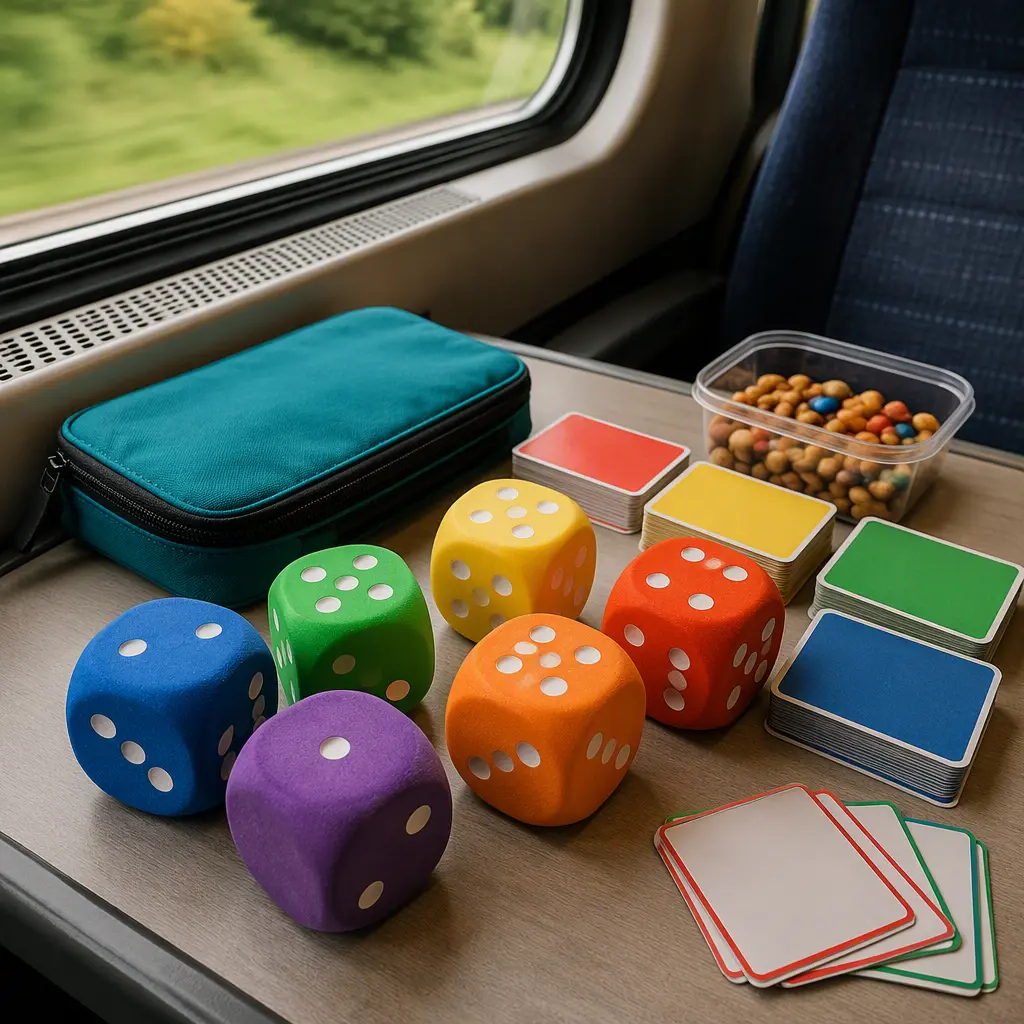
For offline family trips, both foam dice games and card games can keep children occupied without screens, charging cables or large play surfaces. The better choice often depends less on the game itself and more on the realities of travel: limited space, noise levels, sibling age gaps and how often the game can be replayed before boredom sets in. Families travelling with children aged 6 to 8 may find that one format fits their routines more naturally than the other. Foam dice games are usually easier for younger children to handle quickly and can feel more active and social, while card games tend to pack smaller and offer wider variety for older children and adults. Understanding the trade-offs helps avoid bringing games that are too fiddly for a car ride, too noisy for a plane cabin or too complicated for mixed-age siblings.
What to look for
Travel games work best when setup is quick, pieces are hard to lose and children can understand the rules without constant adult help. Foam dice and card games solve these problems differently. Foam dice are larger, softer and easier to grip, which helps younger players or children who become frustrated by small cards slipping around. Card games usually take up less luggage space and often provide more gameplay variety from a single deck.
- Choose games with short rounds for travel days with interruptions or changing seating arrangements.
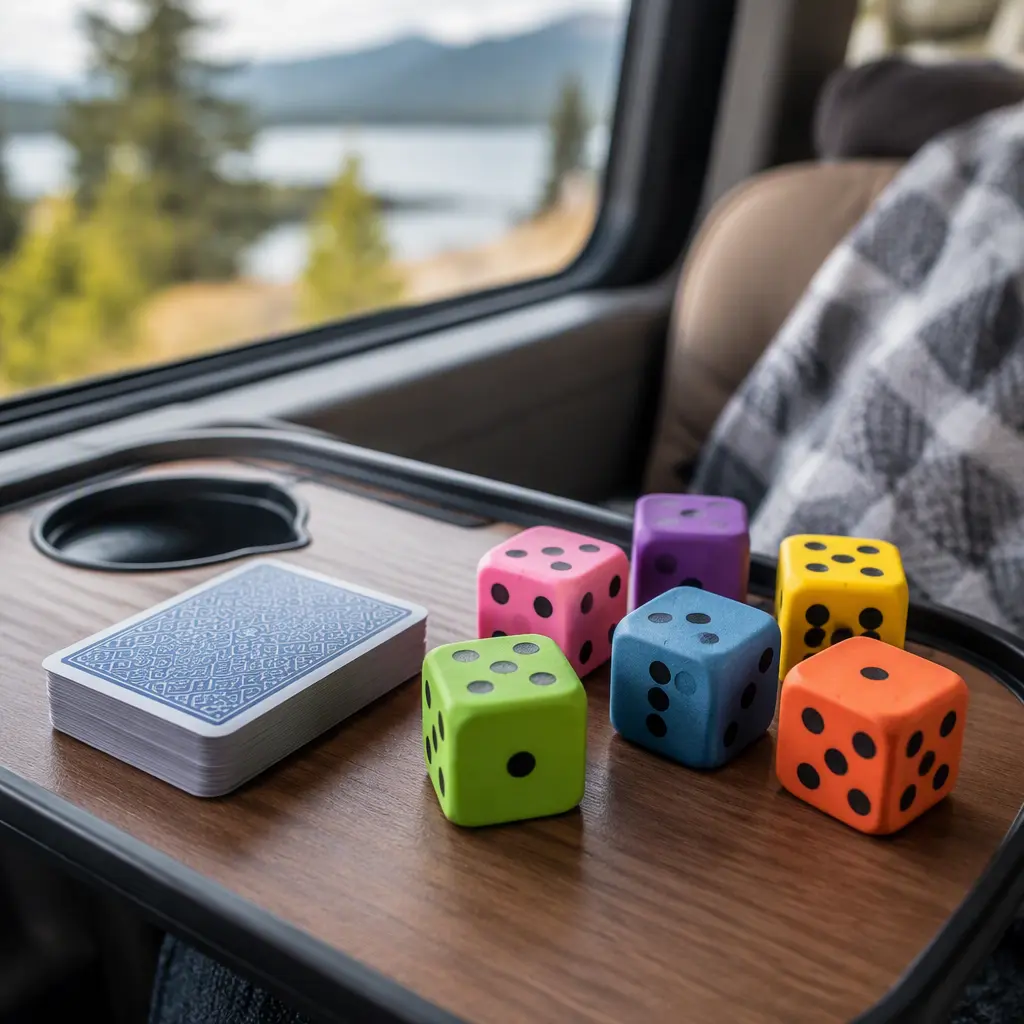
- Consider noise levels. Foam dice are quieter than hard plastic dice but can still become repetitive in small shared spaces.
- Check whether the game needs a flat surface. Many card games become frustrating in cars or on uneven seats.
- Look for replay value. Simple luck-based games suit shorter trips, while strategy-based card games often stay interesting longer.
- Think about sibling age gaps. Cooperative or flexible-rule games reduce arguments when one child reads faster or understands scoring more easily.
- Prioritize durable storage. Zipper pouches, magnetic closures or hard card tins help prevent missing pieces during travel.
- Avoid games with many tiny tokens if you expect frequent packing and unpacking in airports, stations or restaurants.
Age suitability
For children aged 6 to 8, both foam dice games and beginner-friendly card games can work well, but attention span and reading confidence matter. Six-year-olds often prefer the physical action of rolling dice and counting results, especially if the game uses colors, matching or simple math. Eight-year-olds may enjoy card games with memory, tactics or light strategy because the gameplay changes more from round to round. Families with siblings outside this age range should also consider how inclusive the game feels. Younger siblings may struggle holding large hands of cards or understanding card text, while older children sometimes lose interest in purely luck-driven dice games. For mixed-age travel, simple card games with visual symbols rather than heavy reading requirements tend to balance accessibility and replay value most effectively.
Options compared
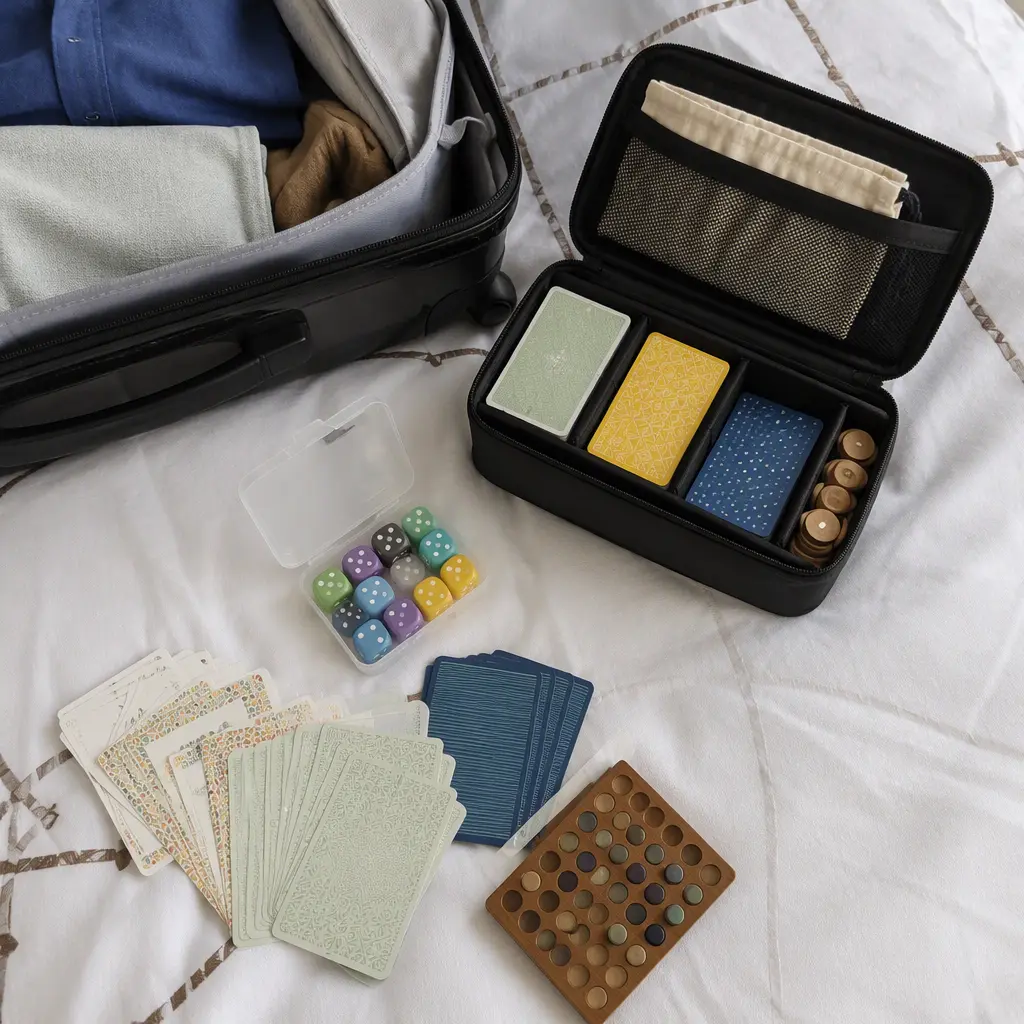
Foam dice games usually suit families looking for fast, energetic play with minimal reading. They are often easier to introduce during short waits at restaurants, campsites or airport gates because players can start quickly without sorting cards or explaining detailed rules. The softer material also reduces the sharp clatter associated with standard dice, which matters in hotel rooms or shared travel spaces. However, foam dice are physically bulkier than cards and may not fit easily into small carry-on bags. Some dice-based games also rely heavily on luck, which younger children may enjoy but older siblings may outgrow more quickly.
Card games generally win on portability and long-term replay value. A few compact decks can support many different games, which is useful on longer holidays where children want variety. Card games also tend to scale better for different player counts and can grow with children as they develop stronger reading and strategic thinking skills. The downside is that cards can bend, scatter or become frustrating in moving vehicles. Younger children may also need more adult support with shuffling, holding cards privately or remembering rules. Families travelling in tight seating arrangements may prefer simple open-hand card games or cooperative formats to reduce stress.
- Foam dice games: best for quick play, younger children, active personalities and noisy environments where durability matters.
- Card games: best for compact packing, longer trips, older siblings and families wanting more gameplay variety.
- Avoid bulky dice sets if luggage space is already limited.
- Avoid text-heavy card games for emerging readers or children who tire easily during travel.
- For mixed ages, look for games with adjustable rules or cooperative play rather than strict competitive scoring.
Frequently asked questions
Are foam dice games quieter than regular dice games?
Usually yes. Foam dice reduce the hard clicking noise made by plastic or wooden dice on tables. They are still not silent, especially if children repeatedly toss them onto trays or floors, but they are generally more travel-friendly for shared spaces such as hotel rooms or train tables.
Which option is easier for siblings with different ages?
Simple card games with visual matching or cooperative rules often handle age gaps better because adults can adjust difficulty more easily. Foam dice games can work well too, but heavily luck-based formats may frustrate older children who want more decision-making.
Do card games require more supervision during travel?
Often they do, especially with younger children. Cards are easier to drop, lose or mix together during movement. Children aged 6 to 8 may also need help shuffling or understanding turn order. Foam dice games usually involve fewer pieces and quicker cleanup.
What works better on airplanes or long train rides?
Compact card games usually fit airline tray tables more comfortably and create less movement around nearby passengers. Foam dice can still work well if the game only needs a few rolls and does not encourage throwing or chasing pieces across the floor.
How many travel games should families pack?
For most trips, two or three compact options are enough. Many families benefit from bringing one fast game for short waits and one deeper game for evenings or downtime. Overpacking games can create clutter and make cleanup harder during travel transitions.
For family travel with children aged 6 to 8, foam dice games are often the simpler choice for quick, energetic offline play, while card games usually provide better portability and longer-lasting variety. The right fit depends on where the games will be used, how much luggage space is available and whether younger or older siblings need to stay equally engaged. Choosing games with durable pieces, flexible rules and short setup times usually matters more than choosing the most complicated or novelty-focused option.