Best Building Toys for Toddlers Who Love Knocking Down
A parent-friendly guide to sturdy, open-ended building toys for ages 1–2 that welcome crash-and-build play, support motor skills, and stand up to repeated toppling.
Compare prices and availability
Check current prices and availability for this guide on eBay.
As an eBay Partner, we may be compensated if you make a purchase.
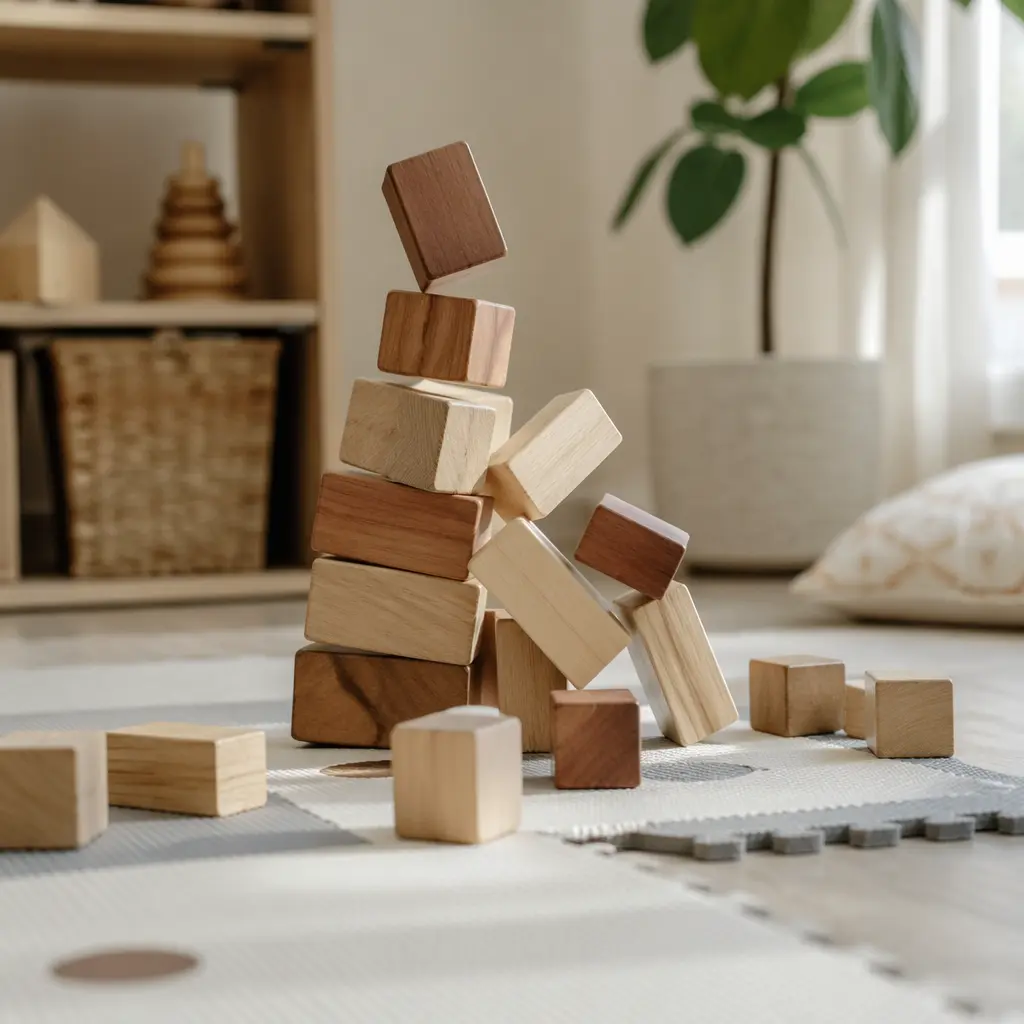
Many toddlers love the moment blocks tumble and towers crash. For children ages 1–2, knocking things down isn’t mischief—it’s learning. Toys built for crash-and-build play let toddlers explore cause and effect, practice coordination, and repeat actions safely. This guide focuses on sturdy, open-ended building toys that invite stacking, tipping, and rebuilding without frustration.
What to look for
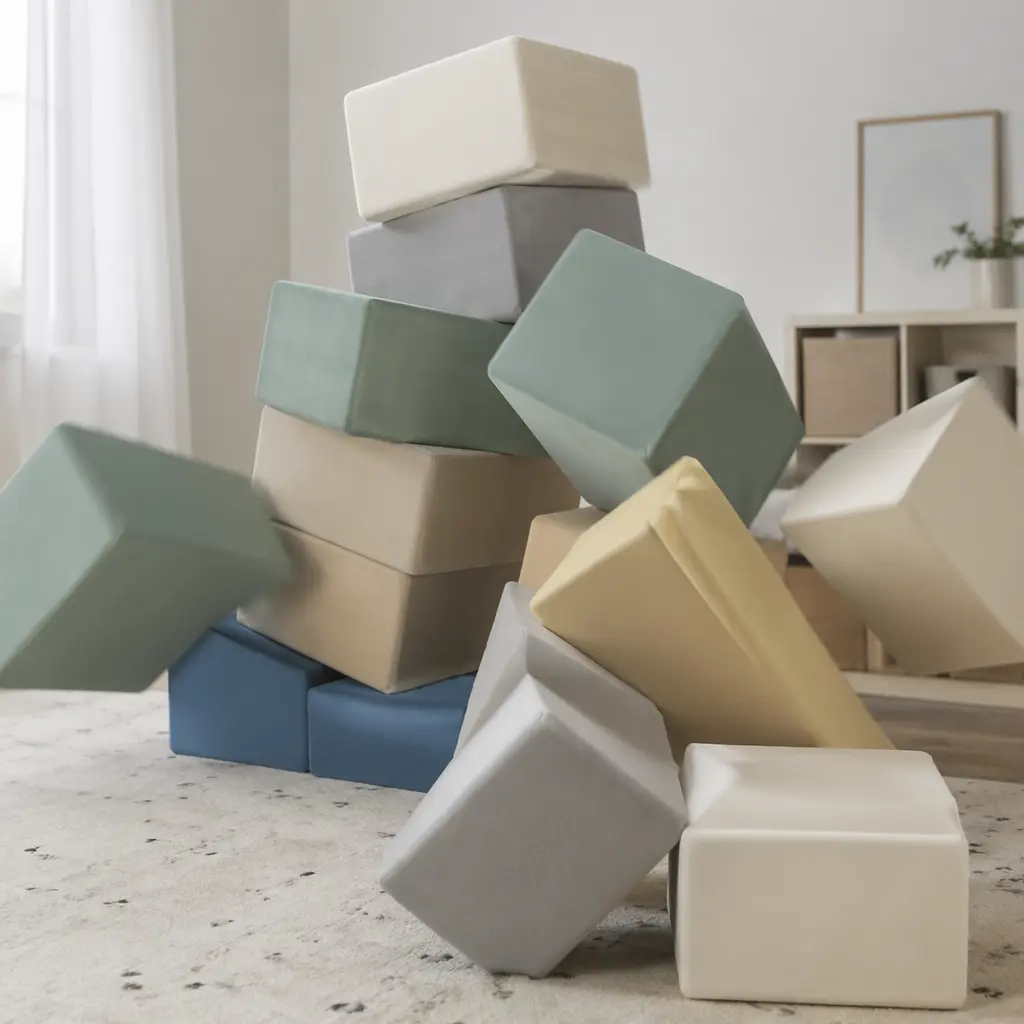
Crash-friendly building toys share a few traits that make them satisfying and safe for young toddlers. At this age, durability and simplicity matter more than complex instructions or perfect balance.
- Sturdy materials that won’t crack or splinter when toppled repeatedly
- Large, easy-to-grip pieces sized to discourage mouthing
- Simple shapes that stack quickly and fall dramatically
- Soft edges or flexible construction to reduce bumps
- Open-ended design with no “right way” to build
- Easy cleanup and storage for frequent use
Age suitability
For children 1–2 years old, building toys should match early motor skills and short attention spans. At this stage, toddlers are learning to stack two or three items, push structures over, and repeat the process many times. Toys labeled for older preschoolers may be frustrating or unsafe due to smaller parts or higher balance demands. Look for sets specifically designed for early toddlers, often described as “first blocks” or “early builders,” with emphasis on grasping, stacking, and knocking down rather than detailed construction.
Standout categories or types
Different materials create different knock-down experiences. Choosing the right type depends on your child’s energy level, play space, and sensitivity to noise.
- Foam blocks: Lightweight and quiet, ideal for energetic topple play indoors
- Chunky wooden blocks: Heavier and satisfying to stack, with a solid crash
- Soft fabric or vinyl blocks: Gentle for early walkers and shared spaces
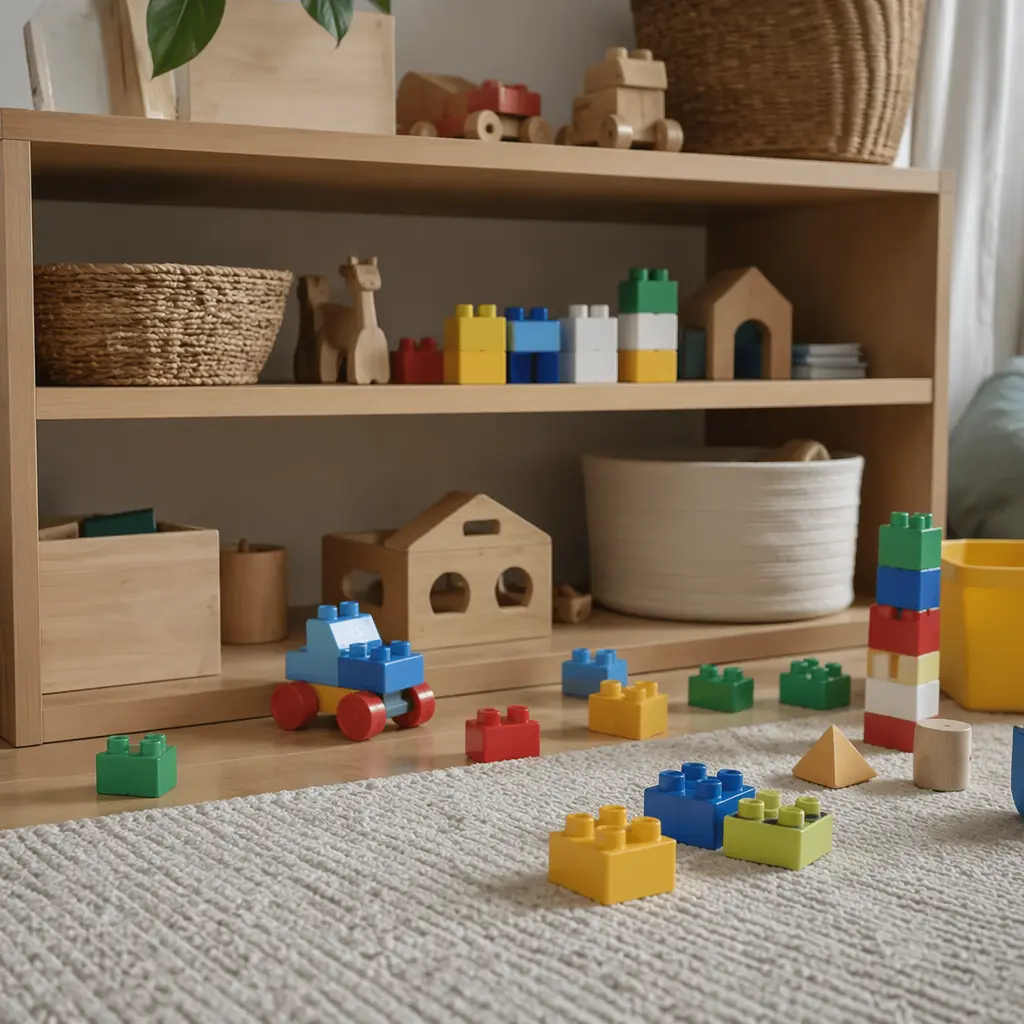
- Interlocking toddler blocks: Looser connections that still come apart easily
- Cardboard or recycled board blocks: Very light and dramatic to knock over
Open-ended sets with mixed shapes tend to hold attention longer than themed kits. The goal isn’t to build something recognizable, but to experiment—stacking tall, pushing sideways, and watching gravity do the rest.
Frequently asked questions
Is knocking down towers really educational?
Yes. Knocking down helps toddlers understand cause and effect, practice timing and force, and build confidence through repetition. It also supports gross and fine motor development as children reach, grasp, and push.
Should building toys be noisy or quiet?
That depends on your space and tolerance. Wooden blocks create more sound, which some toddlers enjoy. Foam or fabric options are quieter and better for apartments or shared rooms.
How many pieces are enough for a toddler?
A small set can be plenty. For ages 1–2, 10–20 large pieces usually offer enough variety without overwhelming cleanup or storage.
Can these toys grow with my child?
Many open-ended building toys remain useful as skills grow. What starts as knocking down can later become stacking higher, sorting shapes, or early pretend play.
For toddlers who love the crash as much as the build, the best toys are simple, sturdy, and forgiving. By choosing open-ended sets designed for early hands and enthusiastic toppling, parents can support learning while letting toddlers play the way they naturally do—build, knock down, and start again.