Best Building Toys for Kids Who Ignore Instructions
A parent-friendly guide to open-ended building toys for ages 6–8 that reward creativity, experimentation, and problem-solving—without step-by-step instructions.
Compare prices and availability
Check current prices and availability for this guide on eBay.
As an eBay Partner, we may be compensated if you make a purchase.
Some kids flip straight past the instruction booklet—and thrive. If your child prefers inventing their own designs, open-ended building toys can be a better fit than sets that expect a single finished model. These toys focus on creativity, trial and error, and problem-solving rather than following steps. For kids ages 6–8, the right set can support independence and confidence while still offering enough structure to keep play engaging.
What to look for
Open-ended building toys vary widely, but a few shared features make them especially friendly for kids who like to do things their own way. Prioritizing flexibility over instructions helps keep frustration low and creativity high.
- Multiple ways to connect pieces, so there’s no single “right” build
- Durable materials that can handle repeated rebuilding and experimentation
- A mix of shapes and sizes that encourage original designs
- Compatibility across sets or expansions for long-term play
- Minimal or optional instructions, often presented as ideas rather than rules
Age suitability
For ages 6–8, building toys should balance freedom with a manageable challenge. Pieces need to be easy enough to connect without adult help, but complex enough to support more advanced ideas as skills grow. At this age, many kids enjoy experimenting with balance, symmetry, and simple engineering concepts, even if they don’t use those terms. Sets labeled for this age band typically avoid small choking hazards while still offering enough variety to stay interesting over time.
Standout categories or types
Not all building toys encourage the same kind of creativity. Some are better for freeform exploration, while others gently introduce structure without locking kids into instructions. Understanding the main categories can help you match a toy to your child’s play style.
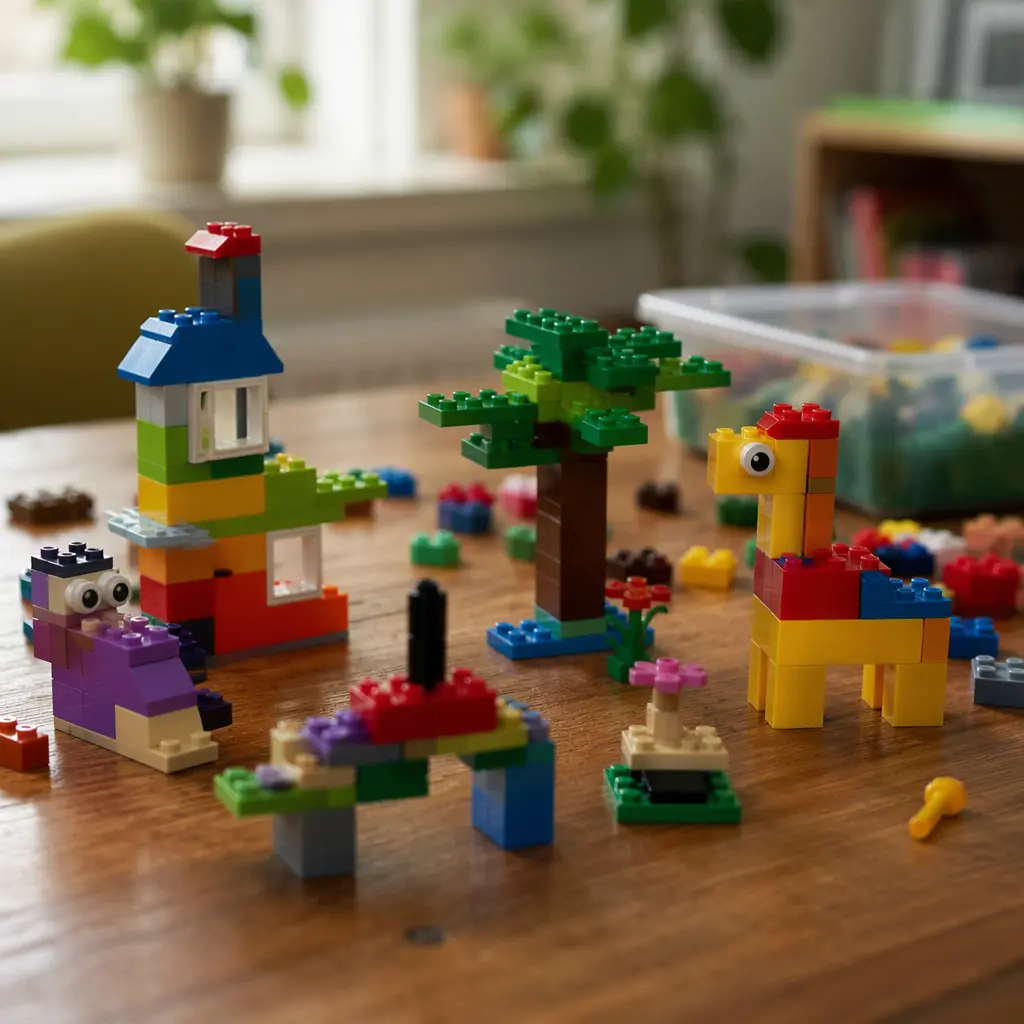
- Freeform construction sets: Loose pieces like planks, tiles, or blocks that stack and connect in many ways
- Magnetic or snap-together systems: Easy connections that support quick changes and rebuilding
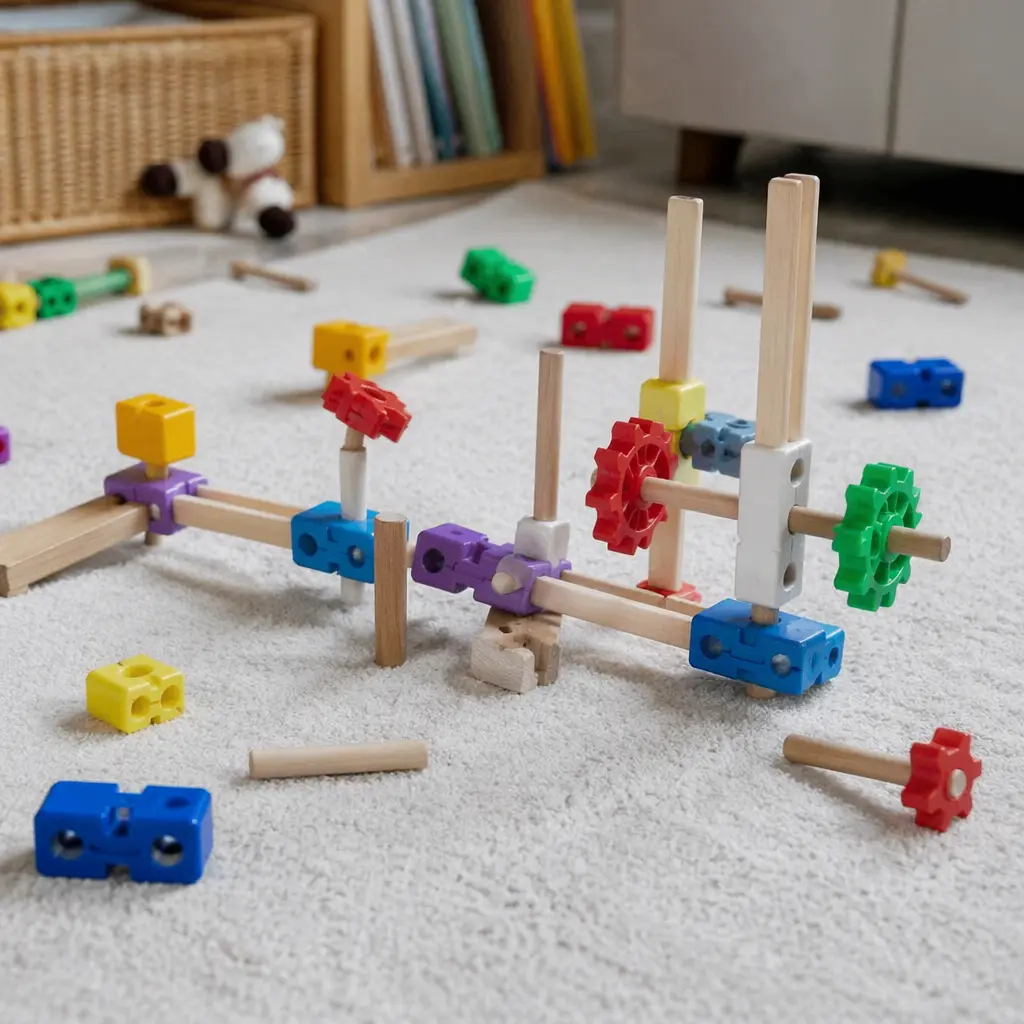
- Engineering-inspired kits: Gears, beams, and connectors that introduce basic mechanics without fixed outcomes
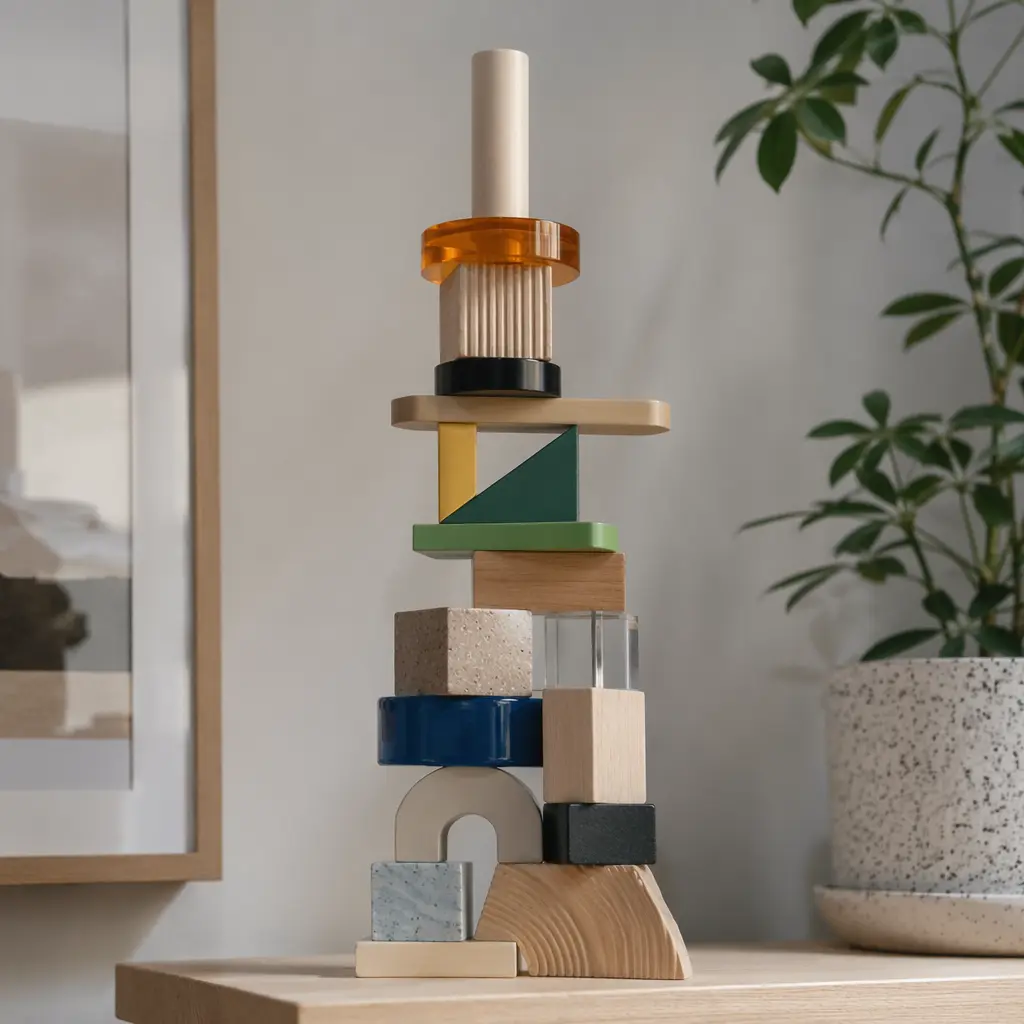
- Mixed-material sets: Combinations of wood, plastic, or metal that encourage experimenting with weight and balance
Frequently asked questions
Are open-ended building toys still educational?
Yes. Open-ended play supports skills like problem-solving, spatial reasoning, and creative thinking. Without step-by-step instructions, kids learn by testing ideas, adjusting plans, and learning from mistakes.
What if my child gets overwhelmed by too many options?
Some kids benefit from starting with a smaller set or a suggested challenge, like building a bridge or tower. Many open-ended toys include idea cards or examples that can be used as optional inspiration.
Do these toys work for group play?
Often, yes. Because there’s no single correct outcome, open-ended building toys can encourage collaboration. Kids can divide tasks, combine ideas, or build separate sections that connect into one larger creation.
How long do kids typically play with these sets?
Open-ended sets tend to have a longer play lifespan than instruction-based kits. As kids grow, they often return to the same pieces with new ideas and more advanced building skills.
For kids who ignore instructions, the best building toys are the ones that don’t insist on them. Open-ended sets can turn that independent streak into a strength, supporting creativity and confidence through play. By focusing on flexibility, durability, and age-appropriate challenge, parents can choose toys that grow with their child rather than limiting how they build.