Cheap Classic Building Toys That Beat Trendy Sets
A parent-friendly guide comparing affordable, open-ended building toys with trendy kits for ages 6–8. Learn what lasts longer, builds skills, and stretches play without stretching budgets.
Compare prices and availability
Check current prices and availability for this guide on eBay.
As an eBay Partner, we may be compensated if you make a purchase.
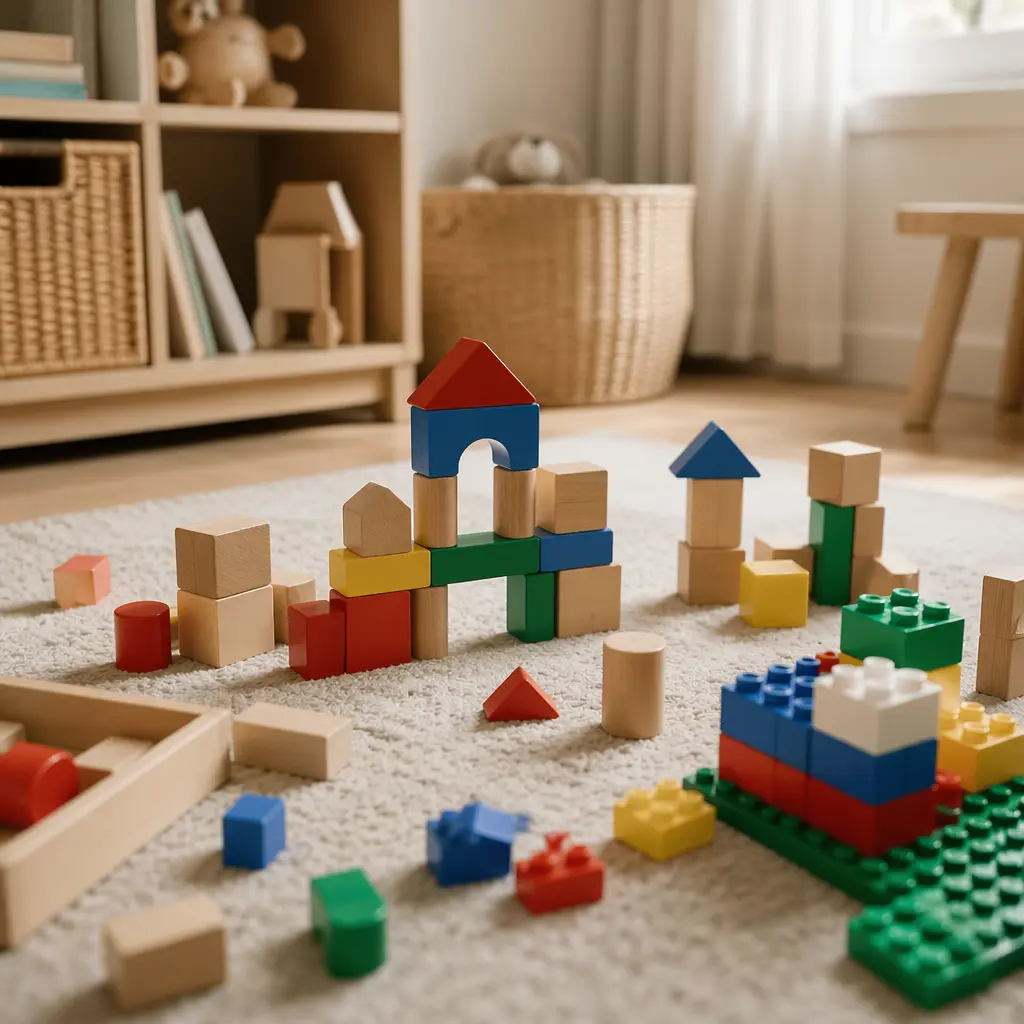
Parents shopping for building toys often face a choice: eye-catching, branded kits that promise instant excitement, or simpler, low-cost builders that look almost old-fashioned. For ages 6–8, that decision matters. At this stage, kids are developing problem-solving, spatial reasoning, and persistence. This guide compares affordable, open-ended building toys with trendy sets to help families choose options that last longer, cost less, and support real learning.
What to look for
Not all building toys are created equal. When comparing budget-friendly classics with trend-driven kits, focus on features that support long-term play and skill growth rather than flashy themes.
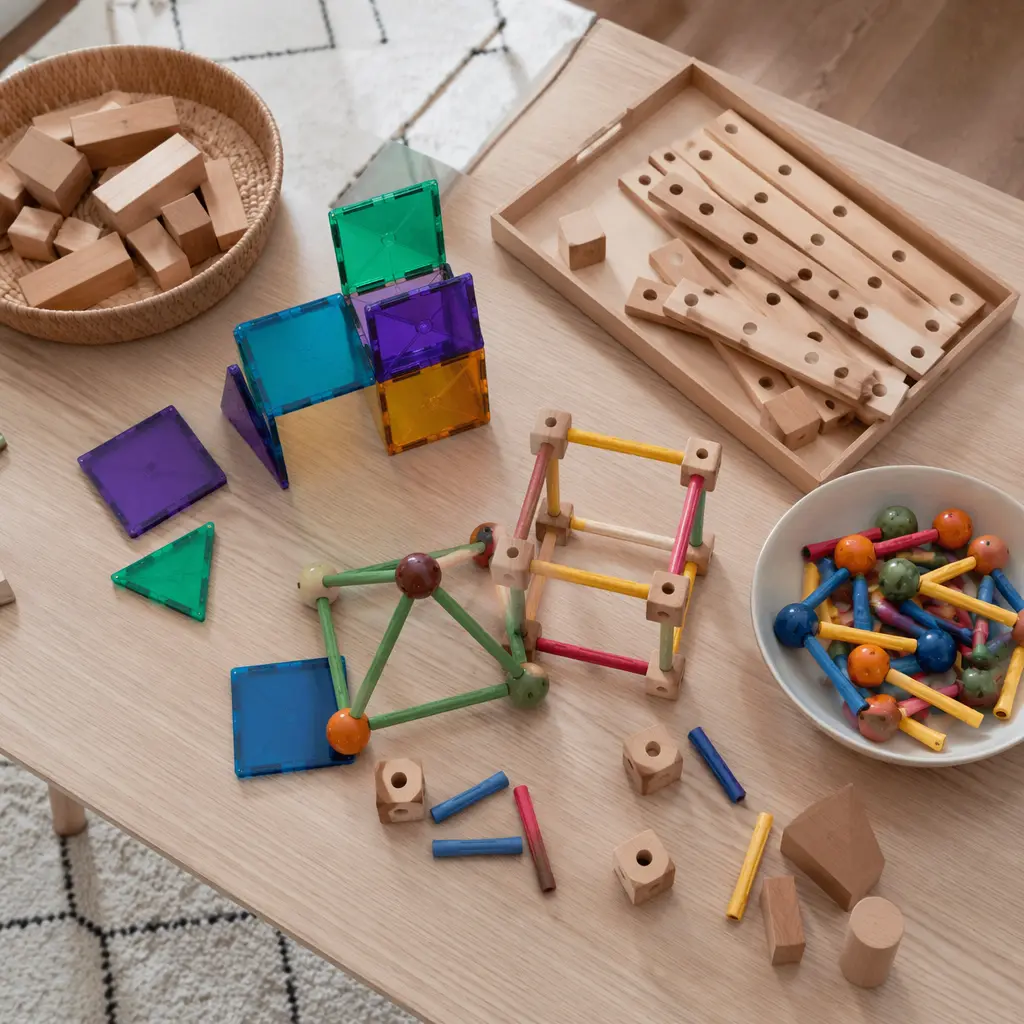
- Open-ended design: Pieces that can be combined in many ways encourage creativity beyond one set of instructions.
- Durability: Thicker plastics, solid wood, or strong magnets stand up to years of use and sibling hand-me-downs.
- Compatibility: Standardized shapes and connectors work across sets, expanding play without replacing everything.
- Storage and cleanup: Simple shapes are easier to sort and store than highly specialized parts.
- Price per piece: More pieces for the cost usually means more building possibilities.
Age suitability
For children ages 6–8, building toys should strike a balance between challenge and independence. Younger kids in this range benefit from larger pieces that are easy to handle, while older kids enjoy experimenting with balance, symmetry, and simple mechanics. Classic builders tend to scale well across this age band because the same pieces can be used for basic stacking one day and complex structures the next. Trendy kits often target a narrower age window and may lose appeal once the main build is finished.
Standout categories or types
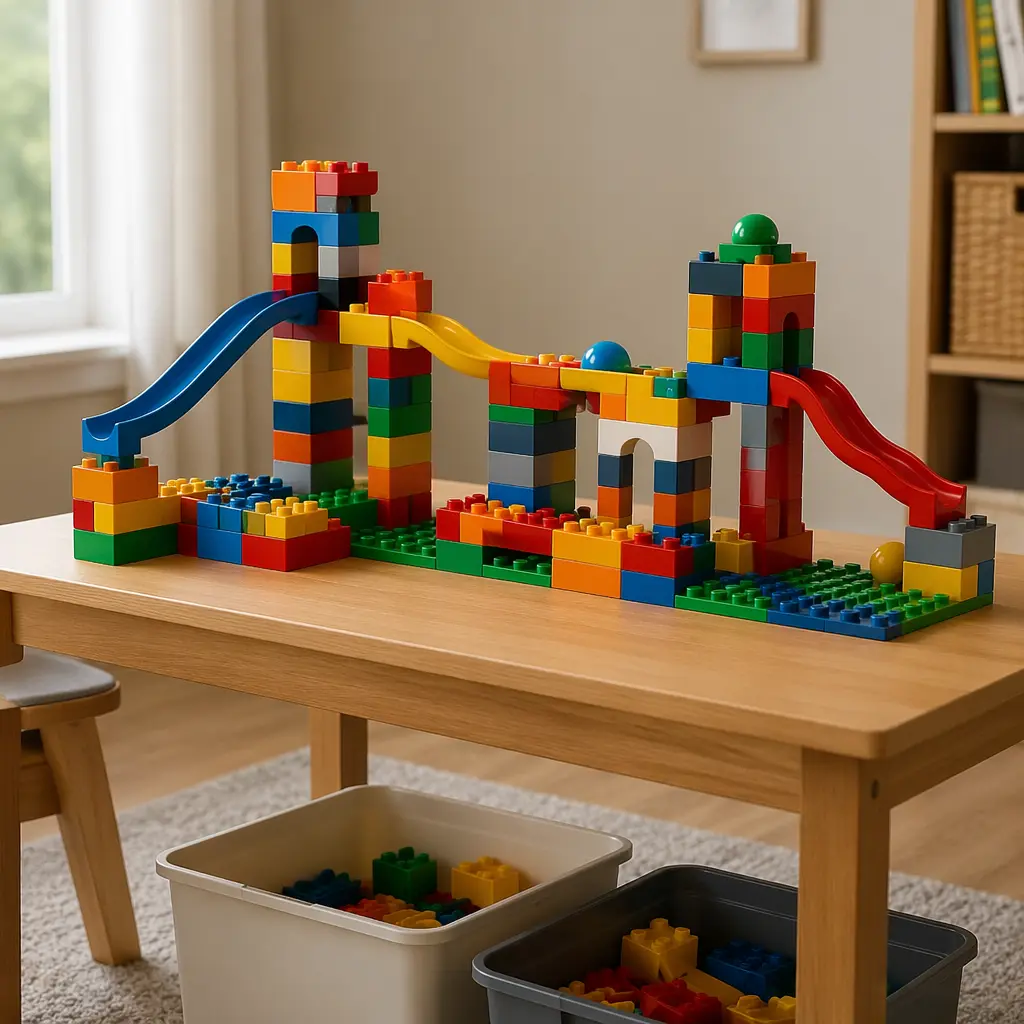
Affordable building toys often fall into a few proven categories that consistently outperform trend-based kits in terms of replay value. Basic interlocking blocks and wooden construction sets allow endless rebuilding and imaginative play. Magnetic builders offer quick success and invite experimentation with shapes and symmetry, which is especially engaging for kids who enjoy visual patterns.
Connector-and-rod systems and simple brick-style sets also shine at this age. They support early engineering concepts like stability and load-bearing without requiring step-by-step instructions. Compared with branded kits tied to movies or games, these classics don’t dictate what the final creation must be. Kids decide, rebuild, and improve—often returning to the same pieces for years.
Frequently asked questions
Are trendy building sets bad for learning?
Not necessarily. Many trendy kits teach following instructions and fine-motor skills. The drawback is limited replay value. Once the main model is built, some kids move on, while open-ended builders invite repeated experimentation.
Why do classic building toys last longer?
Classic sets rely on simple shapes and connections. Because there’s no single “right” outcome, kids can adapt their builds as skills grow. This flexibility keeps the toys relevant across multiple years and interests.
Do cheaper sets break more easily?
Price doesn’t always predict durability. Many low-cost, no-frills builders are thicker and sturdier than detailed, theme-heavy pieces. Checking materials and reviews is more useful than judging by price alone.
How many pieces are enough for ages 6–8?
A medium to large set gives kids room to build bigger projects and play collaboratively. Having enough pieces to build more than one structure at a time reduces frustration and supports cooperative play.
Can classic builders support STEM learning?
Yes. Open-ended building naturally introduces engineering concepts like balance, geometry, and problem-solving. Kids learn through trial and error, which is a core part of STEM thinking.
When budgets matter, classic building toys often deliver more value than trendy sets. They cost less, last longer, and grow with your child’s abilities. For parents of 6–8-year-olds, choosing simple, open-ended builders can mean fewer toys overall—but far more meaningful play.