Simple Building Toys Toddlers Play With Every Day
A parent-friendly guide to durable, open-ended building toys for ages 1–2. Learn what lasts through daily knockdowns, how to choose safe materials, and which toy types support early skills.
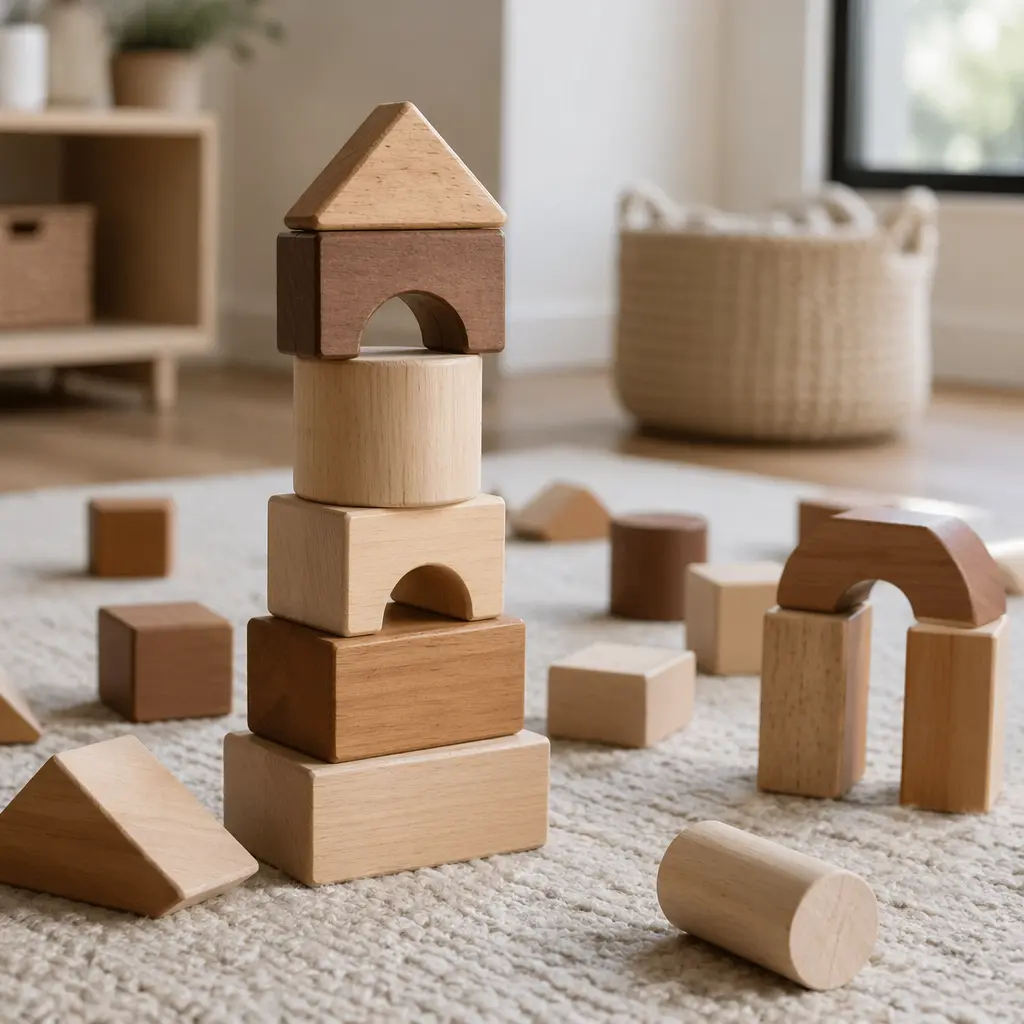
Compare prices and availability
Check current prices and availability for this guide on eBay.
As an eBay Partner, we may be compensated if you make a purchase.
For toddlers, building toys are less about finishing a tower and more about the joyful cycle of stacking, knocking down, and starting again. The best options for ages 1–2 are simple, sturdy, and open-ended, designed to handle daily drops, throws, and enthusiastic hands. This guide focuses on building toys that support everyday play while standing up to constant use.
What to look for
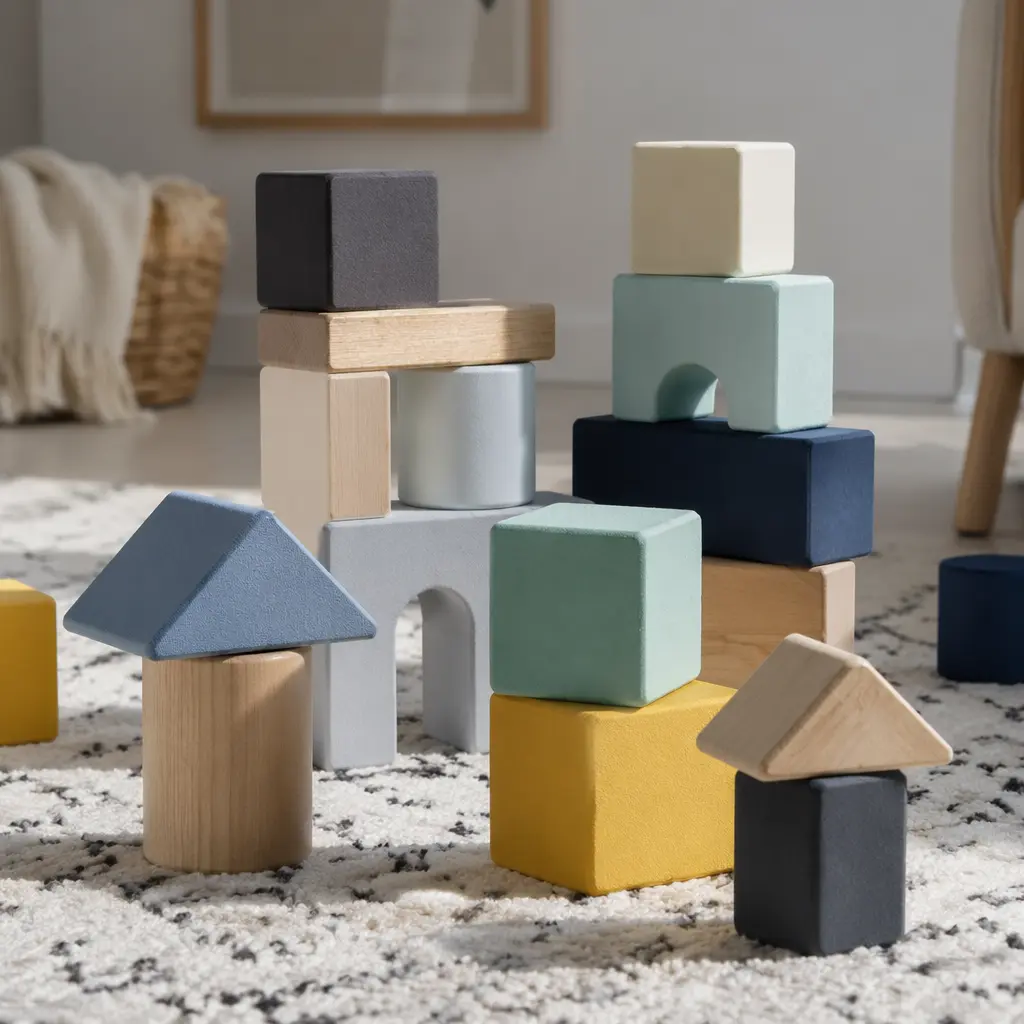
Toddlers explore with their whole bodies. A building toy that works for this age group should be forgiving, safe, and flexible enough to invite repeated experimentation. When comparing options, focus on construction and materials over features.
- Large, easy-to-grip pieces that fit comfortably in small hands
- Durable materials like solid wood, thick plastic, or dense foam
- Rounded edges and smooth finishes to reduce bumps and scrapes
- Simple shapes that stack in multiple ways without instructions
- Washable or wipe-clean surfaces for everyday messes
Age suitability
For children between 12 and 24 months, building toys should match early motor skills and short attention spans. At this stage, toddlers are learning to release objects, align pieces, and test cause and effect. Sets with just a few pieces are often more engaging than large, complex collections. As coordination improves, toddlers naturally begin stacking higher or combining pieces in new ways, using the same simple toys over many months.
Standout categories or types
Some categories of building toys are especially well-suited to the everyday play patterns of young toddlers. These types tend to be forgiving when knocked over and rewarding even with minimal effort.
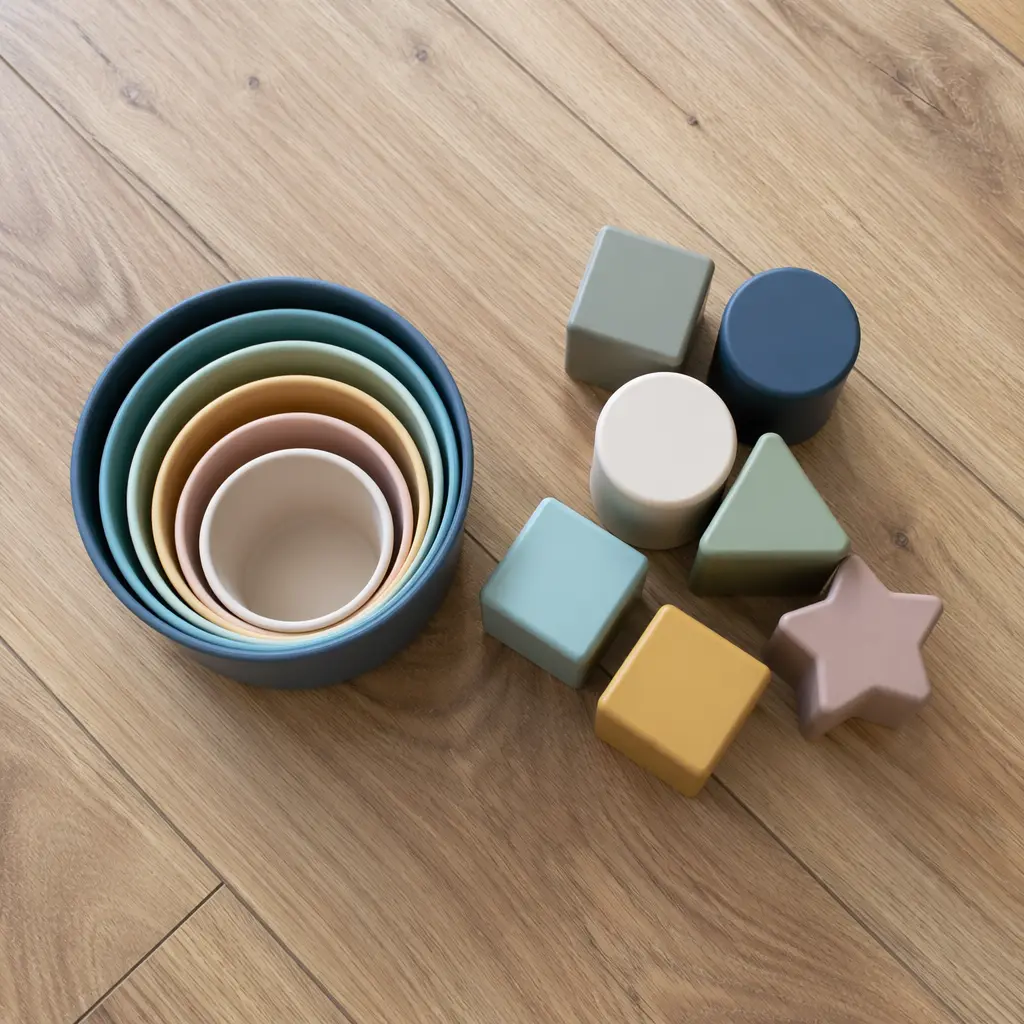
- Classic blocks: Solid blocks in simple shapes remain a go-to for stacking, lining up, and knocking down.
- Nesting and stacking sets: Cups, rings, or boxes that fit inside each other support problem-solving and hand-eye coordination.
- Soft or foam builders: Lightweight pieces reduce noise and worry during energetic play while still allowing big builds.
- Interlocking builders with large connectors: Easy connections let toddlers combine pieces without precise alignment.
Frequently asked questions
Do toddlers really need building toys this early?
Yes. Even before a child can build a stable tower, handling blocks helps develop fine motor skills, spatial awareness, and understanding of cause and effect. The learning happens in the process, not the finished structure.
How many pieces are appropriate for a 1-year-old?
Fewer is often better. A small set of 5–10 large pieces can provide plenty of play without overwhelming a toddler. Additional pieces can be introduced gradually as interest and coordination grow.
What materials hold up best to daily play?
Solid wood, thick molded plastic, and dense foam are popular for a reason. They resist cracking, maintain their shape, and can handle frequent drops. Look for finishes designed for child use and easy cleaning.
Can building toys be used beyond the toddler years?
Many open-ended building toys grow with a child. Simple blocks used for stacking at age one may later become props for imaginative play or more complex builds, extending their usefulness well beyond toddlerhood.
Simple building toys earn their place in daily play by meeting toddlers where they are: curious, energetic, and still developing control. By choosing sturdy, open-ended options, parents can provide toys that invite exploration today and remain relevant as skills grow.