Best Building Toys for Kids With Limited Hand Strength
Compare accessible building toys for ages 6–8 with a focus on snap force, piece size, frustration levels, storage, supervision, and screen-free creative play.
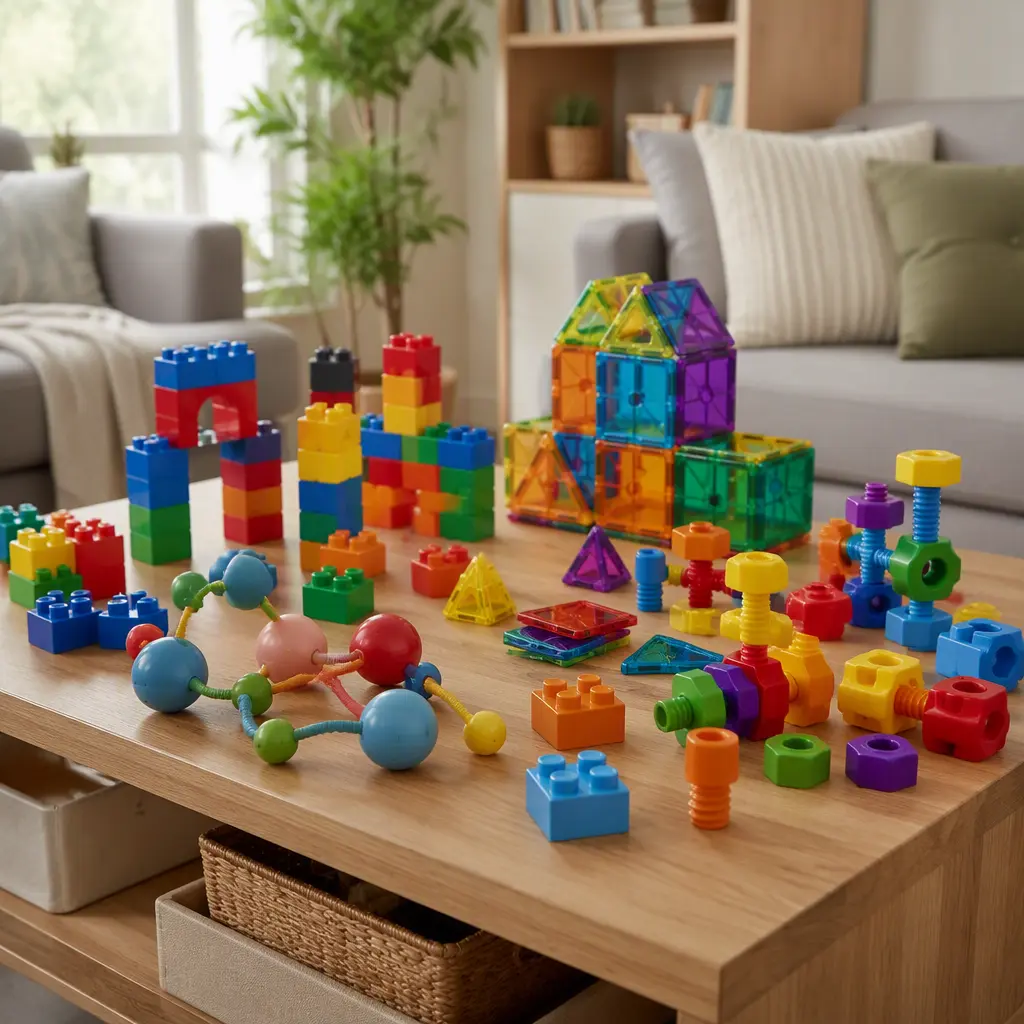
Compare prices and availability
Check current prices and availability for this guide on eBay.
As an eBay Partner, we may be compensated if you make a purchase.
Building toys can support creativity, spatial reasoning, and independent play, but many traditional construction sets rely on strong grip strength and precise finger control. For children with limited hand strength, stiff connectors and tiny pieces can turn a fun activity into a frustrating one. The most accessible building toys for ages 6–8 tend to use larger parts, lighter snap force, flexible materials, or magnetic connections that reduce strain on hands and wrists. Choosing the right type often matters more than choosing the biggest set. Parents may also need to balance cleanup time, storage space, noise, durability, and whether a child prefers guided builds or open-ended play.
What to look for
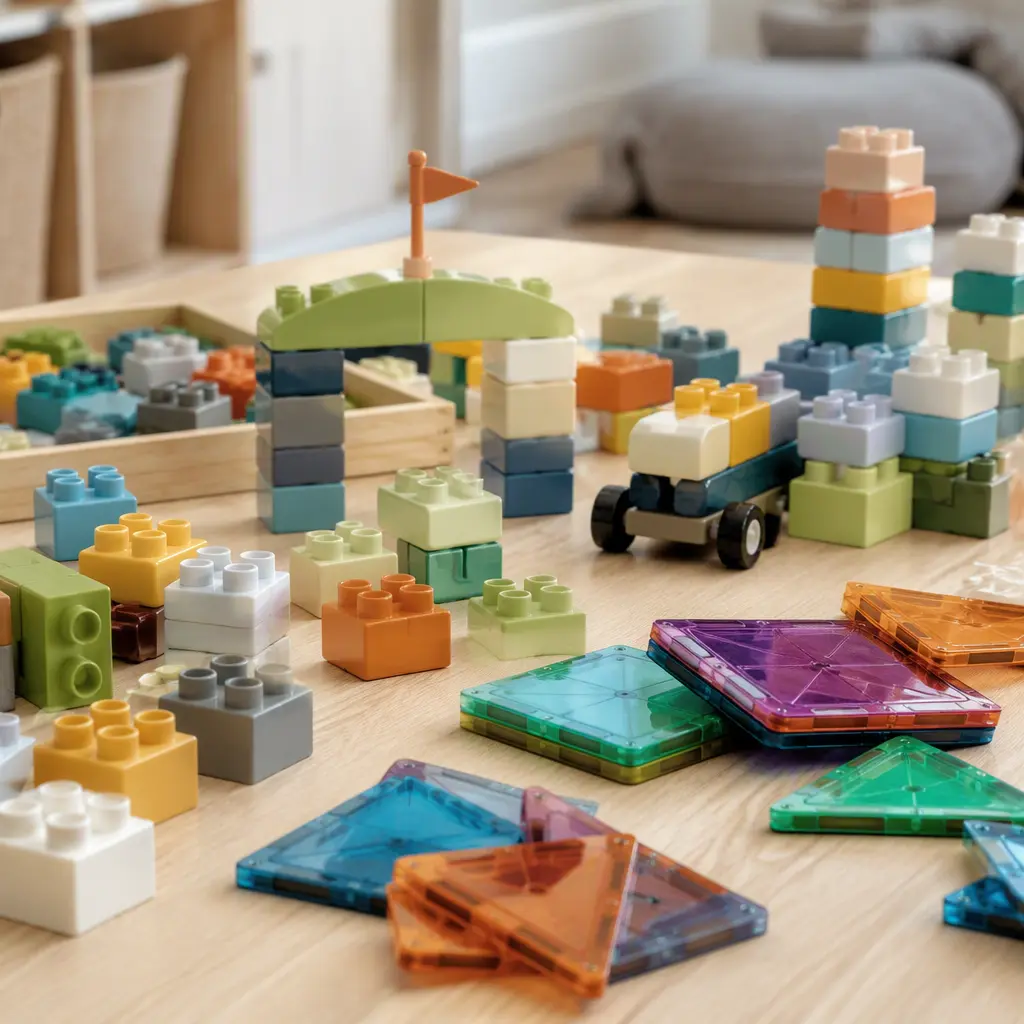
The most important feature in an accessible building toy is how much force is needed to connect and separate pieces. Some systems are secure but very stiff, which can quickly tire small hands. Others connect easily but may collapse during play. Larger pieces are usually easier to grip and align, while softer materials can reduce pressure on fingers. Weight also matters. Heavy plastic or wooden components may become tiring during longer sessions, especially when children build vertically. Consider whether the toy encourages independent use or whether frequent adult help will be needed to start connections or separate stuck parts.
- Look for larger pieces with rounded edges and easy-grip shapes.
- Magnetic or click-together systems usually require less finger pressure than tight interlocking bricks.
- Flexible connectors can be easier for children with reduced dexterity than rigid snap systems.
- Avoid sets with many tiny decorative parts if frustration or cleanup is already a challenge.
- Storage tubs or trays help keep larger accessible sets manageable in smaller homes.
- Quieter materials such as foam, silicone, or lightweight plastic may suit shared living spaces better than heavy wooden pieces.
- Check whether instructions rely on complex fine-motor steps or whether builds can stay open-ended and creative.
Age suitability
Children between 6 and 8 years old often want building toys that feel more advanced than preschool blocks, even if they still need accessible piece sizes and low-resistance connectors. Many toys marketed for younger children can still work well at this age when the focus is creative construction rather than age labels alone. Magnetic tiles, larger engineering sets, and chunky connector systems often suit children who enjoy imaginative builds without complicated assembly steps. More detailed brick systems may appeal to children who enjoy collecting or following instructions, but they can become frustrating if frequent forceful snapping is required. Some children in this age group also benefit from mixed play styles, such as combining building pieces with pretend play figures, ramps, or vehicles.
Options compared
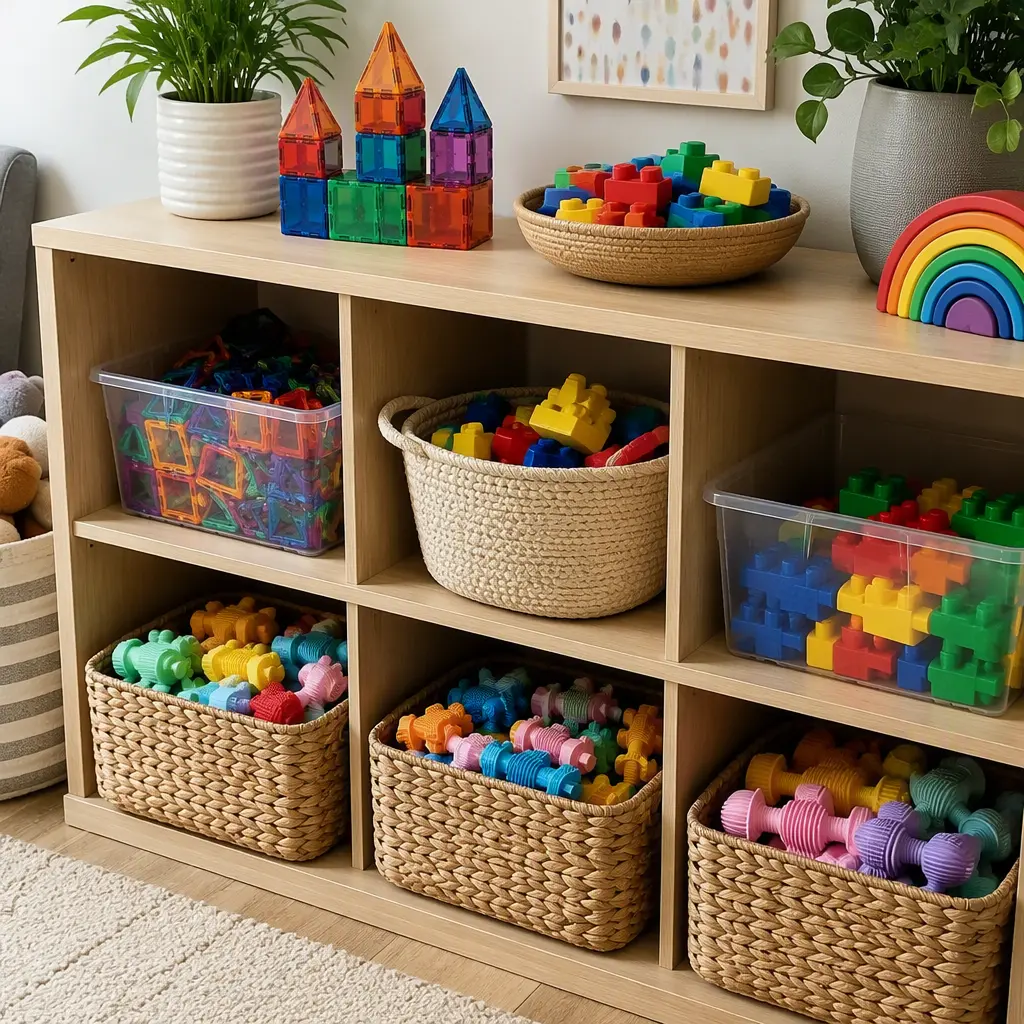
Magnetic tile systems are often one of the easiest options for children with limited hand strength because the pieces connect with minimal pressure. They support open-ended building and can be satisfying for children who become discouraged by difficult assembly. The trade-off is that some builds are less stable than tightly connected brick systems, especially tall or complex structures. Magnetic sets also tend to take up more storage space because the pieces are larger.
Chunky interlocking blocks and large connector systems usually offer a balance between stability and accessibility. These toys often use lighter snap force than traditional small bricks and are easier to hold with the whole hand rather than fingertips. They can work well for children who enjoy building vehicles, animals, or simple engineering projects. Softer flexible construction toys, including bendable rods or silicone connectors, can further reduce hand strain but may not satisfy children who want highly detailed builds.
- Magnetic tiles: easiest connection force, good for open-ended creativity, less ideal for highly detailed structures.
- Large interlocking blocks: stable and durable, easier grip than small bricks, moderate cleanup needs.
- Soft connector systems: low frustration and quieter play, but some designs may feel less realistic to older children.
- Wooden construction sets with oversized pieces: sturdy and screen-free, though heavier parts may tire some children.
- Traditional small brick systems: strong structure and detailed models, but often the highest frustration level for children with reduced grip strength.
- Gear and engineering toys with handles or large knobs: useful for children interested in movement and mechanics without tiny connectors.
Frequently asked questions
Are magnetic building toys strong enough for active play?
Many magnetic tile systems are sturdy enough for everyday building, especially for houses, ramps, and flat structures. However, they are usually less secure than tightly snapping brick systems when children build very tall towers or carry creations around the room.
Which building toys are easiest to clean up?
Larger pieces are generally easier to collect and sort than tiny bricks. Magnetic tiles stack neatly, while oversized blocks often fit well into open bins. Toys with hundreds of small accessories can increase cleanup frustration for both children and parents.
Can older children still enjoy toys with larger pieces?
Yes. Many children ages 6–8 enjoy accessible construction toys when the play possibilities feel creative and not overly babyish. Open-ended building, ramps, moving parts, and pretend play features can help larger-piece systems feel age-appropriate.
What if a child gets frustrated easily during building activities?
Lower-resistance connection systems can help children stay engaged longer and feel more independent. Open-ended sets without strict instructions may also reduce pressure to complete a specific model correctly. Some children enjoy combining accessible pieces with storytelling or vehicle play instead of focusing only on construction.
Are wooden building toys a good choice for limited hand strength?
Wooden toys can work well if the pieces are large and lightweight. Some wooden sets use pegs, magnets, or simple stacking designs that require less grip force. Heavier wooden systems with tight-fitting joints may be harder for some children to manage independently.
The best building toy for a child with limited hand strength is usually the one that supports independent play without constant physical strain. Large easy-grip pieces, lighter connection force, and forgiving designs can make building feel rewarding instead of tiring. Parents comparing options may find that magnetic systems and chunky connector toys offer the smoothest balance between creativity, accessibility, and age-appropriate play for children ages 6–8.