Best Cheap Building Toys for Toddlers That Actually Last
A parent-focused guide to affordable building toys for ages 1–2. Learn what materials, features, and styles hold up to rough play without overspending.
Compare prices and availability
Check current prices and availability for this guide on eBay.
As an eBay Partner, we may be compensated if you make a purchase.
Building toys are a staple for toddlers, but not all sets are made to survive the rough-and-tumble play of ages 1 to 2. At this stage, kids are more likely to bang, toss, chew, and climb on toys than carefully stack them. The good news is that you don’t have to spend a lot to find building toys that last. With the right materials and design, affordable sets can hold up for years and even be passed down to younger siblings.
What to look for
When shopping for low-cost building toys for toddlers, durability matters more than piece count or flashy extras. Simple designs made from tough materials tend to last longer and are safer for very young children. Focus on how the toy is built, not just how it looks on the box.
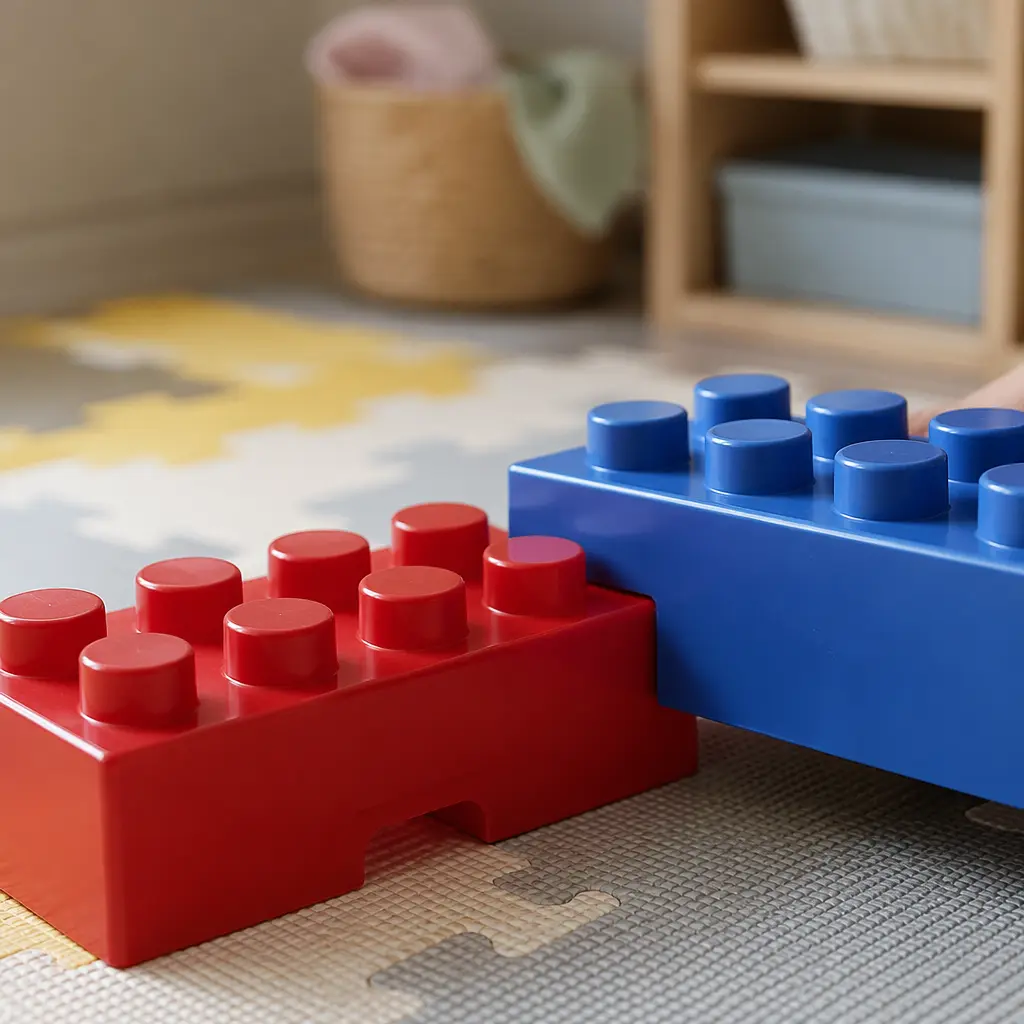
- Thick, chunky pieces that won’t crack if stepped on or thrown
- Materials like solid wood, dense plastic, or thick foam rather than thin hollow plastic
- Smooth edges and rounded corners to reduce chipping and splintering
- Simple connection systems that don’t rely on tiny tabs or clips
- Washable or wipe-clean surfaces for easy maintenance
Age suitability
For children ages 1–2, building toys should be sized specifically for toddler hands and mouths. Pieces should be large enough to avoid choking risks and heavy enough that they don’t feel flimsy. At this age, toddlers are still developing grip strength and coordination, so toys that stack, nest, or press together with minimal effort are a better fit than complex construction systems.
Standout categories or types
Some types of building toys consistently perform better than others when it comes to lasting through toddlerhood on a budget. These options focus on simplicity and strength, making them well-suited for early play.
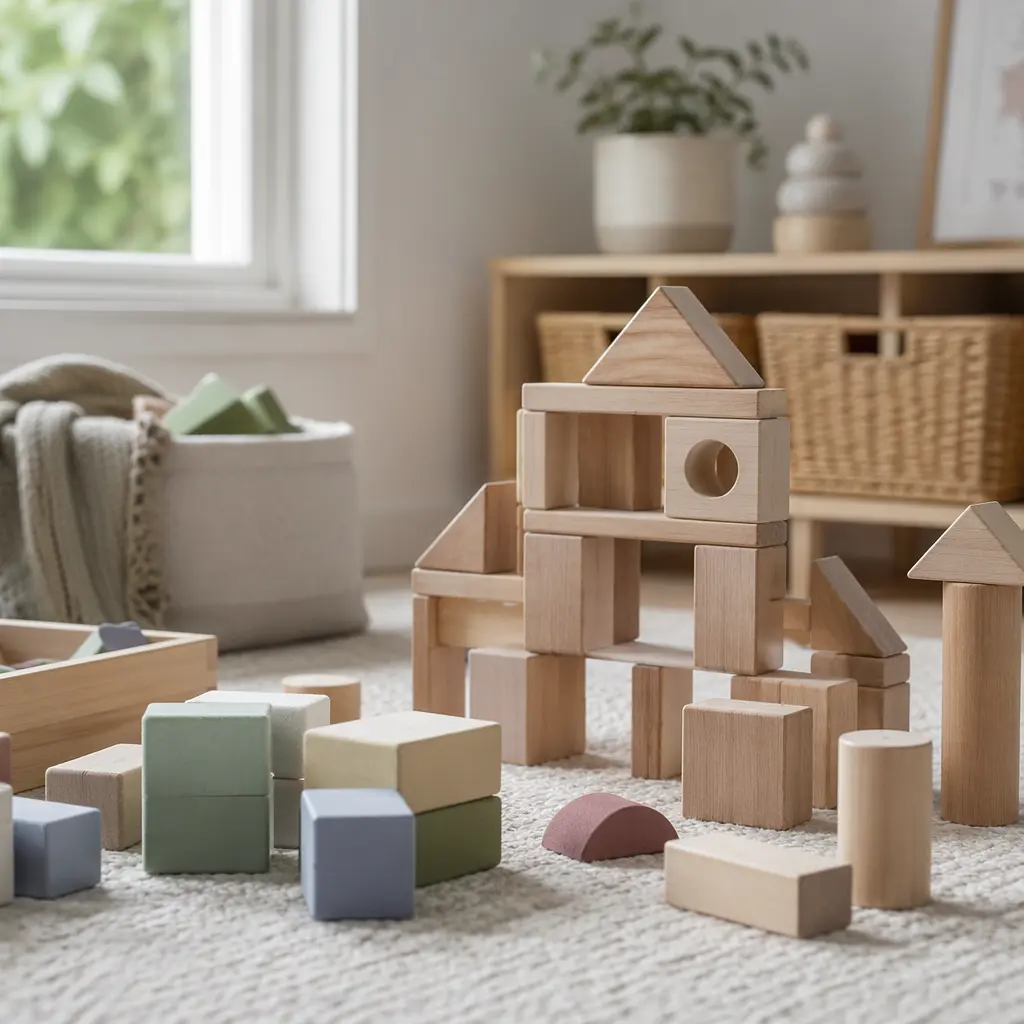
- Classic wooden blocks: Solid wood blocks are hard to break, easy to stack, and flexible for many types of play.
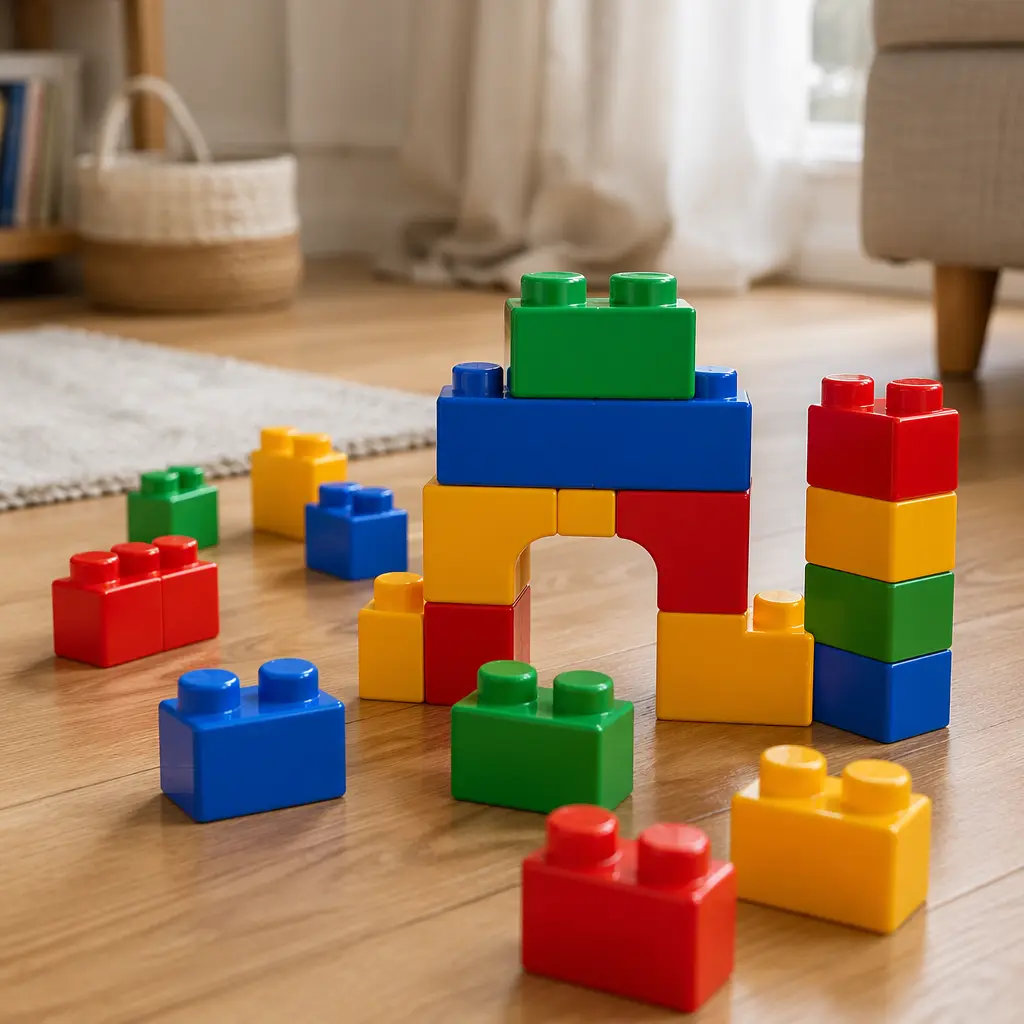
- Large plastic stackers: Oversized plastic blocks with thick walls tend to survive drops and chewing better than smaller versions.
- Foam building shapes: Dense foam sets are lightweight, quiet, and resistant to cracking, making them good for indoor play.
- Nesting and stacking cups: While simple, these often double as building toys and are usually very affordable and durable.
Frequently asked questions
Are cheap building toys safe for toddlers?
They can be, as long as they are designed for the correct age range. Look for large pieces, non-toxic materials, and clear age labeling. Price alone doesn’t determine safety; construction and materials matter more.
How many pieces does a toddler actually need?
For ages 1–2, fewer pieces are often better. A small set of sturdy blocks encourages open-ended play without overwhelming your child or creating unnecessary cleanup.
Will these toys still be useful as my child grows?
Many durable building toys grow with your child. Simple blocks and stackers can be used in more imaginative and complex ways as coordination and creativity improve.
How do I know if a building toy will last?
Check reviews for mentions of cracking or breaking, and look closely at photos of the pieces. Thick walls, solid construction, and minimal moving parts are good signs of long-term durability.
Choosing cheap building toys for toddlers doesn’t have to mean settling for flimsy or disposable playthings. By focusing on sturdy materials, age-appropriate design, and simple construction, parents can find budget-friendly options that stand up to daily play and support early learning through hands-on exploration.