Best Quiet Toys for Toddlers in Echoey Apartments
Low-noise toys can help toddlers stay active indoors without constant clattering. This guide compares quieter play options for 1–2 year olds, with practical advice on mess, storage and supervision.
Compare prices and availability
Check current prices and availability for this guide on eBay.
As an eBay Partner, we may be compensated if you make a purchase.
Toddlers between 1 and 2 years old often want to push, stack, climb, drop and repeat the same activity many times in a row. In an apartment with thin walls or hard floors, that can quickly turn into constant banging and echoing. Quiet toys can reduce noise without limiting movement or curiosity. The most useful options usually combine soft materials, simple open-ended play and activities that keep little hands busy for more than a few minutes at a time. For families sharing walls, dealing with nap schedules or working from home, quieter toys can make indoor play more manageable while still supporting motor skills, coordination and early problem-solving.
What to look for
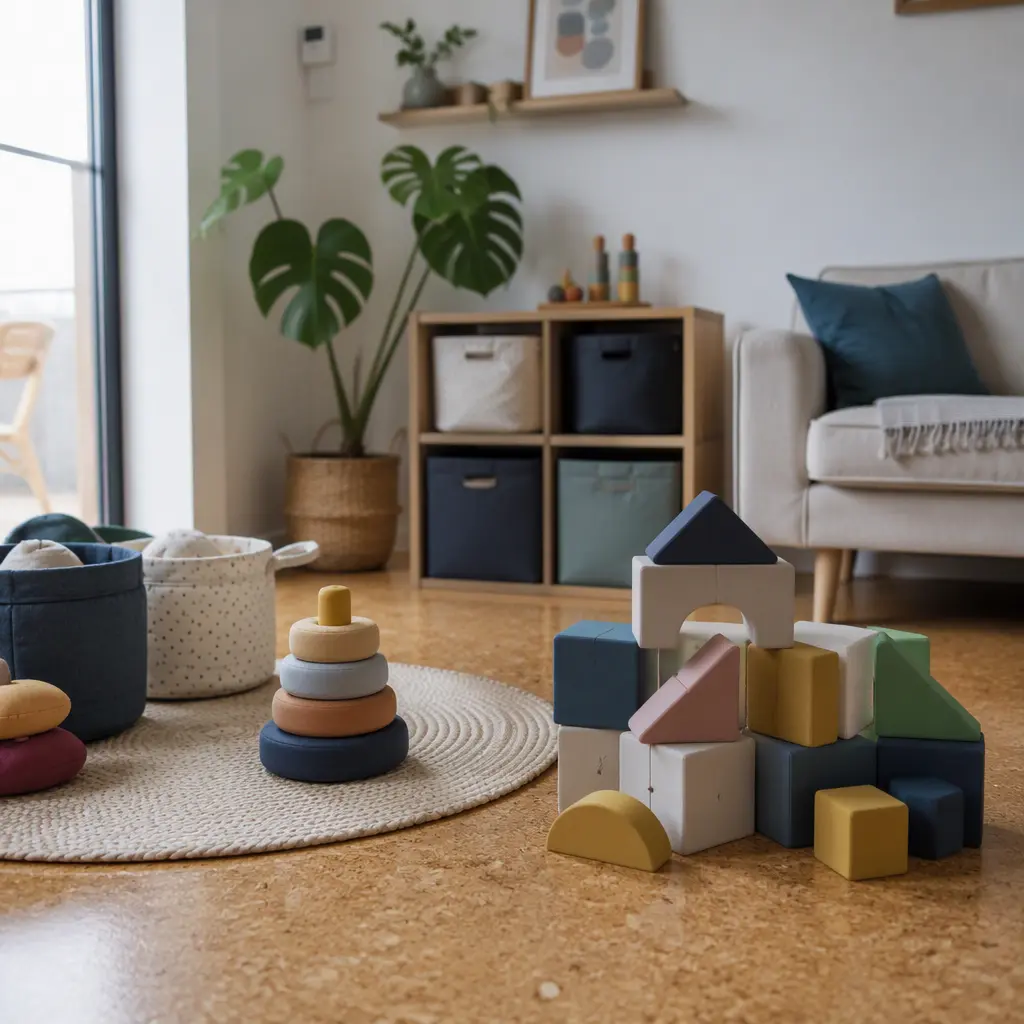
The quietest toddler toys are usually made from soft foam, silicone, fabric or lightweight wood with rounded edges. Heavy plastic toys, ride-ons with hard wheels and electronic toys with sound effects tend to amplify noise in echoey rooms. It also helps to think about how toddlers actually use the toy. A toy marketed as quiet may still become loud if it encourages throwing, dumping or pushing across hard floors. Storage matters too. Large playsets can overwhelm small apartments, while toys with many tiny pieces may create clutter that spreads across shared living spaces.
- Soft materials such as foam, felt, fabric or silicone help reduce impact noise
- Look for rubber or silicone wheels on push toys instead of hard plastic
- Stacking, sorting and simple construction toys usually create less noise than musical or battery-powered toys
- Foldable tunnels, soft blocks and nesting toys store more easily in smaller homes
- Machine-washable fabrics can help with drool, spills and everyday toddler mess
- Avoid toys with dozens of tiny pieces if floor cleanup already feels difficult
- Low-profile climbing cushions or foam play shapes can satisfy active toddlers indoors without constant stomping sounds
Age suitability
For children aged 1 to 2 years, simpler toys are often more successful than complex building systems. At this stage, toddlers are still developing coordination, balance and safe play habits. Large soft blocks, chunky stacking toys, felt boards and sensory bins with supervised materials are usually easier to manage than sets with small connectors or delicate pieces. Some quiet toys marketed for older preschoolers may frustrate younger toddlers because they require precise hand control. Active toddlers may also need movement-focused options, such as soft stepping stones, floor cushions or fabric tunnels, especially during bad weather or long indoor days. When checking age guidance, pay attention to choking hazards, loose parts and whether the toy is designed for independent use or close supervision.
Options compared
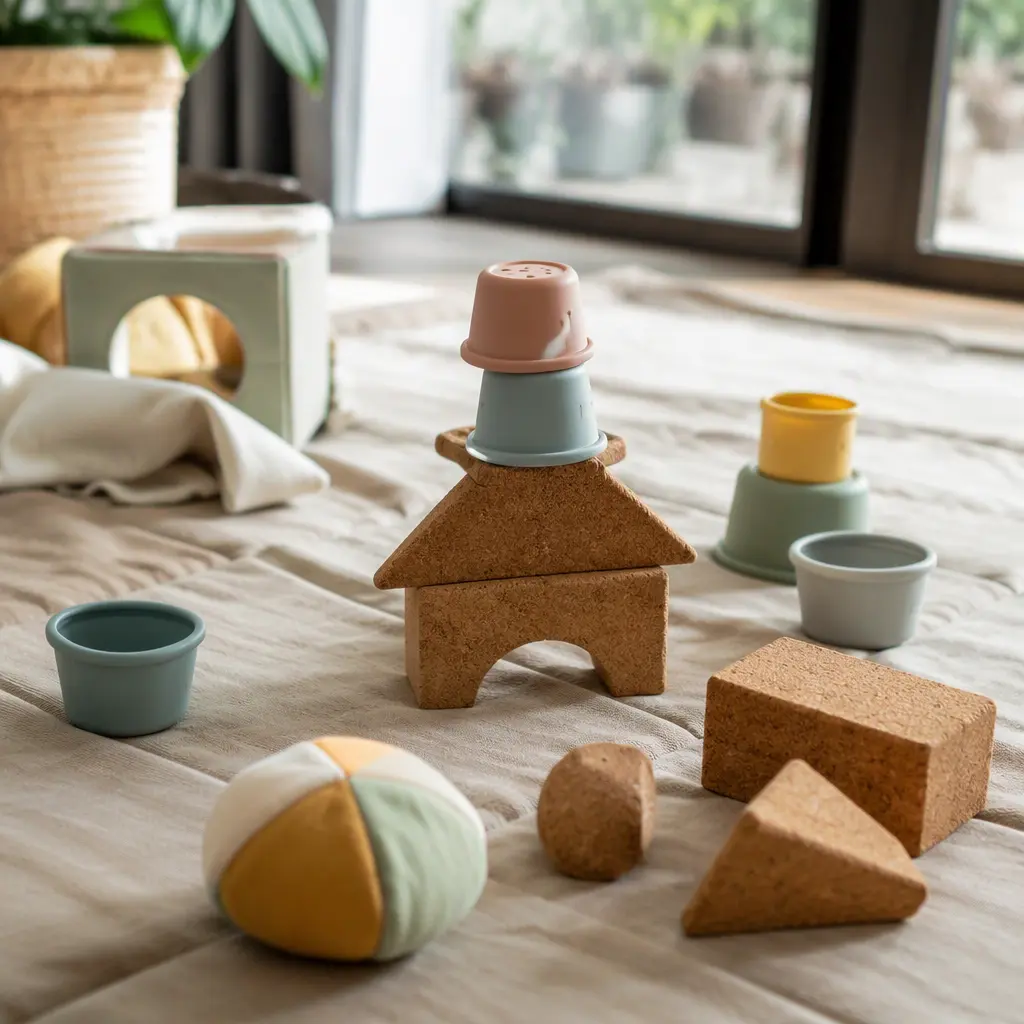
Soft building blocks are one of the easiest starting points for apartment-friendly play. Foam or fabric blocks allow toddlers to stack, knock down and carry pieces around with less crashing noise than hard wooden blocks. They also tend to be lighter and safer for early walkers who frequently lose balance. The trade-off is durability. Some soft blocks lose shape over time or become less interesting once toddlers want more advanced building play.
Silicone stacking cups and nesting toys work well for families with limited storage because they fit into small spaces and can move between bath time, floor play and travel. They are usually quieter than rigid plastic stacking toys and easy to wipe clean. However, they do not provide as much full-body movement for highly active toddlers. For children who constantly climb or crash into furniture, foam play couches, soft stepping stones or modular cushions may be a better fit. These options support gross motor play indoors while reducing impact noise compared with jumping off sofas or running laps across hardwood floors. They do require more storage space and adult oversight.
- Foam blocks: best for stacking and active play with lower noise levels; can take up moderate storage space
- Fabric activity cubes and soft sensory toys: good for quieter independent play; less useful for energetic movement
- Silicone stacking and nesting toys: compact and easy to clean; limited physical activity
- Chunky wooden puzzles with felt backing: quieter than plastic puzzles and useful for fine motor practice
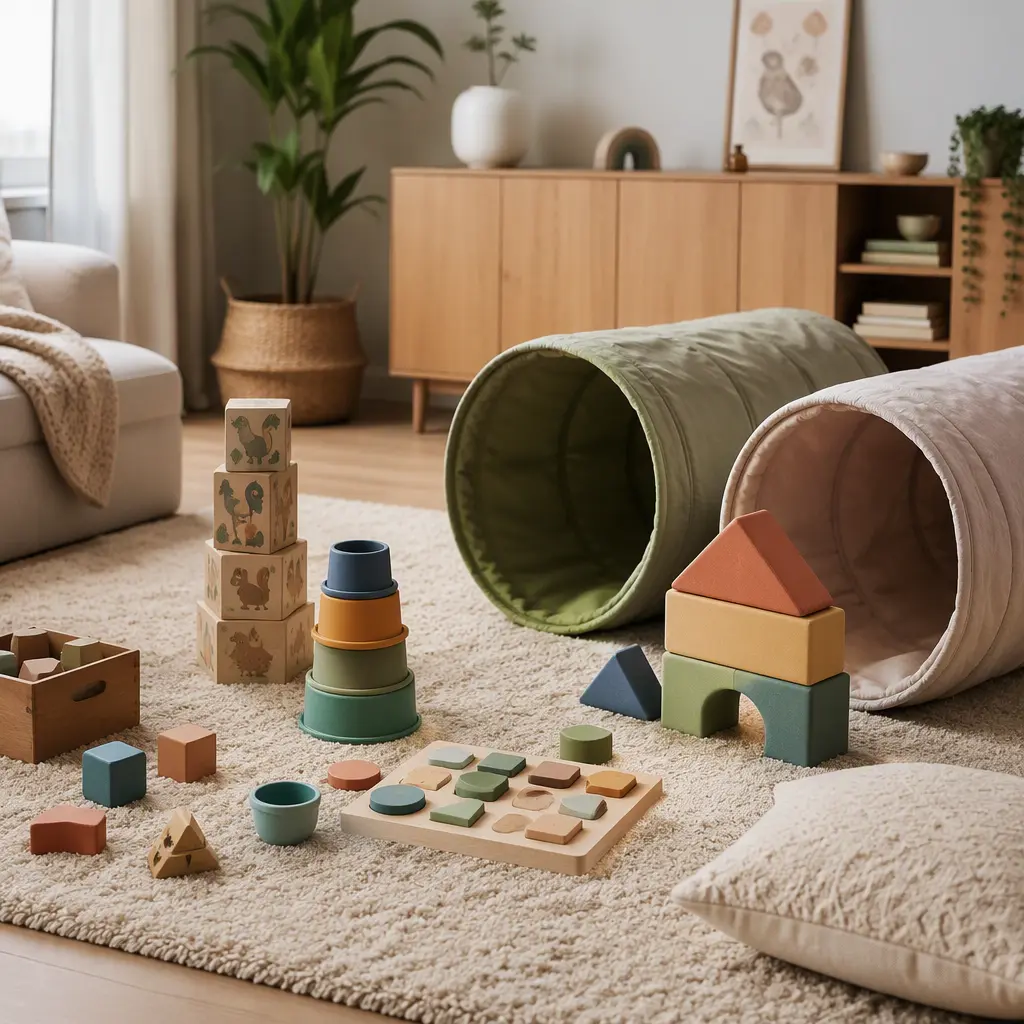
- Soft tunnels and pop-up fabric play spaces: encourage movement indoors; need floor space when open
- Foam climbing shapes and floor cushions: suitable for very active toddlers; larger footprint and more supervision needed
Frequently asked questions
Are wooden toys too noisy for apartments?
Not always. Lightweight wooden puzzles, peg toys and some stacking toys can still work well, especially on rugs or foam mats. The loudest noise usually comes from large hardwood blocks being dropped onto hard flooring. Choosing smaller sets or using padded play surfaces can help.
Do quiet toys keep toddlers interested for long?
Interest usually depends more on flexibility than volume. Open-ended toys that toddlers can stack, carry, sort or combine in different ways often hold attention longer than toys with a single button or scripted action. Rotating a few toys instead of leaving everything available at once may also help.
What flooring helps reduce toy noise?
Foam mats, cork mats and thick area rugs can soften impact noise from dropping toys or running indoors. In apartments with hard flooring, these surfaces often make a noticeable difference even when using quieter toys.
Are sensory bins a good quiet activity for this age?
They can be, but supervision is important for children under 2. Dry rice, beans or very small fillers may not be appropriate for younger toddlers who still mouth objects. Water play, large fabric pieces or oversized sensory materials are usually easier to manage safely.
Should electronic toys be avoided completely?
Not necessarily, but many electronic toddler toys are designed to attract attention through repetitive sounds and flashing lights. For apartment living, lower-volume toys or fully screen-free options are often easier on both shared walls and overstimulated toddlers.
The best quiet toys for echoey apartments usually balance movement, simplicity and manageable noise levels. For most toddlers aged 1 to 2, a mix of soft construction toys, stacking activities and gentle gross motor play can support indoor energy without turning every play session into a loud event for the whole building. Choosing durable materials, compact storage and age-appropriate designs can make everyday indoor play easier for both children and adults.