Best Quiet Toys for Toddlers During Video Calls
A parent-focused guide to quiet, low-mess toys for toddlers aged 1–2 during work calls, with practical advice on noise, supervision, storage, and attention span.
Compare prices and availability
Check current prices and availability for this guide on eBay.
As an eBay Partner, we may be compensated if you make a purchase.
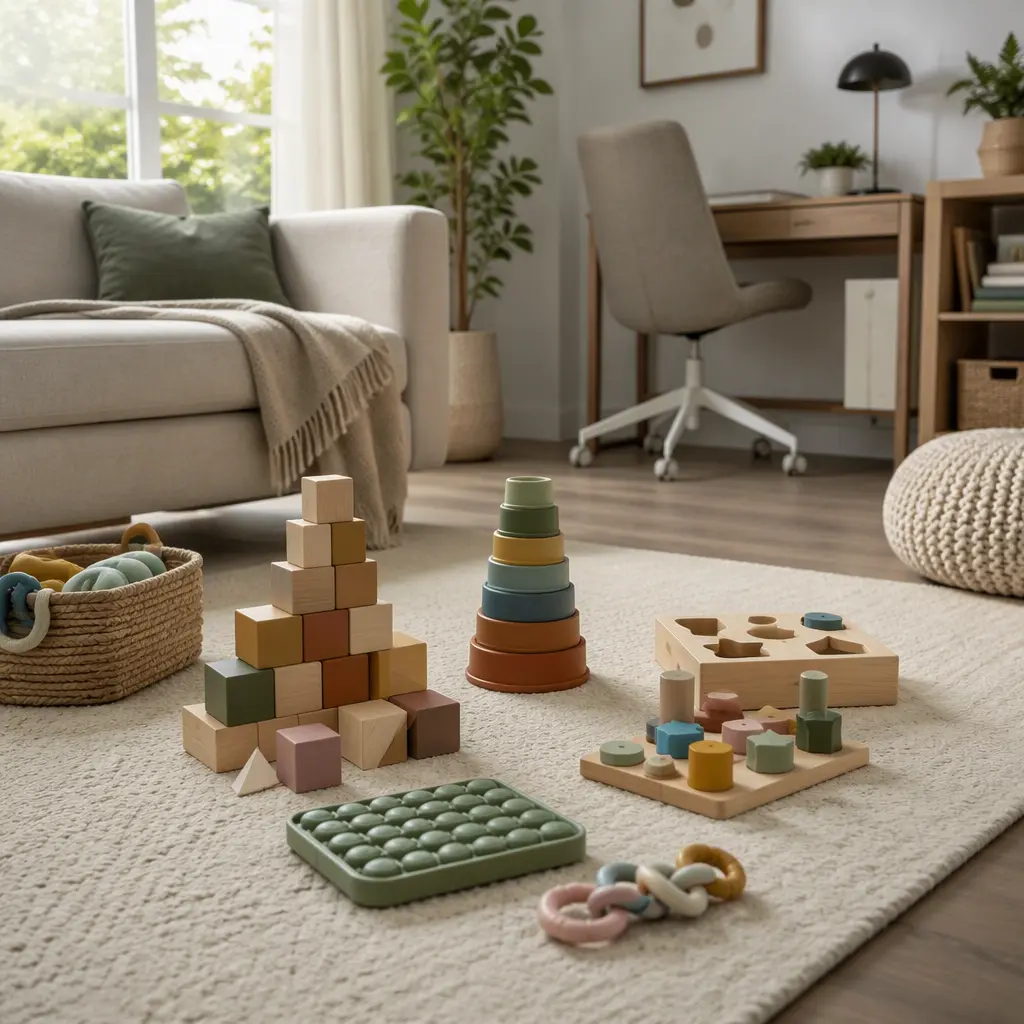
Finding a toy that keeps a toddler occupied during a work call can feel difficult, especially in small homes or shared spaces where noise travels quickly. For children aged 1–2, the most useful quiet toys tend to be simple, screen-free and easy to explore without constant adult direction. Building and construction-style toys can work particularly well because they encourage repetition, sorting, stacking and problem-solving without loud electronic sounds. The best choice depends on how much supervision is realistic, how much floor space is available and whether the toy can hold attention safely for short independent play sessions.
What to look for
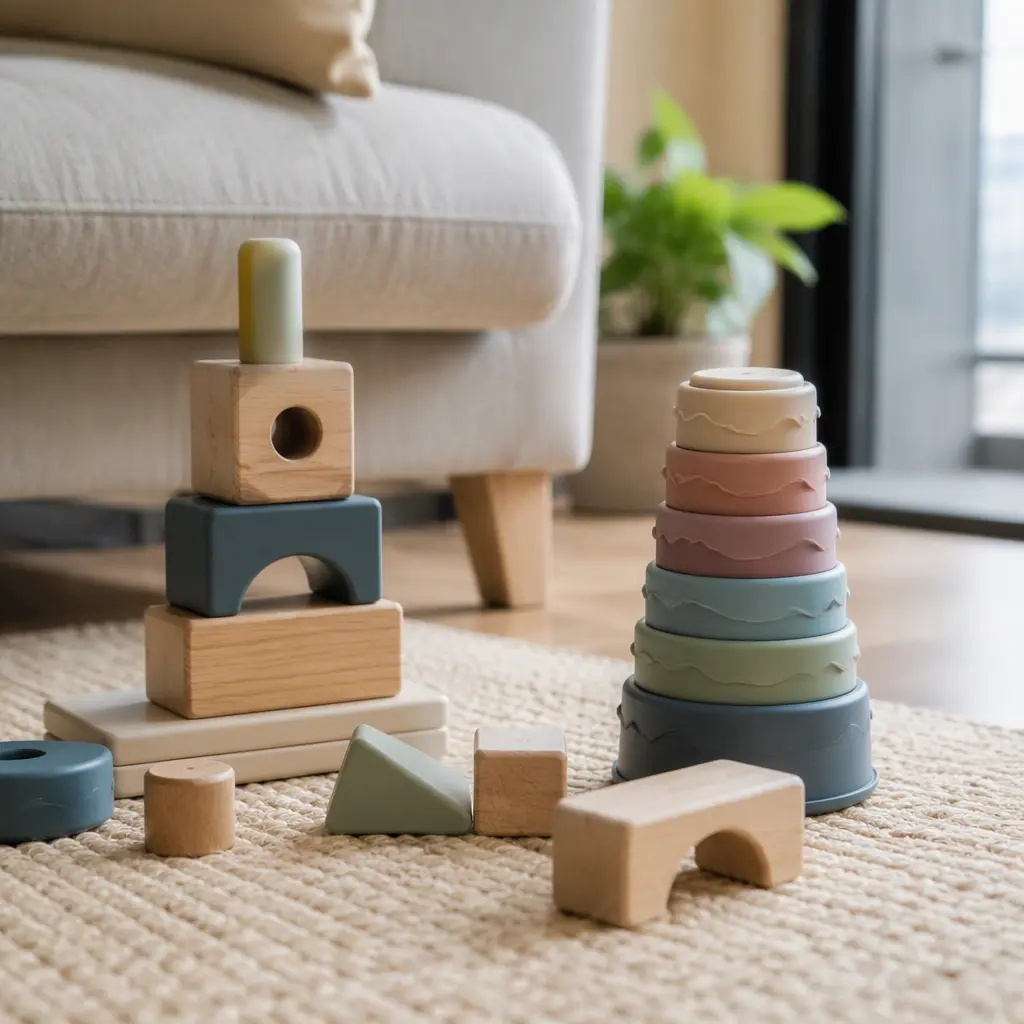
Quiet toys for toddlers are usually less about entertainment features and more about the way they support focused play. At this age, children often repeat the same actions many times, so toys that allow stacking, connecting, sorting or posting objects can stay interesting longer than toys with lights and buttons. Parents working nearby may also prefer toys with soft materials or padded pieces that reduce banging on floors.
- Choose chunky pieces sized appropriately for toddlers to reduce frustration and choking risk.
- Look for toys with soft or natural materials like silicone, foam or smooth wood to minimise noise.
- Simple open-ended toys often hold attention longer than toys with many electronic features.
- Compact sets are easier to store quickly after calls or meetings.
- Avoid toys with dozens of loose pieces if cleanup needs to stay fast and predictable.
- Consider how easily the toy can move between rooms if workspaces change during the day.
- Toys that work on rugs or foam mats are usually quieter than toys used directly on hardwood floors.
Age suitability
Children between 12 and 24 months vary widely in coordination and attention span, so toy labels should be treated as starting points rather than guarantees. Younger toddlers often do best with large stacking blocks, nesting cups and simple posting toys that do not require precise hand control. Closer to age two, many children begin enjoying larger magnetic-style construction toys designed specifically for toddlers, simple interlocking blocks or basic wooden train tracks with very few pieces. Toys intended for older preschoolers may contain smaller parts or require problem-solving skills that lead to frustration instead of calm independent play.
Options compared
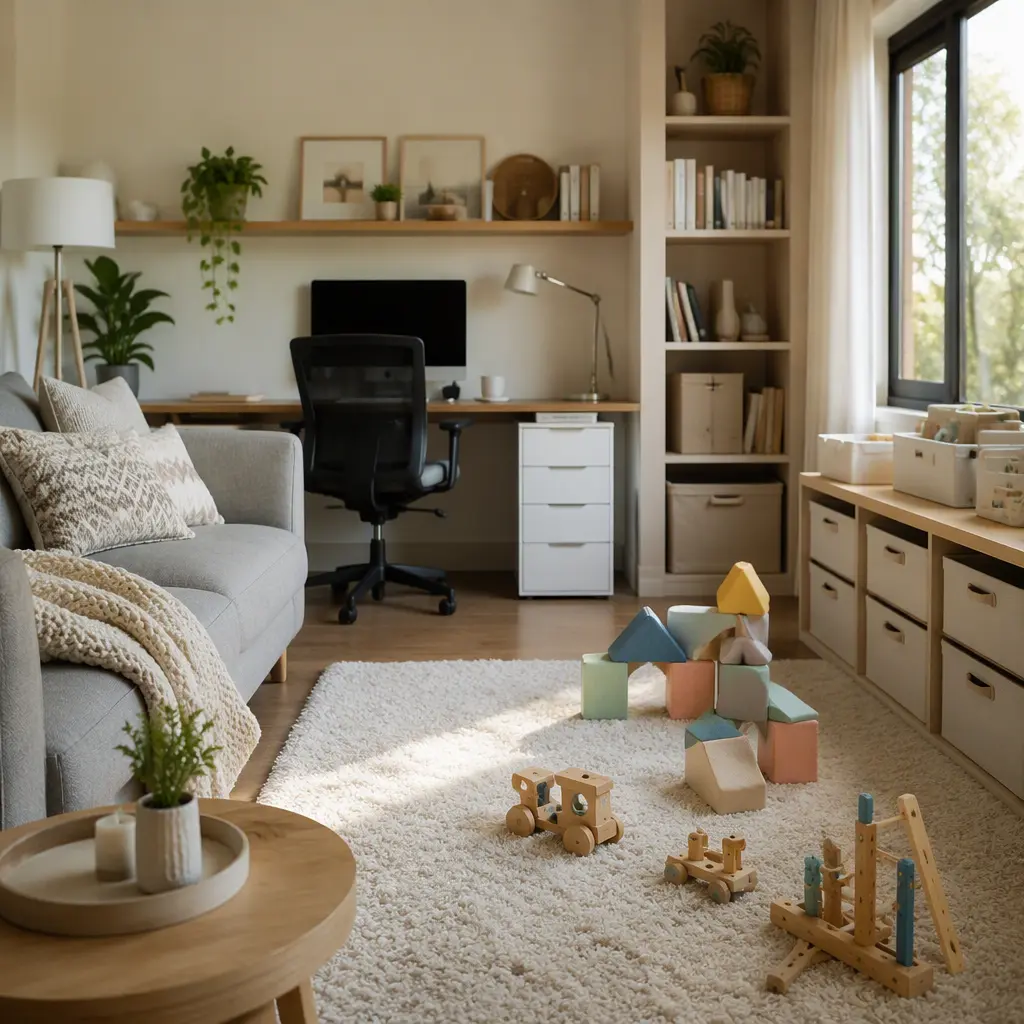
Wooden blocks are one of the quietest and most flexible choices for this age group. Large blocks encourage stacking, knocking down towers and simple pretend play while creating relatively little noise compared with plastic construction sets. They also tend to store neatly in baskets or fabric bins. The trade-off is that some toddlers lose interest quickly if there is not enough variety in shapes or ways to connect pieces.
Silicone stacking toys and nesting cups are useful for families in apartments because they are lightweight and softer on floors. They work well for younger toddlers who enjoy repetitive play but are not yet ready for more complex building. Foam blocks can also reduce noise significantly, though larger sets take up more storage space and may feel bulky in small homes.
- Large wooden blocks: durable, low-noise and versatile; best for toddlers who enjoy stacking and knocking down towers.
- Silicone stacking toys: soft and travel-friendly; useful for apartments and shared spaces.
- Foam building blocks: very quiet and lightweight; good for active toddlers but require more storage room.
- Chunky interlocking blocks: engaging for older toddlers nearing age two; can be noisier when dumped or connected repeatedly.
- Simple posting and sorting toys: support focused solo play for short periods; less imaginative but often easier to supervise.
- Magnetic construction toys designed for toddlers: appealing for older toddlers with stronger coordination; check age guidance carefully and supervise closely.
Frequently asked questions
How long should a quiet toy hold a toddler’s attention?
For most children aged 1–2, independent play during a call is usually measured in minutes rather than hours. Rotating a few toys instead of leaving everything available at once can help maintain interest without buying large numbers of products.
Are electronic learning toys a good option for work calls?
Many electronic toys are louder than expected, even at low volume settings. Repetitive songs, alerts and flashing features may also increase stimulation instead of encouraging calm play. Screen-free toys are often easier to manage in shared work environments.
Which quiet toys work best in apartments?
Soft silicone toys, foam blocks and lightweight stacking sets tend to create less impact noise on floors and walls. Adding a rug or foam mat underneath play areas can also make wooden toys noticeably quieter.
What toys need the least supervision?
Large-piece stacking toys, nesting cups and simple wooden blocks are usually easier to supervise because they contain fewer moving parts and are easier to clean up quickly. Toys with magnets, cords or many tiny accessories generally require closer attention.
How can parents reduce toy mess during calls?
Using one shallow basket or tray at a time helps limit cleanup and keeps toddlers focused on a smaller selection of toys. Compact toy rotations often work better than large playrooms filled with many choices.
The best quiet toy for a toddler during video calls is usually the one that matches the child’s current stage without overwhelming the room with noise, clutter or complicated setup. Simple building toys, stacking sets and soft construction materials often provide the best balance between independent play, manageable cleanup and calm shared spaces. Choosing fewer, sturdier toys with clear age suitability can make short work calls more predictable while still supporting active hands-on play.