Building Sets Kids Can Clean Up Without Adult Help
A parent-focused guide to building sets for ages 6–8 that are easier to sort, store and clean up independently, with practical trade-offs around piece size, mess and storage.
Compare prices and availability
Check current prices and availability for this guide on eBay.
As an eBay Partner, we may be compensated if you make a purchase.
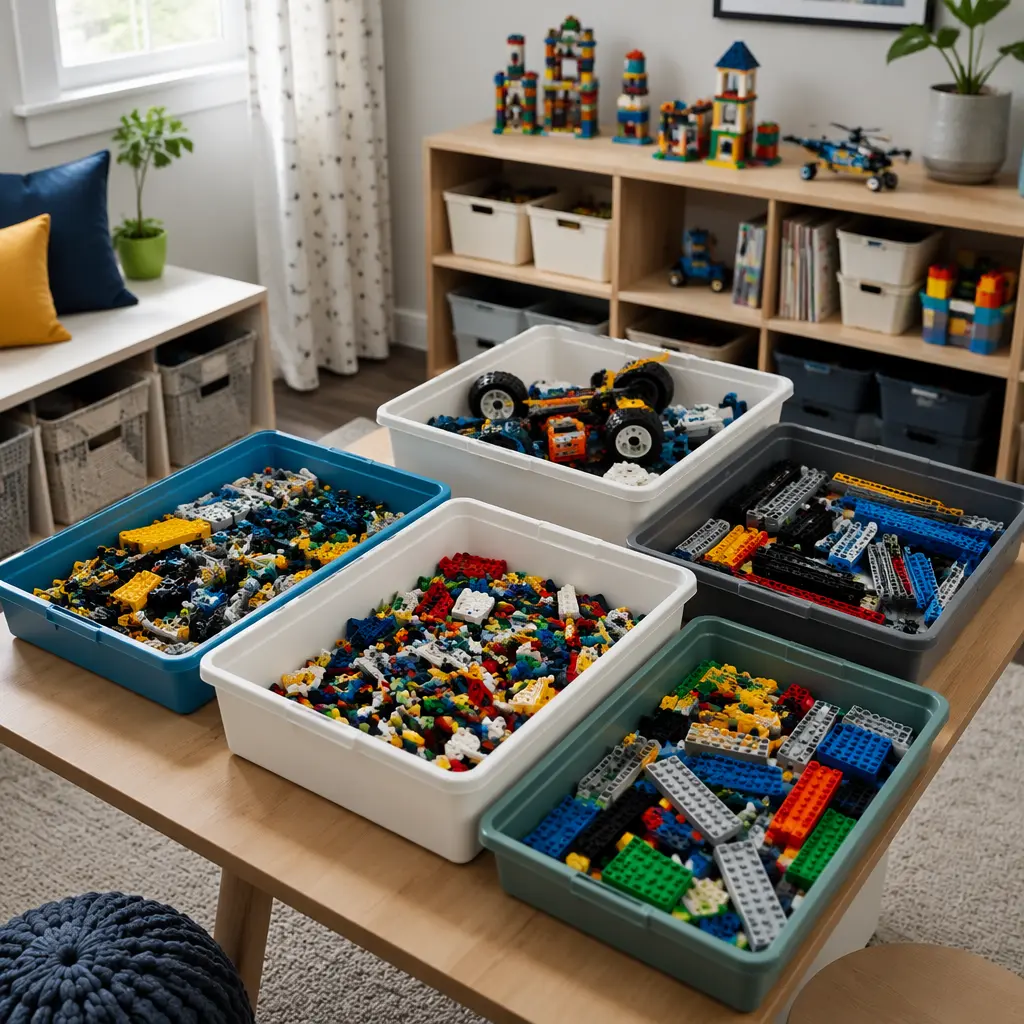
Some building sets encourage creativity but create a cleanup job that still depends on an adult every evening. For children ages 6 to 8, the easiest sets to manage independently usually balance three things: pieces that are easy to pick up by hand, storage that makes sorting obvious, and building systems that do not scatter tiny parts across the room. Choosing with cleanup in mind can reduce frustration for both children and parents while still supporting imaginative, screen-free play. The best option depends on available space, how much sorting a child enjoys, and whether the set will stay in one area or move around the house.
What to look for
Cleanup-friendly building toys are usually designed around visibility and simplicity. Children in this age group can often follow a routine independently if the storage system is clear and the pieces are large enough to handle quickly. Sets with too many tiny connectors, highly specialized parts or complicated sorting categories often slow cleanup and increase the chance of lost pieces. Durability also matters because cracked or bent parts make sorting harder and can turn a quick tidy-up into a longer search for matching components.
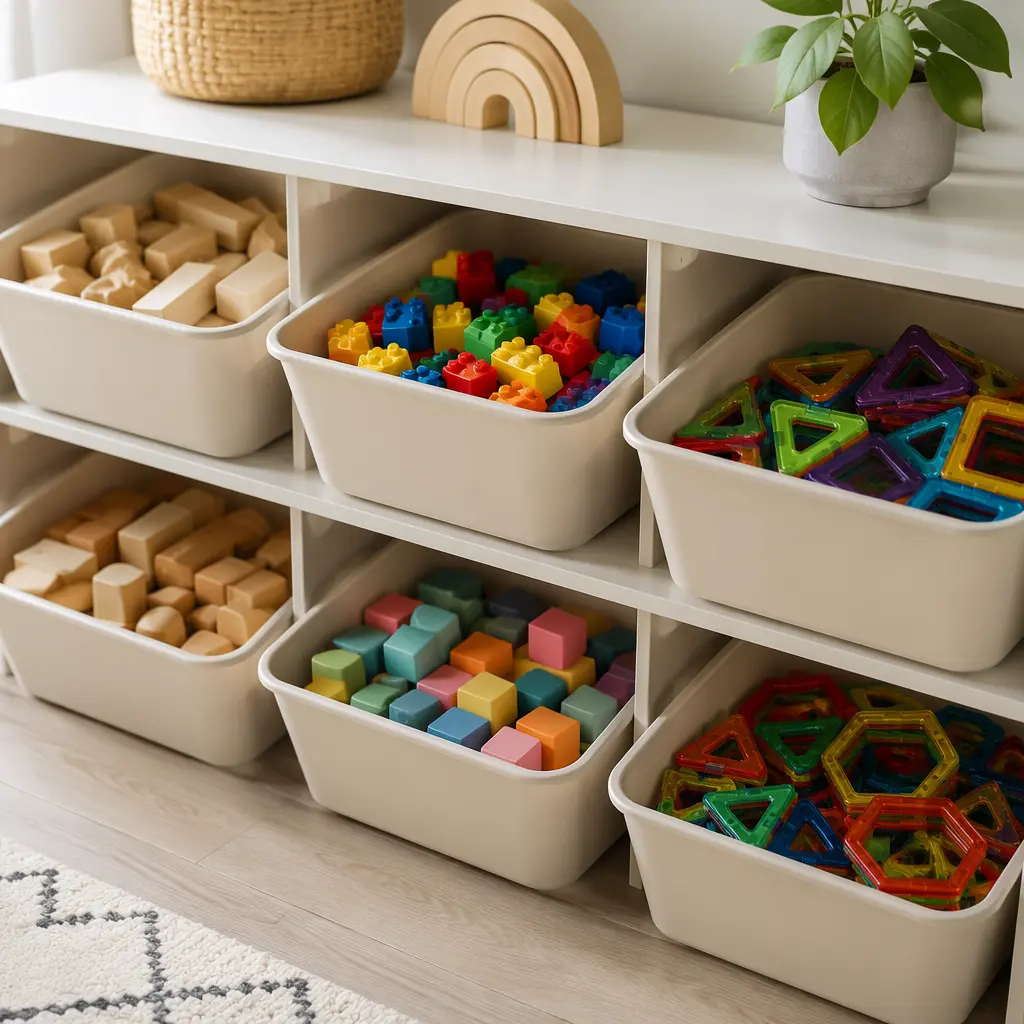
- Choose medium or large pieces that can be gathered quickly without fine sorting.
- Look for open-top bins, trays or stackable containers that children can reach without help.
- Consider color-coded or shape-based systems that make sorting intuitive.
- Avoid sets with dozens of nearly identical micro-pieces if independent cleanup is the priority.
- Check whether pieces roll under furniture easily or stay contained on a play surface.
- Think about noise levels, especially with hard plastic bricks dropped into storage tubs.
- Foldable mats or play trays can simplify cleanup in small homes or shared spaces.
- If siblings share toys, simpler systems with fewer categories are usually easier to maintain.
Age suitability
Children between 6 and 8 often enjoy more detailed building projects than younger children, but their ability to organize pieces varies widely. Many can follow simple cleanup systems independently if expectations stay consistent. Larger interlocking bricks, magnetic tiles and chunky construction pieces are often easier for younger six-year-olds to manage, while older children in the range may enjoy more advanced systems with moderate sorting demands. Sets designed for older hobby builders can still overwhelm this age group if they involve hundreds of tiny parts or long instruction sequences. Families with limited floor space may also prefer compact systems that store vertically or fit into shallow drawers instead of large tubs.
Options compared
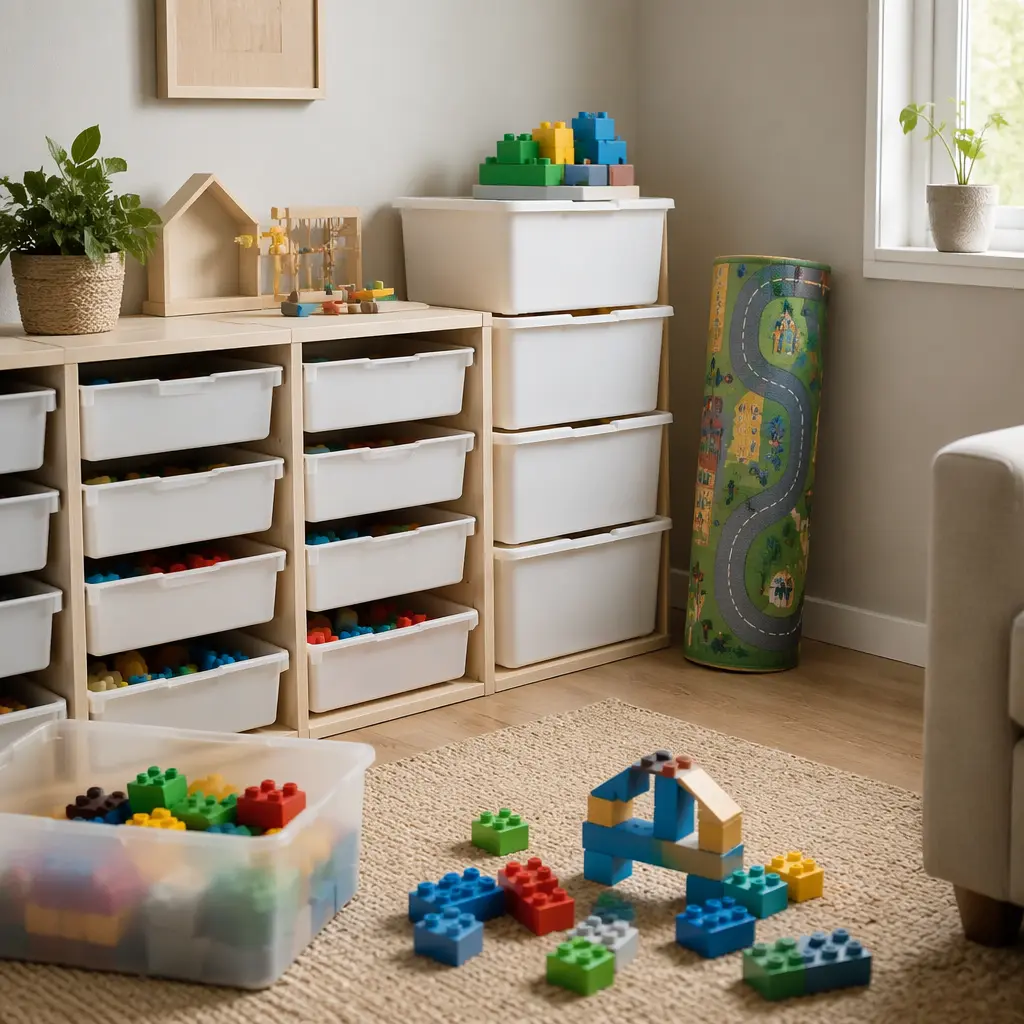
Large interlocking brick systems are often the easiest compromise between creative freedom and manageable cleanup. Pieces are usually big enough to collect quickly, durable enough for repeated use and familiar to many children. Cleanup becomes simpler when families use wide bins instead of trying to sort every shape into separate containers. These systems suit children who enjoy free building and rebuilding rather than preserving display models for long periods.
Magnetic tiles are another strong option for independent cleanup because pieces stack neatly and remain visually organized. Many children can gather them quickly without detailed sorting, and flat shapes store efficiently in apartments or shared bedrooms. The trade-off is that some magnetic sets slide easily across hard floors and may need a defined play area to keep pieces contained. Parents with toddlers in the home may also prefer extra caution around damaged pieces containing exposed magnets.
- Chunky construction toys with rods, gears or snap-together tubes suit active children who like movement and experimentation. They are usually easier to grip but can take more storage space.
- Wooden block sets create minimal sorting demands and are often quieter during cleanup, though larger sets can become heavy to move.
- Miniature brick systems reward patience and detailed building but are less practical for independent cleanup at ages 6–8.
- Theme-heavy kits with many unique decorative parts can increase lost pieces and make cleanup slower.
- Open-ended systems generally stay useful longer than single-project kits because children rebuild them in different ways over time.
Frequently asked questions
What type of storage works best for independent cleanup?
Low, open containers are usually easier than deep tubs with lids. Children can see where pieces belong and drop them in quickly without complicated sorting. Clear bins, shallow drawers and rolling carts can all work well if they stay accessible.
Should building pieces be sorted by color or shape?
For this age group, simpler systems are often more sustainable. Sorting by broad categories such as bricks, connectors and figures is usually easier than organizing every color or size separately. Overly detailed sorting systems can discourage independent cleanup.
Are wooden sets easier to maintain than plastic ones?
Wooden blocks are often straightforward to tidy because there are fewer specialized parts. They also tend to create less visual clutter. However, they can be bulky and heavier to carry, especially in large quantities or smaller homes.
How can parents reduce floor mess during play?
Using a dedicated play mat, tray or rug can help contain pieces and make cleanup faster. Some families also rotate smaller amounts of building pieces instead of keeping every set available at once, which reduces sorting time and storage pressure.
Do more advanced building kits help children learn organization?
They can, especially for children who enjoy structured tasks and detailed instructions. However, if cleanup regularly becomes frustrating or requires adult rescue, a simpler system may support more independent play and consistent routines.
The easiest building sets to clean up are not always the simplest toys overall. The right choice depends on how a child plays, how much storage space is available and how independent cleanup needs to be. For many families, medium-sized open-ended systems with straightforward storage offer the best balance between creativity, durability and manageable daily tidying.