Best Quiet Building Toys for Early-Morning Kids
A parent-focused guide to quiet building toys for ages 3–5, with practical advice on noise levels, cleanup, storage, durability, and independent early-morning play.
Compare prices and availability
Check current prices and availability for this guide on eBay.
As an eBay Partner, we may be compensated if you make a purchase.
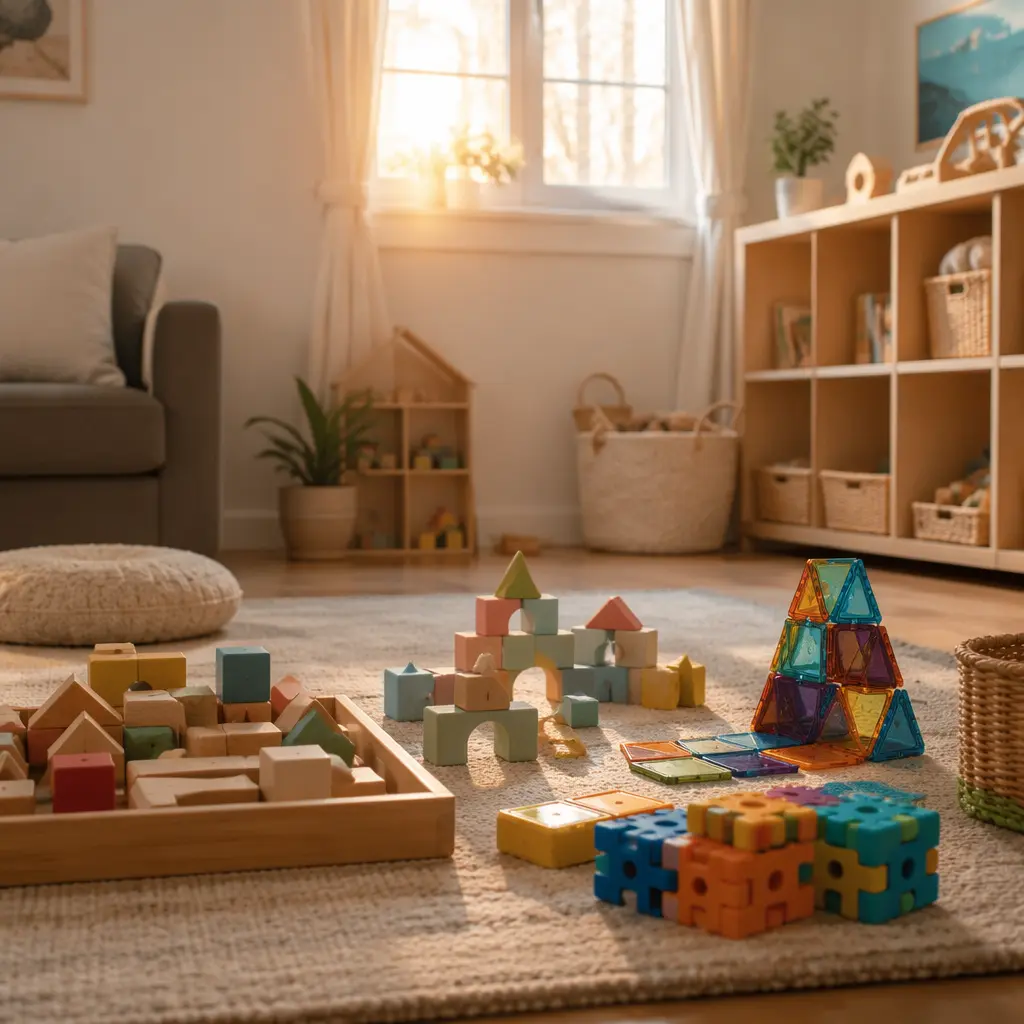
For families with early-rising children, building toys can be one of the few screen-free activities that encourage independent play without waking the whole house. The challenge is finding sets that stay genuinely quiet in use. Some construction toys involve hard plastic pieces clattering onto floors or storage bins, while others are softer, slower-paced, and easier for preschoolers to manage on their own. For children ages 3–5, the best quiet building toys usually combine simple open-ended play with easy cleanup, durable pieces, and low frustration. Choosing the right type depends on your child’s fine motor skills, your available storage space, and how much supervision is realistic first thing in the morning.
What to look for
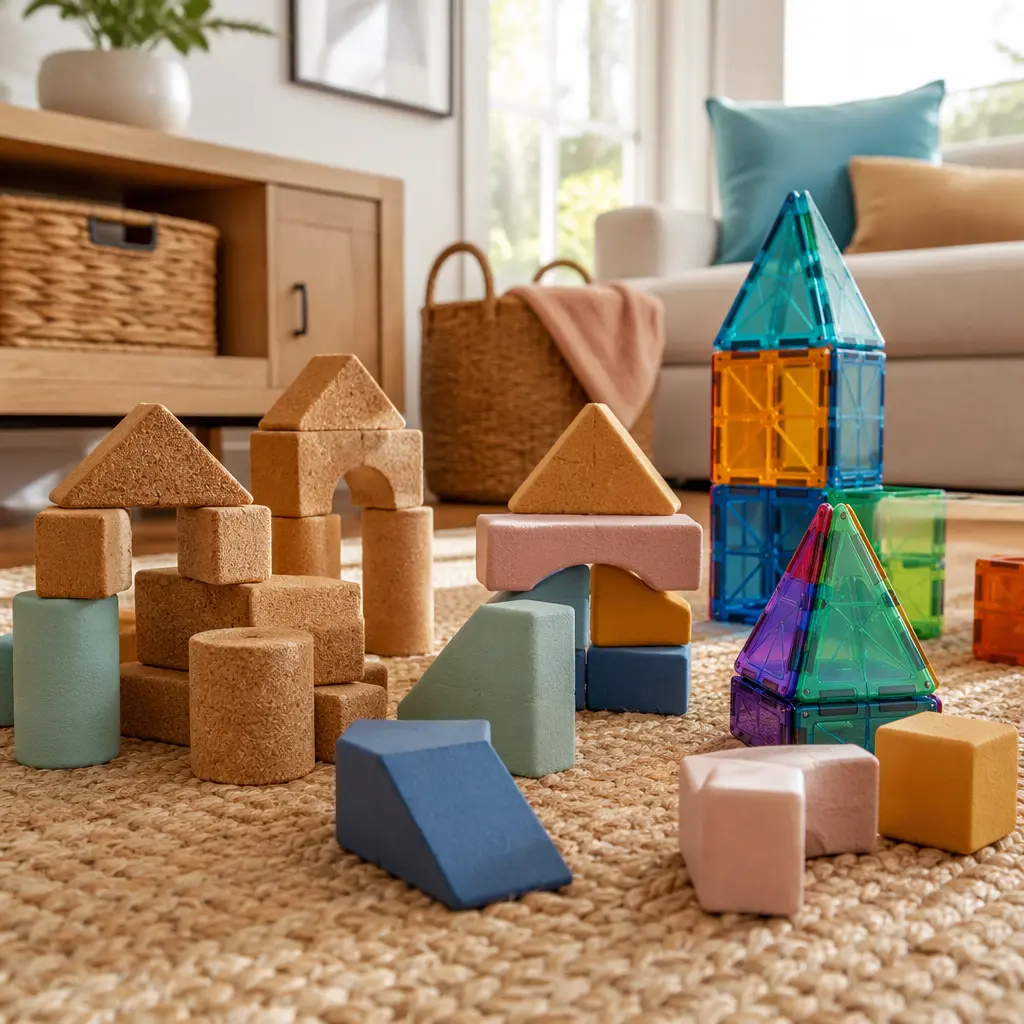
Noise level depends as much on material and storage as it does on the toy itself. Hard wooden blocks dropped onto hardwood floors can still create plenty of sound, while lightweight foam or silicone-based pieces stay quieter during play and cleanup. Preschoolers also benefit from building toys that are intuitive enough to use independently before adults are fully awake. Large pieces, simple connections, and open-ended designs usually work better than complicated systems with tiny connectors or instructions.
- Soft or lightweight materials such as foam, cork, felt, silicone, or lightweight plastic to reduce clattering
- Chunky pieces sized for preschool hands and safe independent handling
- Simple connection systems that do not require strong finger pressure
- Storage bins with fabric sides or soft liners to reduce cleanup noise
- Open-ended play styles that work without adult setup or batteries
- Durable pieces that tolerate stepping, dropping, and repeated rebuilding
- Sets with manageable piece counts for smaller homes or shared bedrooms
Age suitability
Most quiet building toys aimed at ages 3–5 focus on large-format construction rather than detailed engineering. At this stage, children are still developing grip strength, planning skills, and frustration tolerance. Toys that snap together too tightly or fall apart easily can create noise and frustration at the same time. Younger preschoolers often do best with stacking systems, magnetic building sets with large pieces, or soft blocks that encourage imaginative structures without precise alignment. Older children within this age range may enjoy more complex interlocking systems if they can build independently and clean up without help. Families with younger siblings should still check for small parts, especially with magnetic or connector-based toys.
Options compared
Foam blocks are among the quietest options available. They are lightweight, soft on floors, and easy for younger preschoolers to stack independently. They suit children who enjoy large-scale building and active play but may not hold detailed structures well. Some foam sets also take up significant storage space, so they are better suited to homes with dedicated play areas.
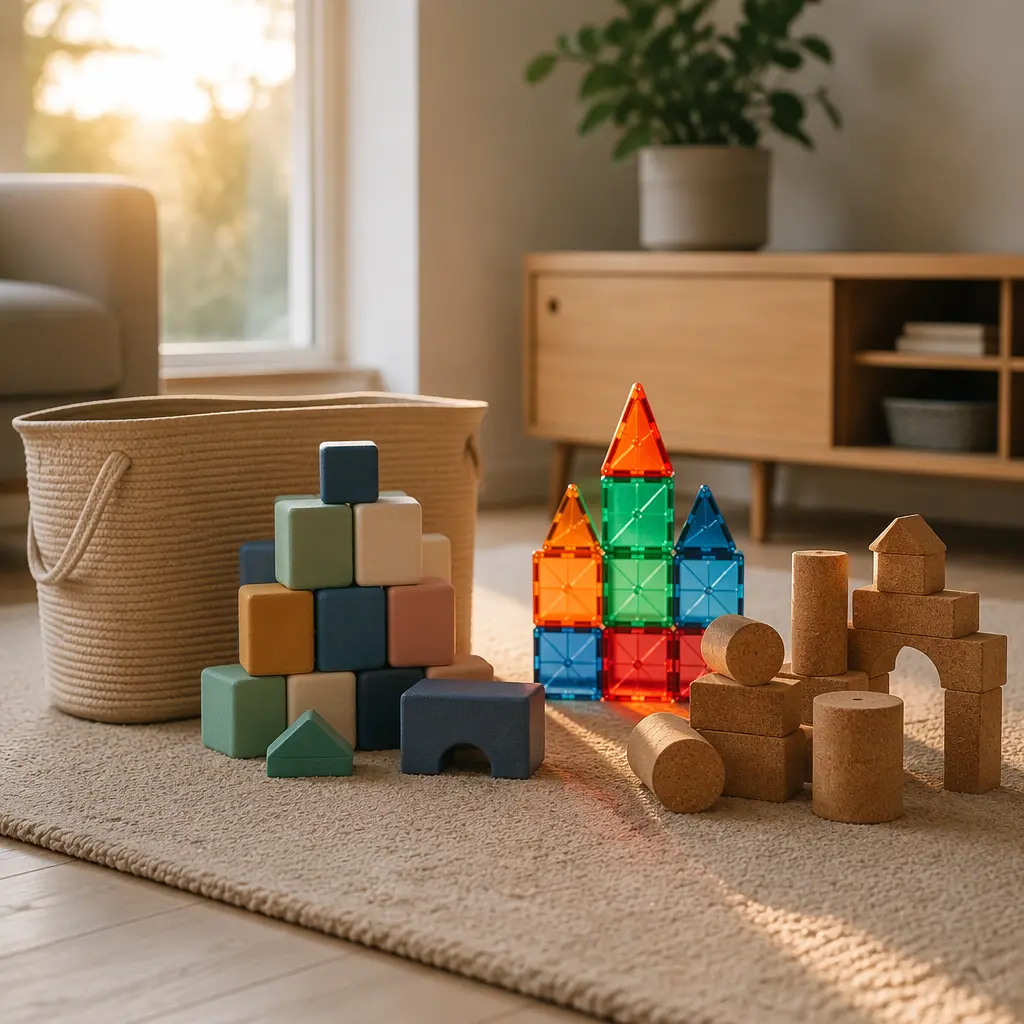
Cork blocks offer a useful middle ground between traditional wooden blocks and softer materials. They are quieter when dropped, still provide enough weight for stable towers, and often appeal to families looking for more natural-looking play materials. However, cork can show wear over time if heavily chewed or used outdoors regularly.
- Magnetic tiles: Usually quieter than hard interlocking bricks and easier for independent preschool play. Best for children who enjoy building houses, ramps, and simple shapes. Storage matters because large tile collections can become noisy in bins.
- Chunky interlocking blocks: Durable and familiar for many families, but noise levels vary depending on material and floor type. Better for children who like structured building and vehicle play.
- Wooden blocks: Excellent for open-ended creativity and long-term use, though less ideal in upstairs bedrooms or apartments because falling towers can be loud.
- Felt or fabric construction sets: Extremely quiet and compact for travel or shared spaces, though structures are usually less stable and less satisfying for children who enjoy tall builds.
- Silicone or rubberized stacking toys: Soft, washable, and low-noise, often useful for mixed-age homes. These tend to support simpler construction rather than advanced building projects.
Frequently asked questions
Are magnetic tiles suitable for ages 3–5?
Many magnetic tile sets are designed for preschool-aged children, but families should check age guidance carefully and supervise younger children around magnets. Larger tiles are generally easier and safer for independent play than smaller connector systems.
Which building toys are quietest on hardwood floors?
Foam, cork, felt, and silicone-based toys usually create the least noise on hard flooring. Adding a play rug or foam mat can also make traditional blocks significantly quieter during early-morning play sessions.
Do quiet building toys still support learning and creativity?
Yes. Open-ended construction play helps support spatial awareness, fine motor development, planning skills, and imaginative play regardless of whether the materials are soft or rigid. Preschoolers often focus more on experimentation and storytelling than complex engineering.
What works best for independent early-morning play?
Toys with simple building systems, easy access storage, and minimal setup tend to work best. Preschoolers are more likely to stay engaged independently when they can start building immediately without needing instructions or adult help.
How many pieces should a preschool building set include?
For ages 3–5, moderate-sized sets are often easier to manage than very large collections. Around enough pieces for several small structures usually provides variety without turning cleanup into a noisy or overwhelming task.
The best quiet building toy for early mornings depends less on trends and more on your home environment and your child’s play style. Families in apartments or shared bedrooms may prioritize softer materials and compact storage, while children who enjoy ambitious building projects may prefer magnetic or interlocking systems despite slightly higher noise levels. A simple, durable set that children can access and tidy independently is often the most useful choice for calm starts to the day.