Best Screen-Free Toys for Kids in Hospital Recovery
A parent-focused guide to quiet, low-energy toys for children aged 6–8 recovering in hospital or resting at home, with practical advice on mess, cleaning, storage and independent play.
Compare prices and availability
Check current prices and availability for this guide on eBay.
As an eBay Partner, we may be compensated if you make a purchase.
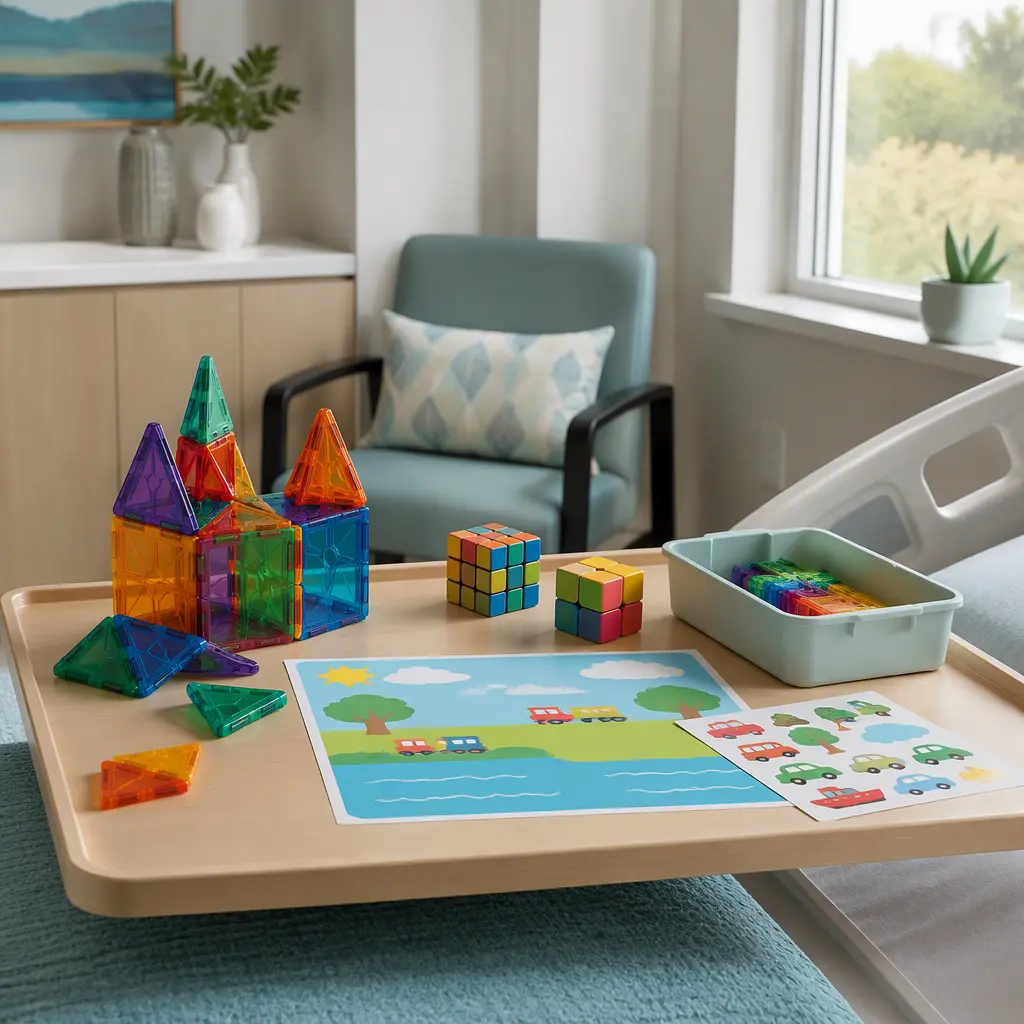
Children recovering in hospital or spending long periods resting in bed often need a different kind of toy than they would at home or outdoors. For ages 6 to 8, the most practical screen-free options tend to be quiet, compact, easy to wipe clean and simple enough to use independently without constant adult help. Building and construction toys can work particularly well because they keep hands busy, encourage focus and can be used in short bursts when energy levels change throughout the day. The main challenge is choosing sets that do not create clutter, roll onto the floor or require large play areas.
What to look for
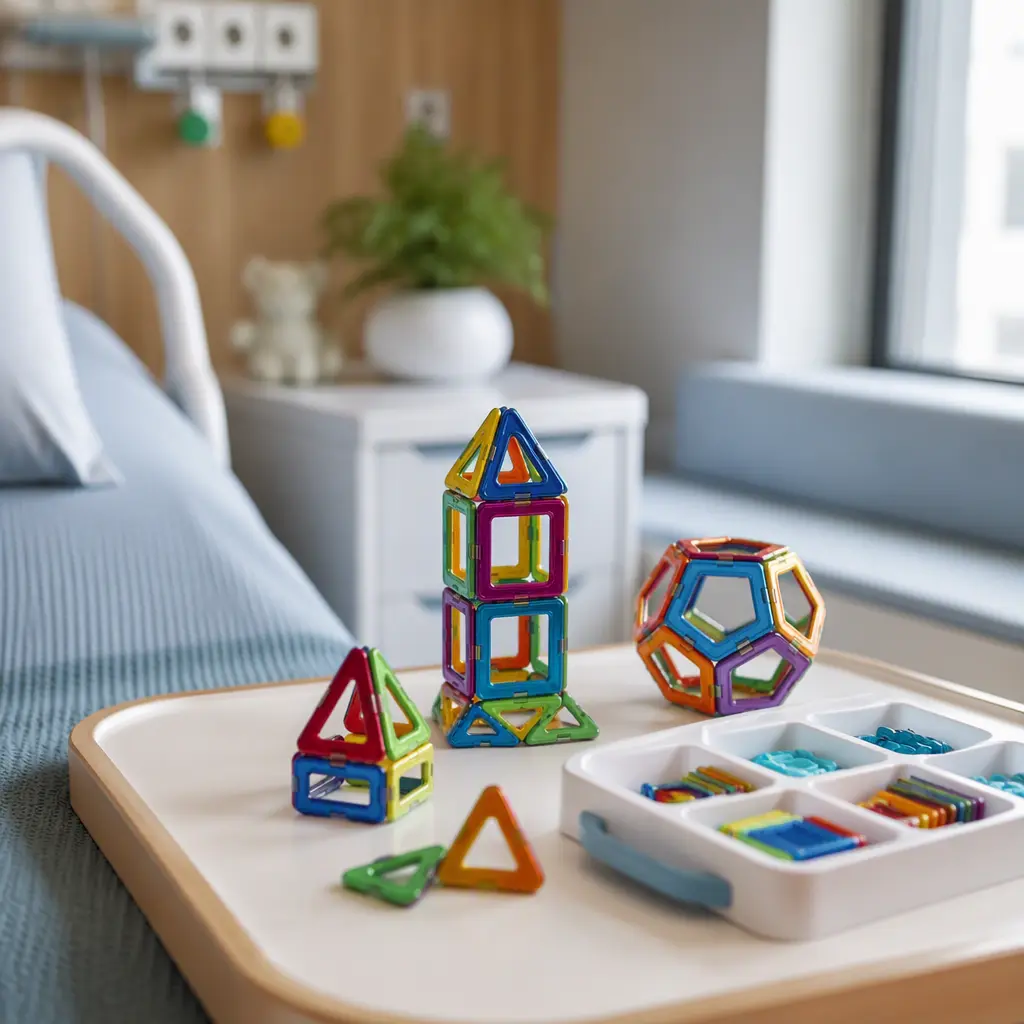
The best low-energy toys for hospital recovery are usually portable, quiet and easy to pause and restart. Many children in recovery tire quickly, so activities that allow short play sessions are often more useful than large projects that demand concentration for hours. Cleaning also matters. Toys with fabric parts, loose sand or difficult-to-sanitize surfaces may not suit shared hospital spaces. Storage is another practical concern because bedside tables and visitor chairs can fill up quickly.
- Choose toys that work on a tray table or lap rather than needing floor space.
- Look for magnetic or connected pieces that are less likely to fall under beds.
- Quiet materials such as foam, silicone or smooth plastic are usually better for shared rooms.
- Avoid sets with hundreds of tiny pieces unless strong storage containers are included.
- Pick activities that can be stopped midway without losing progress.
- Reusable play options such as magnetic puzzles or sticker scenes reduce waste and clutter.
- Check whether surfaces can be wiped clean easily with standard disinfecting wipes.
Age suitability
Children aged 6 to 8 are often ready for more detailed building activities than younger children, but recovery settings can temporarily reduce patience, coordination or energy. Simpler construction systems may still work better than advanced kits with complex instructions. Magnetic tiles, snap-together builders and lightweight engineering toys are generally easier to manage in bed than traditional brick systems with many tiny connectors. Puzzle-style construction activities can also appeal to children who want a calm challenge without the pressure of following step-by-step designs. If a child is recovering from surgery or illness affecting movement, heavier wooden sets or toys that require strong hand pressure may become frustrating.
Options compared
Magnetic construction toys are often one of the easiest choices for hospital recovery because pieces connect quickly and stay together during play. They suit children who enjoy open-ended creativity but may not have the energy for complicated instructions. The trade-off is that larger magnetic panels can take up space on a tray table, and some hospitals may limit magnetic items around sensitive equipment. Compact magnetic cubes or smaller tile sets are usually easier to manage than oversized kits.
Snap-together building toys offer a more structured feel and can keep children engaged for longer stretches without electronics. They tend to work well for children who enjoy solving problems or following visual patterns. However, some sets require stronger finger pressure and may be tiring during recovery. Traditional plastic brick systems remain popular for ages 6 to 8, but they are not always ideal in hospital rooms because small pieces scatter easily and are difficult to clean individually.
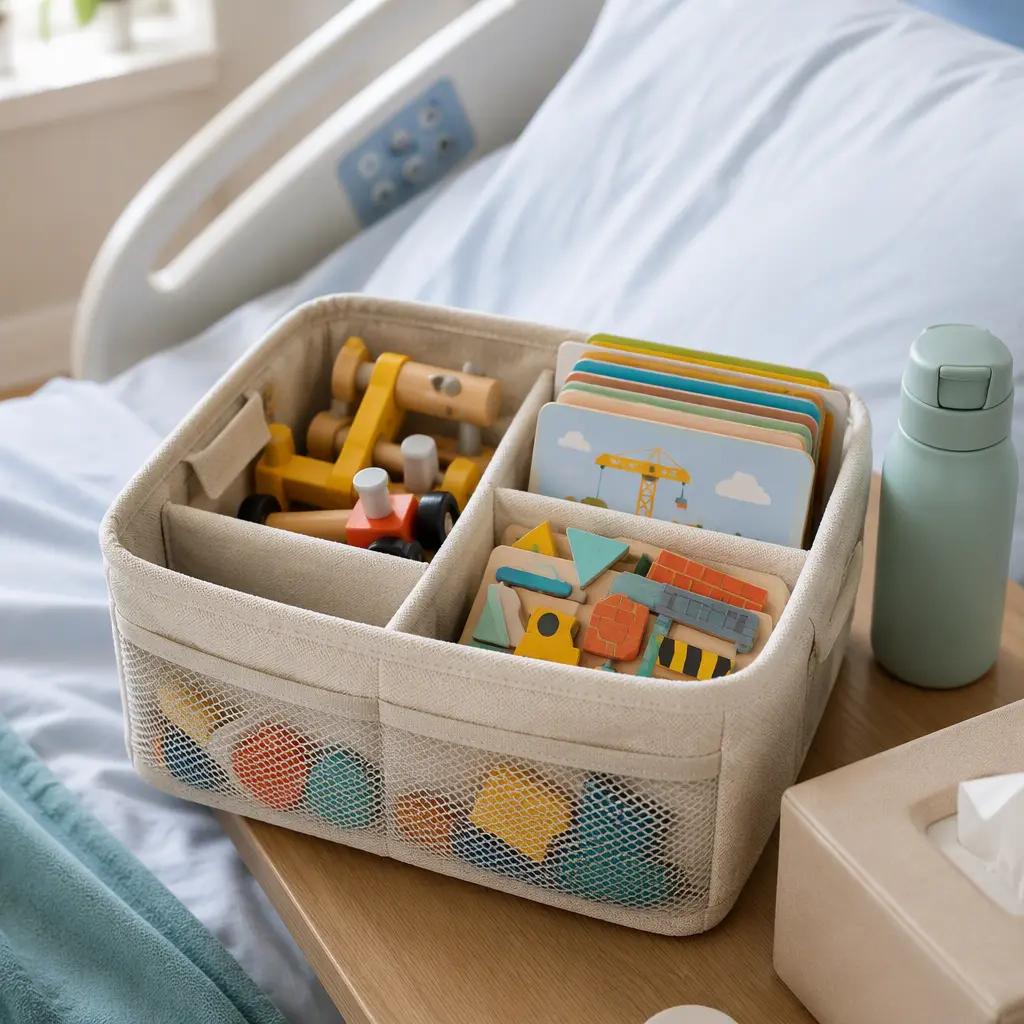
- Magnetic tiles and cubes: best for quiet creative play, easy setup and short sessions; less ideal in very small shared spaces.
- Foam or silicone construction sets: softer, quieter and lightweight; usually less durable for long-term home use.
- Traditional interlocking bricks: good for children who want detailed builds; can create clutter and require more cleanup.
- Puzzle construction kits: useful for calm independent focus; may frustrate children who tire easily.
- Reusable sticker architecture or scene-building books: highly portable and mess-free; less satisfying for children who prefer hands-on engineering.
Frequently asked questions
Are building toys too tiring during recovery?
Not necessarily. Many children benefit from low-pressure activities that keep their hands occupied without demanding physical movement. Simpler sets with larger pieces are usually easier than detailed engineering kits during recovery.
What types of toys are easiest to clean?
Smooth plastic, silicone and sealed magnetic pieces are generally easier to wipe clean than plush toys, cardboard crafts or activities involving glue, paint or sand. Storage boxes that close securely also help keep toys cleaner between uses.
Should parents avoid toys with many small parts?
Large numbers of loose pieces can become difficult in hospital rooms because they fall easily and may interrupt rest. Compact sets with fewer parts or built-in storage are usually more practical for bedside play.
Are travel-sized construction toys worth considering?
Travel versions can work very well for recovery because they fit on small tables and are easier to carry between appointments or rooms. The main limitation is that some mini sets may feel repetitive after extended use.
What if a child loses interest quickly?
Recovery days can vary a lot. Open-ended toys that support both short and longer sessions are often the most flexible. Rotating between two or three quiet activities usually works better than relying on one large set.
The most useful screen-free recovery toys are often the simplest ones to manage day after day. Quiet construction sets, reusable activity kits and compact creative toys can help children stay occupied without adding stress for families or hospital staff. Prioritizing easy cleanup, manageable piece counts and comfortable bedside use usually leads to better long-term value than choosing the biggest or most complicated set.