Best Simple Building Toys for Babies to Toddlers
A parent-focused guide to no-battery building toys that grow with babies from about 9 months to age 2. Learn what to look for, age fit, safety tips, and the main types of blocks and stackers.
Compare prices and availability
Check current prices and availability for this guide on eBay.
As an eBay Partner, we may be compensated if you make a purchase.
Simple building toys are a classic choice for babies and young toddlers. With no batteries, screens, or complicated parts, these toys focus on basic skills like grasping, stacking, and problem-solving. From around 9 months through age 2, the right blocks and stackers can grow with a child, offering new challenges as coordination and curiosity develop.
What to look for
When shopping for building toys for babies and toddlers, simplicity and safety matter more than flashy features. These toys are often used in many different ways over months or even years, so materials and design should support open-ended play.
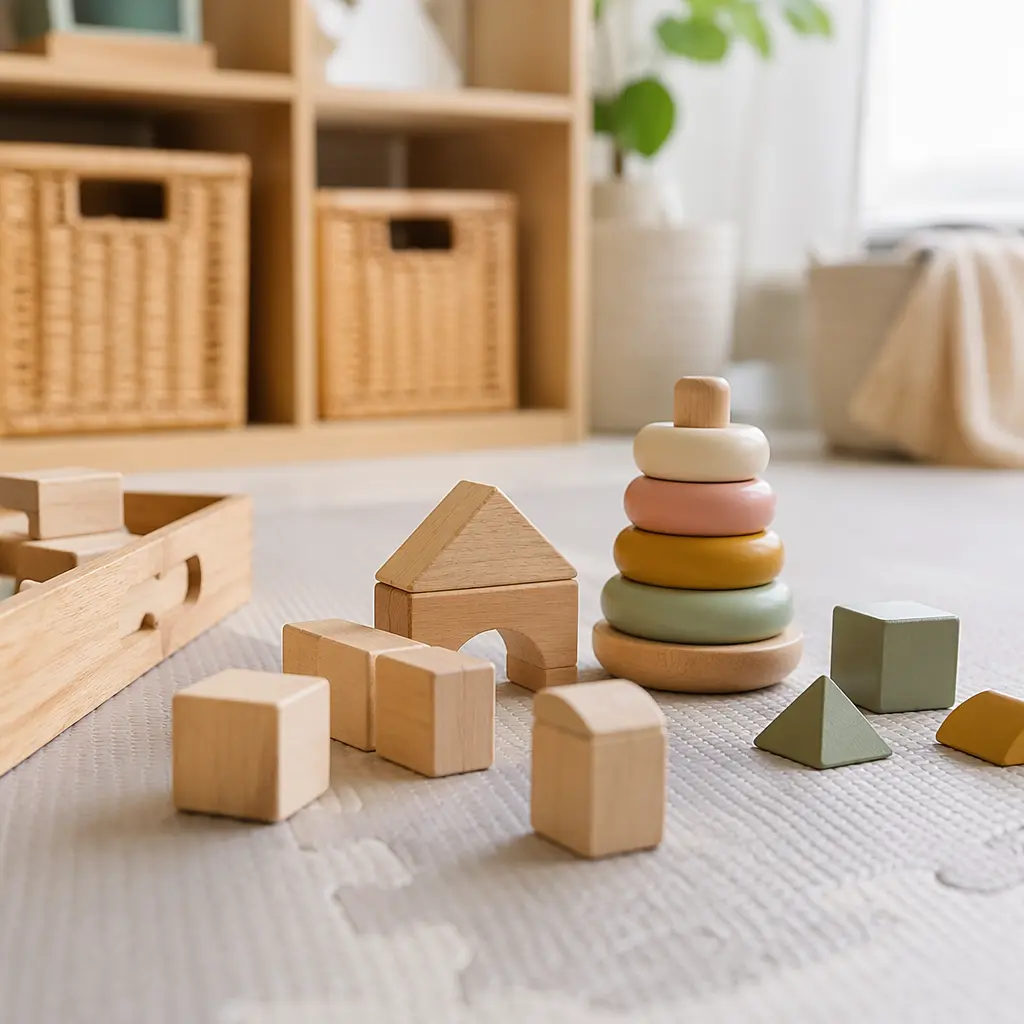
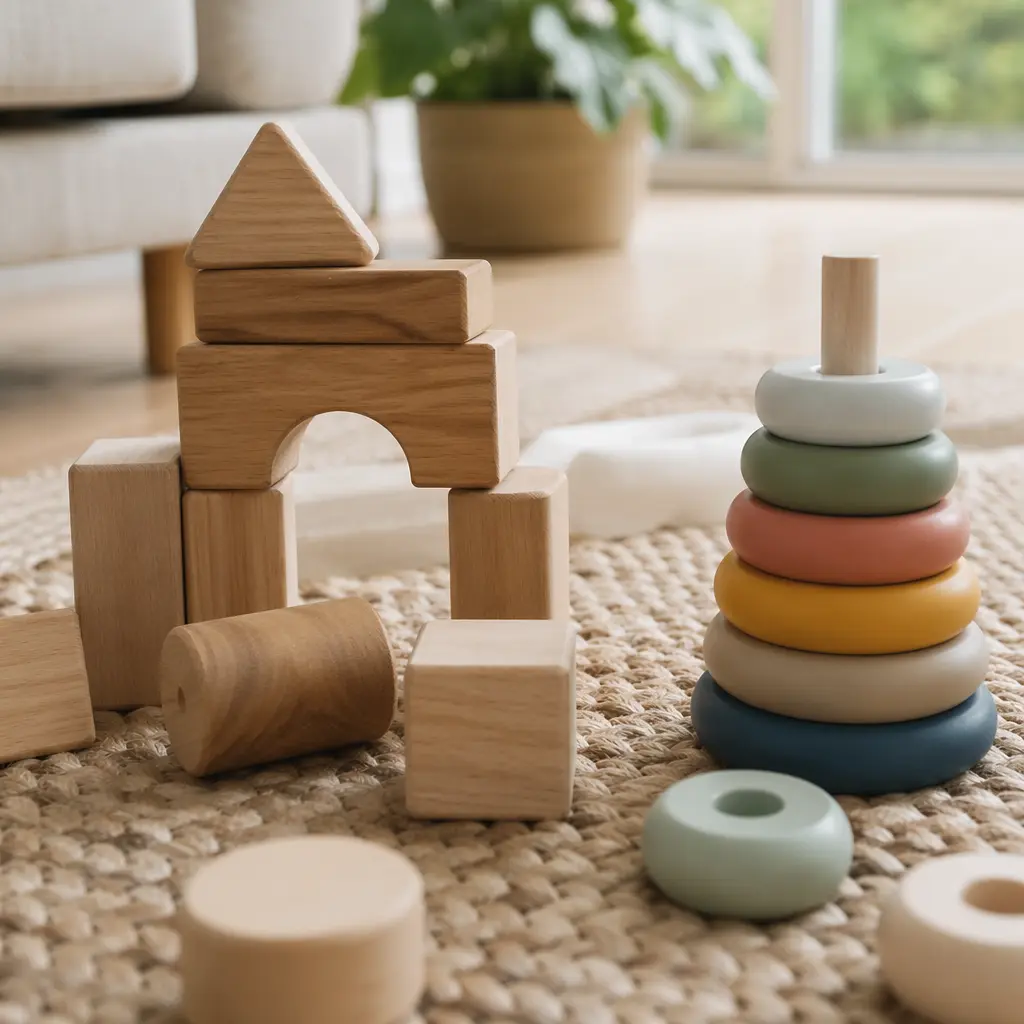
- Large, chunky pieces that are easy to grasp and hard to swallow
- Smooth edges with no sharp corners or splinters
- Durable materials like solid wood, thick plastic, or food-grade silicone
- Stable designs that stack without constant frustration
- Washable or easy-to-clean surfaces
- Neutral or soft colors that don’t overwhelm young eyes
Age suitability
Most simple building toys can be used across a wide age range, but how a child plays will change quickly. Around 9 to 12 months, babies often enjoy knocking towers over, mouthing pieces, and transferring blocks from hand to hand. Between 12 and 18 months, toddlers start intentionally stacking, nesting, and fitting pieces together. By age 2, many children experiment with simple structures, sorting by size or color, and pretend play. Look for toys labeled for infants or young toddlers, and expect the play pattern to evolve rather than needing a new toy every few months.
Standout categories or types
Simple building toys come in a few main categories, each supporting slightly different skills. Many families choose more than one type over time, but even a single well-made set can offer years of use.
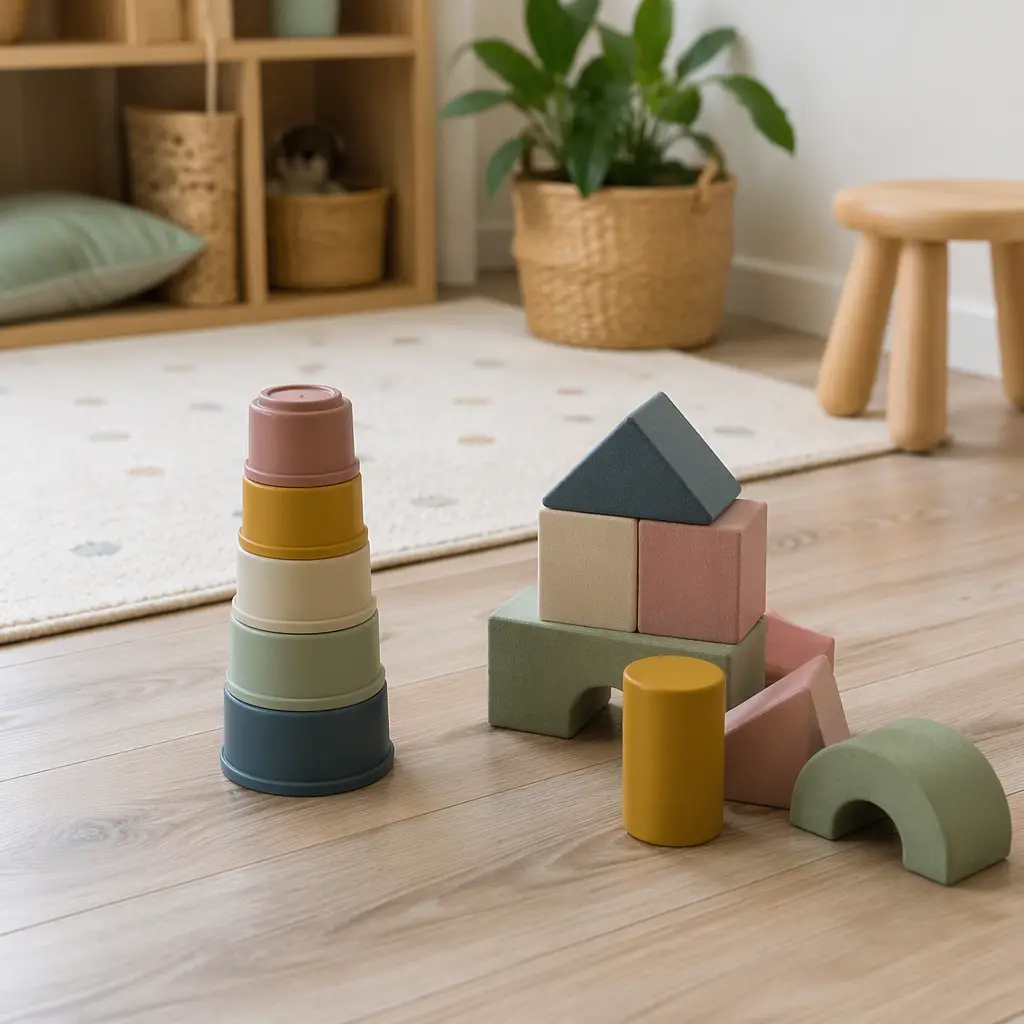
- Classic blocks: Wooden or thick plastic blocks are open-ended and support stacking, knocking down, and early pretend play.
- Stacking rings and posts: These focus on hand-eye coordination and size order, especially helpful in the first year.
- Nesting cups or boxes: Pieces fit inside one another, encouraging problem-solving and early spatial awareness.
- Soft or foam blocks: Lightweight options that are gentle for younger babies and indoor play.
- Textured or sensory blocks: Include subtle textures or gentle sounds while still keeping the design simple.
Frequently asked questions
Are building toys really useful before age 1?
Yes. Even before stacking begins, babies practice grasping, reaching, and cause-and-effect by holding and knocking over pieces. These early interactions support motor development and curiosity.
How many pieces should a set include?
For babies and young toddlers, fewer pieces are often better. A small set of 5 to 15 large pieces is usually enough to explore without becoming overwhelming or hard to manage.
What materials are safest for this age?
Solid wood, thick BPA-free plastic, and food-grade silicone are common choices. Look for non-toxic finishes and avoid toys with small detachable parts.
Will my child get bored quickly?
Simple building toys tend to stay interesting longer than single-purpose toys. As skills grow, children find new ways to use the same pieces, from knocking down towers to building simple structures.
Simple building toys offer a calm, flexible way to support early development without relying on batteries or screens. By choosing safe materials and age-appropriate designs, parents can provide toys that adapt as babies grow into curious toddlers.