Classic Dollhouses That Still Work for Modern Play
A buyer’s guide to classic, low-tech dollhouses for ages 3–5. Learn why open-ended designs last longer than interactive sets, what features matter, and how to choose a safe, future-proof option.
Compare prices and availability
Check current prices and availability for this guide on eBay.
As an eBay Partner, we may be compensated if you make a purchase.
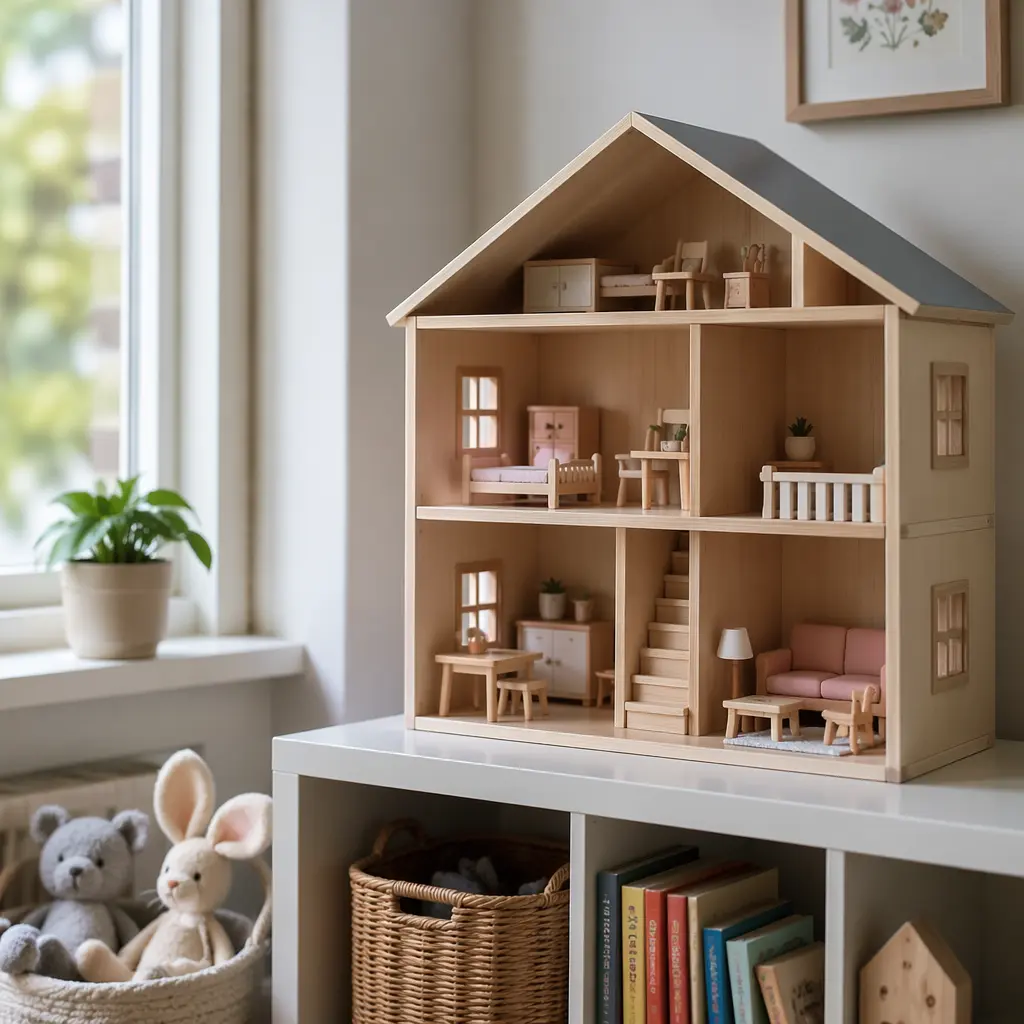
Classic dollhouses—wood, fabric, or sturdy plastic with simple rooms—continue to earn a place in modern playrooms. For children ages 3–5, these low-tech sets support imagination without screens, batteries, or scripted play. While interactive dollhouses promise lights and sounds, parents often find that simpler designs are the ones kids return to day after day.
What to look for
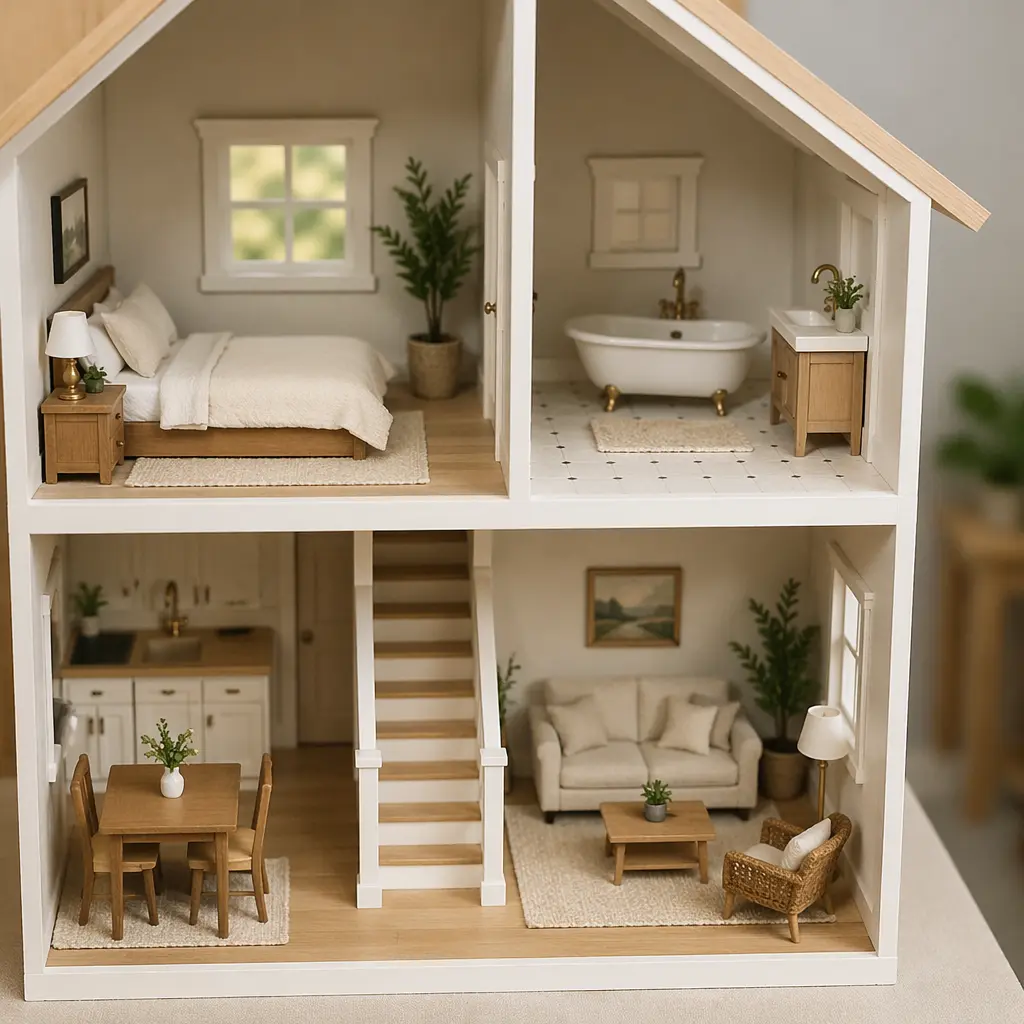
When choosing a classic dollhouse, the goal is flexibility. The best options invite storytelling rather than directing it. Materials, scale, and layout all affect how long a dollhouse stays interesting as a child’s skills grow.
- Open layout: Rooms without fixed walls or electronics allow children to rearrange furniture and invent new scenarios.
- Durable materials: Solid wood, thick plastic, or reinforced fabric stand up to daily play and hand-me-down use.
- Simple design: Neutral colors and minimal detailing leave room for imagination instead of dictating a theme.
- Compatible scale: Standard-sized dolls and furniture are easier to mix and match over time.
- Easy access: Open fronts or wide doorways help small hands reach in without frustration.
Age suitability
For ages 3–5, classic dollhouses hit a sweet spot. Preschoolers are developing language, social skills, and pretend play, and a low-tech dollhouse supports all three. At age 3, children may focus on simple actions like placing figures in rooms or opening doors. By ages 4 and 5, play often becomes more narrative, with families, routines, and imagined problems to solve. A straightforward dollhouse grows with these stages instead of being outgrown.
Standout categories or types
Classic dollhouses come in a few main styles, each with strengths for modern play. Wooden houses are often the most durable and visually timeless, making them easy to pass down. Their weight can also help keep play grounded, with less tipping or sliding during use.
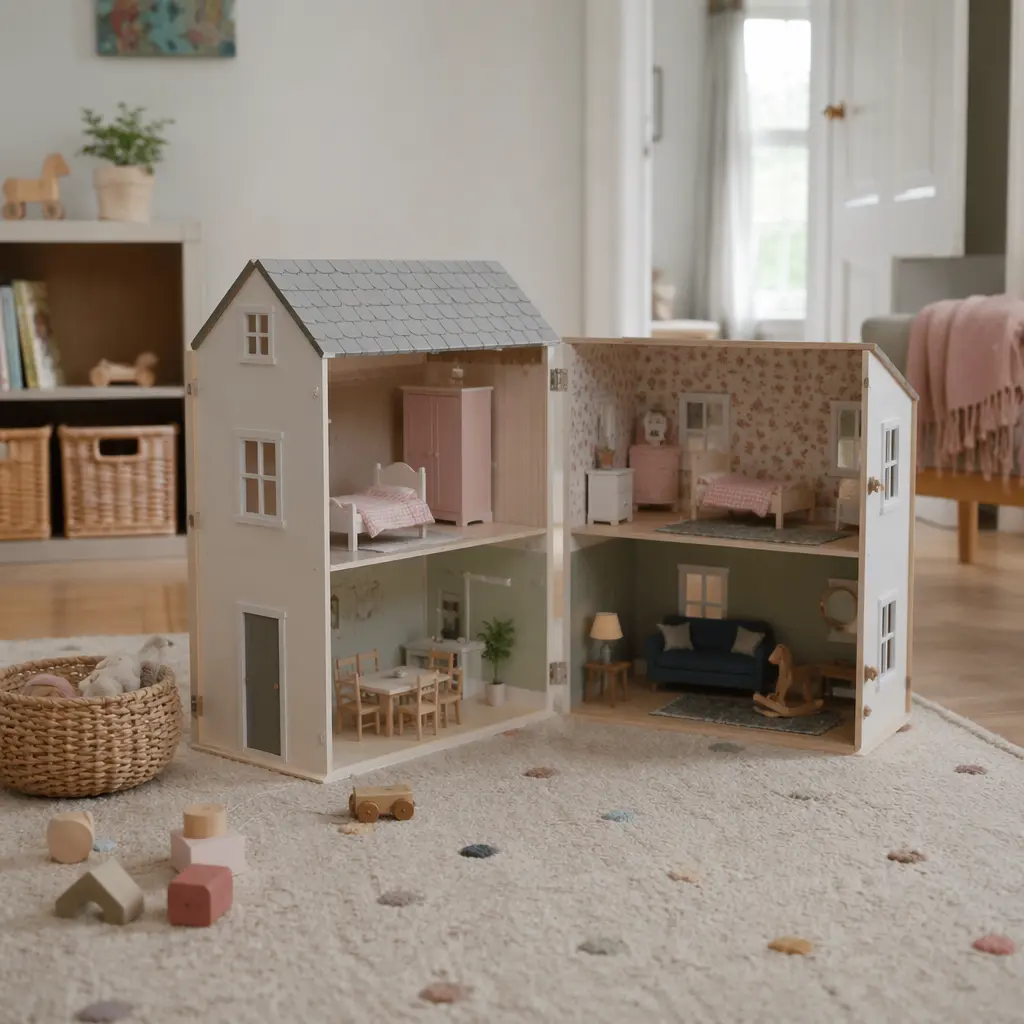
Fabric or foldable dollhouses offer portability and easier storage, which can be a plus for smaller homes. Plastic dollhouses can be lightweight and budget-friendly while still offering open-ended layouts. Across all types, the common thread is simplicity—no fixed storylines, no electronics, and no pressure to play a “right” way.
Frequently asked questions
Why choose a classic dollhouse over an interactive one?
Classic dollhouses don’t rely on sounds, lights, or apps, which means play doesn’t end when batteries die or features feel repetitive. Open-ended designs encourage creativity and longer attention spans.
Will a simple dollhouse feel boring to my child?
For most preschoolers, the opposite is true. Fewer built-in features leave space for children to invent their own stories, characters, and rules. Interest often increases as imagination grows.
How much space does a dollhouse need?
It depends on the style. Tall wooden houses may need a dedicated corner, while foldable or open-back designs can be stored on a shelf or under a bed. Measuring your space ahead of time helps avoid surprises.
Can different dolls and accessories be mixed together?
Many classic dollhouses work with standard doll sizes, making it easier to add or swap accessories over time. This flexibility helps extend the life of the toy.
Classic dollhouses remain relevant because they focus on how children actually play. By choosing a simple, well-built design, parents can offer a toy that supports imagination, adapts to growth, and avoids the quick burnout of trend-driven features. For ages 3–5, low-tech dollhouses are a practical choice with lasting value.