Classic Dolls That Still Compete With Smart Toys
Simple dolls still hold their own in a tech-heavy toy box. This buyer’s guide explains why classic dolls remain engaging for ages 6–8, what to look for, and how they support imaginative play.
Compare prices and availability
Check current prices and availability for this guide on eBay.
As an eBay Partner, we may be compensated if you make a purchase.
In a toy box filled with tablets, talking figures, and app-connected games, classic dolls can seem almost too simple. Yet for many children ages 6–8, dolls without screens or batteries continue to earn regular playtime. Their staying power comes from something technology often struggles to replicate: open-ended imagination. This guide looks at why traditional dolls still compete with smart toys and how parents can choose options that fit modern families.
What to look for
Not all classic dolls are created equal. For children in the 6–8 age range, the right doll should invite storytelling while holding up to frequent handling. Focusing on a few practical features can help narrow the choices and avoid toys that end up unused.
- Durable construction that can handle daily play, outfit changes, and transport between rooms.
- Simple, expressive design that suggests personality without dictating a single storyline.
- Accessories that encourage role-play, such as clothing or everyday items, rather than electronic add-ons.
- Materials that are easy to clean and comfortable to touch.
- Size and weight appropriate for independent play and storage.
Age suitability
For ages 6–8, children often move beyond basic pretend play into more complex narratives. Dolls at this stage become characters in ongoing stories rather than simple props. Kids may create families, schools, or adventures that stretch over days. A well-chosen classic doll supports this growth by staying flexible—able to be a hero one day and a background character the next. Dolls that are too babyish or overly scripted may lose appeal for this age group.
Standout categories or types
Classic dolls come in several broad types, each offering a slightly different play experience. Understanding these categories can help parents match a doll to a child’s interests and play style without relying on digital features.
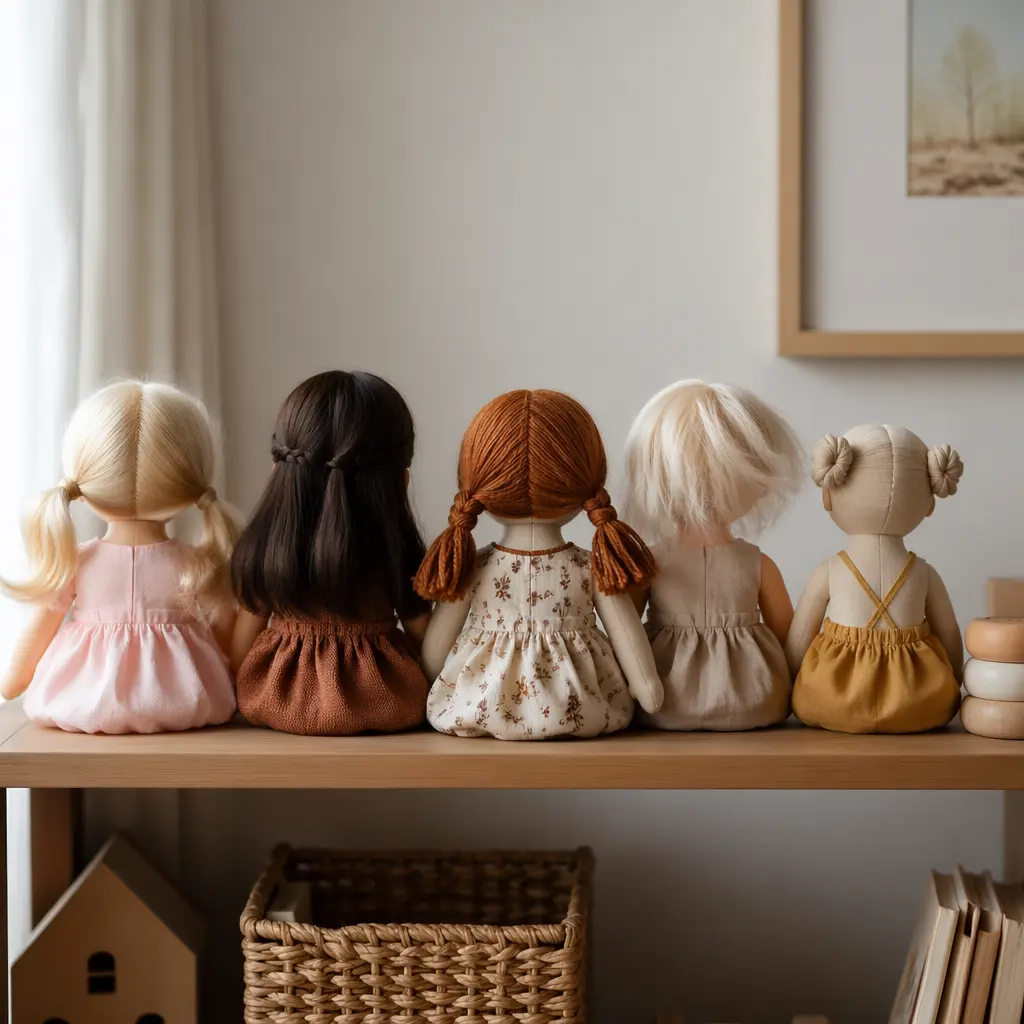
- Cloth dolls: Soft, lightweight, and often comforting, these are easy to carry and dress, making them ideal for extended imaginative play.
- Poseable dolls: With movable arms and legs, these dolls support more active scenes and detailed storytelling.
- Character-neutral dolls: Simple designs without strong themes allow children to project their own ideas and personalities.
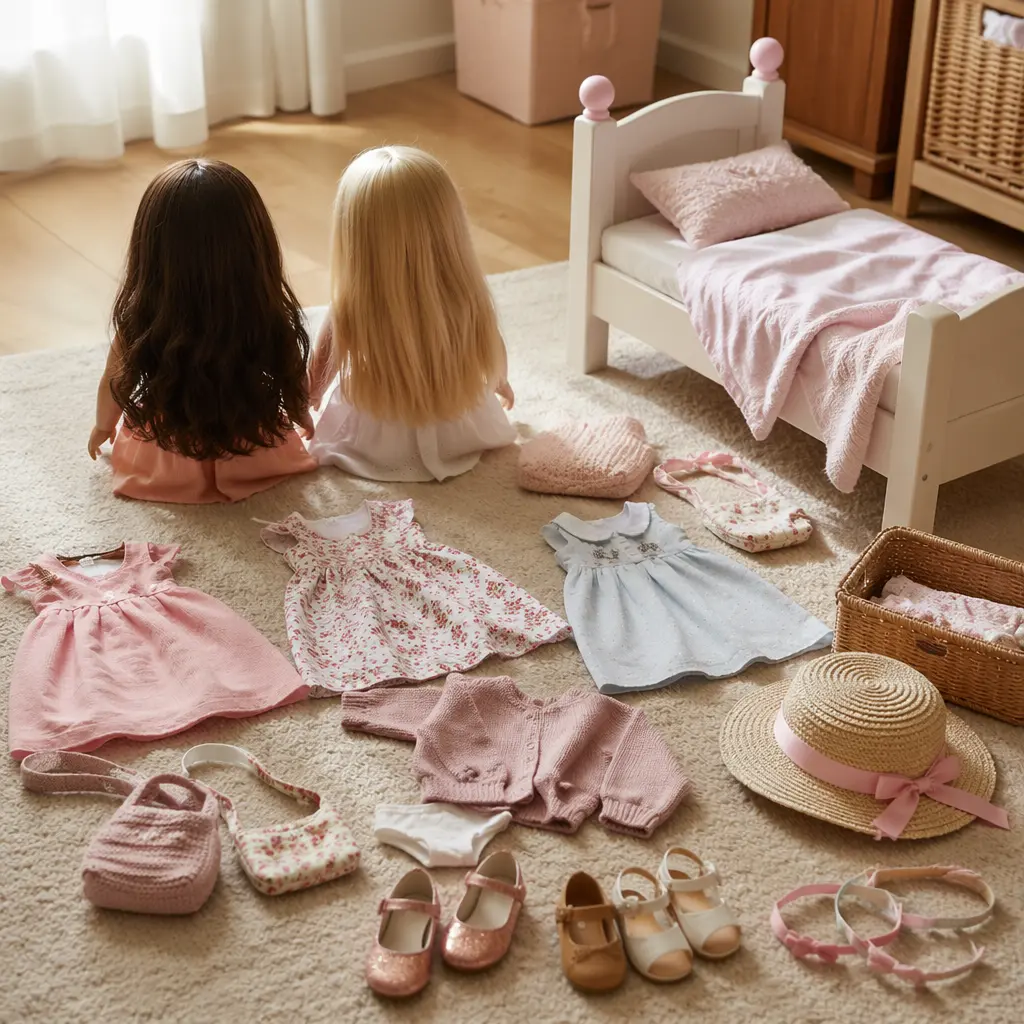
- Accessory-focused dolls: Options with interchangeable outfits or everyday props encourage organization and planning as part of play.
Frequently asked questions
Why do kids still choose dolls over smart toys?
Dolls don’t compete with screens by offering more features. Instead, they give children control. Kids decide the story, the voices, and the outcome, which can feel more rewarding than following pre-programmed responses.
Do classic dolls support learning?
Yes. Doll play often involves language development, problem-solving, and social skills. Children practice empathy, negotiation, and sequencing events as they build stories, all without structured lessons.
Will a non-electronic doll feel boring?
For many kids, the opposite is true. Because nothing happens automatically, the doll becomes a blank canvas. Interest tends to last longer when play can change daily instead of repeating the same sounds or actions.
How many accessories are enough?
A small, thoughtful set is usually better than a large collection. Too many pieces can overwhelm or distract, while a few versatile items encourage creativity and organization.
Classic dolls continue to earn a place alongside smart toys because they meet children where imagination lives. For parents seeking balance in a tech-heavy toy box, these simple options offer lasting play value, adaptability, and a reminder that not every toy needs an update to stay relevant.