Electronic Pets vs Classic Dolls: What Kids Prefer Now
A parent-friendly guide comparing electronic pets and classic dolls for ages 6–8, with a focus on how light tech features affect nurturing play, storytelling, attention, and long-term value.
Compare prices and availability
Check current prices and availability for this guide on eBay.
As an eBay Partner, we may be compensated if you make a purchase.
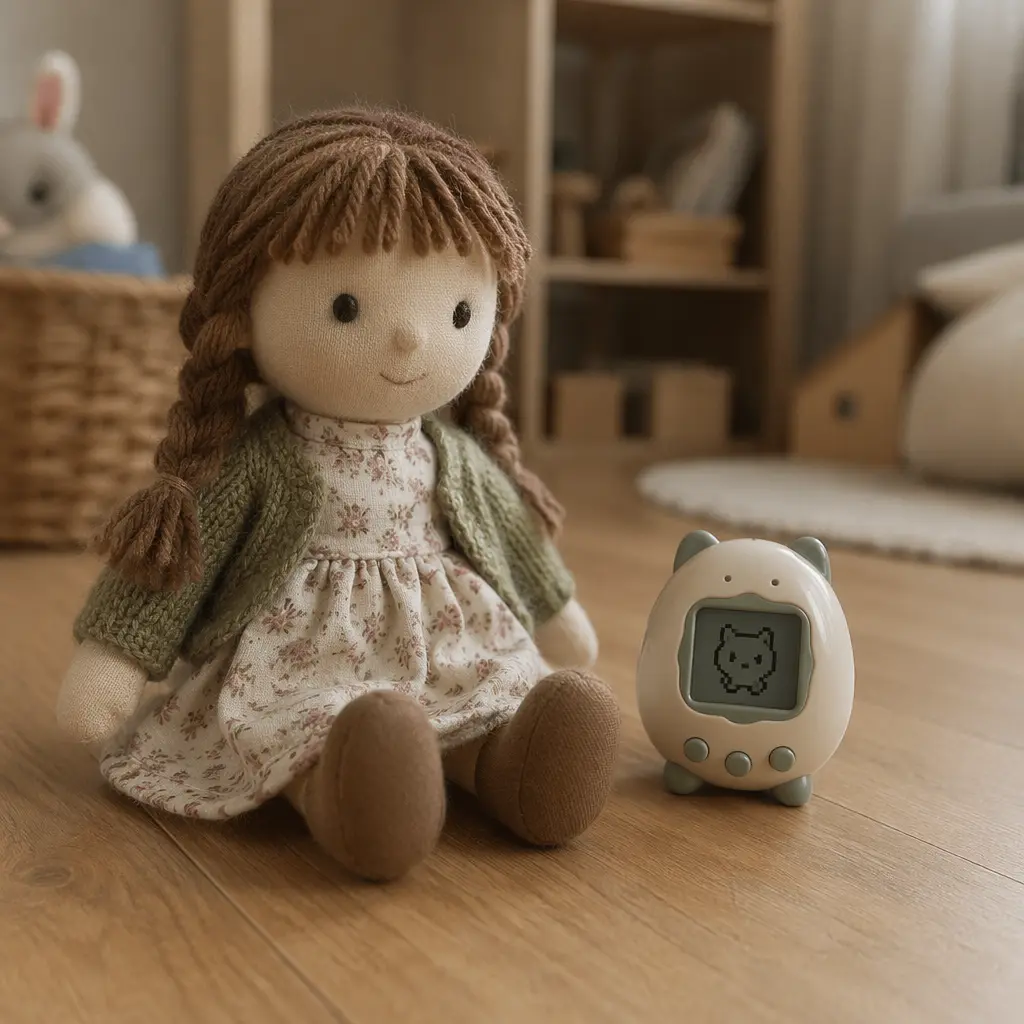
For kids ages 6–8, toys that invite nurturing and storytelling often fall into two camps: classic dolls and electronic pets. Both encourage care, empathy, and imagination, but they do it in different ways. Parents often wonder which type better fits today’s kids, especially as light technology becomes more common in playthings.
What to look for
When choosing between electronic pets and classic dolls, it helps to focus on how your child plays rather than which option seems more popular. At ages 6–8, many kids enjoy more complex stories, rules, and routines, and the toy’s design can shape those experiences.
- Open-ended play: Dolls usually allow unlimited storylines, while electronic pets may guide play with prompts or responses.
- Level of technology: Some electronic pets use simple lights and sounds; others rely on screens or apps. Decide how much tech feels appropriate at home.
- Durability and upkeep: Classic dolls tend to be sturdy and need little maintenance, while electronic toys may require batteries or charging.
- Emotional engagement: Consider whether your child prefers inventing emotions and dialogue or reacting to pre-programmed feedback.
- Noise and stimulation: Electronic pets can be lively and interactive; dolls are typically quieter and calmer.
Age suitability
For children ages 6–8, both electronic pets and classic dolls can be age-appropriate, but they support different developmental needs. Kids in this range often balance imaginative play with a growing interest in rules, goals, and cause-and-effect. Electronic pets can appeal to children who like structure and immediate feedback, while dolls often suit kids who enjoy longer, self-directed stories and social role-play.
Standout categories or types
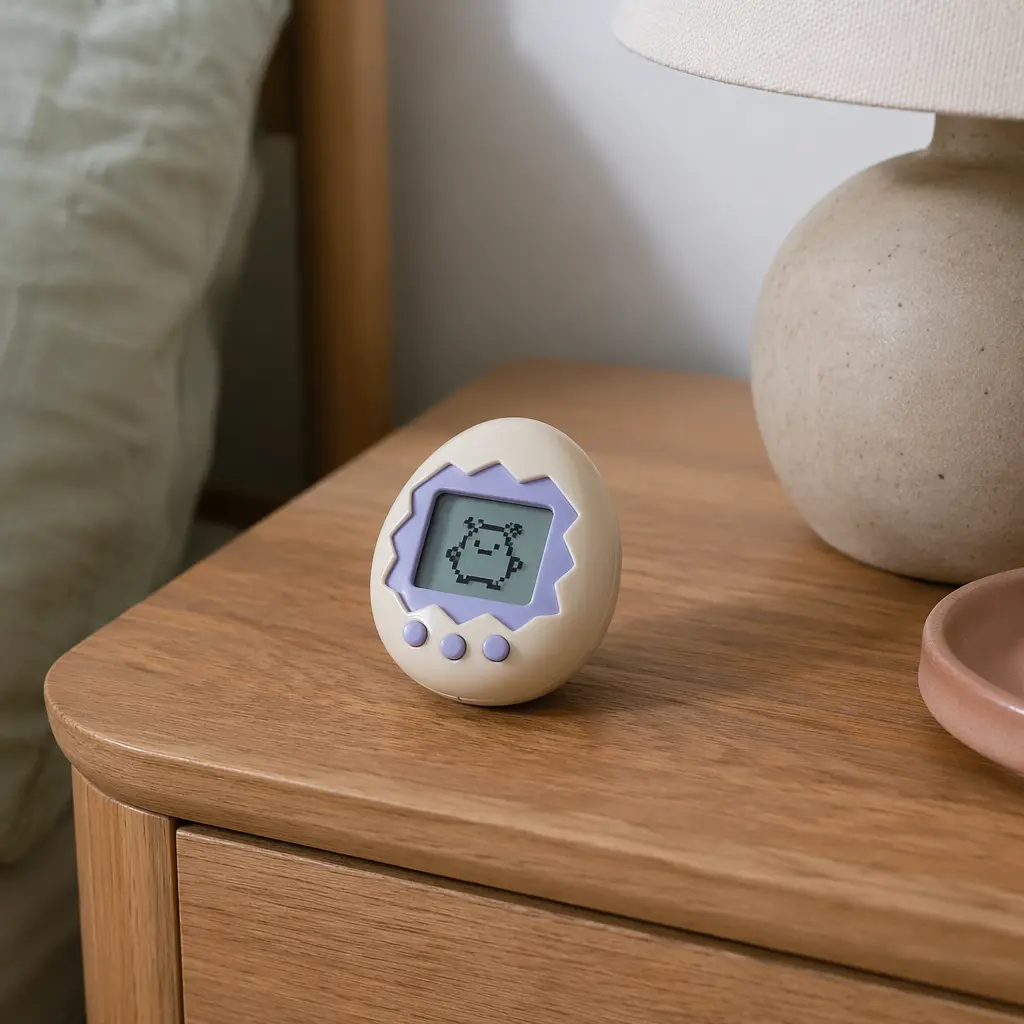
Electronic pets often stand out for their interactive features. These toys may respond to touch, sound, or time-based care routines, which can make nurturing feel more concrete. For some kids, this boosts responsibility and routine-building, as the toy signals when it needs attention.
Classic dolls stand out for flexibility. With no built-in scripts, kids supply the voices, emotions, and plot twists. This type of play can stretch over years, growing more detailed as a child’s language and social understanding develop. Accessories and environments can expand play without changing the core toy.
Frequently asked questions
Do electronic pets limit imagination?
They can, depending on the design. Toys with frequent prompts or set responses may guide play more tightly, but lighter tech features can still leave room for creativity. Many kids mix the toy’s cues with their own ideas.
Are classic dolls outdated for modern kids?
Not at all. Many children still enjoy dolls, especially for social and storytelling play. The lack of technology can be a benefit for families looking to balance screen-heavy activities elsewhere.
Which option is better for nurturing skills?
Both can support nurturing. Electronic pets make care visible through signals, while dolls rely on a child’s imagination. The best choice depends on whether your child responds more to external cues or internal storytelling.
Can kids enjoy both types together?
Yes. Many families find that having both encourages variety. Kids may use dolls for open-ended stories and electronic pets for shorter, interactive sessions.
In the end, what kids prefer now often reflects their individual play style more than trends. Electronic pets bring responsive features that can feel exciting and modern, while classic dolls offer timeless, flexible storytelling. Choosing with your child’s interests—and your family’s comfort with technology—in mind can help either option become a meaningful part of playtime.