First Dolls for Caregiving Play (Ages 1–2)
A parent-focused guide to choosing first dolls for toddlers. Learn what features support nurturing play, safety basics, age fit, and common questions for ages 1–2.
Compare prices and availability
Check current prices and availability for this guide on eBay.
As an eBay Partner, we may be compensated if you make a purchase.
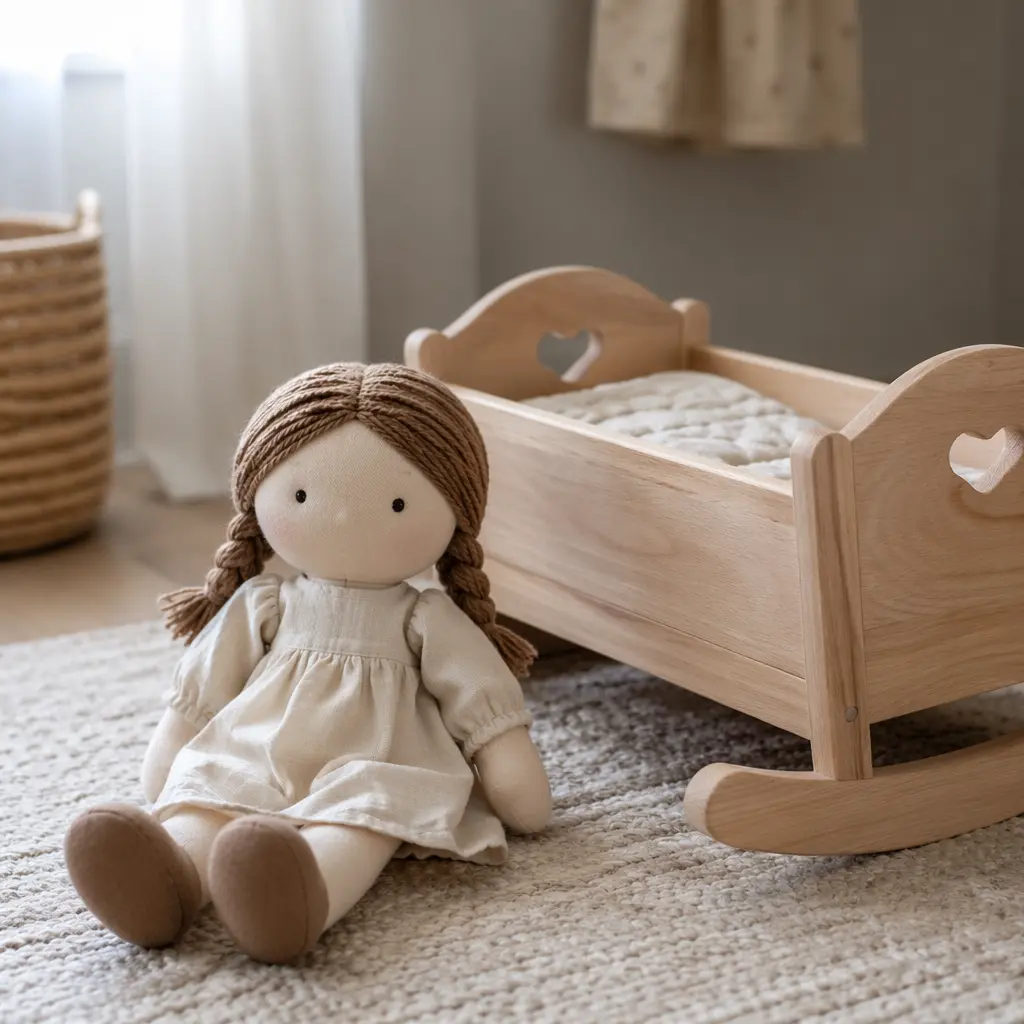
For many toddlers, a first doll is less about collecting and more about copying everyday care. Around ages one to two, children begin to imitate what they see: rocking, feeding, tucking in, and carrying. Dolls designed for this stage keep things simple and sturdy, encouraging nurturing play without overwhelming details. This guide explains what matters most when choosing a first doll that supports early caregiving play.
What to look for
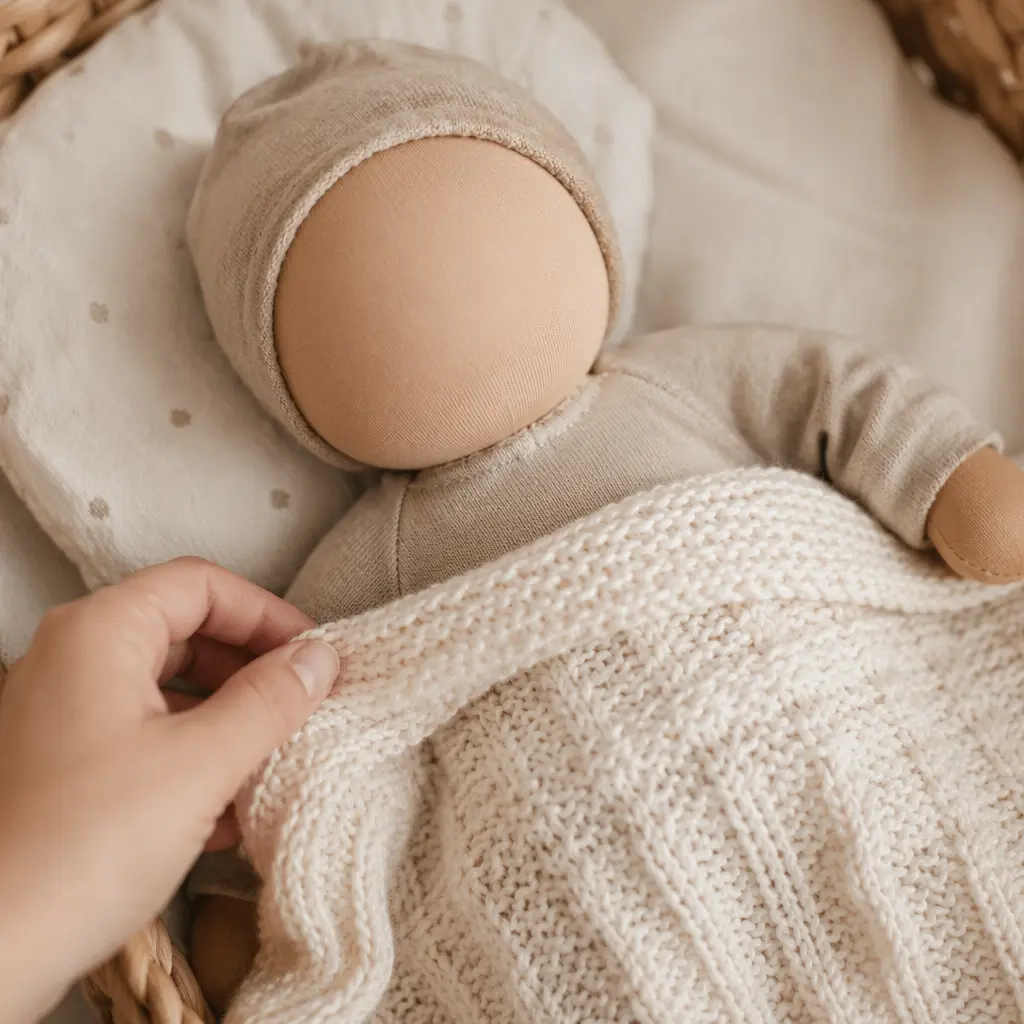
Toddlers learn through touch, repetition, and copying daily routines. The best first dolls are intentionally plain and easy to handle, so children can focus on actions like holding and caring rather than on accessories or features they are not ready for.
- Soft, squeezable materials that feel comforting and are easy to grip
- Simple construction with minimal parts to reduce choking risks
- Washable fabrics for everyday messes and frequent use
- Lightweight size that toddlers can carry without help
- Neutral or gentle colors that do not overstimulate
Age suitability
Between 12 and 24 months, children are developing empathy, motor skills, and early pretend play. Dolls for this age are typically labeled 12 months and up, but parents should still check construction and materials. At this stage, children may mouth toys, drop them, or pull on arms and clothing, so durability matters more than realism. A doll that survives being hugged, dragged, and washed will get far more use than a delicate one.
Standout categories or types
Not all dolls aimed at toddlers serve the same purpose. Some are designed mainly for cuddling, while others invite basic role-play routines. Understanding the main categories can help parents match a doll to their child’s interests and developmental stage.
- Soft cloth dolls: Often the first choice for ages 1–2, these prioritize comfort and safety over detail.
- Lightweight baby dolls: Simple baby-shaped dolls that can be rocked or carried without added features.
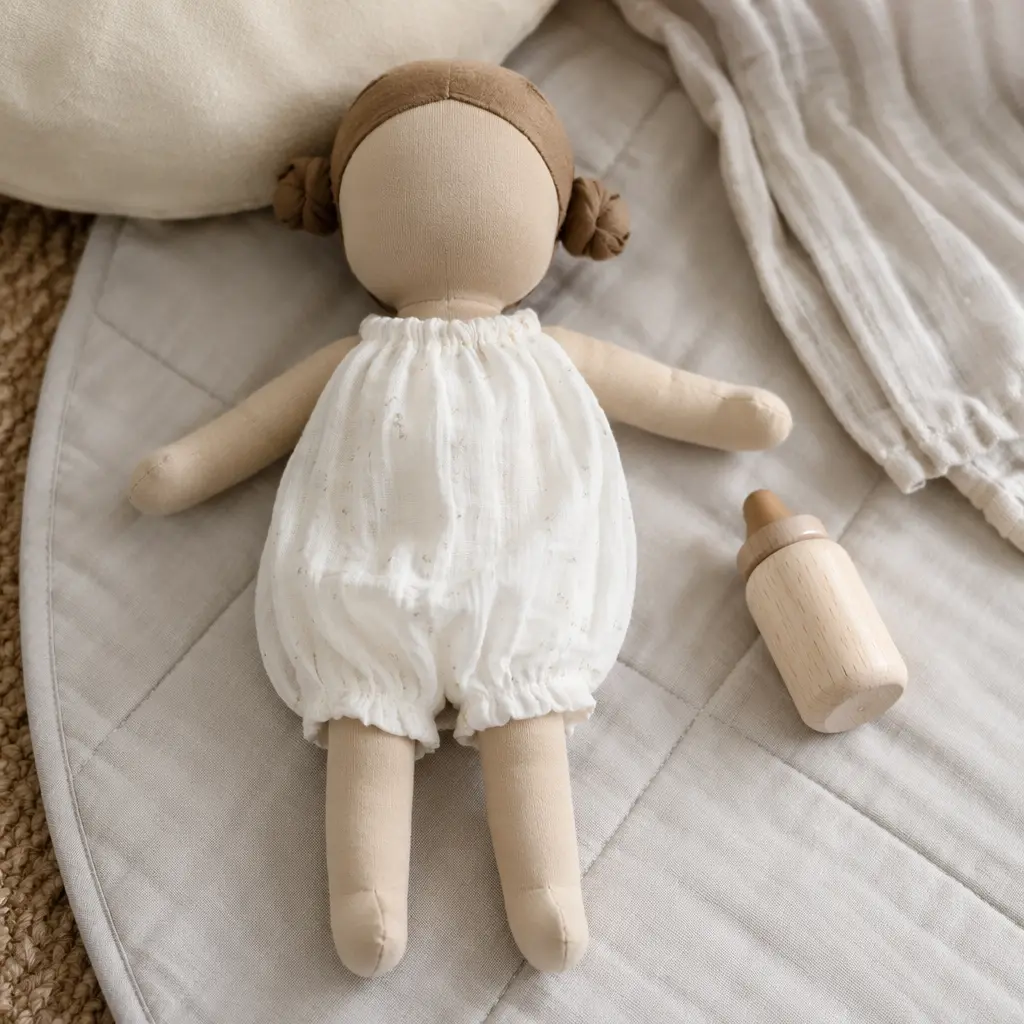
- Inclusive dolls: Options with varied skin tones and styles that reflect everyday families without added complexity.
- Minimal accessory sets: Basic items like a bottle or blanket that support caregiving actions without clutter.
Frequently asked questions
Do toddlers really understand caregiving play?
Toddlers do not understand caregiving in an adult sense, but they copy what they see. When a child rocks a doll or pretends to feed it, they are practicing observation, empathy, and motor skills.
Is a doll better than a stuffed animal for this age?
Both can be valuable. Dolls tend to encourage more role-based actions like feeding or tucking in, while stuffed animals often support comfort and attachment. Many families offer both.
Should first dolls have faces and expressions?
Simple or neutral faces are often preferred for young toddlers. They allow children to project feelings rather than being guided by a fixed expression, which supports imaginative play.
How many doll accessories are appropriate?
Fewer is usually better for ages one to two. One or two basic items support play without creating frustration or cleanup challenges.
A first doll is a quiet introduction to empathy and everyday routines. By choosing a simple, durable option designed for small hands, parents can support nurturing play that grows naturally alongside their child’s development.