Screen‑Free Dolls That Spark Storytelling
A parent-friendly guide to classic, non‑electronic dolls that encourage imagination, language skills, and open‑ended storytelling for children ages 6–8.
Compare prices and availability
Check current prices and availability for this guide on eBay.
As an eBay Partner, we may be compensated if you make a purchase.
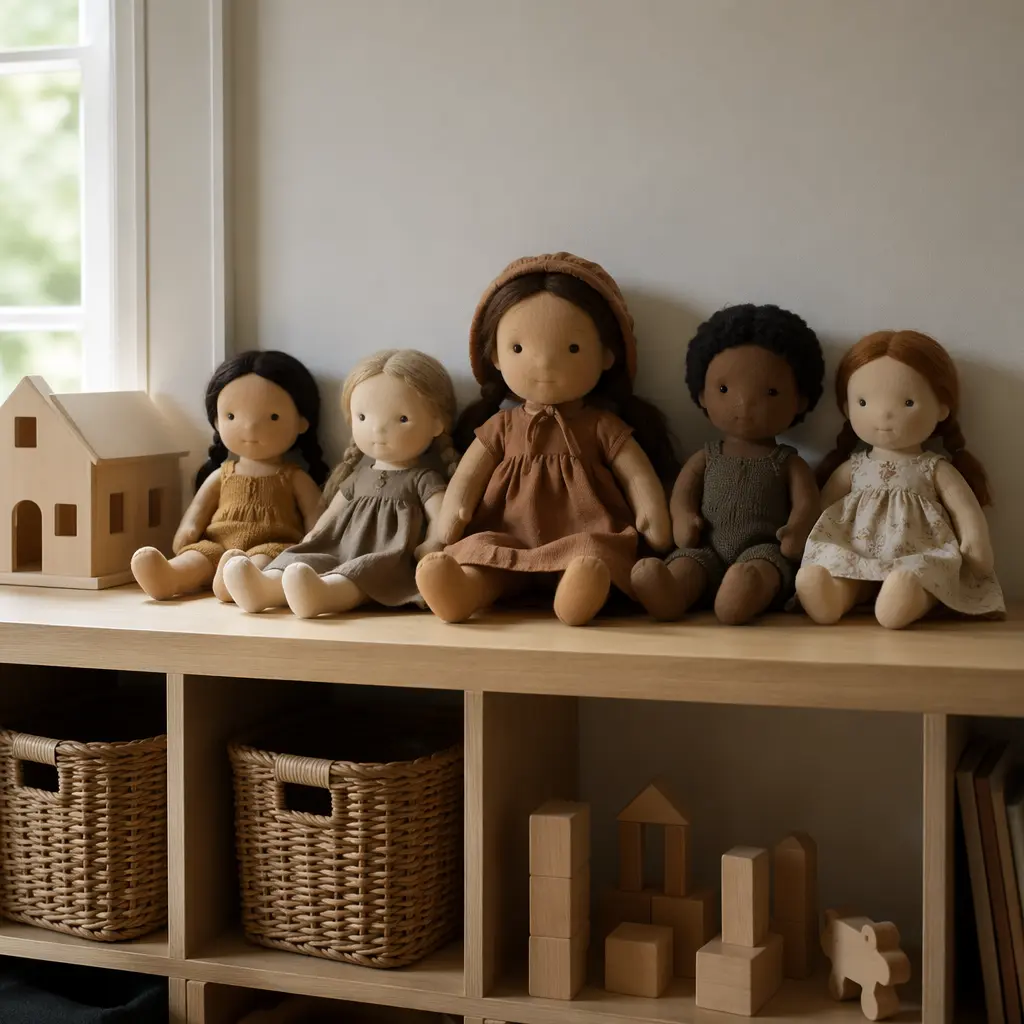
Dolls without sounds, screens, or buttons can play a powerful role in helping kids build stories of their own. For children ages 6–8, these simple dolls encourage imagination, conversation, and emotional expression without directing the play. Instead of following a script, kids create characters, settings, and storylines that grow as their skills do.
What to look for
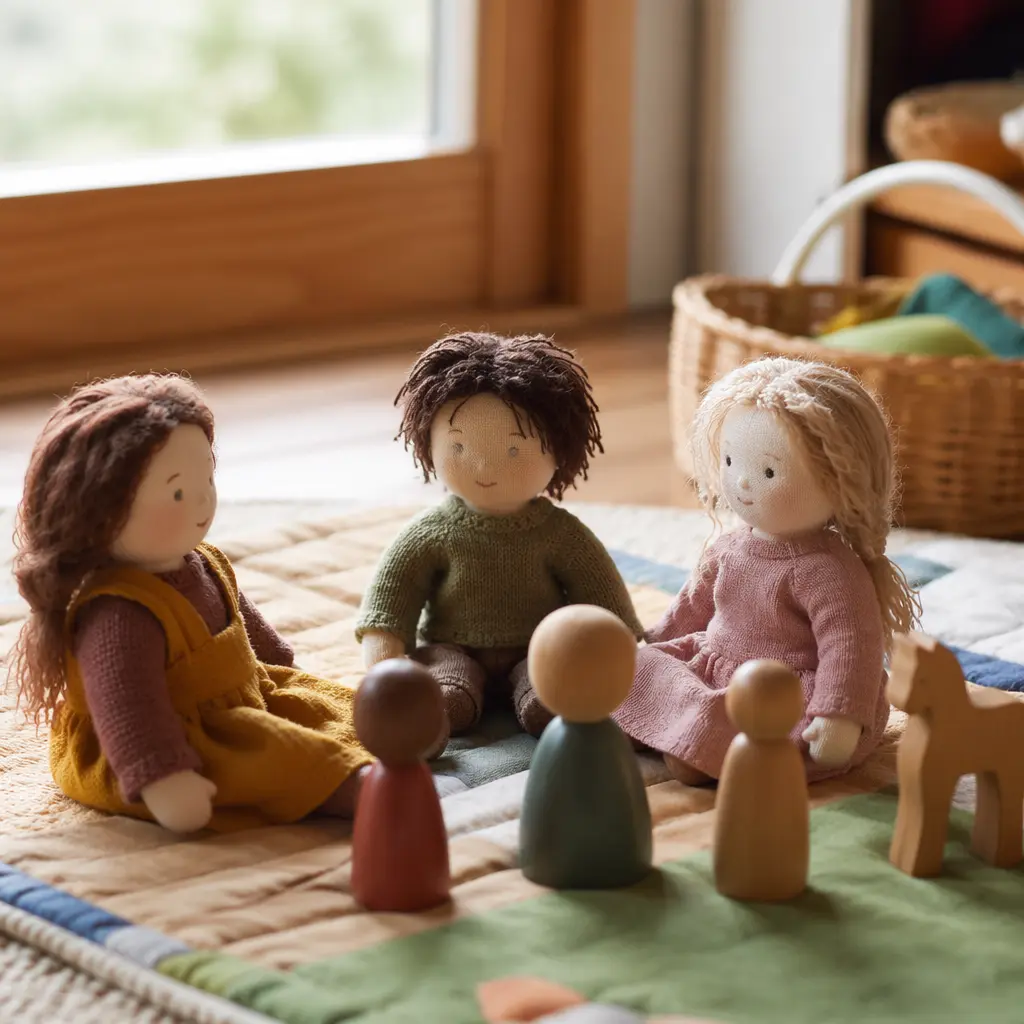
When choosing a storytelling-focused doll, simplicity is a strength. The goal is to leave room for a child’s ideas rather than filling in every detail for them. Materials, size, and design all influence how open-ended the play can be.
- Neutral or gentle facial expressions that can fit many emotions
- Soft fabrics or smooth wood that feel comfortable to handle
- Durable construction that holds up to repeated play
- Simple clothing that can be removed, changed, or imagined
- A size that works well with playsets, blocks, or handmade props
Age suitability
For kids ages 6–8, dolls often become characters in longer, more detailed stories. Children at this stage may act out school experiences, friendships, or made‑up adventures that unfold over days or weeks. Dolls that are sturdy but not overly babyish tend to work best, supporting more complex narratives while still feeling approachable.
Standout categories or types
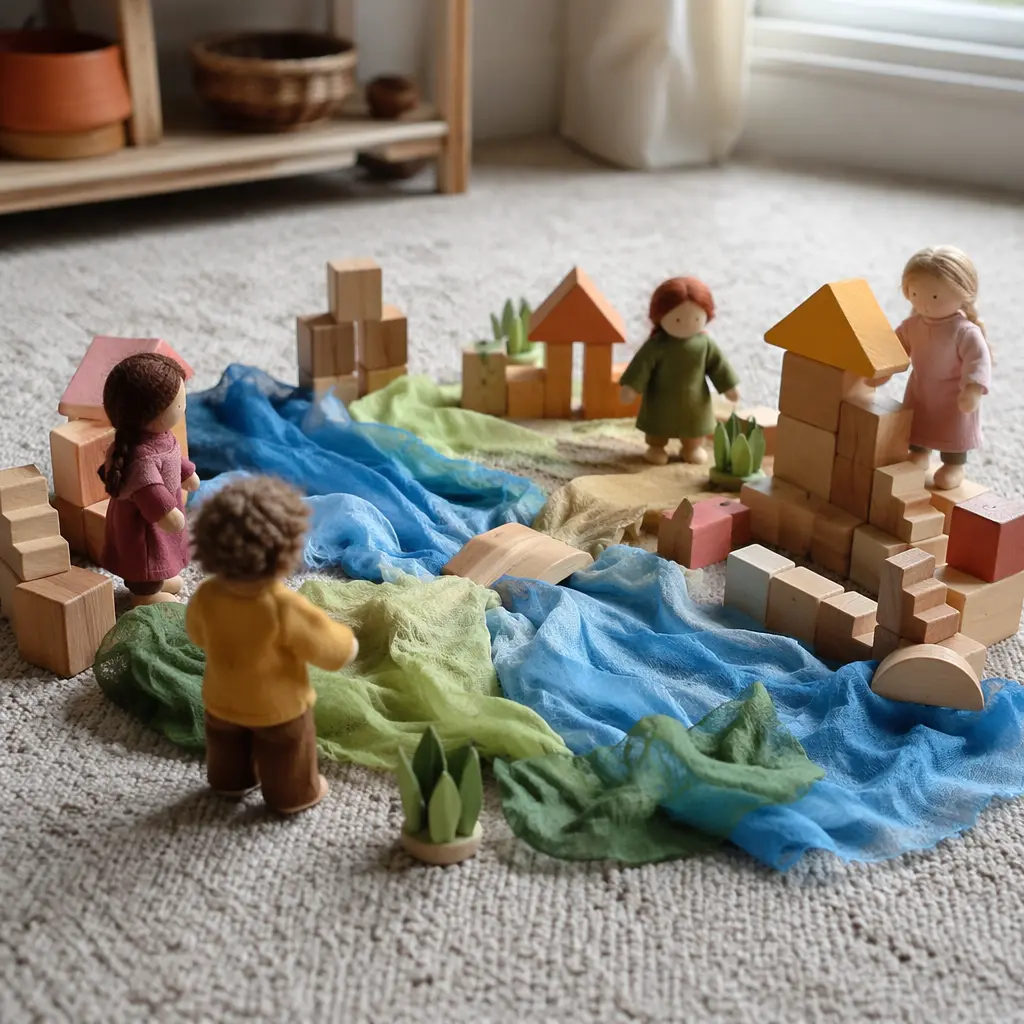
Different styles of non‑electronic dolls support storytelling in slightly different ways. Choosing a mix, or adding complementary accessories, can help extend play over time.
- Cloth dolls: Lightweight and expressive, often easy for kids to pose and personalize
- Wooden dolls or figures: Sturdy and timeless, great for building worlds with blocks or natural materials
- Flexible pose dolls: Bendable limbs allow for action scenes and role‑playing
- Minimalist dolls: Simple designs that let children decide who the character is and how they feel
Frequently asked questions
Why avoid sound or electronic features?
Dolls without electronics don’t interrupt play with pre‑recorded phrases or actions. This gives children full control over dialogue and story direction, which supports language development and creative thinking.
Do simple dolls really hold attention?
Yes. For many kids, fewer features mean more freedom. A simple doll can become many characters over time, adapting to a child’s changing interests and ideas.
Are these dolls good for independent play?
They often are. Because there’s no set way to play, children can start and stop stories on their own, making these dolls well‑suited for quiet time or self‑directed play.
How can parents support storytelling play?
Simple prompts can help, such as adding a box of fabric scraps, blocks, or everyday items for props. Asking open‑ended questions about the story—without directing it—can also encourage deeper thinking.
Screen‑free dolls may look basic at first, but their value shows up in the stories children tell. By leaving space for imagination, these classic toys support creativity, communication, and emotional growth—without relying on sound chips or screens to do the work.