Simple Doll Toys Toddlers Can Play With Alone
A parent-friendly guide to simple, no‑electronics doll toys for ages 1–2. Learn what to look for, age fit, safety tips, and the types of dolls that encourage gentle caregiving and independent play.
Compare prices and availability
Check current prices and availability for this guide on eBay.
As an eBay Partner, we may be compensated if you make a purchase.
For many toddlers, dolls are an early way to explore caregiving, routines, and pretend play. The best options for ages 1–2 keep things simple: no batteries, no screens, and no complicated parts. These dolls invite a child to hold, carry, hug, and imitate everyday care moments on their own, without adult setup or instructions. This guide focuses on straightforward doll toys that support independent play while fitting the developmental needs of young toddlers.
What to look for
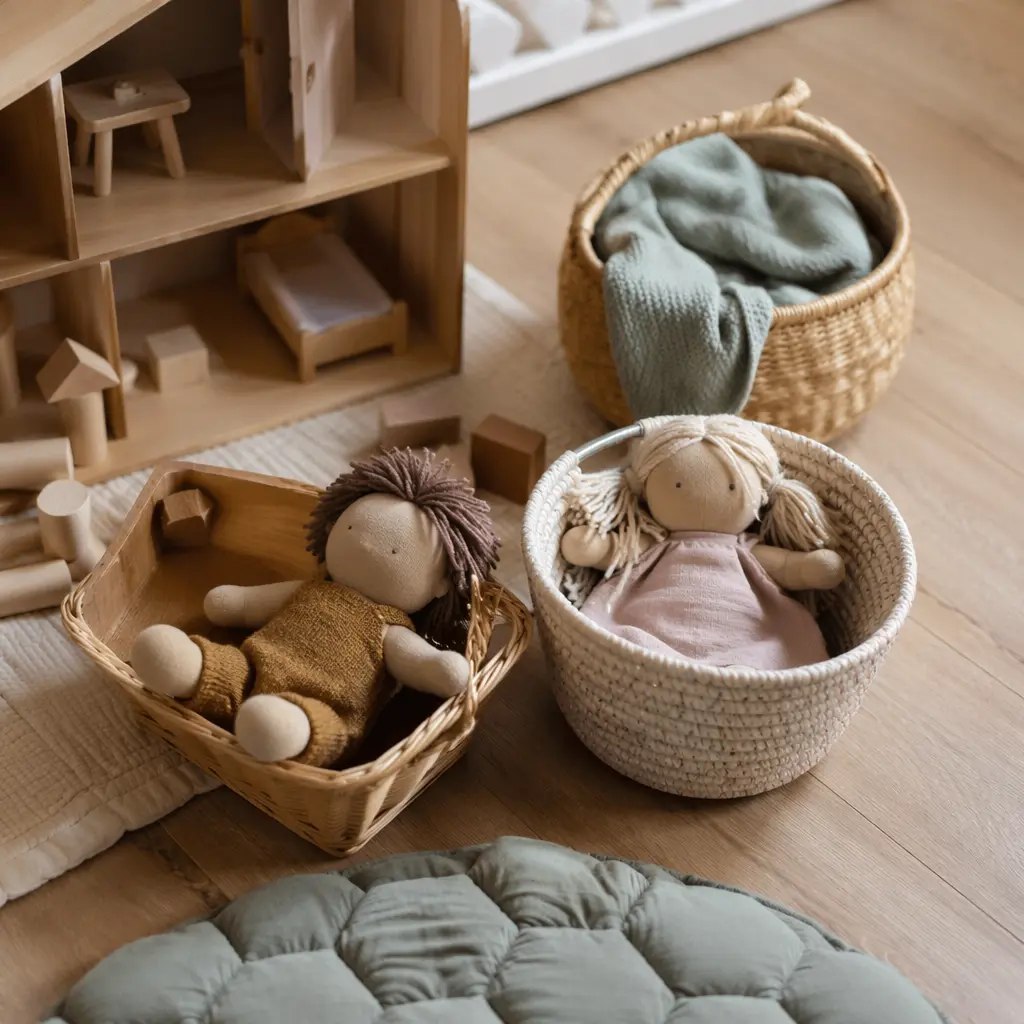
Toddlers learn through repetition and hands-on exploration. A good doll for solo play should be easy to understand at a glance and forgiving if it gets dropped, chewed, or dragged around the room. Focus on construction, scale, and sensory comfort rather than features.
- Simple design: One-piece or mostly soft bodies with minimal accessories are easier for toddlers to manage alone.
- Soft, durable materials: Cloth, soft vinyl, or plush materials reduce the risk of bumps and hold up to frequent washing.
- Lightweight size: Toddlers should be able to lift, carry, and hug the doll without strain.
- Neutral expressions: Calm, friendly faces support open-ended play without overstimulation.
- Washable construction: Machine-washable or easy-to-wipe surfaces matter for everyday use.
Age suitability
For ages 1–2, dolls should be designed specifically for early toddler use. At this stage, children are practicing grasping, carrying, and simple pretend actions like rocking or patting. Dolls meant for older preschoolers may include small clothing pieces, hard plastic parts, or detailed accessories that frustrate younger children or require adult help. Look for age guidance that starts at 12 months and prioritize dolls that work even if the child’s play is brief or repetitive.
Standout categories or types
While many dolls are marketed for toddlers, a few broad types tend to work especially well for independent play. These categories emphasize comfort and familiarity over realism or interactivity.
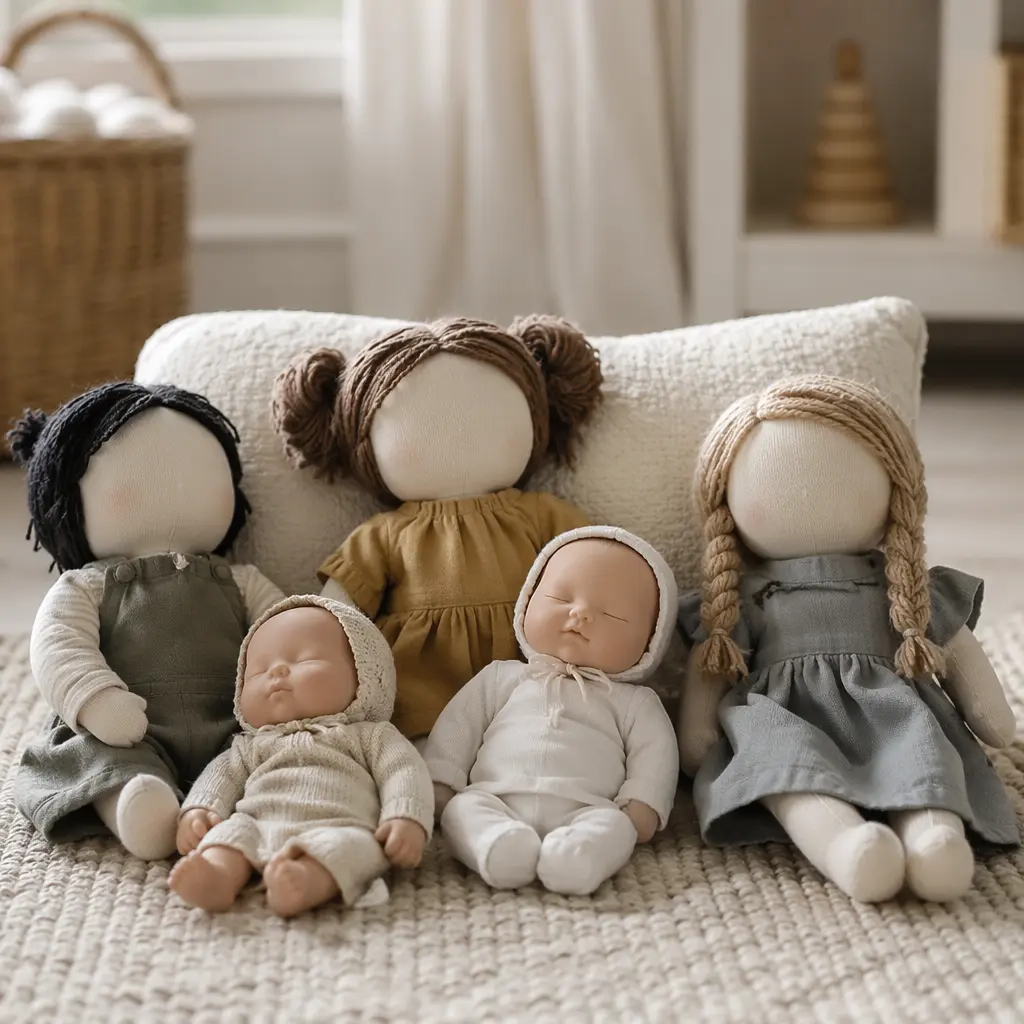
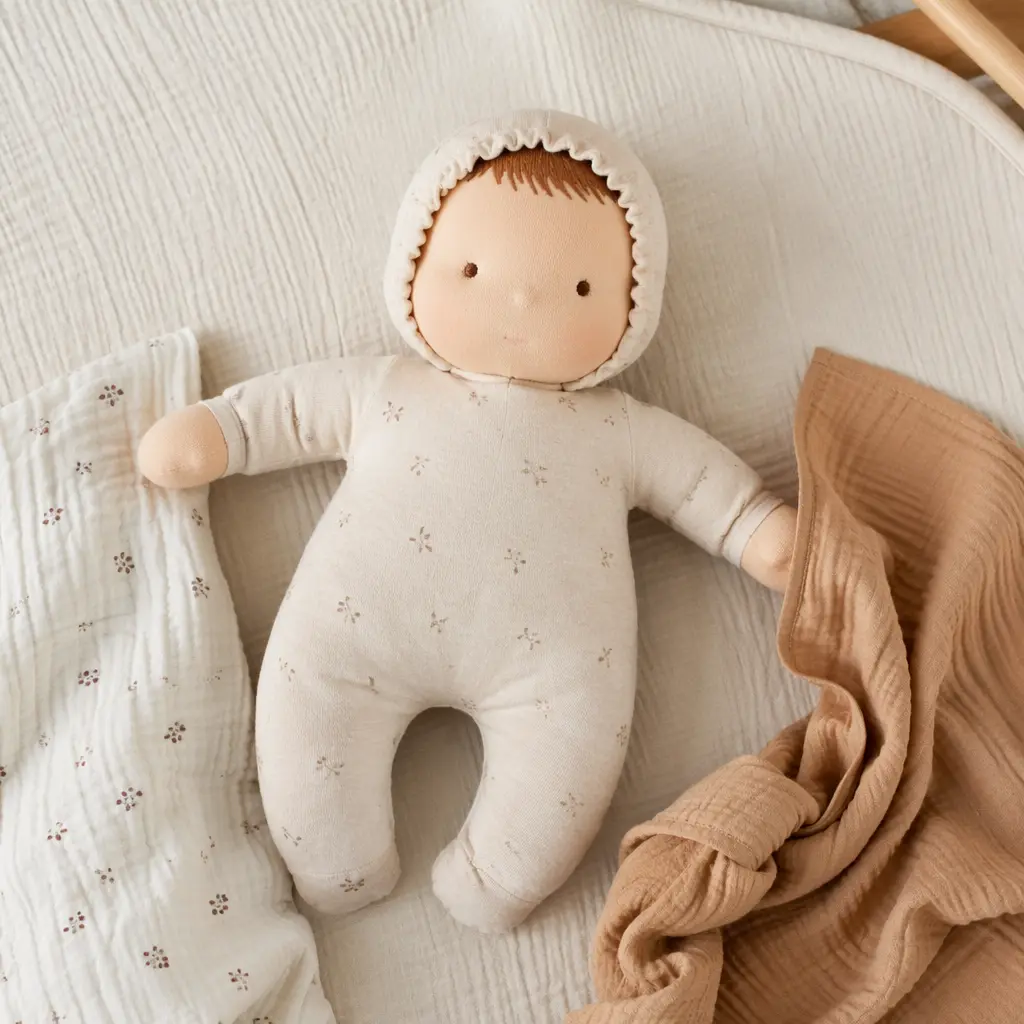
- Soft cloth dolls: Fully fabric dolls are easy to grip and comforting to hold, making them ideal for quiet solo moments.
- Simple baby dolls: Basic baby-shaped dolls without electronics support early caregiving play like rocking or tucking in.
- Plush dolls with minimal features: Plush options with stitched details (rather than plastic add-ons) reduce breakage and distraction.
- Culturally neutral dolls: Simple designs allow children to project their own experiences and routines into play.
Frequently asked questions
Can a toddler really play with dolls independently?
Yes, in short bursts. Independent play at this age may last only a few minutes, but simple dolls support self-directed actions like holding, patting, or placing the doll nearby during other activities. Over time, these moments often become longer.
Are electronic dolls better for learning?
For ages 1–2, electronics are not necessary. Simple dolls encourage imagination, imitation, and emotional expression without directing the child’s play through sounds or prompts. Many parents prefer fewer electronics to keep play calmer and more flexible.
How many doll accessories does a toddler need?
Very few, if any. A single soft blanket or small pillow can be enough. Too many accessories can interrupt independent play by requiring adult help or cleanup.
What if my toddler throws or chews on the doll?
This is common at this age. Choose dolls made from soft, washable materials and avoid hard or fragile elements. These behaviors are part of sensory exploration, not misuse.
Simple doll toys can become quiet companions in a toddler’s day, supporting early empathy and pretend play without added complexity. By choosing age-appropriate, no‑electronics dolls with soft materials and straightforward designs, parents can offer toys that toddlers can enjoy on their own, again and again.