Simple Dolls That Encourage Caregiving Play
A buyer’s guide to classic, non-electronic dolls that support nurturing, imaginative play for preschoolers ages 3–5—what to look for, age fit, and common questions.
Compare prices and availability
Check current prices and availability for this guide on eBay.
As an eBay Partner, we may be compensated if you make a purchase.
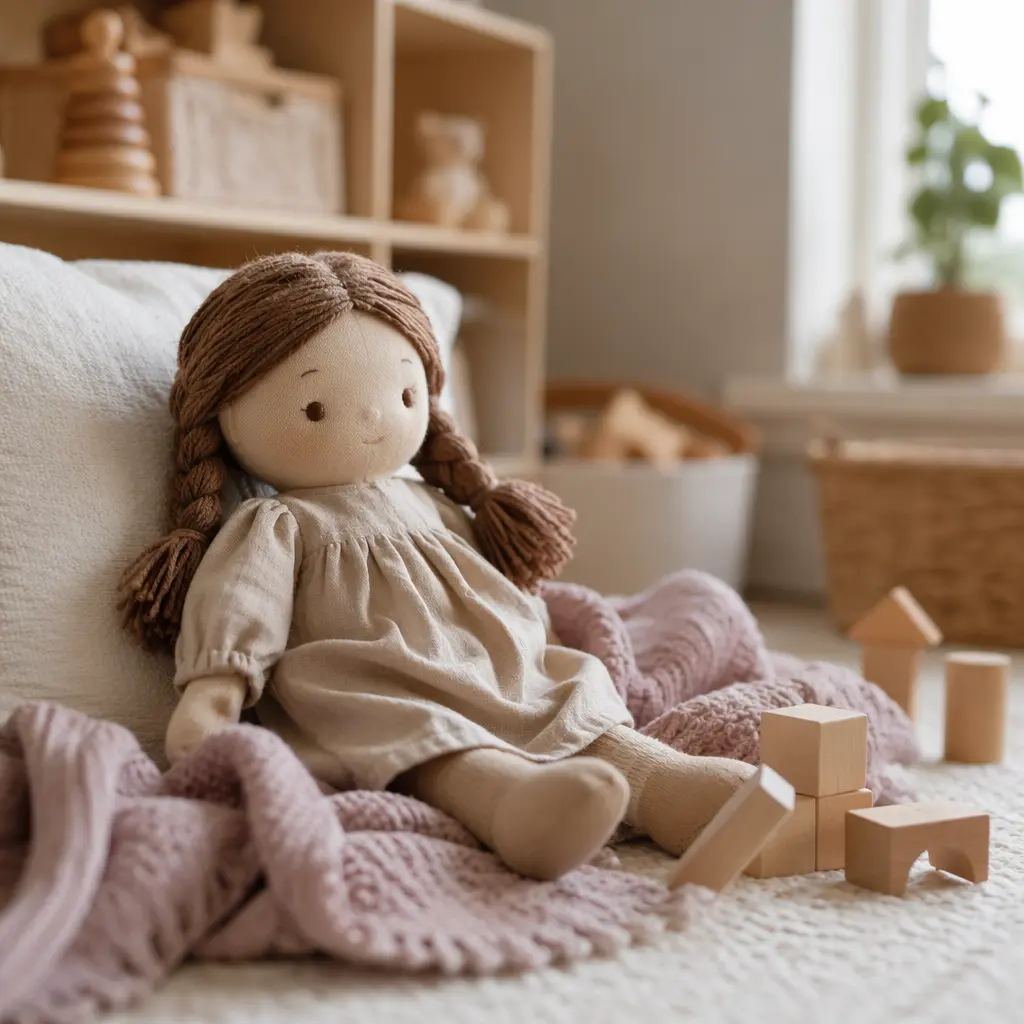
Simple dolls without sounds, screens, or apps have a long history in early childhood play. For many families, these classic dolls are appealing because they invite children to imagine caregiving scenarios—feeding, comforting, dressing, and role-playing daily routines—without directing the play for them. For children ages 3–5, this kind of open-ended play can support empathy, language development, and independence, all while keeping playtime calm and screen-free.
What to look for
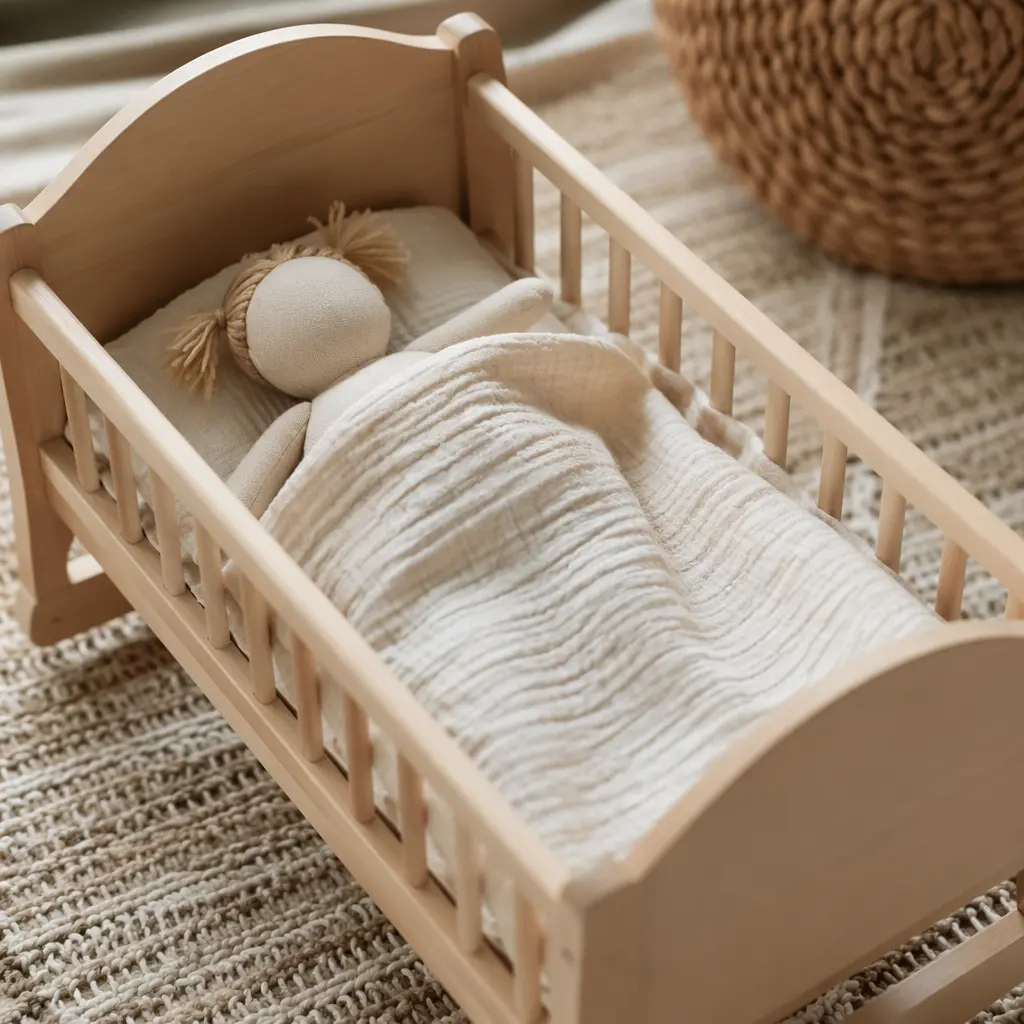
Not all non-electronic dolls are the same. Materials, size, and design details can affect how a doll is used and how long it lasts. When comparing options, focus on features that support imaginative caregiving play and everyday use by preschoolers.
- Simple facial features that allow children to project emotions and stories
- Soft or lightly weighted bodies that are easy to carry, hug, and dress
- Durable stitching and fabrics that can handle frequent handling
- Washable or easy-to-clean materials for everyday messes
- Clothing with basic fasteners that support fine motor practice
- A size that feels realistic but manageable for ages 3–5
Age suitability
For children ages 3–5, dolls often shift from being simple comfort objects to active partners in pretend play. At this stage, children are better able to role-play routines they see at home or school, such as bedtime, meals, or caring for a baby. Dolls designed for this age range should be sturdy enough for repeated play and simple enough that children control the story. Avoid very small accessories that may be frustrating or unsafe, and look for proportions that fit preschool-sized hands.
Standout categories or types
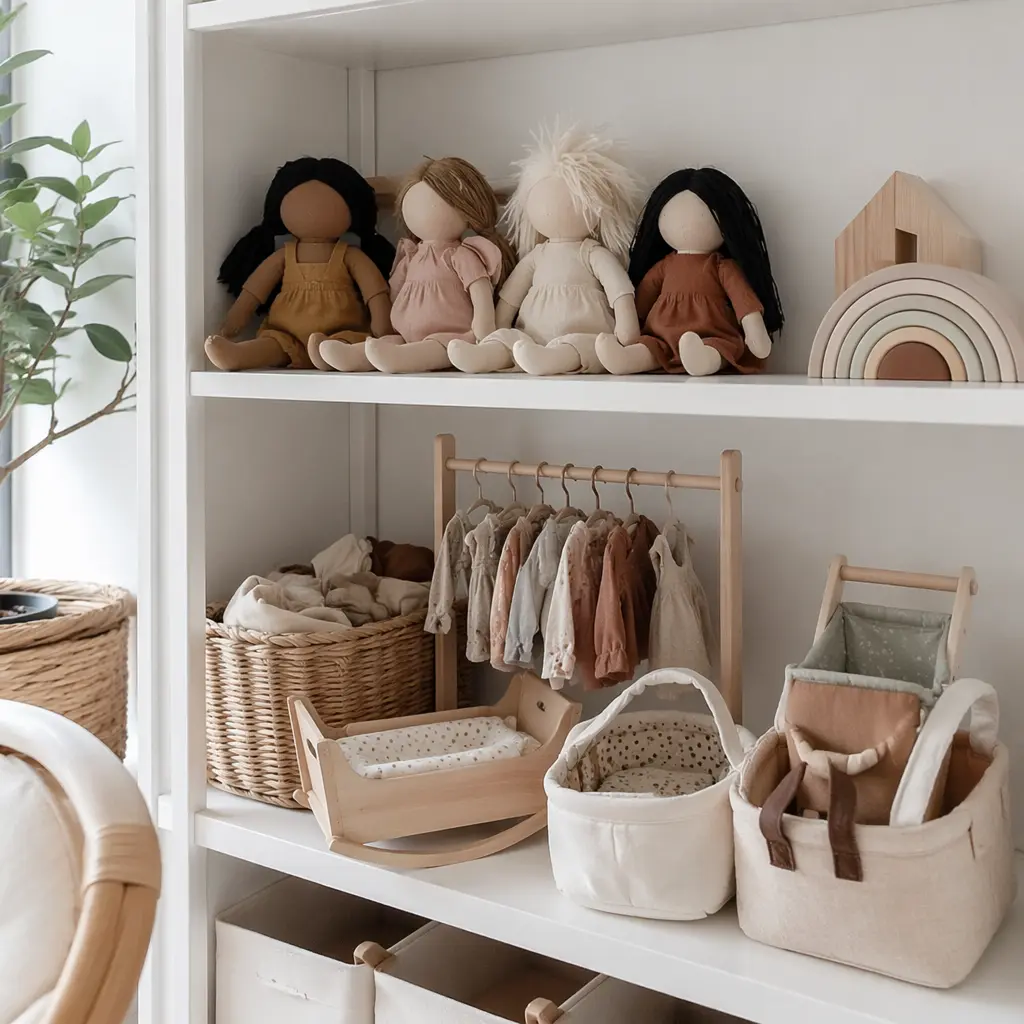
Within the world of simple, non-electronic dolls, a few broad categories stand out. Each offers a slightly different play experience, depending on a child’s interests and sensory preferences.
- Cloth dolls: Often soft and lightweight, these are easy for younger preschoolers to cuddle and carry throughout the day.
- Soft-bodied dolls with vinyl heads or hands: These combine a gentle feel with more defined features for dressing and pretend routines.
- Minimalist dolls: Designed with neutral colors and simple expressions to encourage imaginative storytelling.
- Dolls with basic accessories: Items like removable clothing or a small blanket can add depth to caregiving play without overwhelming it.
Frequently asked questions
Why choose a doll without electronics?
Non-electronic dolls don’t lead the play with sounds or phrases, which allows children to create their own stories. This can support language development, creativity, and longer stretches of focused play.
Are simple dolls engaging enough for preschoolers?
Many children find simple dolls more engaging over time because the play can change as their skills grow. A doll can be a baby one day and a patient or student the next, depending on the child’s imagination.
What materials are best for easy care?
Washable fabrics and sturdy stitching are helpful for families. Some dolls can be machine-washed, while others may need spot cleaning. Always check care instructions before buying.
Do dolls encourage social or emotional skills?
Caregiving play can help children practice empathy, turn-taking, and understanding routines. While every child plays differently, dolls often become tools for working through feelings and experiences.
Simple dolls without electronics remain a popular choice for families seeking calm, imaginative play options. By focusing on quality materials, age-appropriate design, and open-ended features, parents can choose dolls that grow with their child and support nurturing play throughout the preschool years.