Balance Steppers vs Hopper Toys for Indoor Energy
Choosing between balance steppers and hopper toys for ages 3–5? This guide compares noise, space, safety, storage and skill-building for apartments, small homes and rainy-day play.
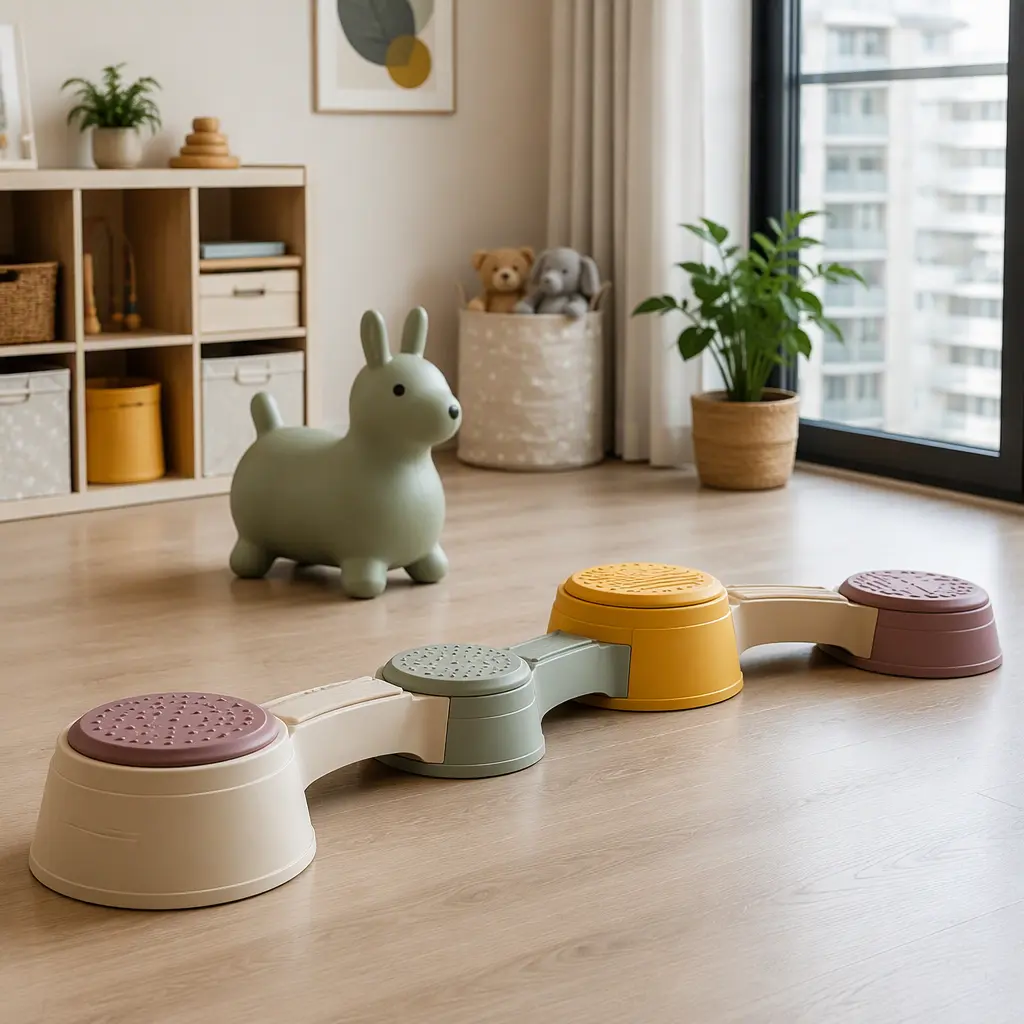
Compare prices and availability
Check current prices and availability for this guide on eBay.
As an eBay Partner, we may be compensated if you make a purchase.
For many families, indoor active toys help preschoolers burn energy without relying on screens or constant outdoor trips. Two common choices are balance steppers and hopper toys. Both encourage movement in small spaces, but they suit different homes, personalities and play styles. Balance steppers focus more on coordination, balance and controlled movement, while hopper toys encourage bouncing, jumping and sensory input. If you live in an apartment, share walls with neighbors or need something manageable for rainy days, the differences matter. Noise level, floor protection, supervision needs and storage size can affect whether a toy becomes a daily favorite or an unused frustration.
What to look for
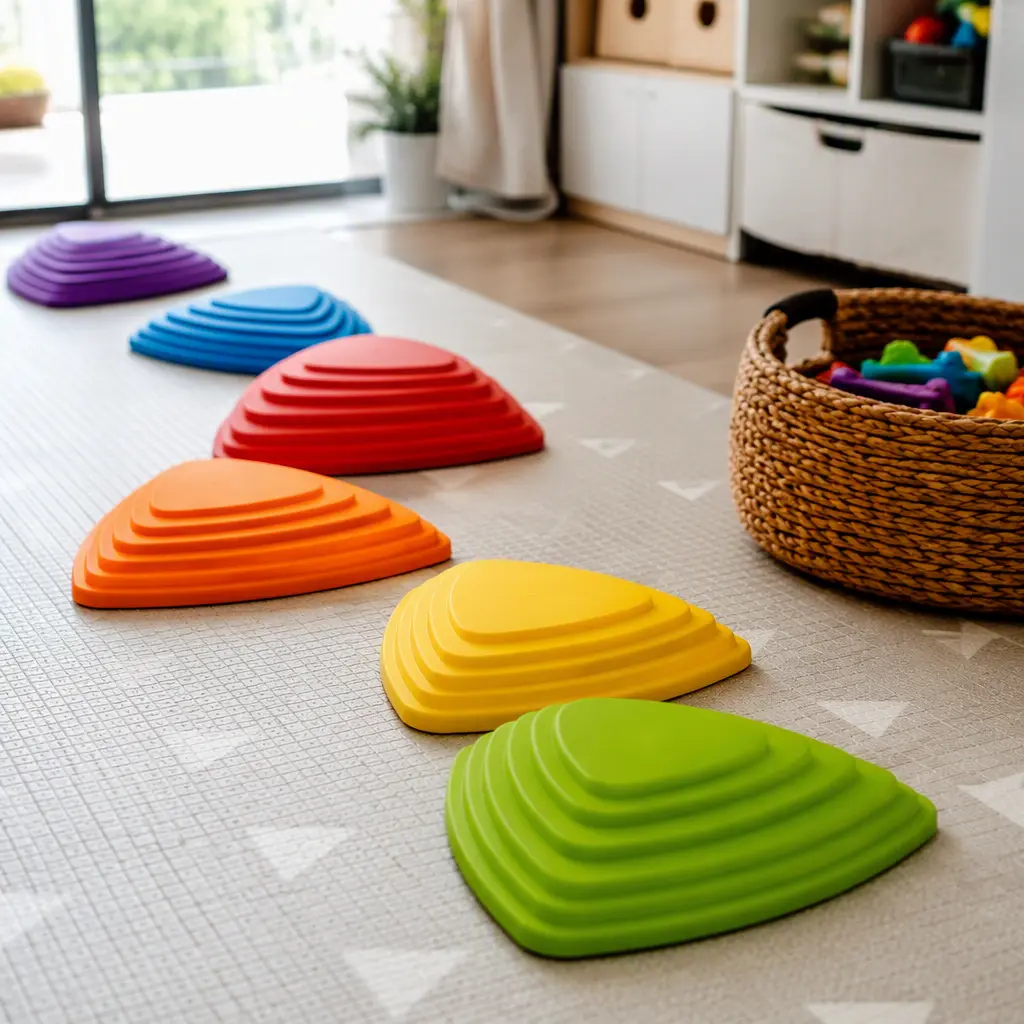
Indoor active toys for ages 3–5 should match both the child’s coordination level and the realities of the home. A toy that works well in a basement playroom may be stressful in a small upstairs apartment. Parents often find that quieter toys with slower movement patterns are easier to manage indoors, especially during early mornings or bad weather when energy levels are high.
- Floor impact matters. Hopper toys can create repetitive thumping on hardwood floors, while balance steppers are usually quieter if they have non-slip bases.
- Check the turning space required. Some hopper toys need open floor space around the child, while stepping toys often work in narrower play areas.
- Look for stable, textured surfaces that help reduce slipping on smooth indoor floors.
- Consider storage size. Inflatable hoppers can sometimes be deflated between uses, while rigid stepping toys may need dedicated shelf or closet space.
- Think about supervision needs. Toys involving hopping, bouncing or rapid movement may need closer monitoring for younger preschoolers.
- Durability matters in shared homes. Lightweight plastic toys can slide or tip if used roughly, especially on tile or laminate flooring.
- Choose toys that encourage active movement without requiring screens, apps or loud electronic sounds. Simpler designs are often easier to use repeatedly.
Age suitability
For children aged 3–5, balance and body awareness are still developing quickly. Many 3-year-olds enjoy stepping toys with wide platforms and predictable movement because they can practice coordination at a slower pace. Hopper toys are often more appealing closer to ages 4–5, when children usually have better core strength and can manage bouncing rhythms more safely. Temperament matters as much as age. A cautious child may prefer controlled stepping games, while a sensory-seeking child may enjoy the repetitive motion and physical feedback of hopping. Families with mixed-age siblings should also consider whether the toy encourages cooperative play or creates collision risks in tight spaces.
Options compared
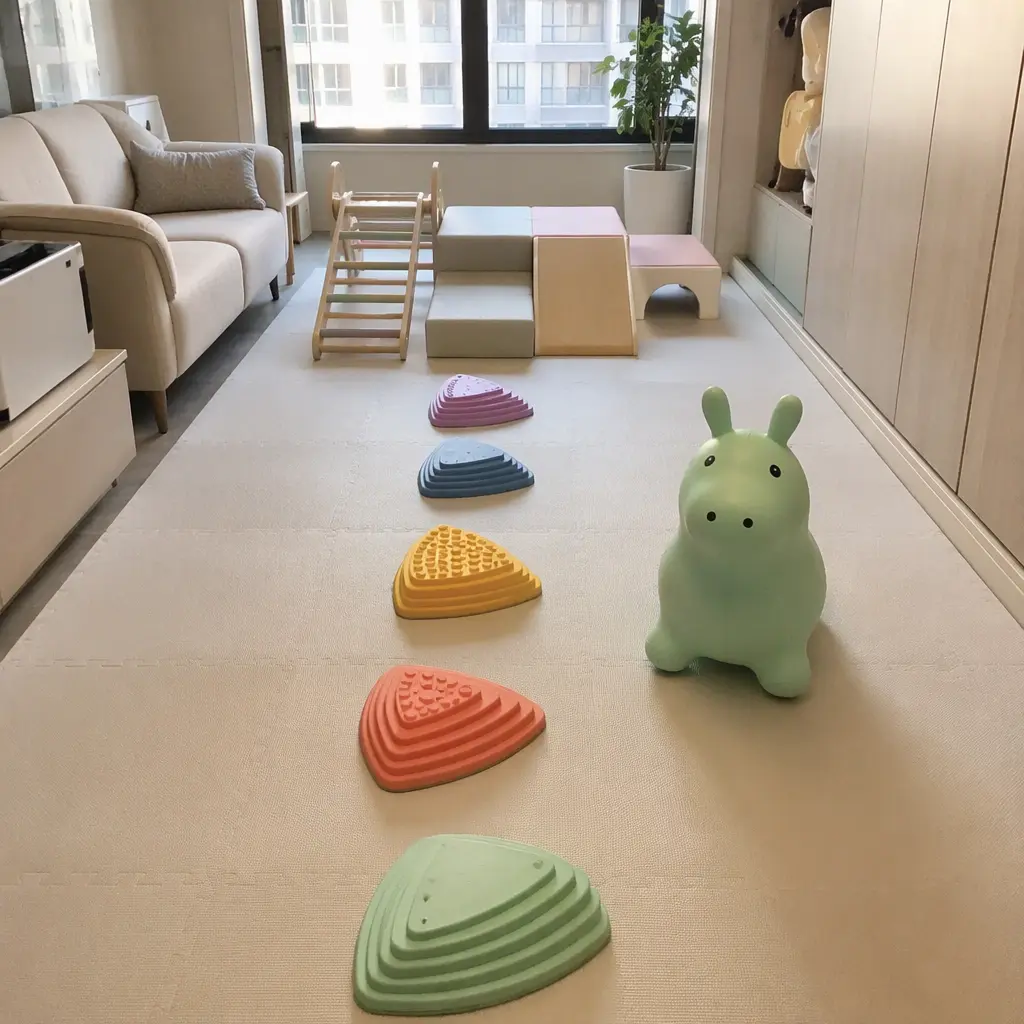
Balance steppers usually work best for families prioritizing quieter play, coordination practice and compact movement. These toys often encourage children to slow down, plan foot placement and develop balance skills. They can fit well in apartments because the movement is more controlled and easier to redirect when play becomes too energetic. Many stepping toys also support imaginative obstacle-course games without needing much equipment. However, some children lose interest if the activity feels repetitive or less physically intense.
Hopper toys are often better for children who crave bigger movement and sensory feedback. The bouncing motion can help energetic preschoolers stay active indoors during rainy weather or cold seasons. Some parents also prefer hopper toys because they are simple to understand and easy to use without setup. The trade-off is usually noise and space. Repetitive bouncing can carry through floors and walls in smaller homes, and uncontrolled hopping increases the chance of collisions with furniture. Hopper toys may also feel frustrating for younger 3-year-olds who are still developing balance and coordination.
- Balance steppers suit smaller spaces, quieter households and children who enjoy obstacle-style play.
- Hopper toys suit children who seek high-energy movement and repetitive bouncing activity.
- Stepping toys are usually easier to combine with other open-ended toys like tunnels or cushions.
- Hopper toys often require softer flooring or play mats to reduce noise and slipping.
- Balance-focused toys may support coordination and motor planning more gradually.
- Bouncing toys can release energy quickly but may need more active supervision indoors.
Frequently asked questions
Are balance steppers safer than hopper toys?
Neither option is automatically safer. The better choice depends on the child’s coordination, the amount of available space and the flooring surface. Balance steppers usually involve slower movement and less momentum, which can make them easier to manage indoors. Hopper toys create more dynamic movement and can lead to falls if used near furniture or in crowded rooms.
Which option is quieter for apartment living?
Balance steppers are generally quieter, especially models with rubberized or textured bottoms. Hopper toys can produce repeated impact sounds during bouncing. Rugs, foam mats and ground-floor play areas can help reduce noise regardless of the toy type.
Do these toys need a dedicated playroom?
Not necessarily. Many stepping toys are designed for compact layouts and can be packed into bins or shelves after use. Hopper toys need enough clear floor area for safe bouncing, but they do not always require large rooms. Rearranging lightweight furniture temporarily may be enough for short play sessions.
What if a child gets bored quickly?
Open-ended play usually lasts longer when toys can be used in multiple ways. Balance steppers often work well in obstacle courses, color games or pretend adventures. Hopper toys may hold attention longer for children who enjoy sensory movement and repetitive physical activity. Rotating toys instead of leaving them out constantly can also help maintain interest.
Are inflatable hopper toys difficult to maintain?
Inflatable toys may occasionally need air adjustments depending on use and storage conditions. Families should also check surfaces for sharp edges or rough flooring that could damage softer materials. Rigid stepping toys generally require less maintenance but may take up more storage space.
For most small homes and apartments, balance steppers are often the easier everyday option because they combine active play with lower noise and more controlled movement. Hopper toys can still work well for energetic preschoolers who need stronger physical input, especially if there is enough open space and tolerant flooring. The best choice depends less on trends and more on how the toy fits the child’s movement style, the home environment and the amount of supervision available during indoor play.