Outdoor Toys Tweens Use Without Feeling Babyish
A buyer-focused guide to outdoor toys for ages 9–12 that feel grown-up: active, skill-building picks tweens actually choose, plus safety tips and age-fit advice for parents.
Compare prices and availability
Check current prices and availability for this guide on eBay.
As an eBay Partner, we may be compensated if you make a purchase.
Tweens often want outdoor toys that feel capable, not cutesy. Ages 9–12 sit in a sweet spot: kids are developing strength, coordination, and independence, but still benefit from structured play. The right choices lean into skill, challenge, and social play—things kids this age pick up willingly without feeling “too little.” This guide focuses on outdoor toys that support active fun while respecting a tween’s growing sense of maturity.
What to look for
When shopping for outdoor toys for tweens, focus less on novelty and more on how the item supports real skills and long-term use. Tweens are quick to abandon toys that feel flimsy or limited, but they’ll stick with gear that grows with them.
- Skill progression: Look for toys that allow practice and improvement, such as adjustable difficulty or technique-based play.
- Durability: Materials should handle regular outdoor use and higher impact from bigger, stronger kids.
- Neutral design: Simple colors and streamlined shapes tend to feel more grown-up than themed or character-driven looks.
- Social flexibility: Toys that work solo or with friends help extend playtime and usefulness.
- Storage and portability: Foldable or compact options are easier for tweens to manage independently.
Age suitability
For ages 9–12, the best outdoor toys bridge childhood play and teen hobbies. Kids in this range can usually follow rules, handle basic maintenance, and practice skills with purpose. Pay attention to size ranges, weight limits, and recommended age spans, especially for ride-on or sports equipment. A good rule of thumb: if the toy still looks appealing to a middle schooler, it’s likely a safe bet for a tween.
Standout categories or types
Certain types of outdoor toys consistently appeal to tweens because they mirror activities older teens and adults enjoy. These categories emphasize movement, coordination, and friendly competition rather than pretend play.
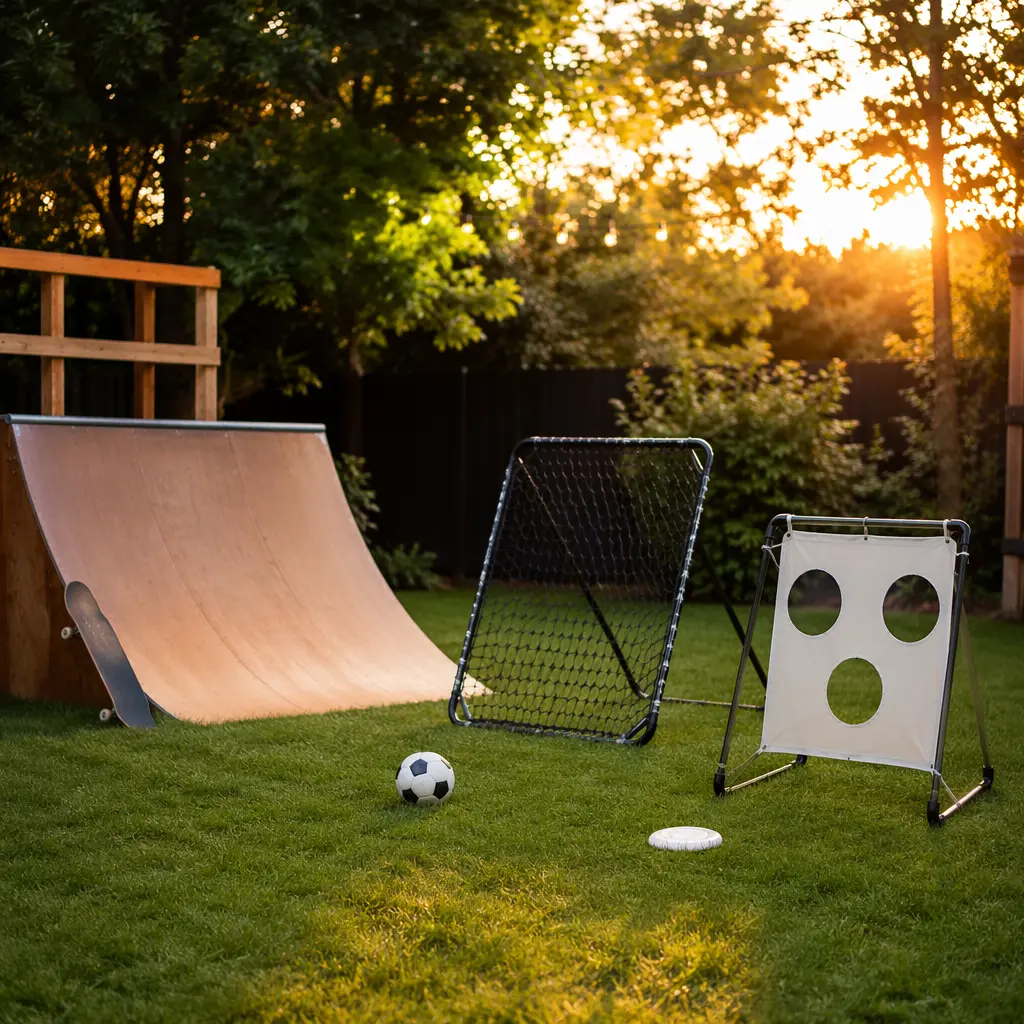
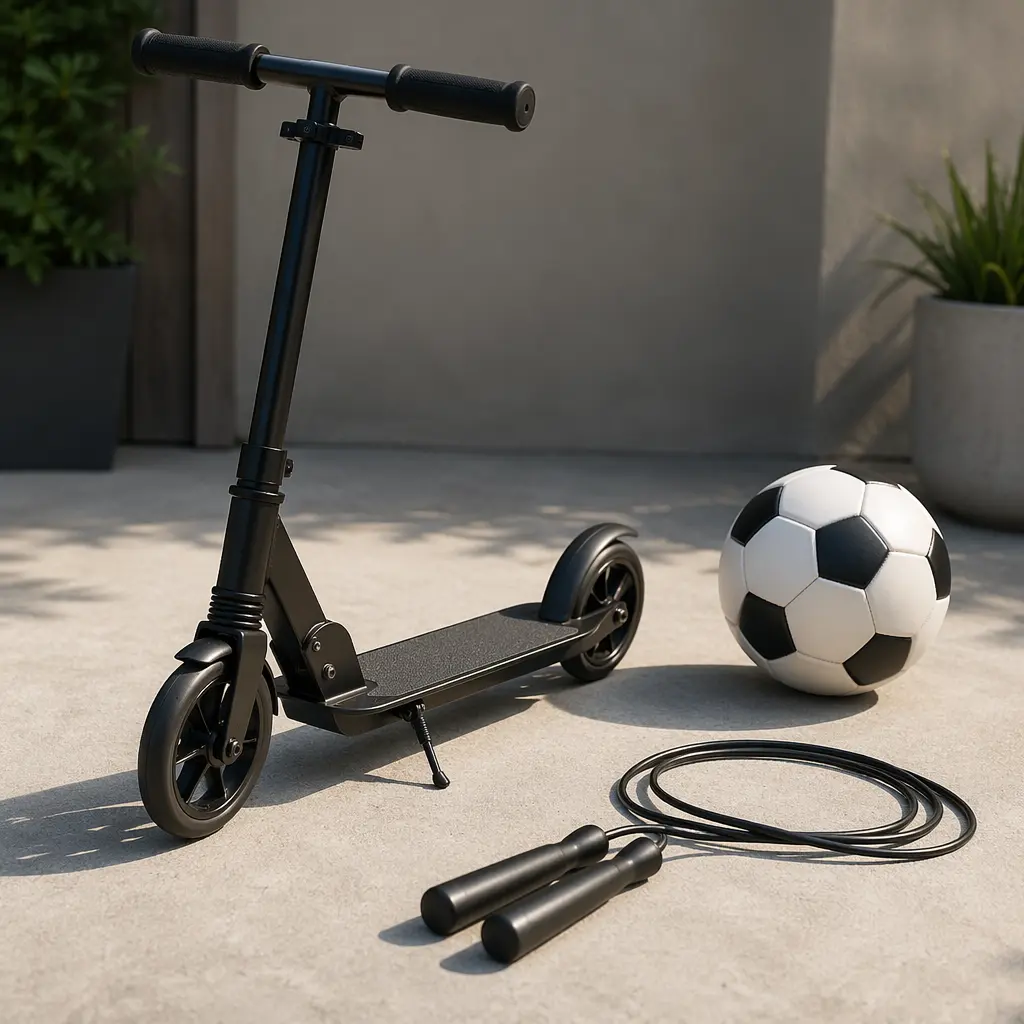
- Wheeled sports: Items like scooters, skate-style boards, and inline-style equipment support balance and confidence while feeling age-appropriate.
- Backyard sports trainers: Rebounders, practice nets, and targets let kids work on real sports skills without needing a full team.
- Throw-and-catch games: Flying discs, target toss sets, and similar games work well for mixed-age groups and casual hangouts.
- Fitness-style play: Jump ropes, balance lines set low to the ground, and agility markers introduce exercise in a low-pressure way.
- Build-and-modify kits: Outdoor kits that can be reconfigured encourage problem-solving and longer engagement.
Frequently asked questions
Why do some toys feel “babyish” to tweens?
Tweens are developing their identity and are sensitive to how things look and feel. Toys with cartoon styling, limited challenge, or overly simple mechanics can feel out of step with their abilities and social awareness.
Are outdoor toys still appealing at this age?
Yes—when they connect to real skills or social time. Tweens may not want obvious “toys,” but they often enjoy equipment that supports sports, movement, or friendly competition with peers.
How much structure is helpful?
Light structure works best. Clear goals or rules can help kids get started, but flexibility allows them to adapt games and keep interest high.
What about screen-free motivation?
Choosing toys that offer measurable progress—like mastering a trick or improving accuracy—can motivate tweens to head outside without reminders.
Outdoor toys that respect a tween’s growing maturity can support healthy movement, confidence, and social time. By focusing on skill, durability, and flexible play, parents can choose options that kids are proud to use—and likely to stick with—through these in-between years.