Soft Foam Balls vs Beanbags for Indoor Active Play
Choosing indoor throwing toys for preschoolers comes down to noise, cleanup, space and safety. This guide compares soft foam balls and beanbags for ages 3–5.
Compare prices and availability
Check current prices and availability for this guide on eBay.
As an eBay Partner, we may be compensated if you make a purchase.
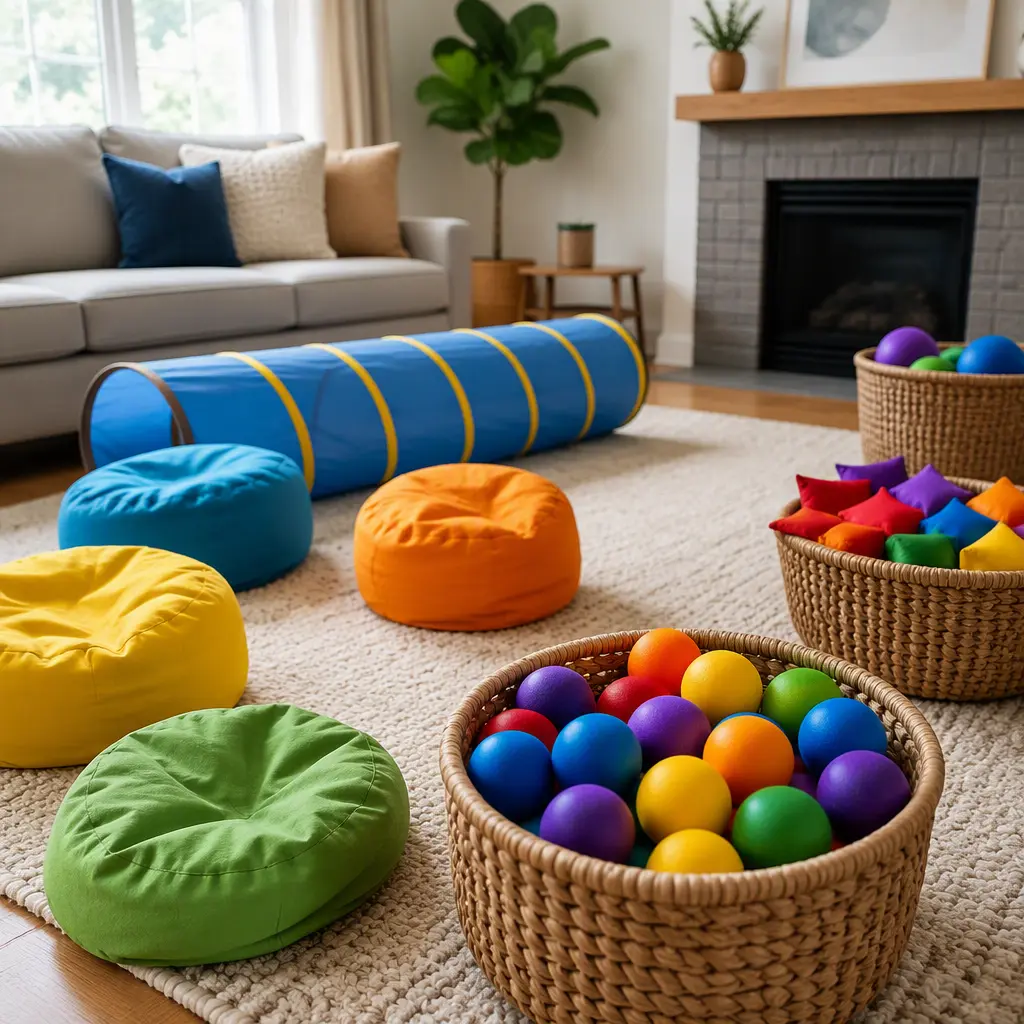
For preschoolers who enjoy throwing, rolling and target games indoors, soft foam balls and beanbags are two of the most practical options. Both support active play without needing a large outdoor space, but they behave very differently once they leave a child’s hands. Foam balls tend to bounce, travel farther and encourage energetic movement, while beanbags are quieter, easier to control and less likely to knock over household items. Choosing between them often comes down to your home setup, your tolerance for noise and cleanup, and how much supervision your child still needs during active play.
What to look for
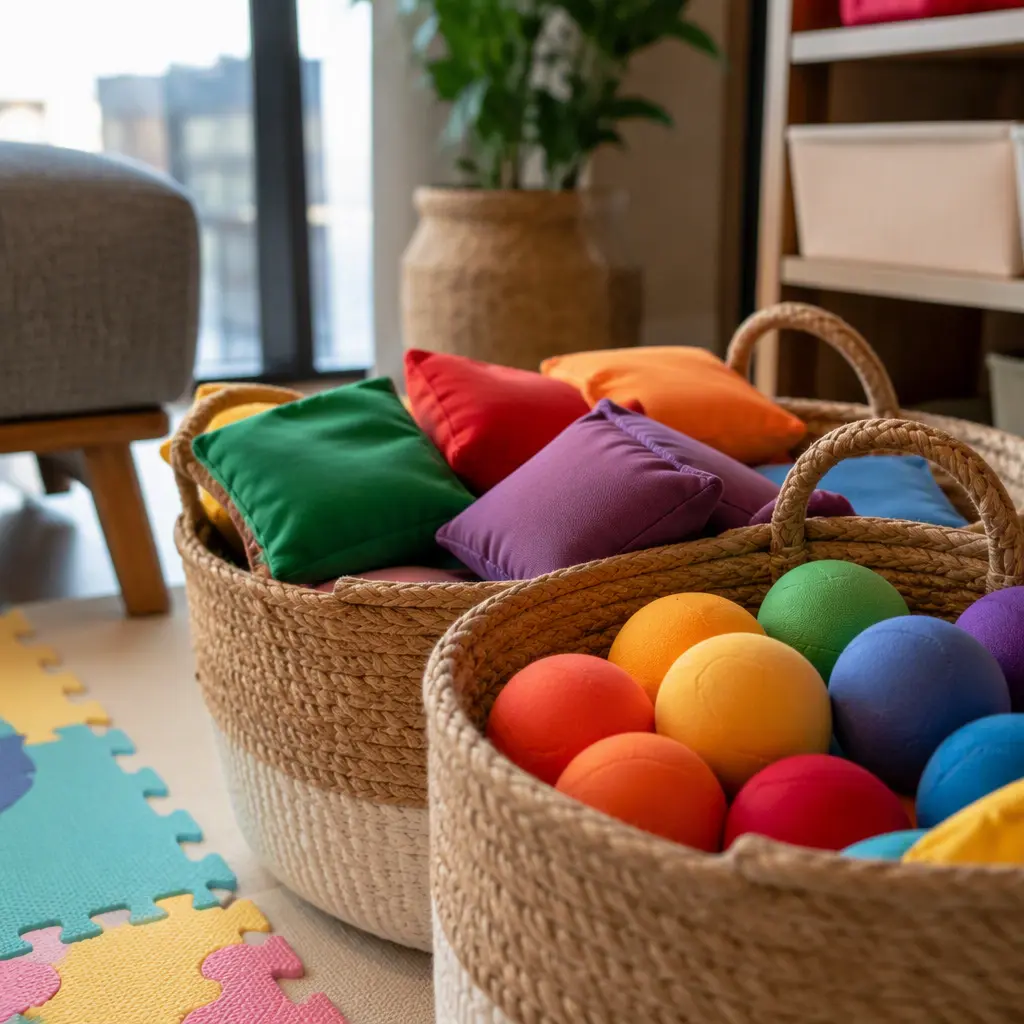
Indoor throwing toys for ages 3–5 should balance safety, durability and realistic use in smaller spaces. Preschoolers are still developing coordination and impulse control, so materials matter more than appearance. Lightweight toys reduce the risk of bumps, damaged walls and broken household items, but the shape and texture also affect how children play. Foam balls encourage chasing and movement because they roll and bounce. Beanbags slow the pace slightly and are often easier for younger children to catch successfully.
- Choose lightweight materials that compress easily when squeezed or stepped on.
- Look for stitched seams and durable outer fabrics that can handle repeated throwing.
- Consider noise levels if you live in an apartment or share walls with neighbors.
- Check storage needs: beanbags stack compactly, while larger foam balls can take up more floor space.
- Think about cleanup and maintenance. Some fabric beanbags attract dust or pet hair more easily than wipe-clean foam.
- For small indoor spaces, lower-bounce toys are usually easier to manage.
- Avoid very tiny balls or loosely filled beanbags that could become choking hazards if damaged.
Age suitability
For ages 3–5, both foam balls and beanbags can work well, but developmental stage matters. Younger preschoolers often find beanbags easier to grip because they stay where they land and fit comfortably in small hands. They are useful for simple toss games, color sorting activities and early catching practice. Older preschoolers who enjoy running games or indoor obstacle courses may prefer foam balls because they add movement and unpredictability. Children who become overstimulated easily may do better with beanbags, since bouncing toys can quickly turn calm play into rough indoor activity. Families with fragile decorations, lamps or shelves may also prefer beanbags during the preschool years.
Options compared
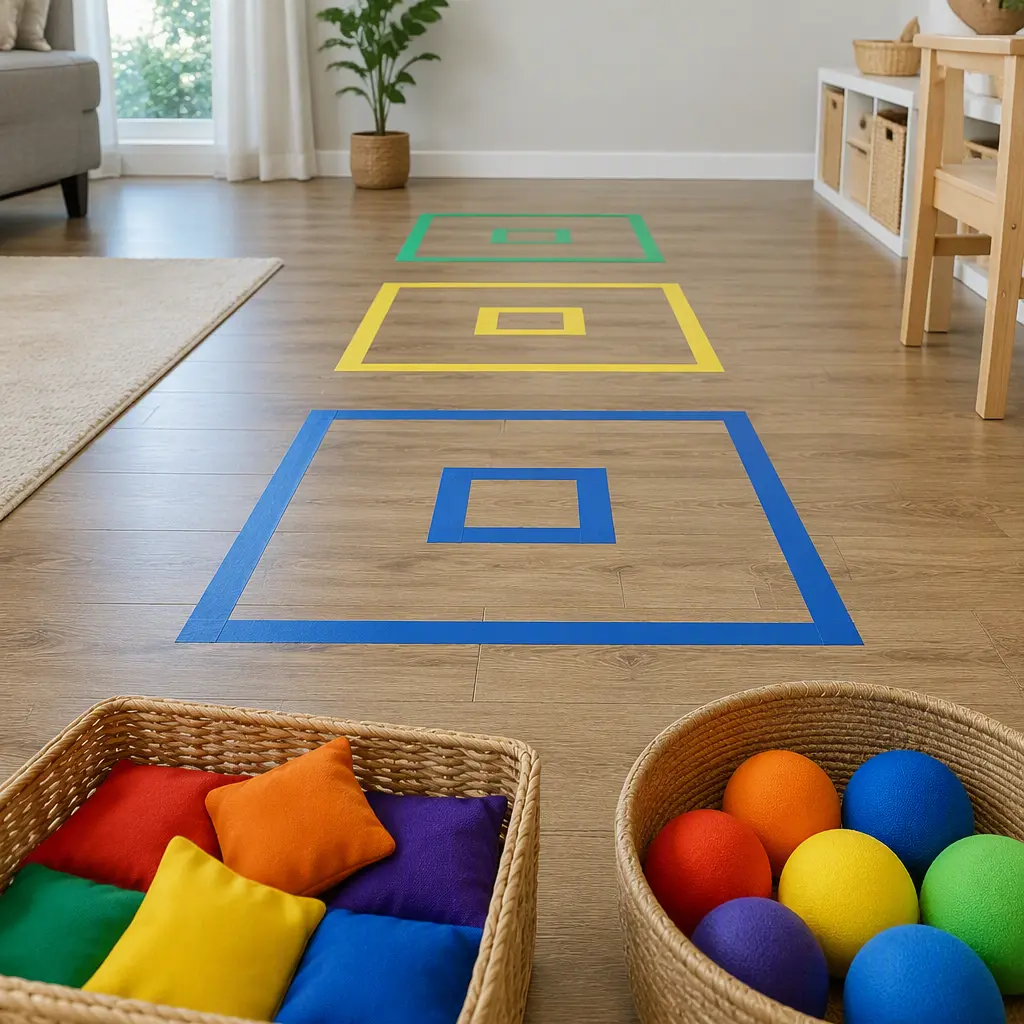
Soft foam balls are usually the better choice for children who want energetic indoor movement. They bounce, roll and work well for simple kicking, tossing and chase games. This can help active preschoolers burn energy on rainy days. Foam balls are also commonly available in different sizes, including oversized versions that move more slowly indoors. The trade-off is that bouncing increases noise and unpredictability. Even lightweight foam can knock over drinks, picture frames or stacked toys if play becomes too rough. Some foam materials also dent or tear over time, especially if squeezed, bitten or stored under heavy objects.
Beanbags suit quieter indoor play and smaller rooms. Because they drop rather than bounce, they are easier to use around furniture and less likely to travel across the house. Parents in apartments often prefer them because they create less impact noise on floors and walls. Beanbags are also useful for structured activities like target tossing, balancing games and color matching. However, they are less exciting for children who want fast-moving action. Some preschoolers lose interest if every game feels slow or repetitive. Fabric beanbags can also require occasional spot cleaning, and poorly made versions may leak filling after rough use.
- Choose foam balls if your child enjoys active movement, rolling games and higher-energy indoor play.
- Choose beanbags if you want lower noise, fewer bounced objects and easier cleanup in tight spaces.
- Foam balls generally suit open play and obstacle courses better.
- Beanbags are often better for beginner catching practice and simple target games.
- In shared living spaces or apartments, beanbags are usually the quieter option.
- For mixed-age households with toddlers nearby, larger beanbags may be easier to supervise because they stay visible and stationary.
Frequently asked questions
Are foam balls safe for indoor use?
Soft foam balls designed for preschool play are generally intended to reduce impact compared with standard sports balls, but supervision still matters. Very bouncy balls can lead to rougher indoor games, especially in small rooms with hard furniture or breakable objects nearby.
Do beanbags help with coordination?
Yes. Beanbags move slowly and stay where they land, which can help preschoolers practice aiming, catching and hand-eye coordination without chasing rolling toys around the room. Their predictable movement often reduces frustration for younger children.
Which option is quieter in apartments?
Beanbags are typically quieter because they do not bounce repeatedly across floors or against walls. Foam balls are softer than traditional balls, but repeated bouncing and running can still create noticeable indoor noise in smaller homes or upstairs apartments.
Are foam balls or beanbags easier to store?
Beanbags usually store more compactly because they stack neatly into baskets or bins. Large foam balls can take up more visible floor or shelf space, although smaller foam sets are easier to organize.
Is one option better for messy households?
Foam balls are often easier to wipe clean quickly, especially after snack time or craft activities. Fabric beanbags can collect lint, crumbs or pet hair depending on the material, so they may need more regular cleaning.
For many families, the most practical solution is not choosing one over the other but matching the toy to the type of indoor play you want to encourage. Foam balls support energetic movement and active games, while beanbags create calmer, more controlled play with less noise and fewer flying objects. For ages 3–5, the safest and most useful choice is usually the one that fits your available space, storage limits and household tolerance for indoor chaos.