Best Pretend Play Toys for Toddlers Who Play Alone
A parent-focused guide to pretend play toys that toddlers ages 1–2 can start and reset on their own, encouraging imagination, independence, and calm solo play.
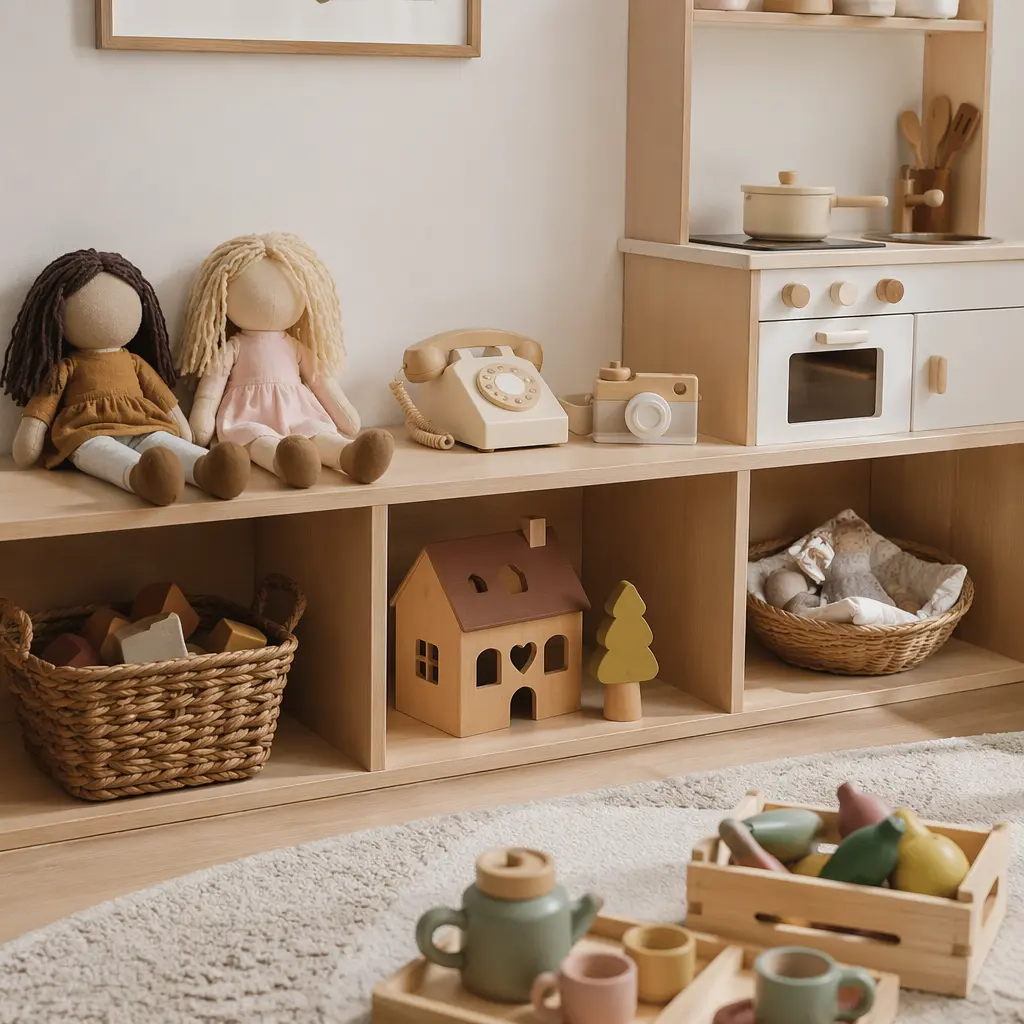
Compare prices and availability
Check current prices and availability for this guide on eBay.
As an eBay Partner, we may be compensated if you make a purchase.
Pretend play starts early, even before toddlers can tell full stories or follow multi-step games. For children ages 1–2, the best pretend play toys are simple, open-ended, and easy to use without adult setup. These toys let toddlers explore familiar routines—like cooking, caring, or talking on the phone—at their own pace. For parents, the goal is not complex role-play, but toys that invite short, repeatable moments of imagination that children can start, stop, and reset on their own.
What to look for
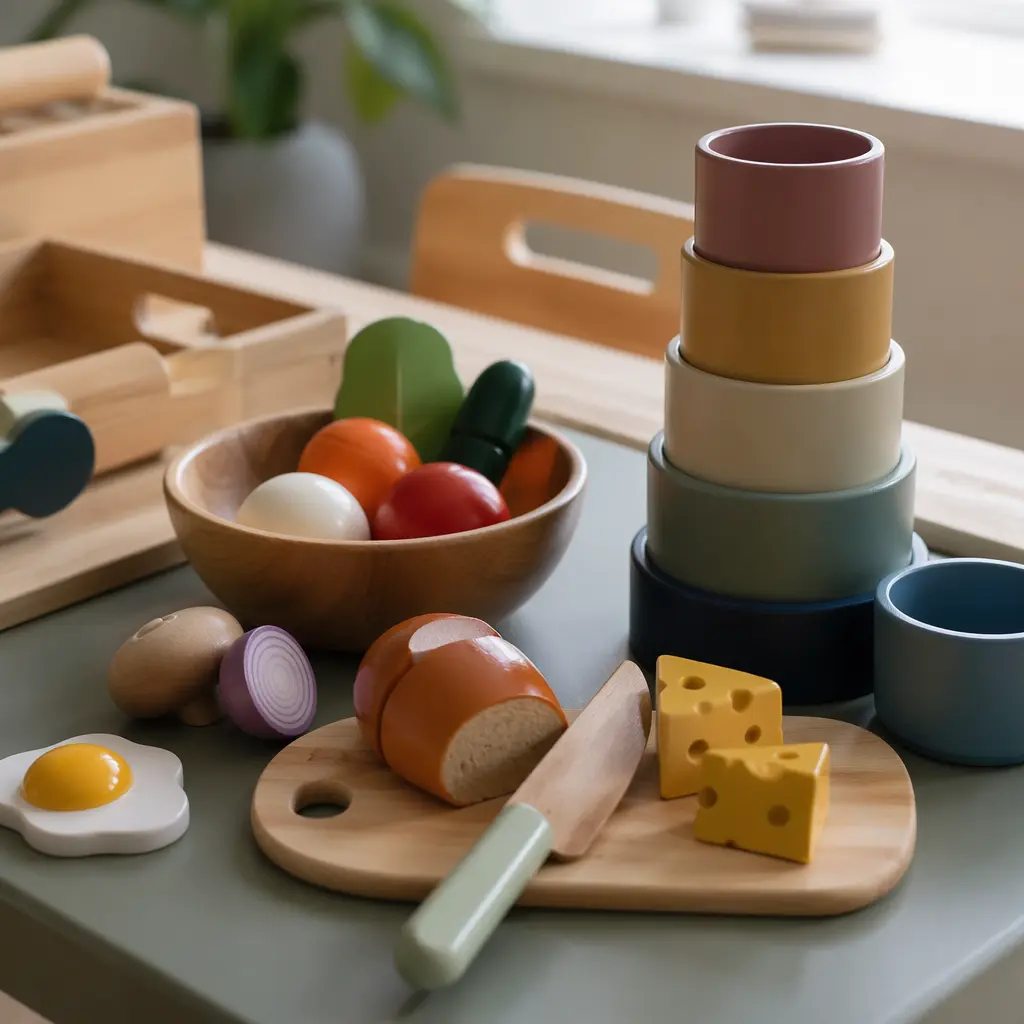
Toddlers who play alone benefit from toys that feel intuitive and forgiving. At this age, pretend play is about imitation and exploration rather than following rules. The right toys reduce frustration and make it easy for a child to feel successful without adult help.
- Simple actions: Toys should work with basic motions like placing, opening, pushing, or holding.
- Easy reset: Pieces can be put back together quickly without lining things up perfectly.
- Familiar themes: Everyday activities like eating, talking, or caregiving are easiest for toddlers to understand.
- Open-ended design: No single “right way” to play encourages longer, calmer exploration.
- Durable construction: Sturdy materials handle drops, mouthing, and repeated use.
Age suitability
For ages 1–2, pretend play looks different from what older children do. Many toddlers are just beginning to copy adult actions, such as pretending to drink from a cup or placing an object near a doll. Toys designed for this age group should match their motor skills and attention span. Fewer pieces, larger parts, and clear cause-and-effect help toddlers stay engaged without needing instructions. If a toy requires sorting by shape, snapping tight connectors, or following a sequence, it may be better suited for an older age range.
Standout categories or types
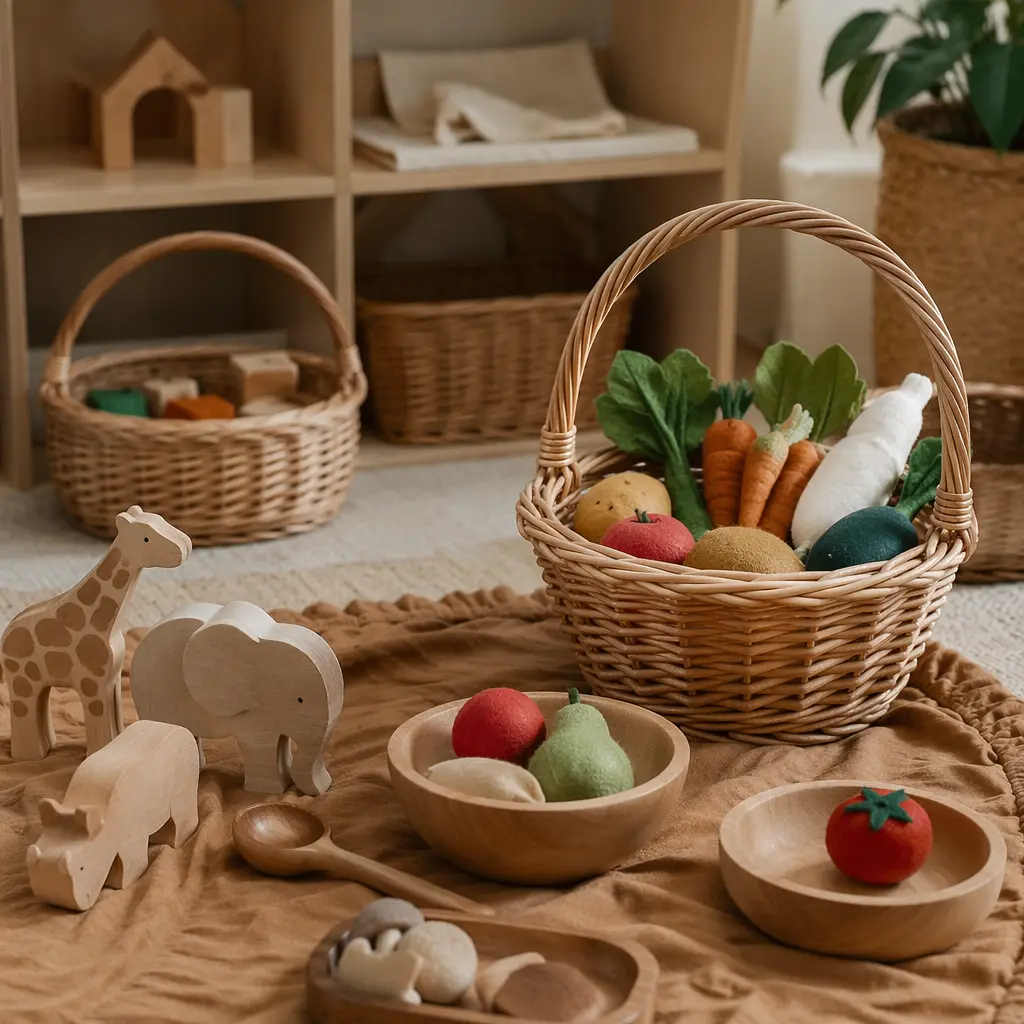
Some pretend play categories are especially well-suited for toddlers who play independently. These types focus on repetition and recognition, which helps children feel confident returning to the toy again and again.
- Everyday life sets: Play food, dishes, or simple kitchen items support familiar routines toddlers see daily.
- Caregiving toys: Dolls, stuffed animals, and basic accessories encourage gentle nurturing actions without complex steps.
- Pretend communication: Toy phones or remote-style toys support imitation and simple sound-making play.
- Animal and figure play: Chunky animals or people figures allow toddlers to act out basic movements and interactions.
- Household object play: Toy brooms, bags, or tool-style items sized for toddlers encourage role imitation and movement.
Frequently asked questions
Can toddlers really do pretend play alone?
Yes, in short bursts. Independent pretend play at this age often lasts a few minutes at a time and may look repetitive. That repetition is developmentally appropriate and helps toddlers practice understanding routines and cause-and-effect.
How many pieces should a pretend play toy have?
Fewer is usually better. Toys with three to six large pieces are easier to manage and reset. Too many parts can overwhelm toddlers and increase the need for adult help.
What if my toddler just dumps everything out?
Dumping is a normal part of play at this age. Toys that are easy to gather and put back together allow toddlers to move from dumping to more focused pretend actions over time.
Do pretend play toys need sound or electronics?
Not necessarily. Many toddlers engage longer with simple, non-electronic toys that respond directly to their actions. If a toy does include sounds, they should be gentle and not required for play to continue.
The best pretend play toys for toddlers who play alone are not about elaborate scenes or long storylines. They are about giving young children safe, familiar tools to explore the world they see every day. By choosing toys that are simple, sturdy, and easy to reset, parents can support early imagination while encouraging confidence and independence during solo play.