Best Pretend Play Toys for Kids Who Love Solo Stories
A parent-focused guide to open-ended pretend play toys that help kids ages 6–8 create rich stories and play independently for longer stretches.
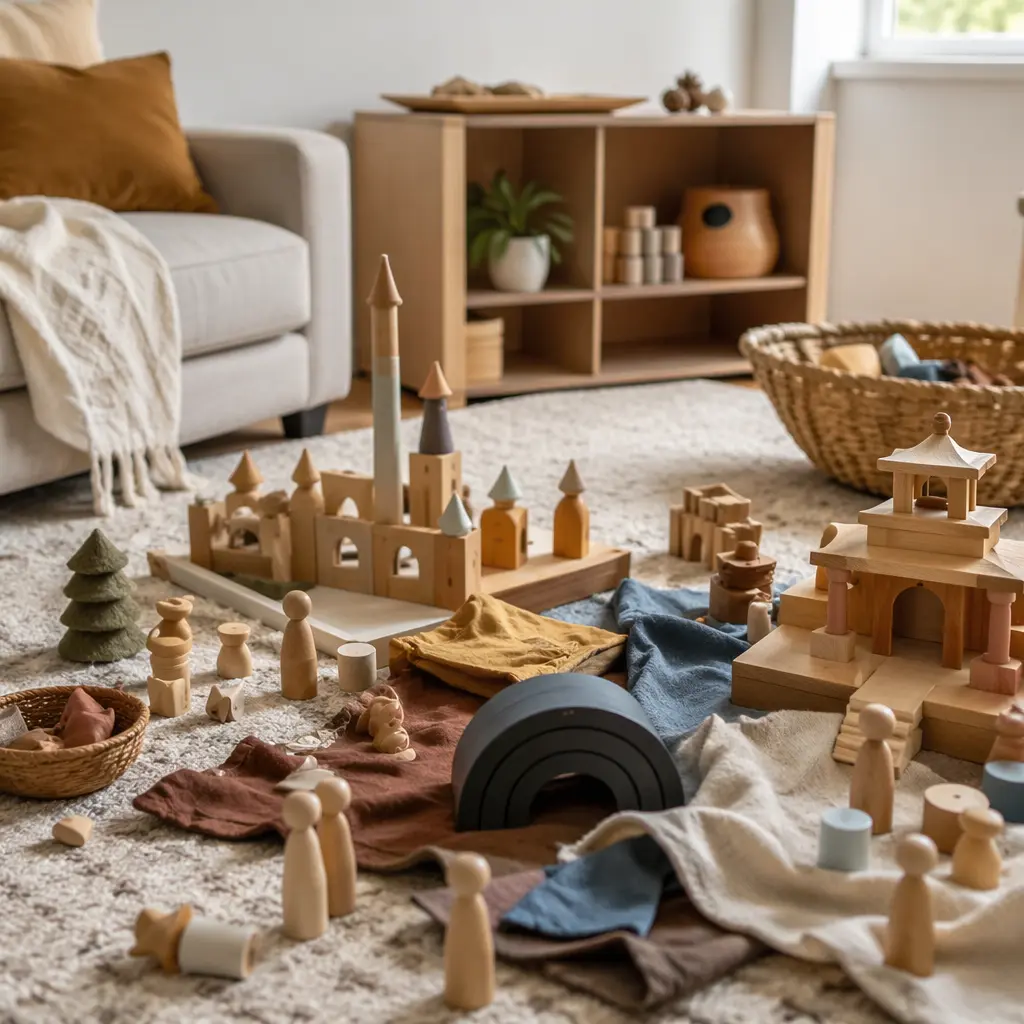
Compare prices and availability
Check current prices and availability for this guide on eBay.
As an eBay Partner, we may be compensated if you make a purchase.
Some kids are happiest when they can sink into their own imaginary worlds. For children ages 6–8 who enjoy solo storytelling, the best pretend play toys are the ones that don’t tell the story for them. Open-ended toys give kids the freedom to invent characters, build settings, and play out long, evolving narratives at their own pace, without needing constant adult input or screen-based prompts.
What to look for
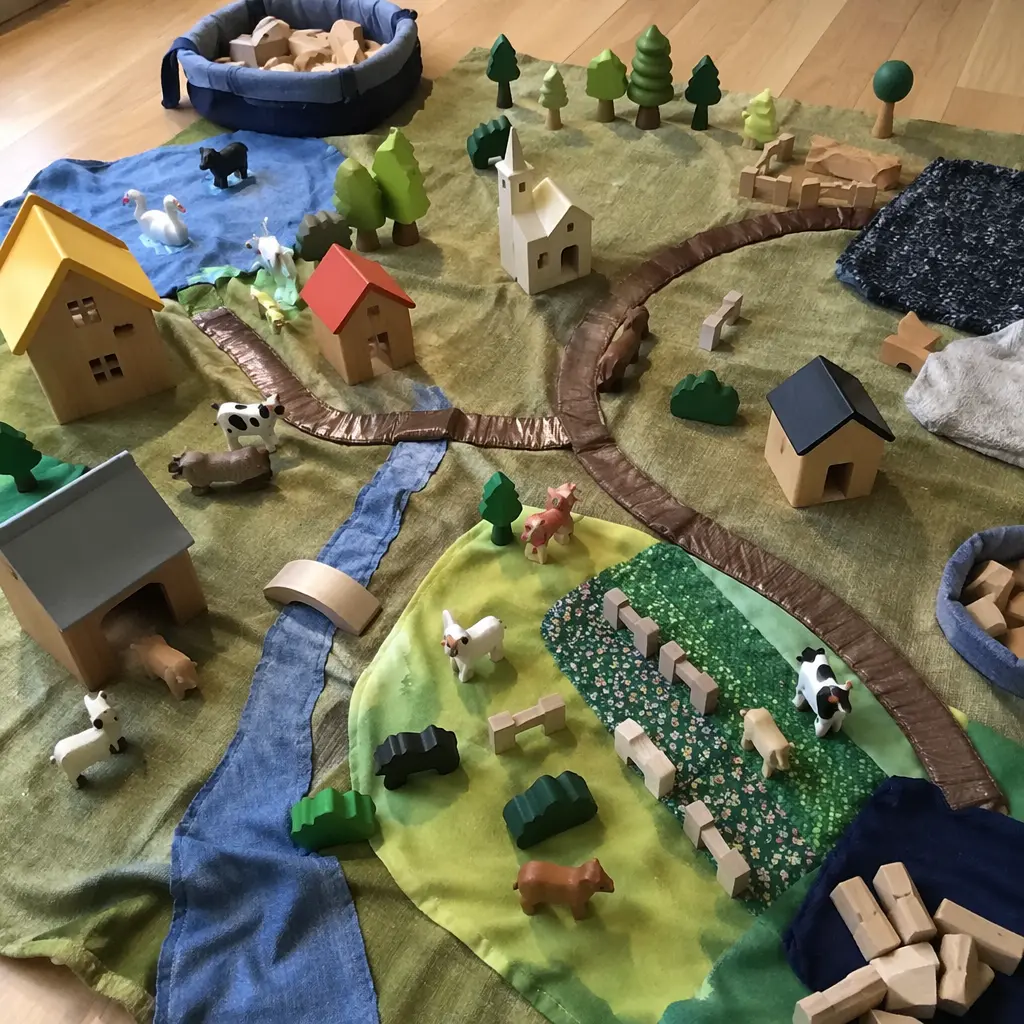
When shopping for pretend play toys that support independent storytelling, focus less on flashy features and more on flexibility. The goal is to choose items that can become many things over time, rather than toys with a single fixed purpose.
- Open-ended design: Toys without scripts, sound effects, or predefined outcomes encourage kids to create their own stories.
- Scalable complexity: Look for toys that feel simple at first but allow for more detailed play as stories grow.
- Durability: Solo play often involves repeated setup, teardown, and reimagining, so sturdy materials matter.
- Neutral aesthetics: Softer colors and simple designs make it easier for toys to fit into many different story worlds.
- Storage-friendly pieces: Sets with manageable parts are easier for kids to reset and revisit independently.
Age suitability
Kids ages 6–8 are at a stage where their storytelling becomes more structured and detailed. They can manage multiple characters, track ongoing plots, and return to the same imaginary world over several days. Toys for this age group should respect that growing narrative ability by offering enough depth without becoming overwhelming. Pieces that can be combined, rearranged, or repurposed tend to hold attention longer than single-function toys.
Standout categories or types
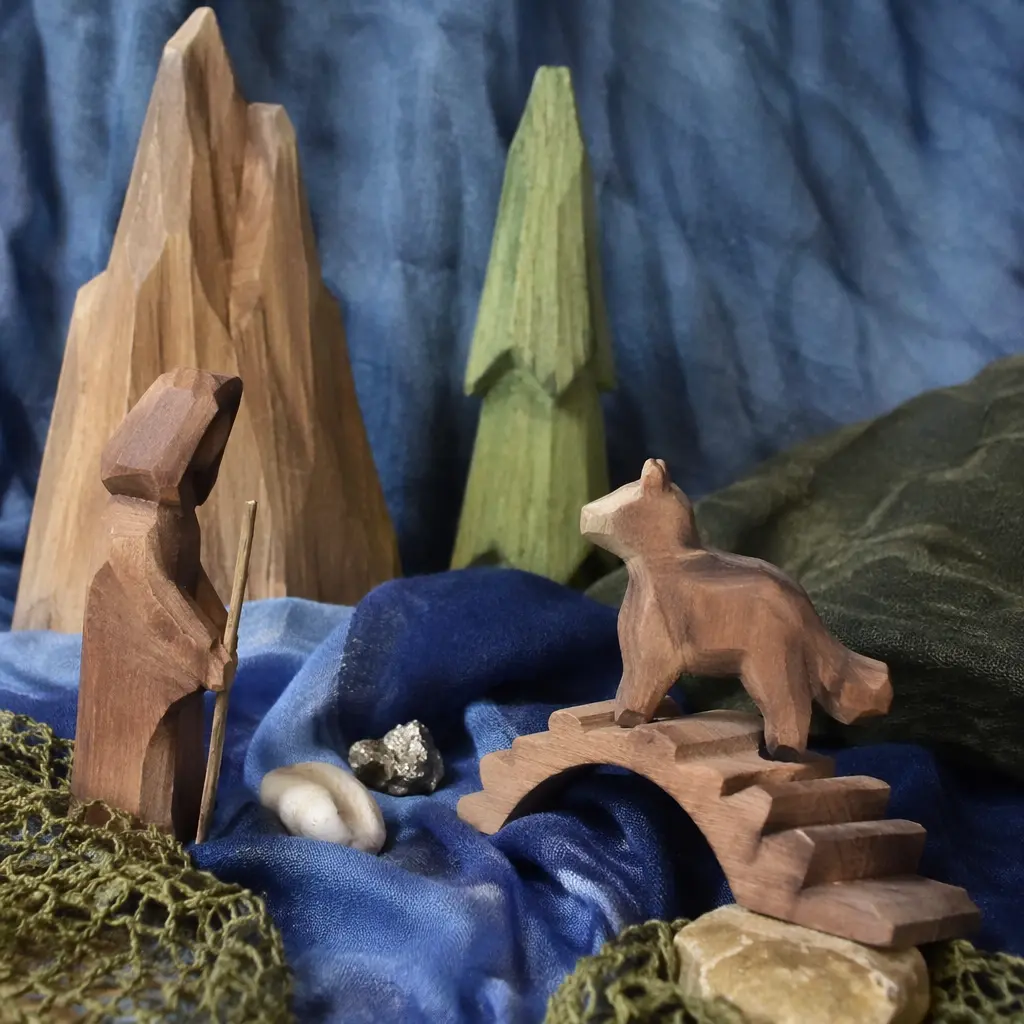
Certain types of pretend play toys are especially good at supporting long, solo storytelling sessions. These categories tend to give kids just enough structure to get started, while leaving the story itself completely open.
- Figures and characters: Simple people, animals, or fantasy creatures that can take on many roles across different stories.
- Build-your-own worlds: Modular buildings, scenery pieces, or blocks that let kids design settings again and again.
- Loose parts and props: Small objects, fabric pieces, and natural materials that can stand in for almost anything.
- Everyday role-play sets: Scaled-down versions of real-life spaces that kids can adapt into imaginary contexts.
- Story starters: Visual prompts or open-ended accessories that inspire ideas without dictating a plot.
Frequently asked questions
Why are open-ended toys better for solo pretend play?
Open-ended toys don’t limit kids to a single storyline or goal. This freedom allows children to replay scenarios, change outcomes, and build longer narratives, which is especially important for kids who enjoy playing alone.
Do pretend play toys need a lot of pieces to be engaging?
Not necessarily. A small number of versatile pieces often leads to deeper play than a large, highly specific set. What matters most is how easily the pieces can be reimagined.
How can parents encourage longer independent play?
Keeping toys accessible, allowing unfinished setups to stay out, and resisting the urge to direct the story can all help kids stay immersed longer in their pretend worlds.
Is solo pretend play developmentally beneficial?
Yes. Independent pretend play supports creativity, problem-solving, emotional processing, and narrative thinking, all while giving kids space to explore ideas on their own.
For kids who love creating stories on their own, the right pretend play toys act as quiet partners rather than directors. By choosing open-ended, flexible options, parents can support longer, richer play sessions that grow along with a child’s imagination.