Pretend Play Toys That Mirror Everyday Family Life
A parent-friendly guide to pretend play toys that reflect daily family routines, helping ages 3–5 build confidence, language skills, and independence through familiar role play.
Compare prices and availability
Check current prices and availability for this guide on eBay.
As an eBay Partner, we may be compensated if you make a purchase.
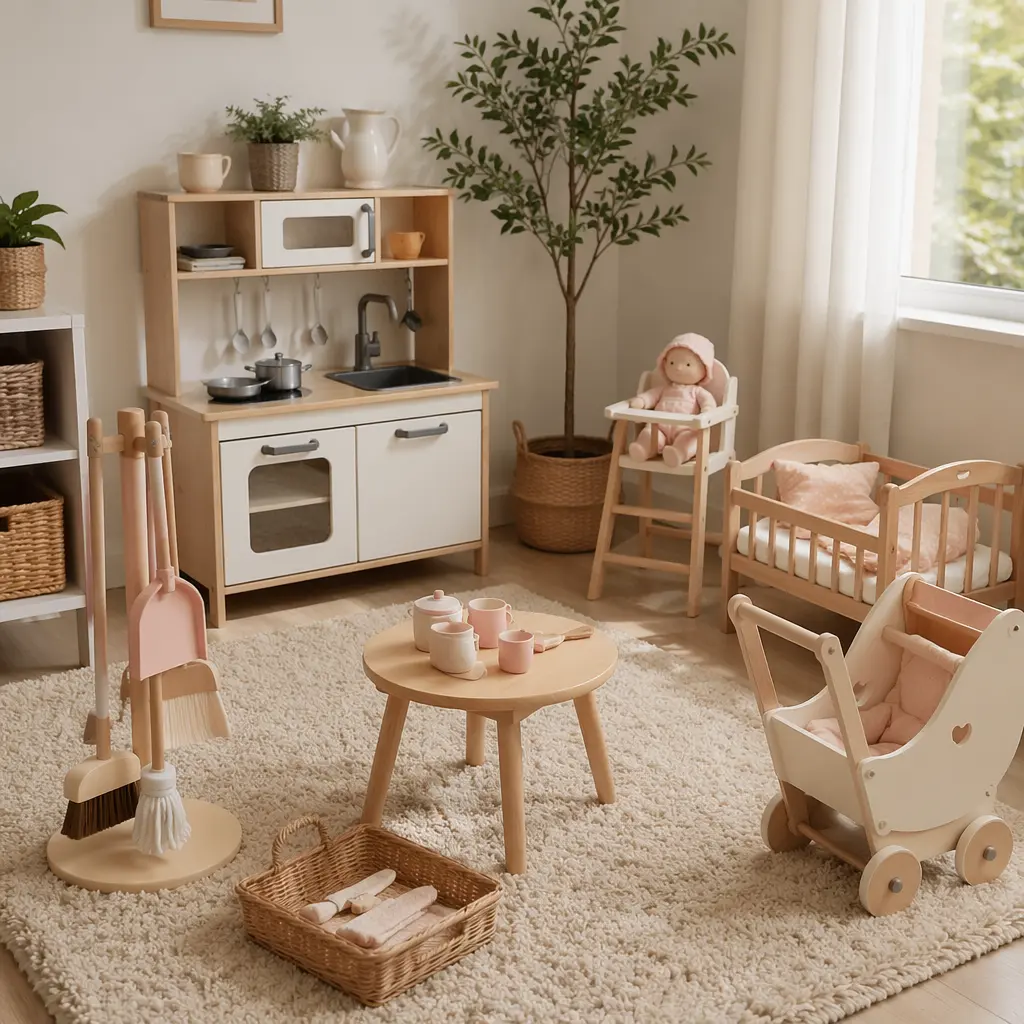
Between ages three and five, children are keen observers of daily family life. They notice how meals are prepared, how groceries are unpacked, and how adults care for babies, pets, and homes. Pretend play toys that reflect these routines give children a safe way to explore what they see every day. By acting out familiar roles, kids practice language, problem-solving, and social skills while building confidence in their growing independence.
What to look for
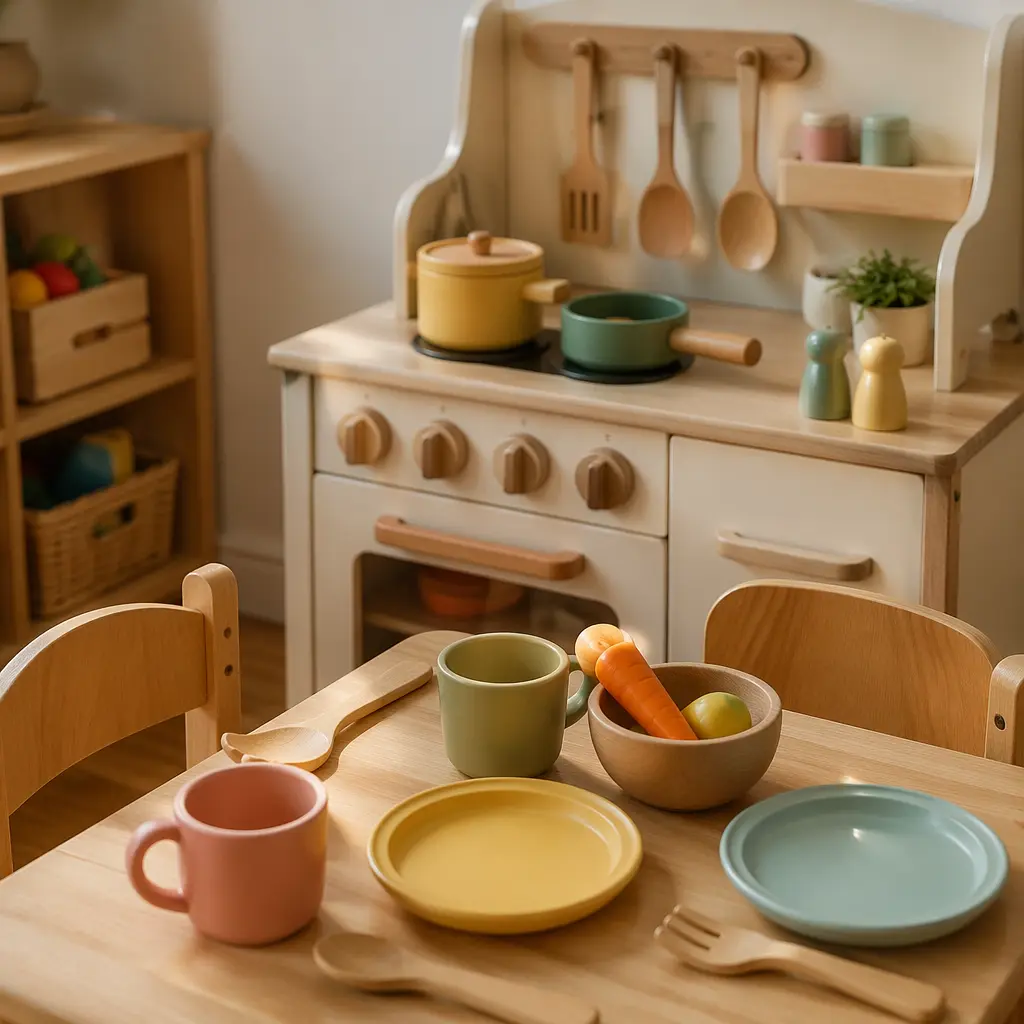
When choosing pretend play toys that mirror real family routines, focus on pieces that invite open-ended play rather than one correct outcome. The goal is to support imagination while still feeling familiar and reassuring to a young child.
- Realistic but simplified design that resembles everyday items without small or complex parts
- Durable materials that can handle frequent use and active play
- Open-ended features that allow children to create their own stories and routines
- Size and scale that fit preschoolers comfortably and encourage independent play
- Easy-to-clean surfaces for toys used in food, pet, or baby-care pretend scenarios
Age suitability
Pretend play toys for ages three to five should match both physical ability and emotional development. At this stage, children enjoy copying adult actions like cooking, cleaning, or getting ready for the day. Toys with simple moving parts, chunky accessories, and familiar themes work best. Avoid sets aimed at older kids that rely on reading, small pieces, or complicated assembly, as these can interrupt play and lead to frustration.
Standout categories or types
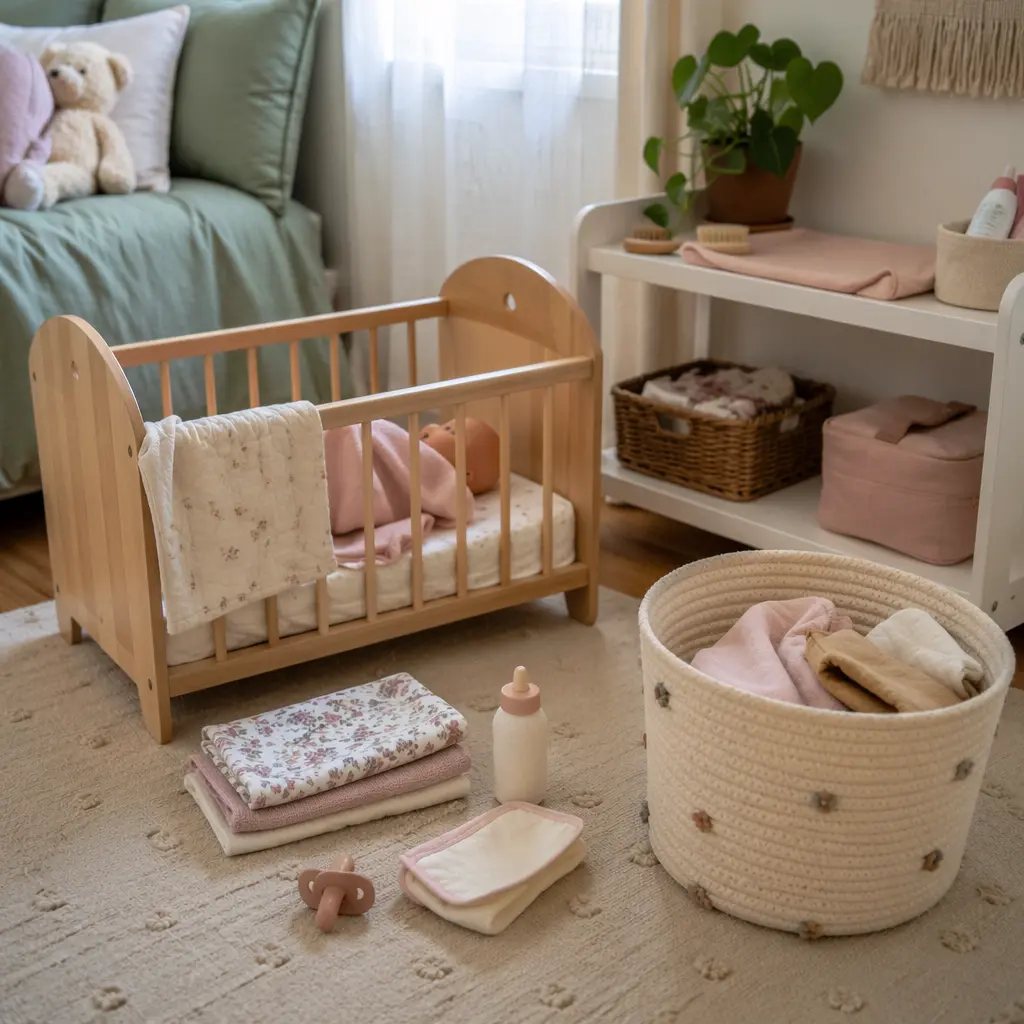
Some pretend play categories are especially effective at helping kids recreate daily family life. Household role-play sets often include kitchens, cleaning tools, or laundry-themed accessories that let children act out routines they see at home. These toys can support early responsibility and cooperation as kids practice helping behaviors.
Caregiving toys are another strong choice for this age group. Doll care, pet care, and baby-themed playsets allow children to explore empathy and nurturing skills. Many children enjoy repeating routines like feeding, bathing, and putting a toy to bed, which mirrors real-life rhythms and can be comforting. Dress-up and role-play accessories tied to everyday family roles, such as shopping or meal prep, also encourage conversation and storytelling.
Frequently asked questions
Why is pretend play based on daily routines helpful?
Pretend play rooted in familiar routines helps children make sense of the world around them. Acting out daily tasks builds confidence, supports language development, and gives kids a way to practice social interactions they experience at home.
Do these toys limit creativity by copying real life?
Most routine-based pretend toys are open-ended. While they start with familiar themes, children often expand the play with their own ideas, stories, and problem-solving, which keeps creativity at the center of the experience.
How many pretend play sets does a child need?
A few well-chosen sets are usually enough. Toys that can be mixed and matched or used in different scenarios tend to hold attention longer than many single-purpose items.
Can pretend play help with real-life routines?
Yes. Practicing routines through play can make real tasks feel more familiar and less intimidating. Some parents find that children are more willing to participate in daily activities after acting them out in pretend play.
Pretend play toys that reflect everyday family life offer more than entertainment. They support emotional growth, communication, and independence during an important developmental stage. By choosing toys that mirror familiar routines and encourage open-ended play, parents can create opportunities for learning that feel natural, comforting, and fun.