Instant-Play Pretend Toys That Keep Kids Busy
A parent-focused guide to pretend play toys that work right out of the box. Learn what to look for, age fit, safety notes, and the toy types that encourage independent storytelling for ages 3–5.
Compare prices and availability
Check current prices and availability for this guide on eBay.
As an eBay Partner, we may be compensated if you make a purchase.
Parents often look for toys that children can start using right away, without complicated setup or constant adult direction. Instant-play pretend toys meet that need by encouraging kids ages 3–5 to jump straight into storytelling. These toys are designed to be intuitive, durable, and open-ended, helping children stay engaged while practicing language, social skills, and problem-solving on their own.
What to look for
Not all pretend toys are equally easy for kids to use independently. When the goal is uninterrupted play, focus on features that remove friction and invite imagination. The best options give children just enough structure to get started, while leaving room for their own ideas to take over.
- No assembly or minimal setup so play can begin immediately
- Familiar themes like home, community, animals, or transportation
- Sturdy pieces that can handle repeated use without breaking
- Open-ended parts that work in more than one storyline
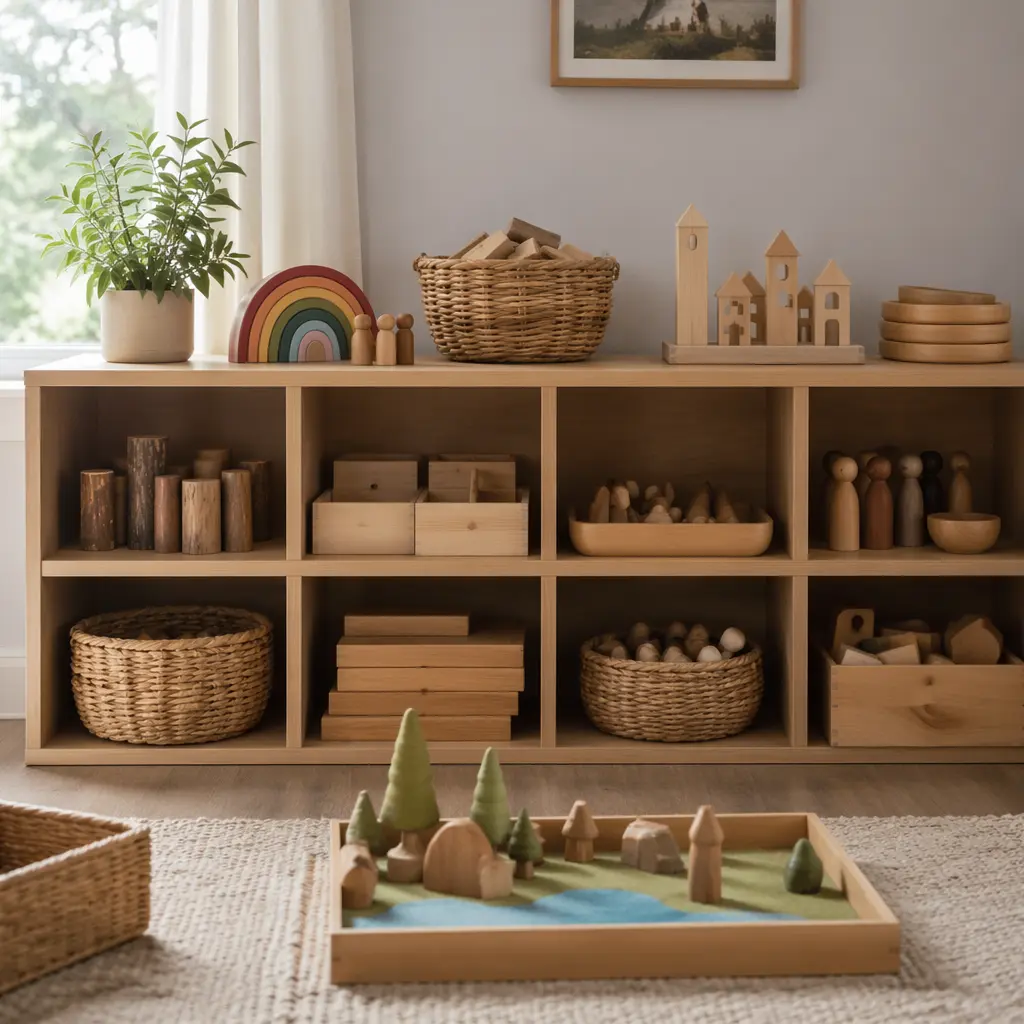
- Storage that keeps all pieces visible and easy to put away
Age suitability
For children ages 3–5, pretend play toys should match developing motor skills and attention spans. Pieces need to be large enough to handle easily, with simple actions like opening, closing, stacking, or arranging. At this stage, kids enjoy acting out everyday routines and experimenting with roles, so toys that reflect real-life experiences tend to hold attention longer without adult prompts.
Standout categories or types
Certain categories of pretend toys are especially effective at keeping kids busy without adult setup. These toys rely on familiar scenarios and clear visual cues, so children understand how to begin playing as soon as they see them.
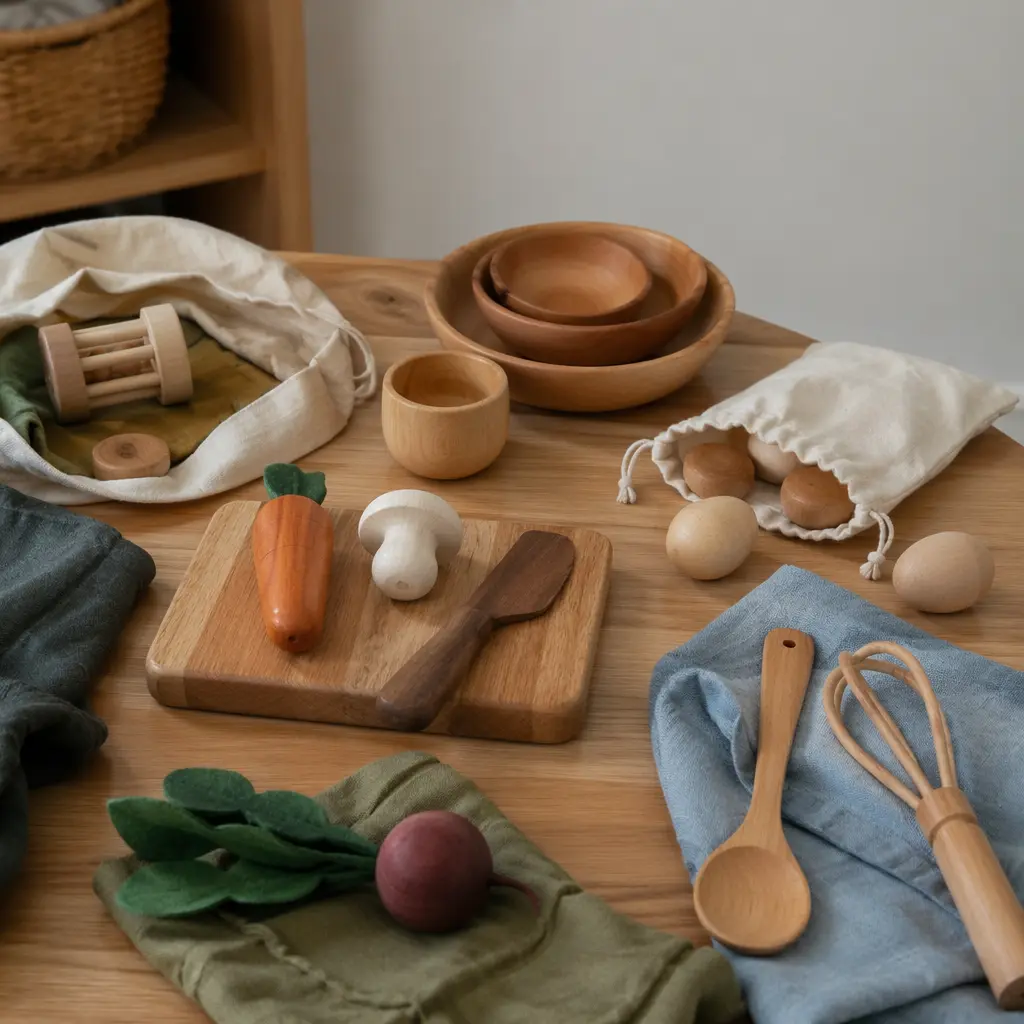
- Role-play sets based on everyday life, such as cooking, cleaning, or caregiving
- Animal or figure play that supports simple storytelling and movement
- Dress-up accessories that slip on easily and spark character play
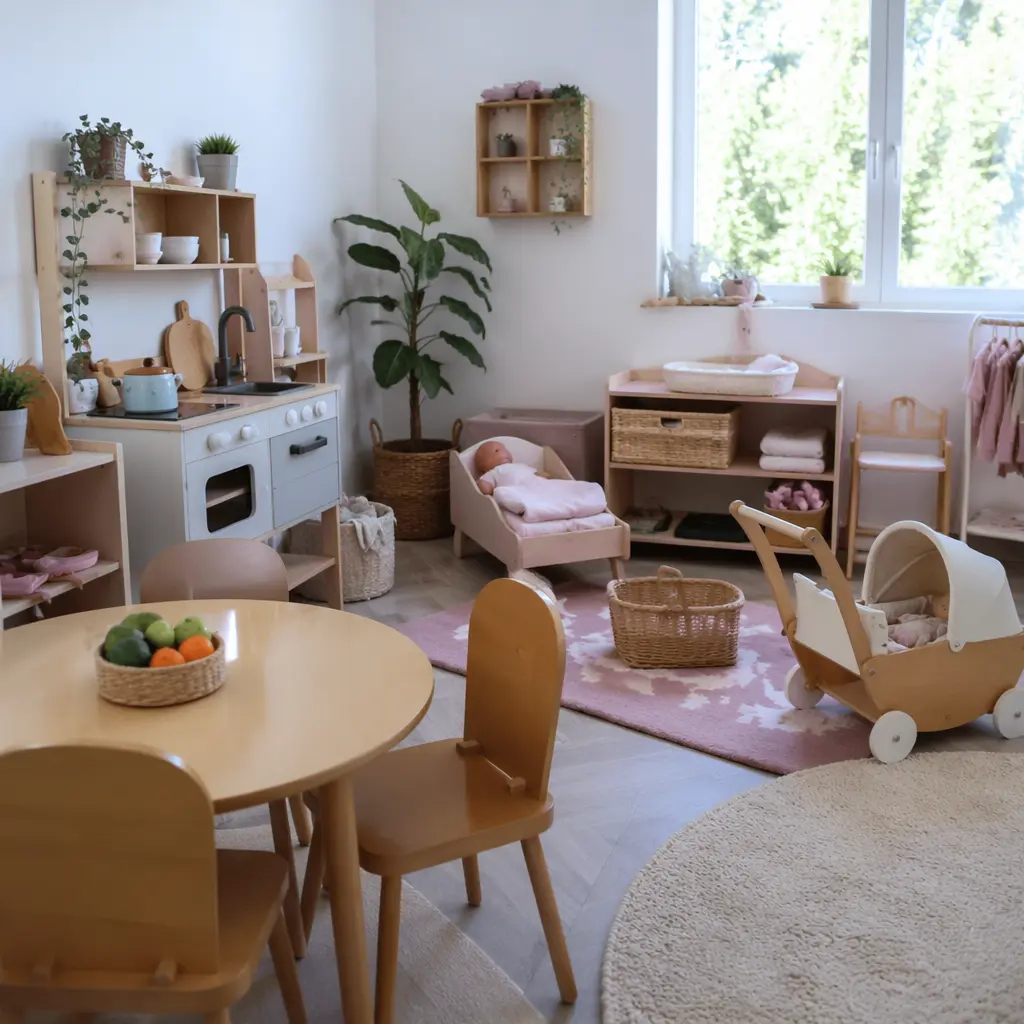
- Play environments like houses, shops, or garages that suggest a setting without instructions
Open-ended pretend toys also grow with a child. A simple setup that supports basic imitation at age three can later become the backdrop for more complex stories as language and social understanding expand. This flexibility helps extend interest over months or even years.
Frequently asked questions
Do instant-play pretend toys limit creativity?
Generally, no. While these toys provide an easy entry point, the best designs avoid scripted outcomes. Children can follow familiar routines or invent new ones, which supports creativity rather than restricting it.
How long can kids typically play on their own?
Independent play time varies by child, but many parents report longer engagement when toys are intuitive and match a child’s interests. Rotating toys or changing the play space can also refresh attention without adding complexity.
Are fewer pieces better for independent play?
Often yes. A moderate number of pieces reduces overwhelm and cleanup time, making it easier for kids to start and finish play on their own. The key is balance: enough parts to inspire stories, but not so many that organization becomes a barrier.
Can these toys be used in small spaces?
Many instant-play pretend toys are well suited to apartments or shared rooms. Look for compact sets, foldable elements, or toys that store neatly on a shelf when not in use.
Pretend play toys that work without adult setup can be a practical addition to a child’s play space. By choosing options that are intuitive, age-appropriate, and open-ended, parents can support independent play that builds imagination and confidence, while also creating small pockets of quiet time during busy days.