No-Battery Pretend Play Toys for Rainy Day Play
A parent-focused guide to screen-free pretend play toys for preschoolers aged 3–5, including kitchens, tool sets, puppets and play shops with practical tips on storage, noise and supervision.
Compare prices and availability
Check current prices and availability for this guide on eBay.
As an eBay Partner, we may be compensated if you make a purchase.
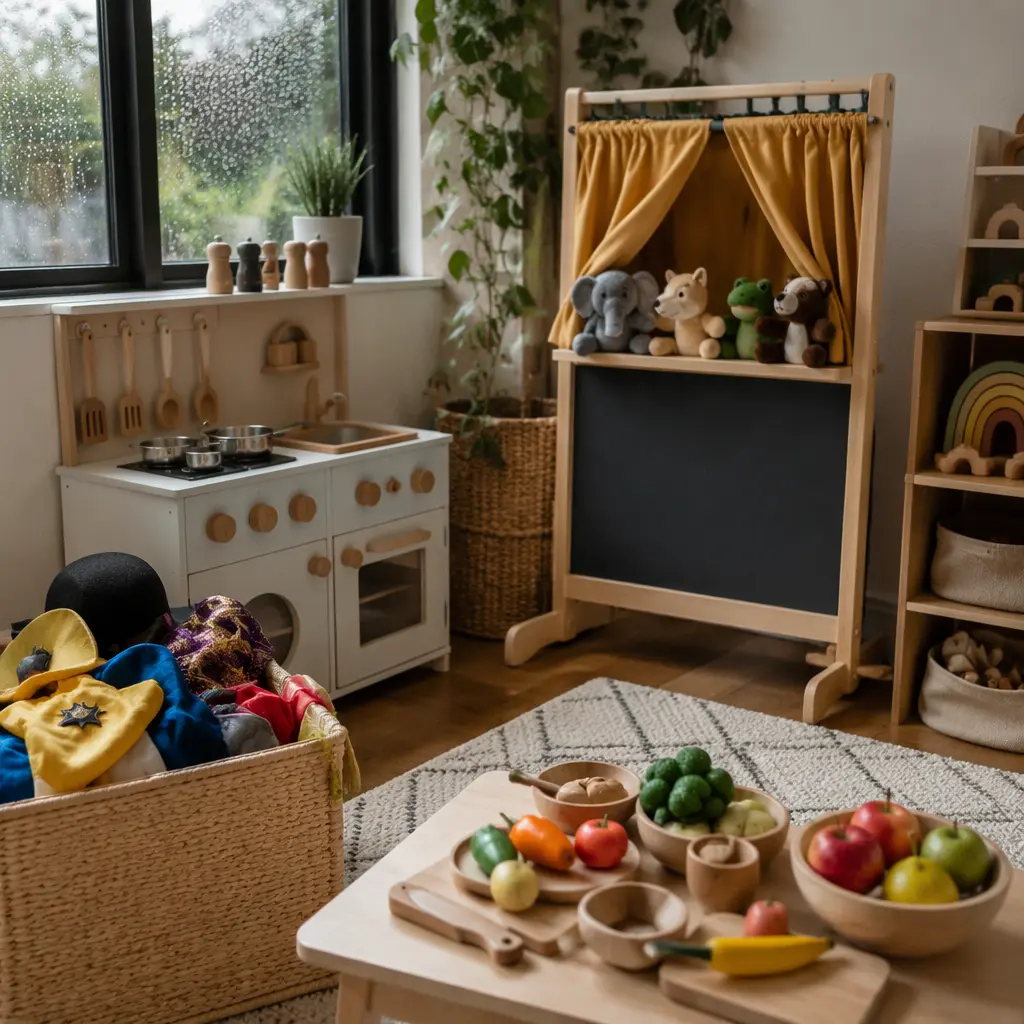
Rainy afternoons can feel long when preschoolers are full of energy but indoor options are limited. No-battery pretend play toys are popular because they encourage open-ended play without adding screen time, loud electronic sounds or complicated setup. For children aged 3 to 5, role-play toys can support imagination, storytelling, turn-taking and everyday life skills while still being simple enough to pull out quickly during indoor play. The challenge for parents is choosing toys that stay engaging after the novelty wears off and that fit real household limits such as storage space, noise tolerance and cleanup time.
What to look for
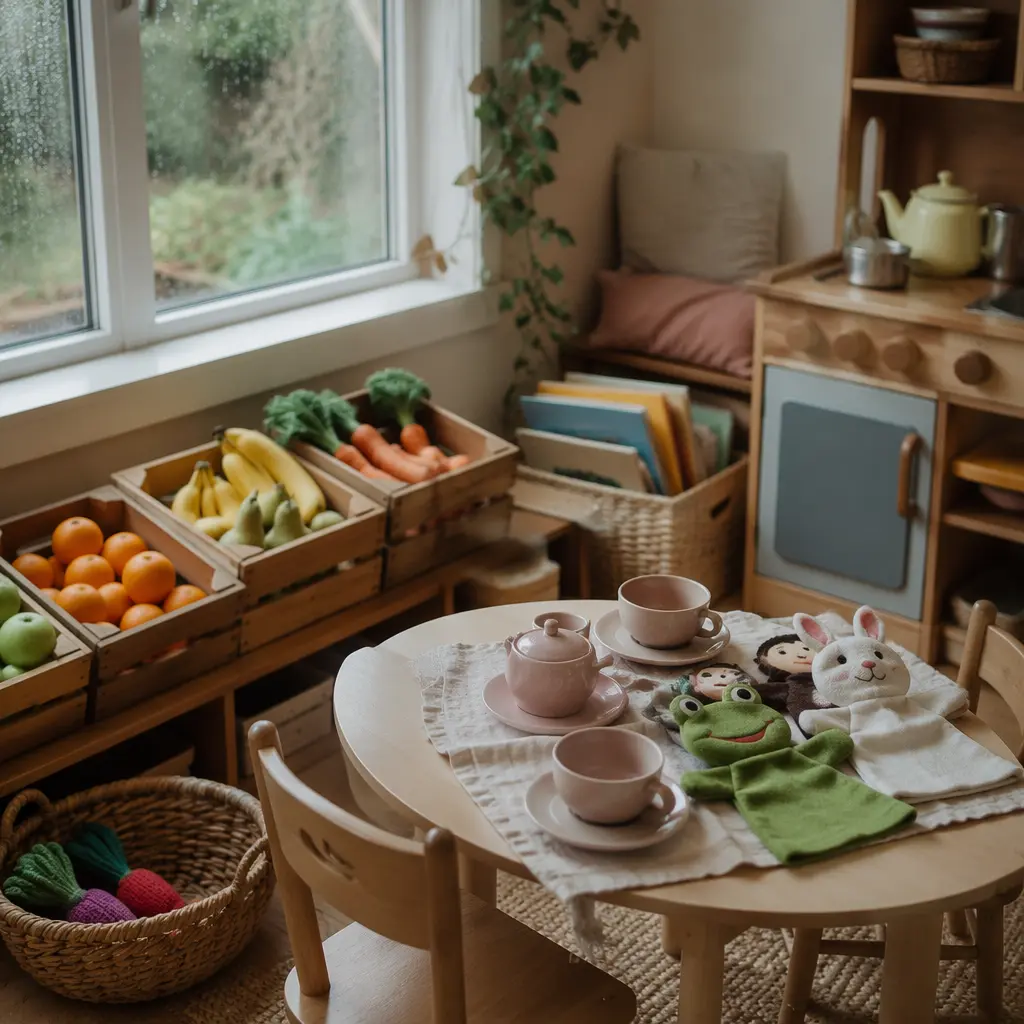
The best no-battery pretend play toys for preschoolers are usually the ones with flexible use rather than a single scripted activity. Toys that can become different things from day to day tend to hold attention longer. A simple doctor kit can turn into a veterinary clinic, a puppet theater or a delivery service depending on the child’s interests. Material quality also matters because preschool role-play often involves dragging, stacking and frequent cleanup. Wood and thick fabric usually last longer than thin plastic, though lightweight plastic can still work well if portability matters.
- Choose open-ended toys that support different kinds of pretend scenarios rather than one fixed routine.
- Check storage needs before buying large items like play kitchens or market stalls.
- Fabric costumes and puppets are quieter than hard plastic accessories during indoor play.
- Look for chunky accessories sized appropriately for ages 3–5 to reduce frustration and cleanup.
- Simple washable surfaces help with play food, tea sets and craft-heavy pretend games.
- If siblings will share, look for sets with enough pieces to reduce arguments over accessories.
Age suitability
Most preschool pretend play toys are labeled for ages 3 and up because smaller accessories can create choking risks for younger children. Within the 3–5 range, interests and attention spans can still vary widely. Younger preschoolers often enjoy imitation play based on familiar routines such as cooking, cleaning or caring for dolls. Older preschoolers may prefer toys that support storytelling, cooperative play or role-switching with siblings and friends. Dress-up items, puppets and play shops tend to grow with children longer than highly themed sets tied to one character or storyline. Parents with limited storage may get more long-term value from compact toys like doctor kits, soft food sets or cardboard play scenes rather than large furniture-style play stations.
Options compared
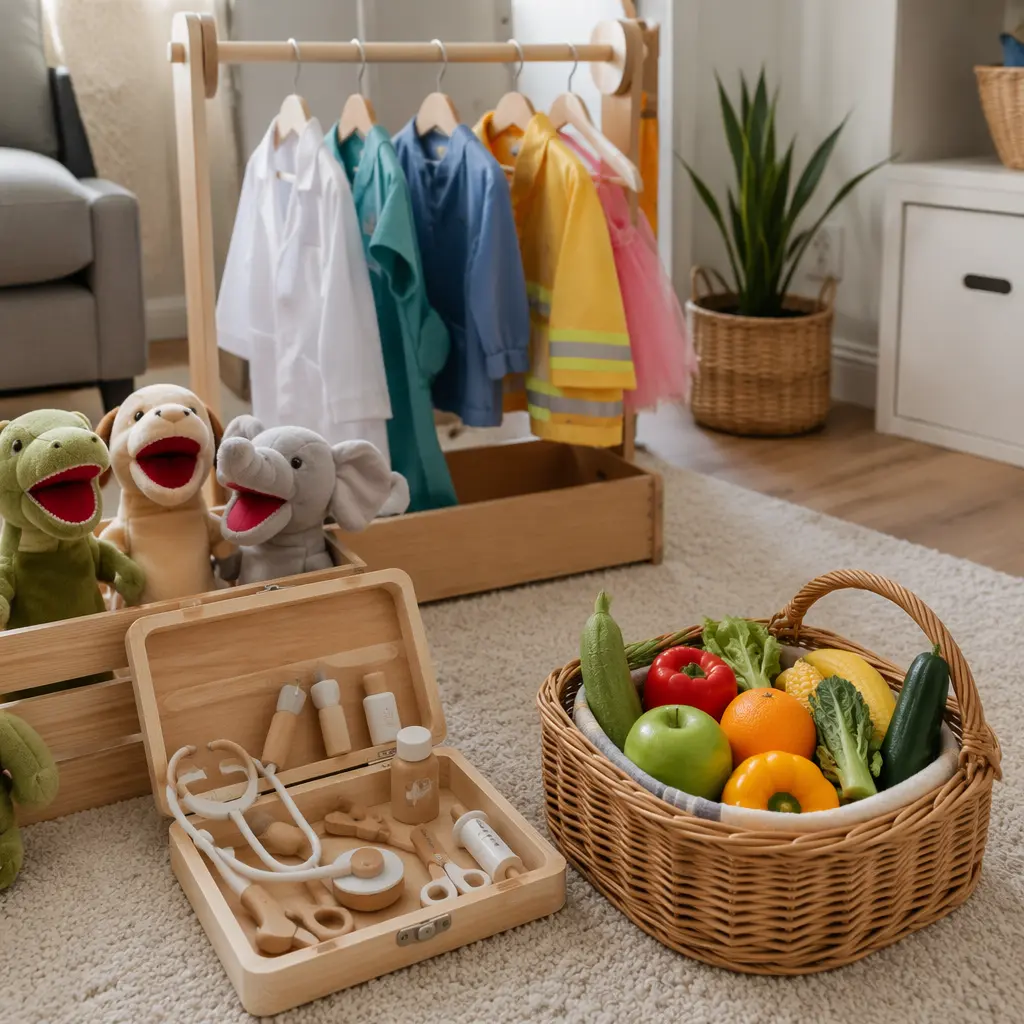
Toy kitchens remain one of the most common rainy-day pretend play choices because they support solo play and group play equally well. Children can cook, organize, serve and invent stories around familiar routines. The trade-off is size. Even compact kitchens take up floor space, and accessory collections can spread across multiple rooms. They also tend to create moderate cleanup demands because pretend food pieces travel easily.
Doctor kits, tool benches and cleaning sets usually work well for children who like copying real-world adult tasks. These sets encourage movement and interaction but are easier to store than large play furniture. Tool sets can become noisy if they include hard plastic parts or toy hammers used on floors and walls. Puppet sets and soft toys are quieter and especially useful for calmer indoor afternoons. They also support language development and cooperative storytelling without needing much setup. Dress-up clothes offer strong replay value, though capes, hats and accessories can quickly become clutter if there is no dedicated storage basket.
- Toy kitchens: good for everyday imaginative play and sibling sharing, but require more space and cleanup.
- Doctor kits and tool sets: compact and active, suited to children who enjoy imitation and movement.
- Puppets and soft play scenes: quieter indoor option with low storage demands and flexible storytelling.
- Play shops and cash registers without electronics: useful for social role-play and turn-taking, though small accessories can scatter easily.
- Dress-up baskets: high replay value and easy to combine with other toys, but fabric items may need regular washing.
Frequently asked questions
Are wooden pretend play toys better than plastic?
Wooden toys are often chosen for durability, quieter play and a more furniture-like appearance in shared living spaces. Plastic toys can still be practical because they are lighter, easier to wipe clean and usually less expensive. The better choice depends more on household priorities than material alone.
How many pretend play toys does a preschooler actually need?
A small rotation often works better than a crowded play area. Many children stay engaged longer when only a few role-play options are available at once. Combining simple props such as scarves, baskets, stuffed animals and toy dishes can create more variety without buying large themed sets.
Which pretend play toys are the quietest for apartments?
Fabric puppets, soft food sets, dolls, stuffed animals and dress-up clothes are generally quieter than plastic tool sets or toy kitchens with loose hard accessories. Foam or felt play food can also reduce clattering on hard floors.
Do preschoolers lose interest in pretend play quickly?
Open-ended toys tend to last longer because children can reuse them in different scenarios as interests change. Rotating toys every few weeks and combining categories together, such as adding puppets to a toy shop or doctor kit, can help maintain interest without introducing new electronics or screens.
What works best for small homes?
Foldable fabric play tents, compact doctor kits, puppet sets and stackable play food are often easier to manage in apartments or shared family rooms. Large kitchen units and oversized workbenches may become difficult to store unless there is a dedicated play area.
No-battery pretend play toys can make rainy afternoons easier because they support independent play without relying on screens, charging cables or constant adult setup. The most useful choices are usually simple, durable and flexible enough to match a child’s changing interests over several years of preschool play. Focusing on storage, noise level and replay value before buying can help parents choose toys that fit everyday family life as well as occasional indoor play sessions.