Pretend Play Toys That Don’t Need Scripts
A parent-friendly guide to open-ended pretend play toys for ages 3–5. Learn what to look for, age fit, safety tips, and flexible toy types that encourage imagination without instructions.
Compare prices and availability
Check current prices and availability for this guide on eBay.
As an eBay Partner, we may be compensated if you make a purchase.
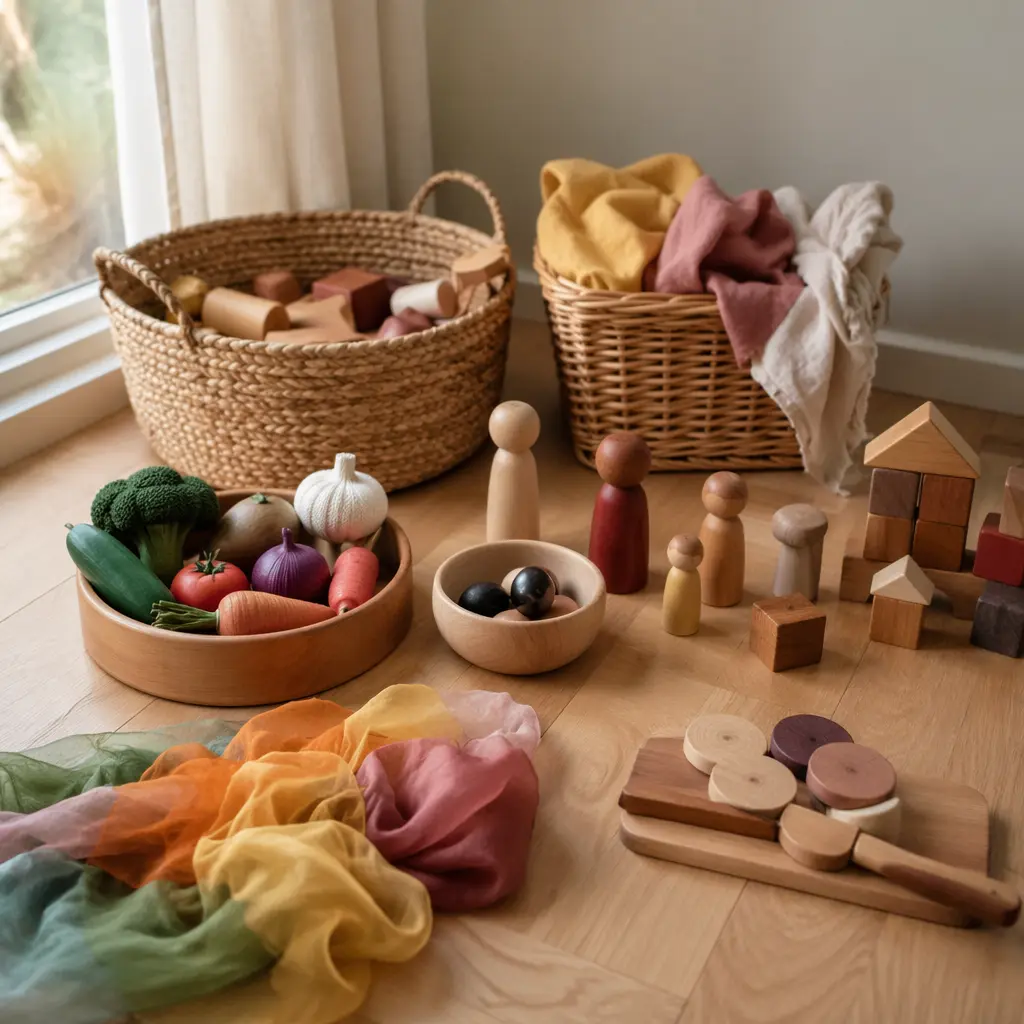
Pretend play doesn’t need scripts, buttons, or instruction booklets to work. For children ages 3–5, the most engaging pretend play toys are often the simplest ones—sets and props that invite kids to invent their own stories, rules, and roles. These toys support imagination, language growth, and problem-solving without adults needing to explain how to play.
What to look for
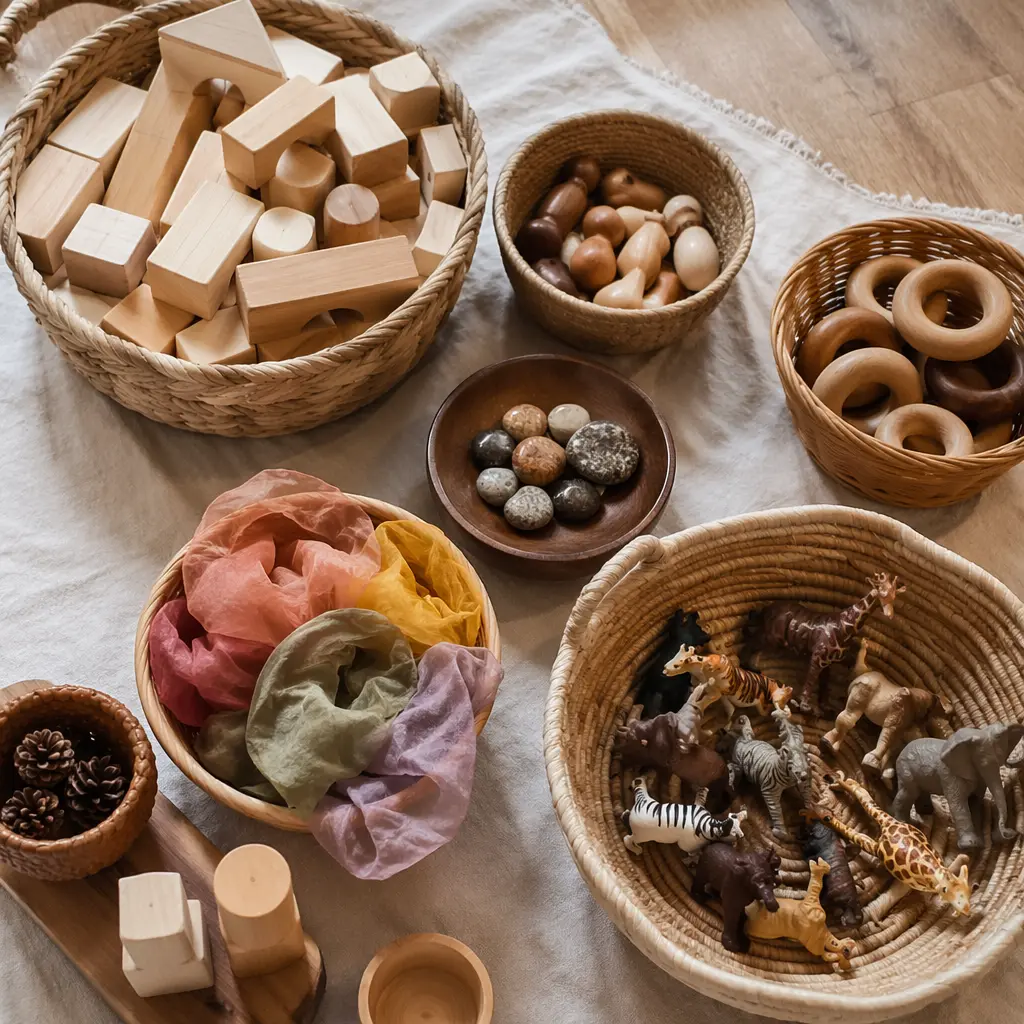
Open-ended pretend play toys share a few common traits. They leave room for interpretation, grow with your child, and don’t require adults to explain rules before play can begin. When shopping, focus less on themes and more on flexibility.
- No fixed outcome: Pieces can be used in many ways, not just one "correct" setup.
- Simple components: Loose parts like figures, tools, or props encourage creative combinations.
- Durable materials: Toys should handle frequent handling, stacking, and role changes.
- Neutral or adaptable themes: Items that can become many things (not just one character or story).
- Easy access: Children should be able to start playing independently without setup.
Age suitability
For ages 3–5, pretend play becomes more detailed and social. Children start acting out everyday routines, inventing characters, and negotiating roles with others. Open-ended toys work well in this stage because they adapt to different skill levels. A three-year-old might focus on simple actions like feeding or stacking, while a five-year-old may build longer storylines and assign roles. Look for pieces that are easy to grasp, free of small parts, and sturdy enough for enthusiastic play.
Standout categories or types
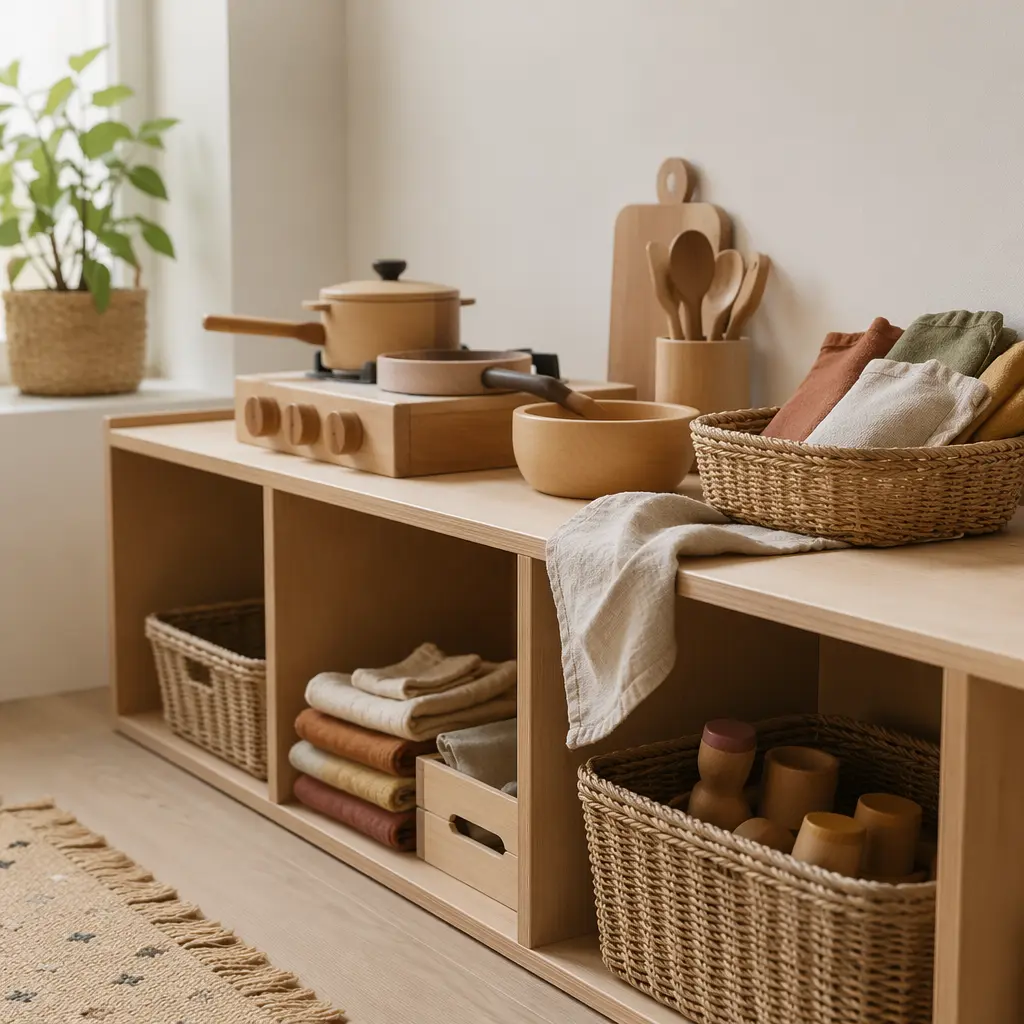
Some pretend play categories naturally lend themselves to open-ended use. These types don’t rely on scripts or electronic prompts and can shift themes from day to day.
- Role-play props: Items like cooking tools, cleaning tools, or caregiving accessories that mirror daily life.
- Figures and animals: Simple people or animal shapes that can represent many characters.
- Dress-up basics: Hats, scarves, and vests without fixed characters or logos.
- Loose parts: Bowls, boxes, fabric pieces, and blocks that become settings, tools, or props.
- Play scenes: Neutral structures like houses, shops, or vehicles without built-in storylines.
These categories work well together. Mixing different types often leads to richer play, as children combine figures, props, and loose parts into new scenarios.
Frequently asked questions
Do open-ended pretend play toys really hold attention?
Yes. While they may look simple at first, open-ended toys tend to stay interesting longer because children can change how they’re used. The play evolves as skills and interests grow.
Should parents join in or step back?
It depends on the child. Many kids enjoy independent play, while others like brief adult involvement to get started. Following the child’s lead usually works better than directing the story.
Are themed sets less creative?
Not always. The key is whether the theme limits play. Sets with flexible pieces and minimal instructions can still support creativity, even if they suggest a starting idea.
How many pieces are enough?
A small collection can be plenty. Too many items at once can feel overwhelming. Rotating a few well-chosen pieces often leads to deeper, more focused play.
Pretend play toys that don’t rely on scripts give children room to think, imagine, and explore at their own pace. By choosing open-ended options that fit your child’s age and interests, you’re supporting play that grows and changes—no instructions required.