Best Pretend Play Toys Kids Can Set Up Themselves
A parent-focused guide to pretend play toys for ages 9–12 that encourage independent play. Learn what to look for, age fit, safety tips, and standout toy types that don’t need adult assembly or screens.
Compare prices and availability
Check current prices and availability for this guide on eBay.
As an eBay Partner, we may be compensated if you make a purchase.
As kids move into the 9–12 age range, pretend play doesn’t disappear—it evolves. Many kids still enjoy imaginative worlds, role-play, and creative storytelling, especially when toys are flexible and don’t require adult setup or digital instructions. Pretend play toys that kids can set up themselves support independence, problem-solving, and confidence, while giving parents a break from constant assembly or troubleshooting.
What to look for
For older kids, the best pretend play toys balance freedom with just enough structure. At this age, children want control over how things work and look, and they’re capable of following visual instructions or experimenting on their own. The goal is to find toys that invite setup and reconfiguration without adult tools, apps, or ongoing help.
- Tool-free setup: Pieces should connect by hand, using slots, ties, magnets, or simple tabs—no screws or glue.
- Open-ended design: Toys that can become many things encourage longer play than single-scenario sets.
- Durable materials: Cardboard, fabric, wood, or sturdy plastic that can handle repeated building and rearranging.
- Clear visual guidance: Simple diagrams or intuitive parts help kids get started without adult explanations.
- Easy storage: Flat-pack or stackable pieces make cleanup manageable for kids to handle independently.
Age suitability
Kids ages 9–12 are typically ready for more complex pretend play setups than younger children. They can manage multi-step builds, negotiate rules with friends or siblings, and sustain imaginative play for longer stretches. This age group often prefers toys that don’t feel “babyish” and that allow customization, challenge, or collaborative play. When evaluating age fit, look beyond the box age range and consider whether the toy respects older kids’ creativity and growing independence.
Standout categories or types
Some pretend play toy categories are especially well-suited to independent setup for older kids. These options focus on creativity and replay value rather than fixed outcomes, making them a good fit for screen-free play.
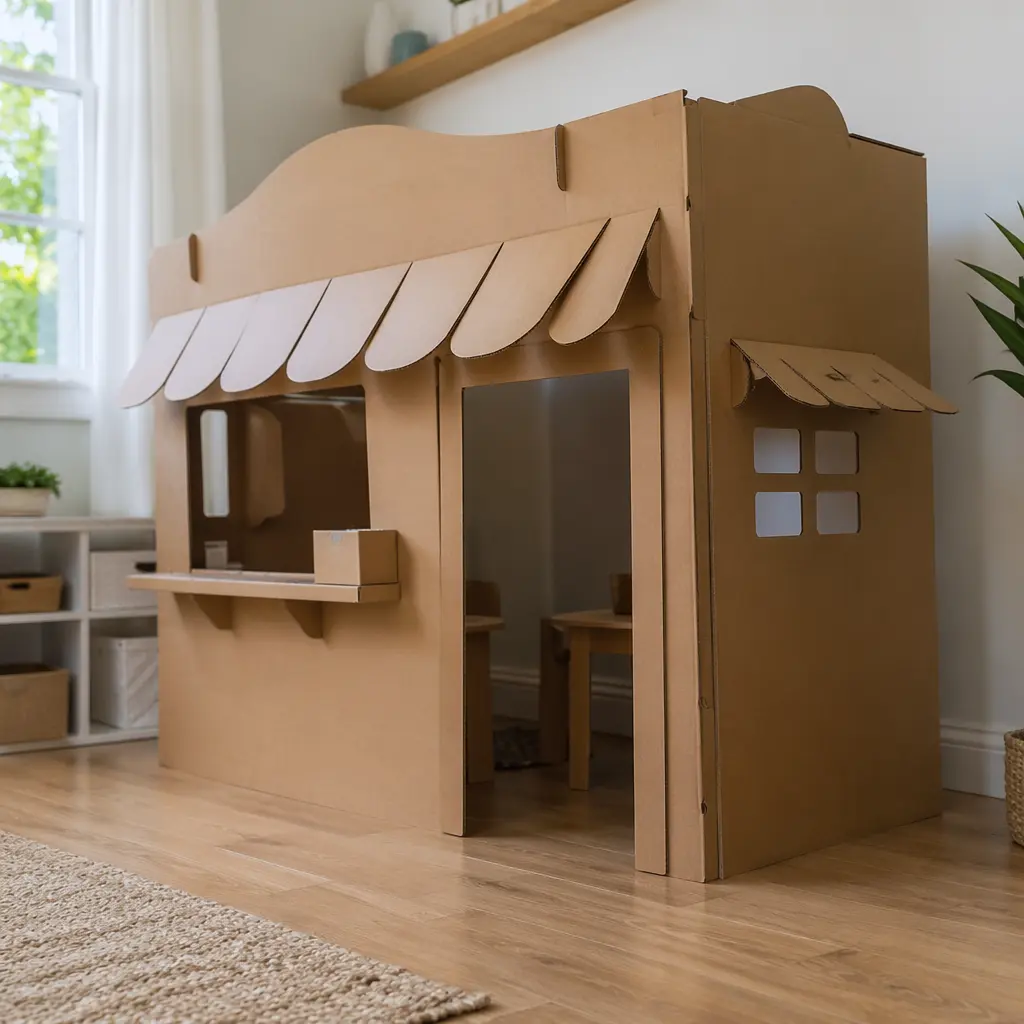
- Build-your-own environments: Cardboard or panel-based systems that let kids create shops, forts, theaters, or worlds and rebuild them over time.
- Role-play kits with loose parts: Sets that include props, signs, fabric, or tools without a single script encourage kids to invent their own scenarios.
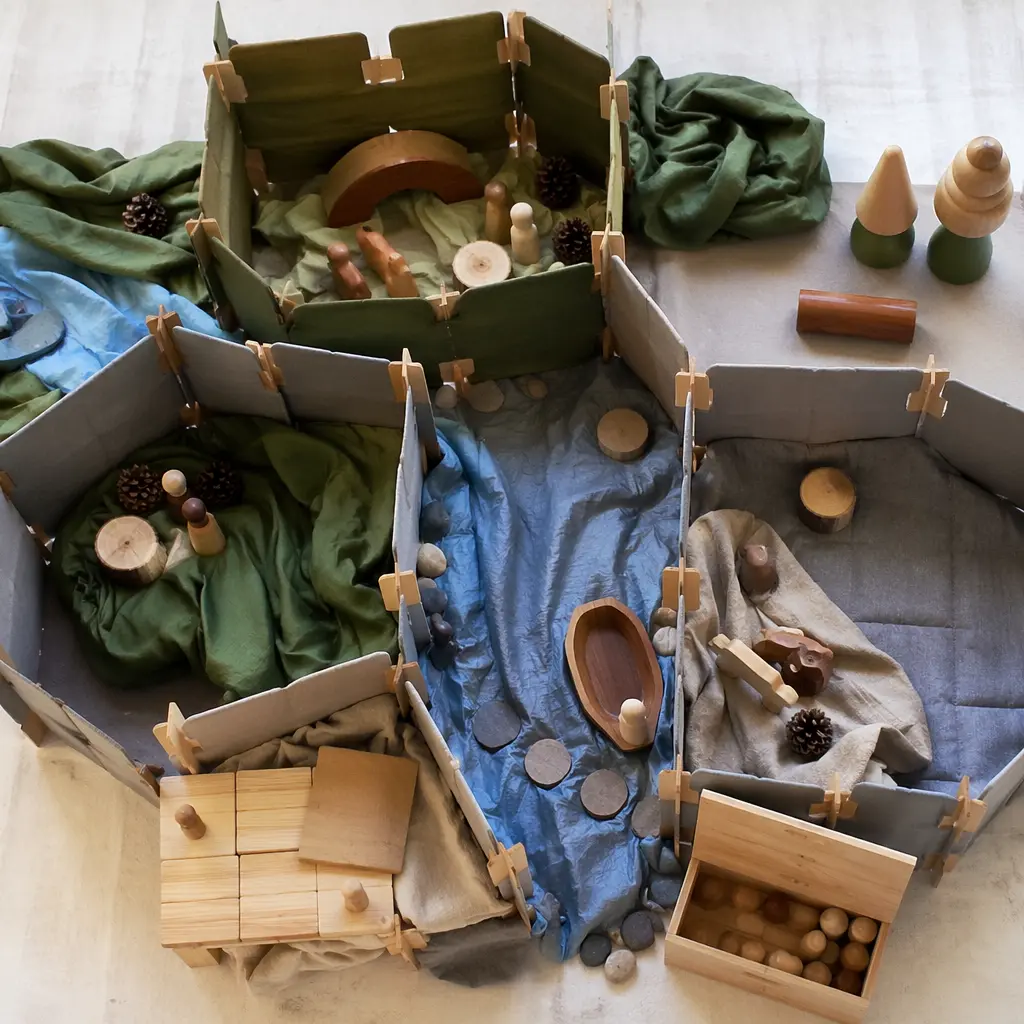
- Tabletop world-building: Miniature environments, maps, or scenery pieces that kids arrange themselves for storytelling and strategy.
- Costume and character accessories: Mix-and-match items that spark role-play without complex fasteners or adult sizing adjustments.
- Creative prompt-based play: Cards, boards, or objects that suggest roles or missions while leaving the setup and outcome to the child.
Frequently asked questions
Do pretend play toys still make sense for kids this age?
Yes. While pretend play may look different for older kids, it still supports social skills, creativity, and emotional processing. Toys that allow autonomy and complexity are often more engaging than highly scripted sets.
How independent is “independent setup”?
Most toys in this category may need a quick safety check or initial explanation, but kids should be able to assemble, modify, and take them down without adult tools or ongoing help.
Are screen-free toys realistic for 9–12 year olds?
They can be, especially when toys feel age-appropriate and give kids control. Many children enjoy screen-free play when it offers challenge, creativity, or a social component.
What about shared play with siblings or friends?
Pretend play toys that are modular or open-ended tend to work well for group play. Look for sets that allow multiple roles or enough materials for more than one child.
Pretend play toys that kids can set up themselves offer more than convenience—they support independence, confidence, and creative thinking during the later elementary years. By choosing flexible, screen-free options designed for older kids, parents can encourage meaningful play that grows with their child and fits naturally into everyday routines.