Simple Pretend Play Toys That Don’t Need Adult Setup
A parent-friendly guide to pretend play toys for ages 3–5 that work straight out of the box. Learn what to look for, age fit, safety notes, and easy-play categories kids can manage on their own.
Compare prices and availability
Check current prices and availability for this guide on eBay.
As an eBay Partner, we may be compensated if you make a purchase.
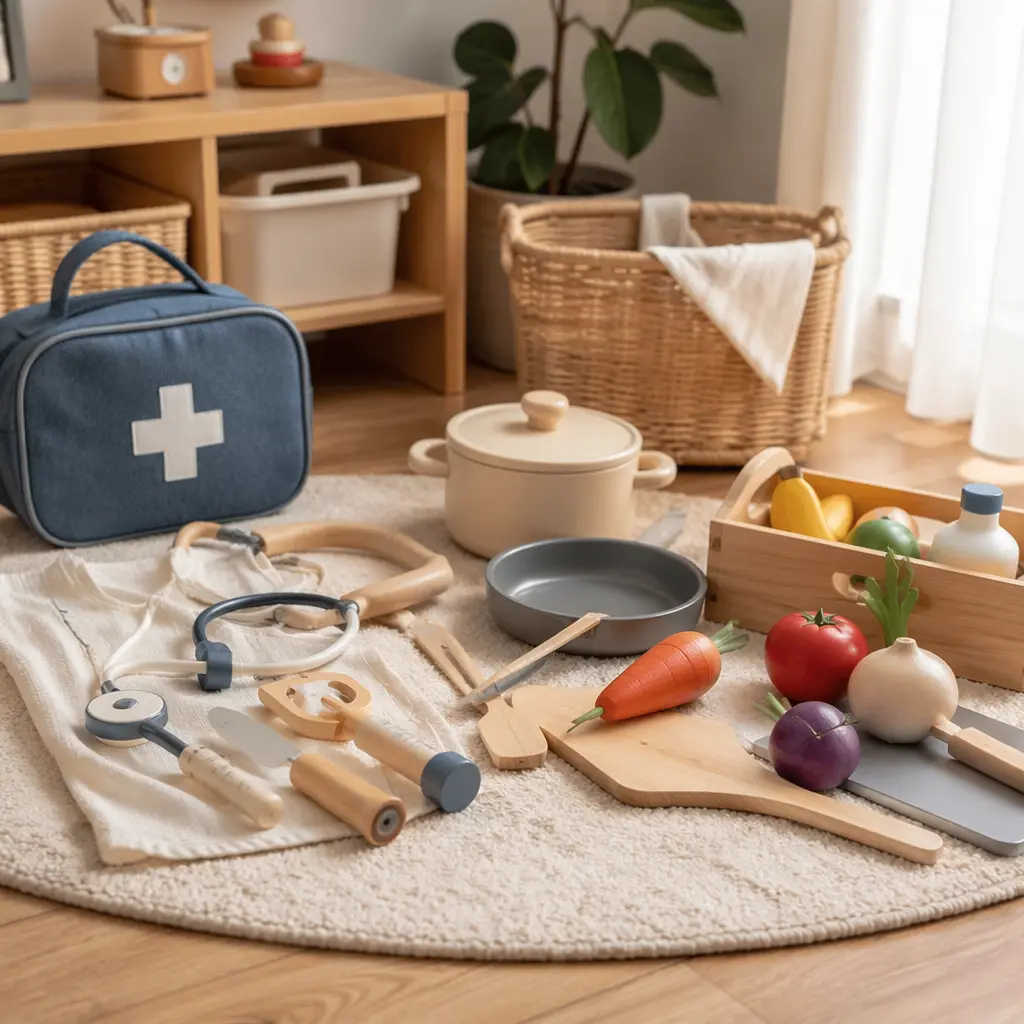
Pretend play is most fun when kids can jump right in. For ages 3–5, the best options don’t require tools, batteries, or step-by-step instructions from an adult. These instant-play toys invite imagination the moment the box opens, helping children practice language, social skills, and problem-solving on their own terms. This guide focuses on simple pretend play toys that work as-is, with minimal pieces and clear roles, so kids can start playing independently.
What to look for
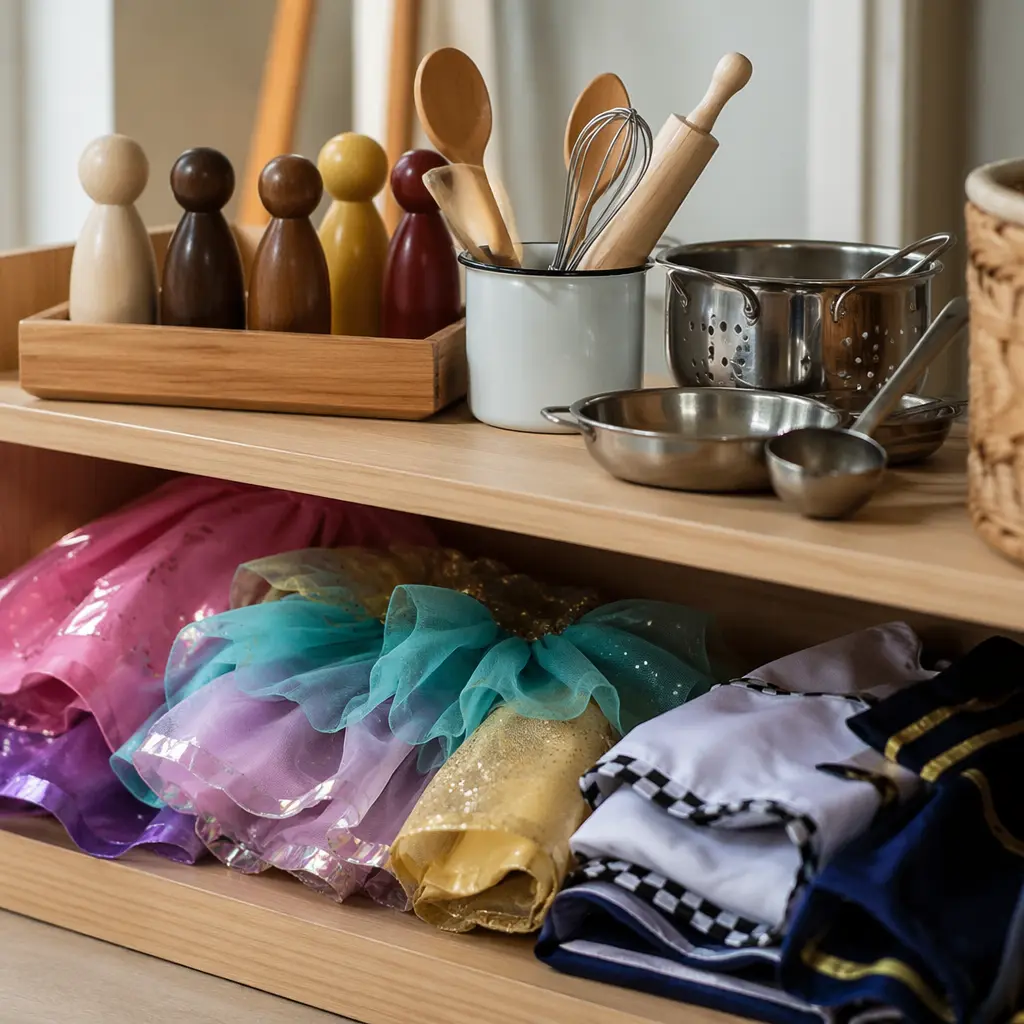
When shopping for pretend play toys that don’t need adult setup, simplicity is the goal. Fewer parts and clear cues help kids understand how to play without explanations. Materials and scale also matter, especially for younger preschoolers who are still developing coordination and attention span.
- Ready out of the box: No assembly, charging, or pairing required.
- Open-ended pieces: Items that can be used in many ways encourage longer play.
- Manageable size: Pieces sized for small hands and easy storage.
- Durable materials: Wood, thick plastic, or fabric that can handle daily play.
- Clear pretend cues: Familiar themes like food, helpers, or home life.
Age suitability
For ages 3–5, pretend play shifts from simple imitation to short storylines. Toys that are too complex can interrupt that flow, while overly babyish sets may not hold interest. Look for options that match preschoolers’ abilities: recognizable roles, a handful of accessories, and no required reading. Younger 3-year-olds often prefer single-theme sets, while older preschoolers enjoy mixing pieces from different play themes to build their own scenarios.
Standout categories or types
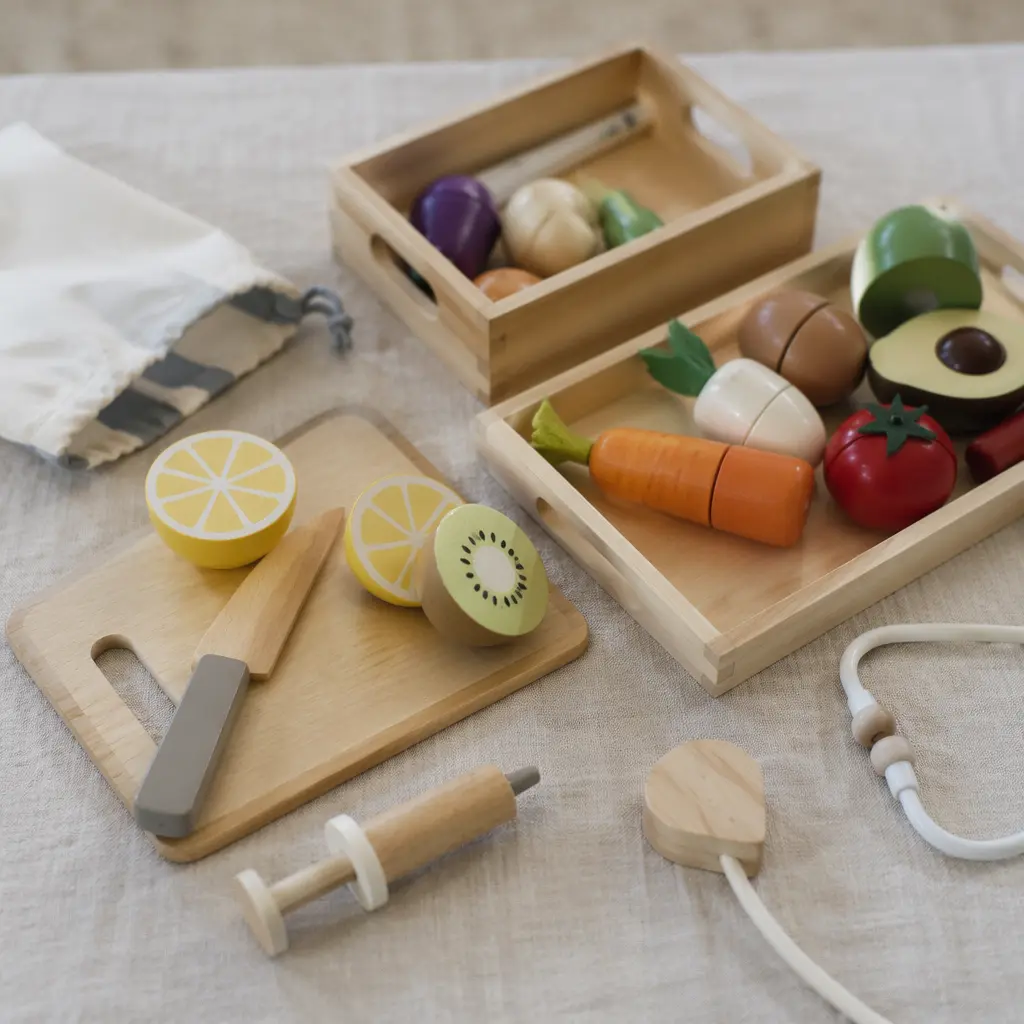
Some pretend play categories are especially good at supporting independent, instant play. These themes rely on familiar routines, so kids don’t need instructions to get started. They also tend to scale well, staying engaging as children grow.
- Play food and kitchen accessories: Simple items like dishes and pretend ingredients invite sorting, cooking, and serving games.
- Dress-up basics: Easy-on costumes or role accessories that don’t require tying or fitting.
- Helper kits: Doctor, vet, or repair-themed tools with obvious pretend functions.
- Doll or figure accessories: Furniture or care items that work with figures kids already have.
- Everyday object replicas: Phones, keys, or shopping items that mirror real life.
Frequently asked questions
Do no-setup toys limit creativity?
Not at all. Toys without setup often leave more room for imagination because there are no fixed steps to follow. Kids decide the story, roles, and rules, which supports creative thinking.
Are battery-free toys better for independent play?
Battery-free toys can be easier for kids to manage alone since they don’t rely on switches or sound cues. They also avoid interruptions when batteries run out.
How many pieces are ideal?
A small set of well-chosen pieces is usually better than a large collection. Around 5–15 items gives enough variety without overwhelming cleanup or decision-making.
Can these toys grow with my child?
Yes. Open-ended pretend play toys often stay relevant as kids add language and storytelling skills. Many families rotate or combine sets to refresh interest over time.
Simple pretend play toys that don’t need adult setup make it easier for kids to start playing right away and for parents to step back with confidence. By choosing durable, open-ended options that match your child’s age and interests, you support independent play while keeping everyday routines calm and manageable.